



16oz Plastic Cup - China Manufacturer for Quality Disposable Cups
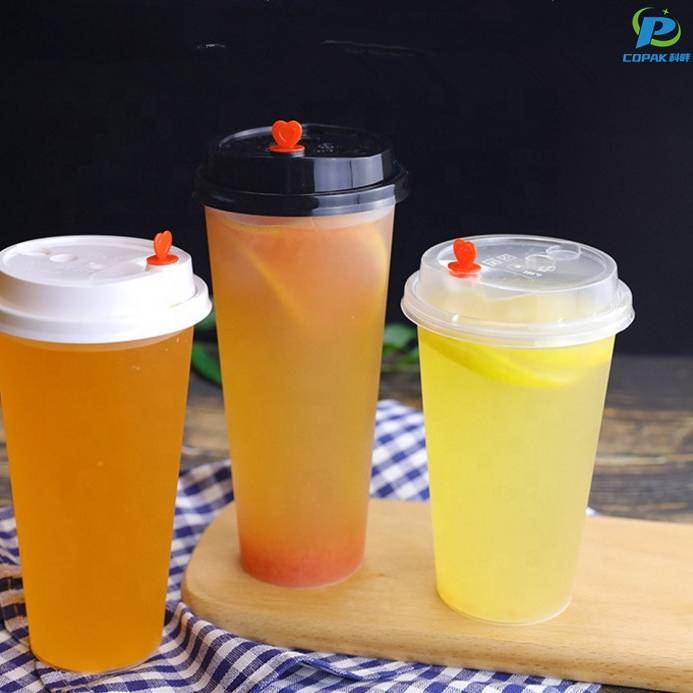
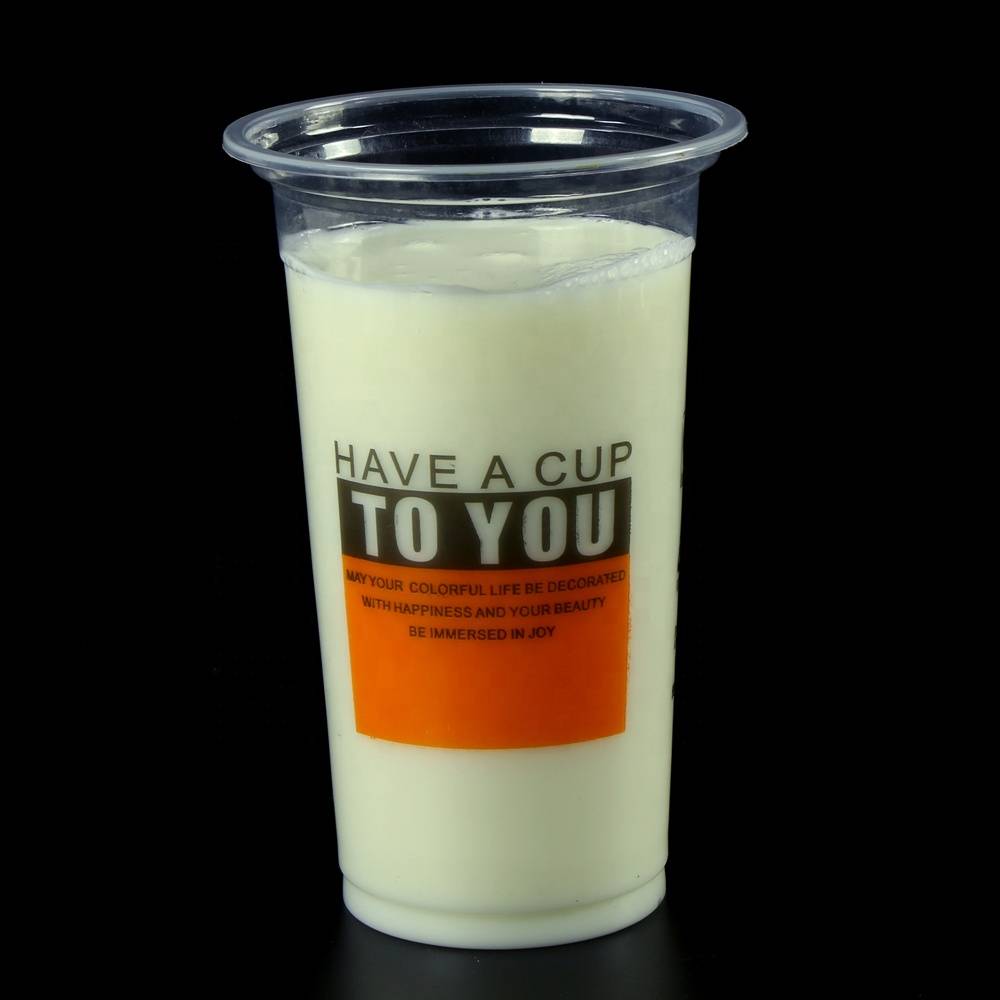
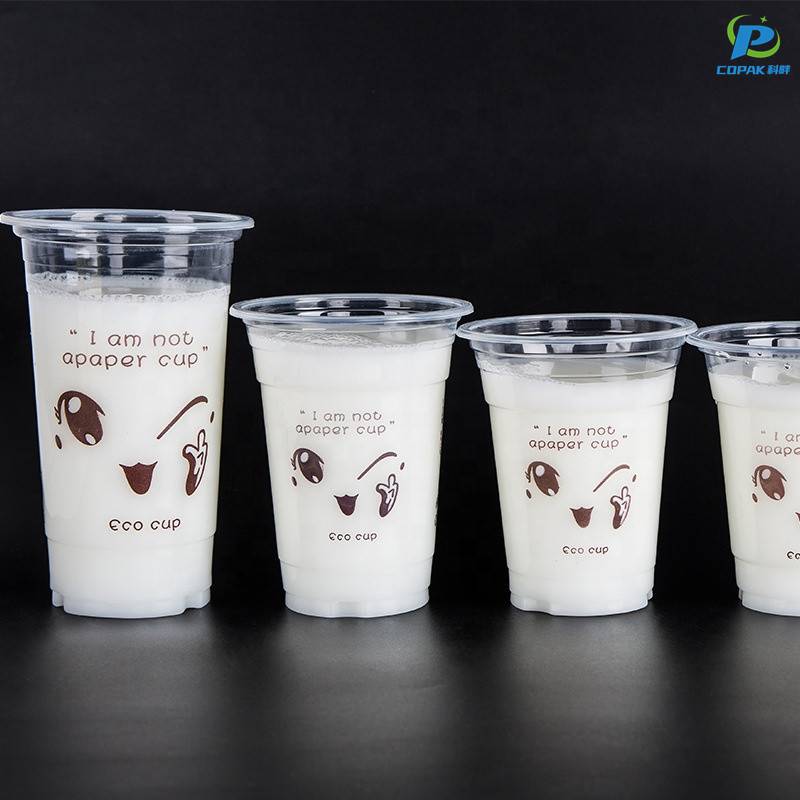
I’m a China-based manufacturer, and I know what global buyers look for in a 16oz Plastic Cup. We offer durable, BPA-free cups that stand up to daily service in cafes, caterers, and events. My team uses food-grade polypropylene, ensuring safe contact with beverages. They’re stackable to save freight, with smooth rims for easy sipping, and crystal-clear clarity to showcase your drinks. We can customize with logos, two-tone colors, or tamper-evident lids. I can ship directly from our factory in China to reduce lead times, with MOQ-friendly terms for startups and large orders alike. Quality is checked at every stage, and we provide flexible packaging options and on-time delivery. If you’re a purchaser seeking reliable supply of 16oz Plastic Cup, I’m ready to discuss specs, pricing, and logistics today.


16oz Plastic Cup Pioneers in the Field Your End-to-End Solution
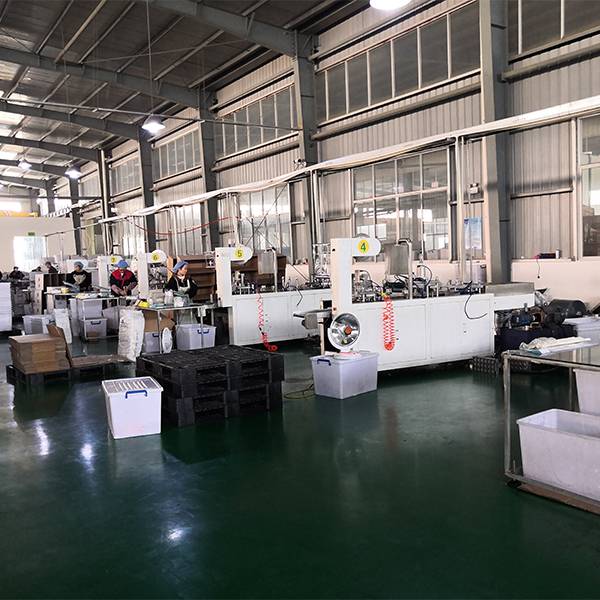
As pioneers in the 16oz plastic cup category, we deliver high-performance containers engineered for global foodservice and retail needs. Precision-molded from food-grade, BPA-free materials, these 16oz cups combine clarity, stackability, rim strength and secure lid compatibility to ensure leak-resistant transport, consistent portion control and attractive presentation for cold beverages, smoothies and grab-and-go meals. Options include tamper-evident lids, custom colors, printed logos and barrier coatings for grease and condensation resistance. Our end-to-end solution streamlines procurement from rapid prototyping and mold development through validated production runs, full quality inspection and regulatory compliance (FDA, EU and LFGB where required). With flexible MOQs, tailored packaging, PCR content and lightweight recyclable options, plus coordinated logistics and responsive order management, global buyers gain predictable lead times, cost control and turnkey sourcing that simplifies scaling across markets.
| Specification | Typical Value | Notes / Standards |
|---|---|---|
| Capacity | 16 fl oz (≈ 473 mL) | Nominal liquid fill volume for common "16oz" cold beverage cups; actual usable volume may vary by rim design. |
| Common Material | PET (Polyethylene terephthalate) | Typical for cold beverage cups; recycling code: 1 (PET). Alternative materials include PP (polypropylene) for hotter use. |
| Typical Weight per Cup | ≈ 9 g | Thin-wall thermoformed designs commonly range 7–12 g depending on gauge and stiffness requirements. |
| Top Diameter (approx.) | 95 mm | Measured rim-to-rim; actual geometry depends on lip roll and stacking design. |
| Bottom Diameter (approx.) | 56 mm | Tapered profile typical for stackability and machine handling. |
| Height (approx.) | 110 mm | Standard heights vary 100–125 mm depending on rim and base geometry. |
| Wall Thickness | 0.25–0.35 mm | Thin gauge for cold cups; thickness influences stiffness and thermal transfer. |
| Tensile Strength (typical for PET) | ~55–75 MPa | Material property for PET sheet used in thermoforming; depends on polymer grade and orientation. |
| Thermal Performance | Service up to ~60–70 °C | PET has a glass transition near 70–80 °C; not recommended for hot beverages above service temperature. |
| Manufacturing Method | Thermoforming from PET sheet (common) | Also produced by injection molding for some designs; thermoforming yields thin-walled, economical cups. |
| Food Contact Compliance | Designed for food contact | When manufactured to appropriate specifications, materials and additives can be selected to meet general food-contact regulations (e.g., FDA 21 CFR and EU food contact framework). Compliance depends on finished product testing and declarations by producers. |
| Recyclability | Recyclable where PET curbside streams exist | Requires separation from non-PET items (lids, straws). Local recycling acceptance and sorting capabilities vary by region. |
| Typical Post-Consumer Recycling Rate | ~20–30% (regional variability) | Cup recycling rates are generally lower than bottles due to contamination, collection and sorting challenges; regional programs impact outcomes significantly. |
| Estimated Lifecycle GHG Emissions | ≈ 0.05–0.07 kg CO2e per cup | Cradle-to-gate estimate covering raw material and manufacturing energy for a thin PET cup; full lifecycle emissions vary with transport, recycling rate and end-of-life treatment. |
| End-of-Life / Environmental Persistence | Not compostable; persistent | PET can fragment into microplastics and persist for centuries in the environment (commonly cited estimates >400 years depending on conditions). |
| Typical Use Cases | Cold beverages, events, sampling, takeout | Often paired with PET lids, PLA lids (where compostable programs exist), or paper lids depending on application. |
| Recommended Handling for Recycling | Rinse, separate lids/straws, collapse | Minimizing food residue and separating mixed-material components improves sorting and recycling yield. |
| Alternatives / Considerations | Reusable cups, fiber-based compostables | Alternatives reduce single-use impacts but require appropriate collection and washing infrastructure; evaluate whole-system impacts before substitution. |
Related Products


16oz Plastic Cup Dominates Industry Leaders
Top Selling Products






- Related Blog
- Reviews
- Reviews
