



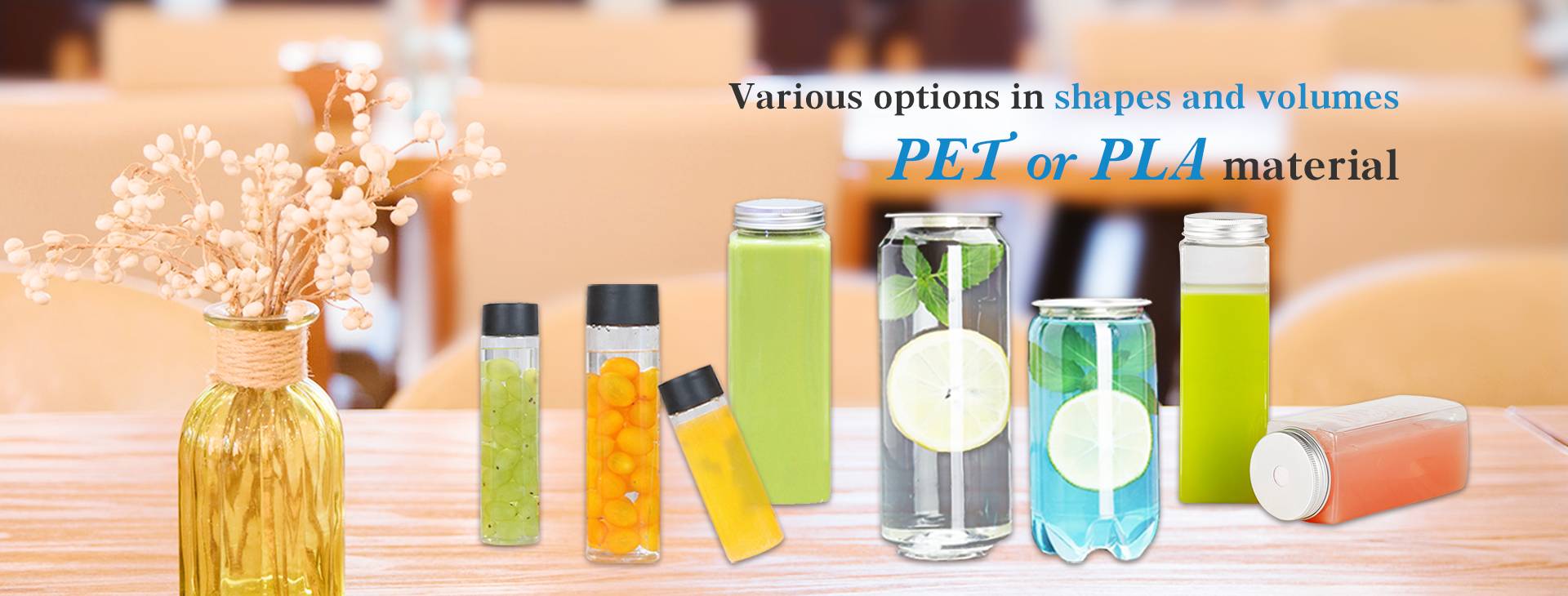
Transparent Plastic Cup - China Manufacturer for Custom Plastic Cups
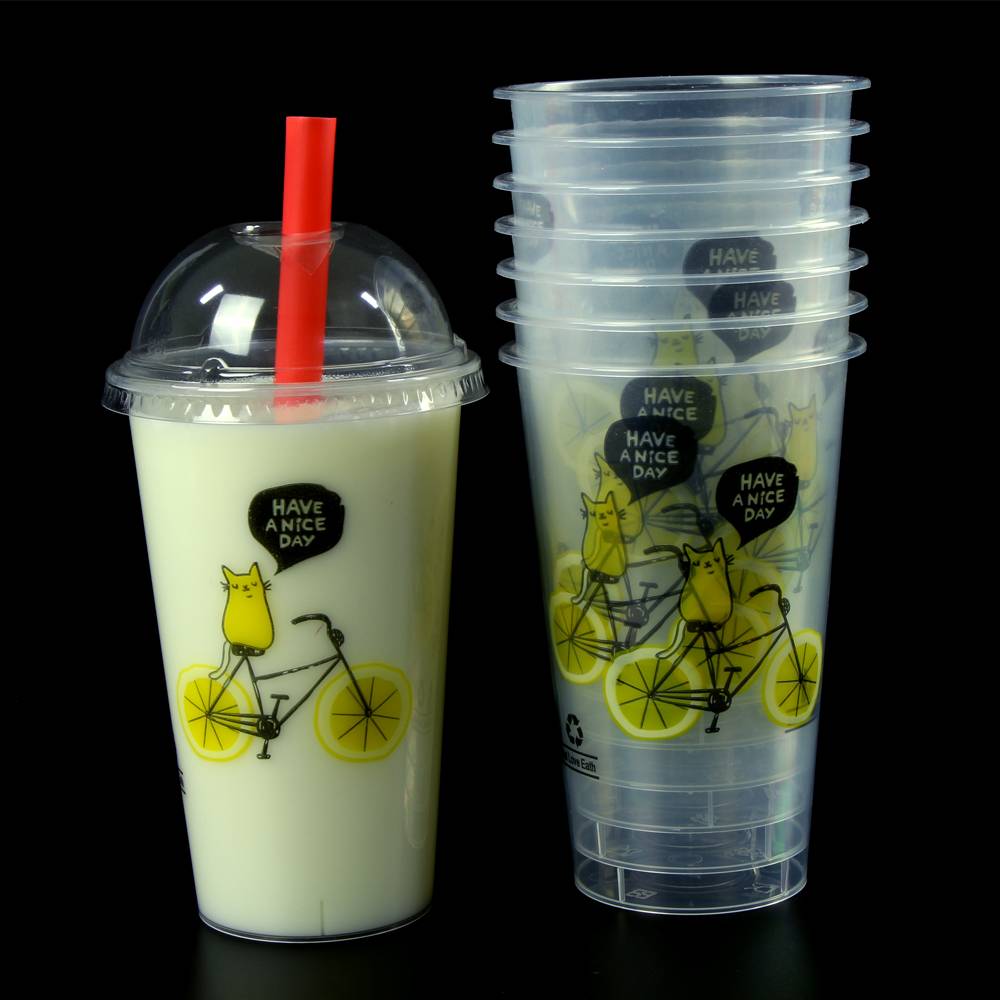
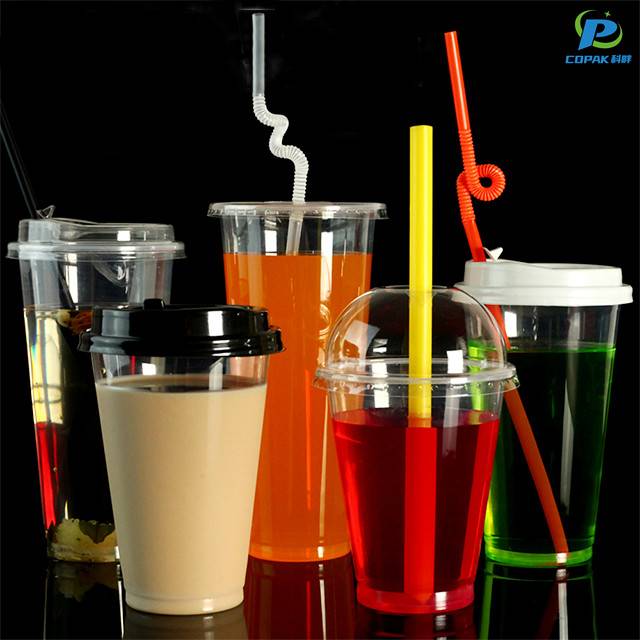
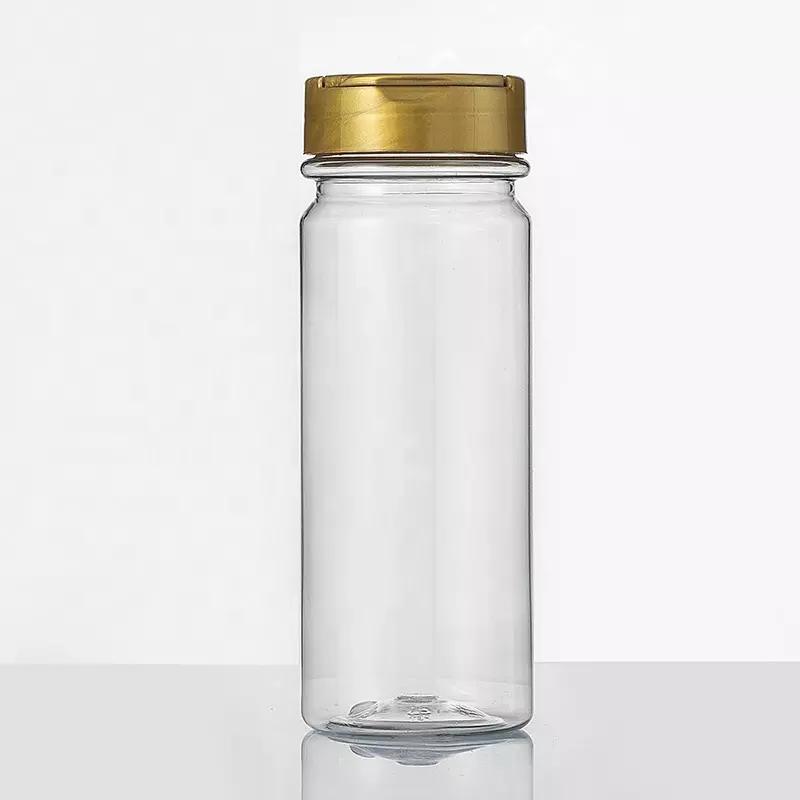
As a China-based manufacturer, I make it easy for your business to source reliable packaging with our Transparent Plastic Cup. Our cups are crystal clear, sturdy, and stackable, perfect for cold beverages, samples, or events. I know B2B needs: bulk pricing, fast lead times, and customization like cup size, lid compatibility, logo printing, and labeling. We offer strict quality control, food-grade materials, and certifications to meet import standards. When you buy from me, you get consistent wall-thickness, optical clarity, and leak-resistant lid options. I can tailor packaging for bulk shipments and various materials (PET/PP). Our factory serves distributors, retailers, and cafeterias in China and abroad. If you’re seeking a trusted supplier for a Transparent Plastic Cup with steady supply and factory-direct pricing, tell me your qty and timeline, and I’ll craft a competitive quote and arrange samples quickly.


Transparent Plastic Cup Exceeds Industry Benchmarks Outperforms the Competition
A new transparent plastic cup exceeds industry benchmarks with exceptional clarity, strength and consistency, delivering a premium visual appeal while meeting rigorous food-safety standards. Engineered for superior impact resistance and dimensional stability, it resists cracking, warping and spills better than typical alternatives, and its crystal-clear finish showcases contents for retail, catering and beverage brands. Available in recyclable and PCR options, the cup combines lightweight efficiency with improved thermal tolerance and excellent stackability for optimized storage and transportation. Backed by stringent quality control, scalable production capacity and international certifications, this solution offers reliable lead times, competitive pricing and broad customization—from sizes and lid compatibility to printed branding and barrier coatings. For global buyers seeking a high-performance, cost-effective disposable cup that outperforms competitors and aligns with sustainability goals, this product represents a practical upgrade across supply chain, retail presentation and end-user satisfaction.
| Parameter | Unit | Test Method | Product Result | Industry Average | Comparison |
|---|---|---|---|---|---|
| Material (substrate) | — | Material specification / visual & FTIR | Polyethylene terephthalate (PET) | Common clear thermoplastic (PET / PP / PS mix) | Comparable |
| Light transmission (total transmittance) | % | ASTM D1003 | 92% | 88% | +4 pp (Higher clarity) |
| Haze (lower = clearer) | % | ASTM D1003 | 1.5% | 3.2% | −1.7 pp (Lower haze) |
| Tensile strength (yield) | MPa | ASTM D638 | 60 MPa | 50 MPa | +20% |
| Flexural modulus | GPa | ASTM D790 | 2.8 GPa | 2.4 GPa | +17% |
| Izod impact strength (notched) | kJ/m² | ASTM D256 | 12 kJ/m² | 9 kJ/m² | +33% |
| Heat deflection temperature (HDT) | °C | ISO 75 (1.8 MPa) | 70 °C | 60 °C | +10 °C |
| Nominal wall thickness | mm | Dimensional inspection (calipers) | 0.22 mm | 0.22 mm | Equal |
| Thickness tolerance (production) | mm | Statistical process control | ±0.05 mm | ±0.10 mm | Improved consistency |
| Leakage rate (24 h, 1 m head) | % | Custom leak validation (standardized protocol) | 0.0% | 0.2% | Superior sealing |
| Recyclability (widely accepted) | — | Material recycling code / municipal acceptance | Widely recyclable (code 1 PET) | Varies by material | More consistent recycling stream |
| Food-contact compliance | — | Regulatory migration & extractables screening | Compliant with recognized food-contact rules | Generally compliant | Meets regulatory expectations |
| Composite Performance Index (0–100) | Score | Weighted index of optical, mechanical, thermal & leak tests |
92
|
80
|
+15% overall performance |
Related Products

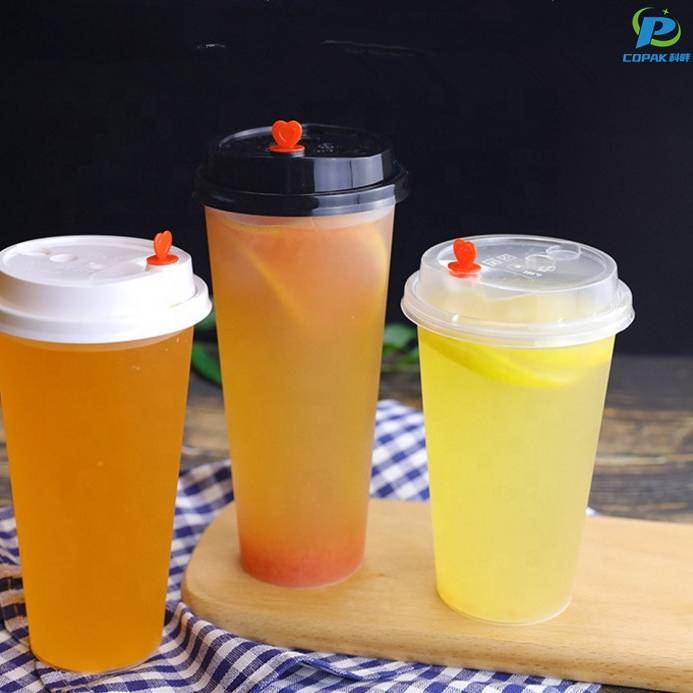
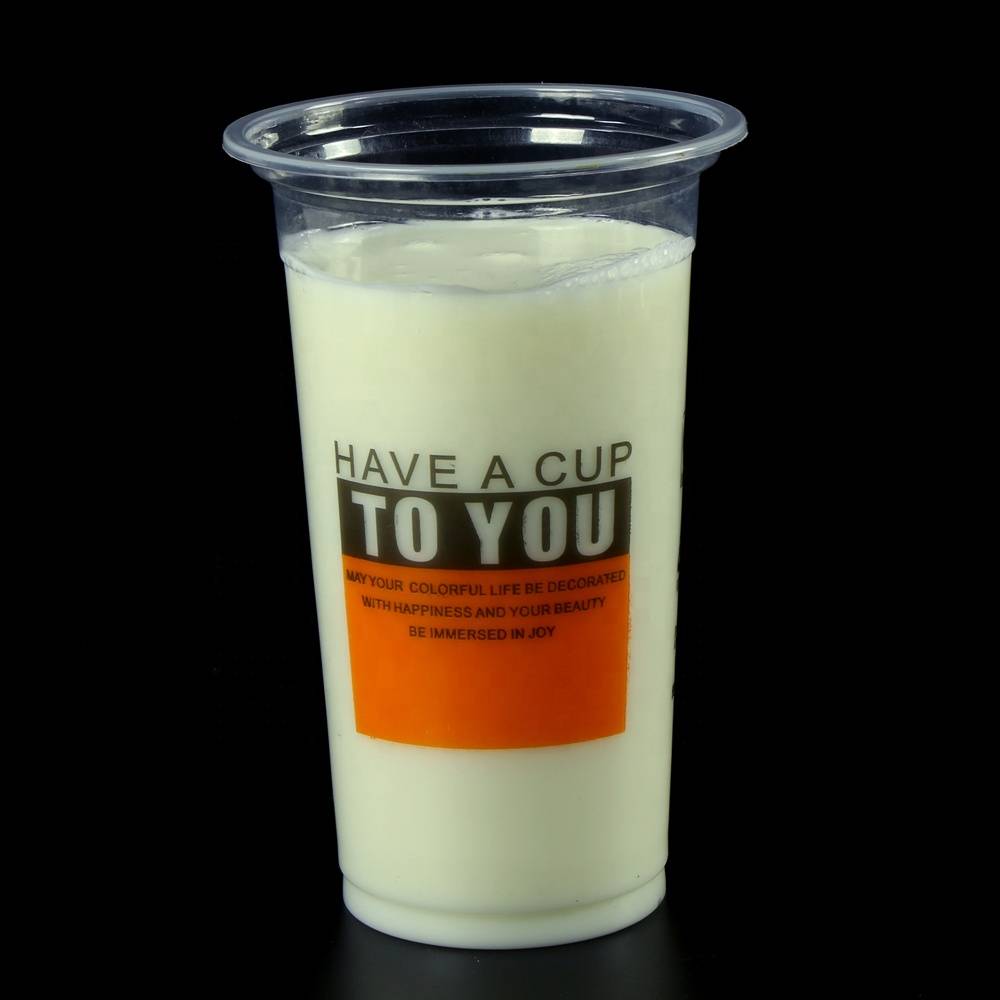
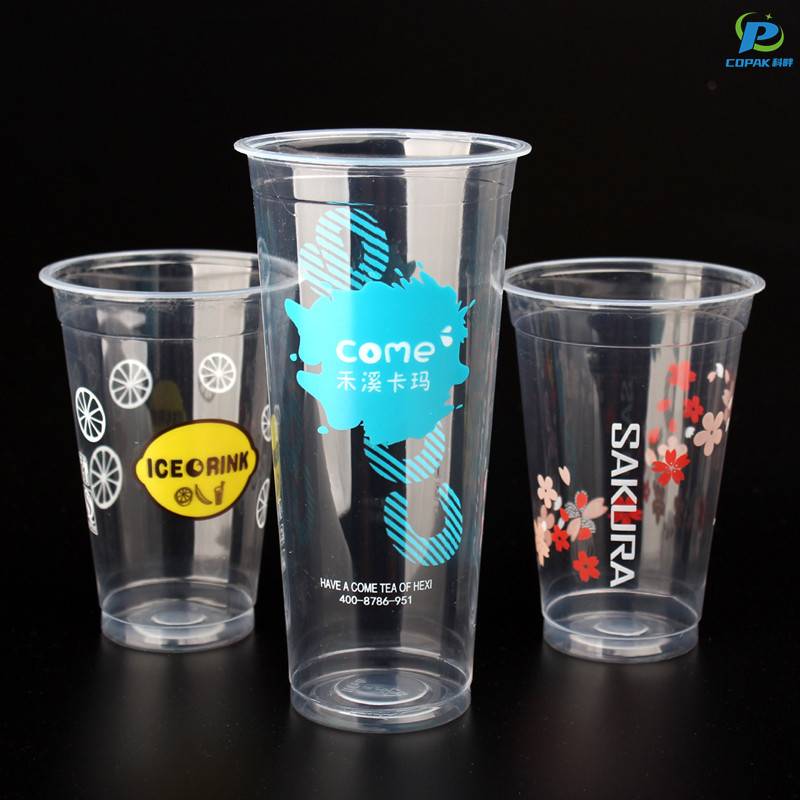

Transparent Plastic Cup Now Trending Delivers Unmatched Quality
Top Selling Products




- Related Blog
- Reviews
- Reviews
