



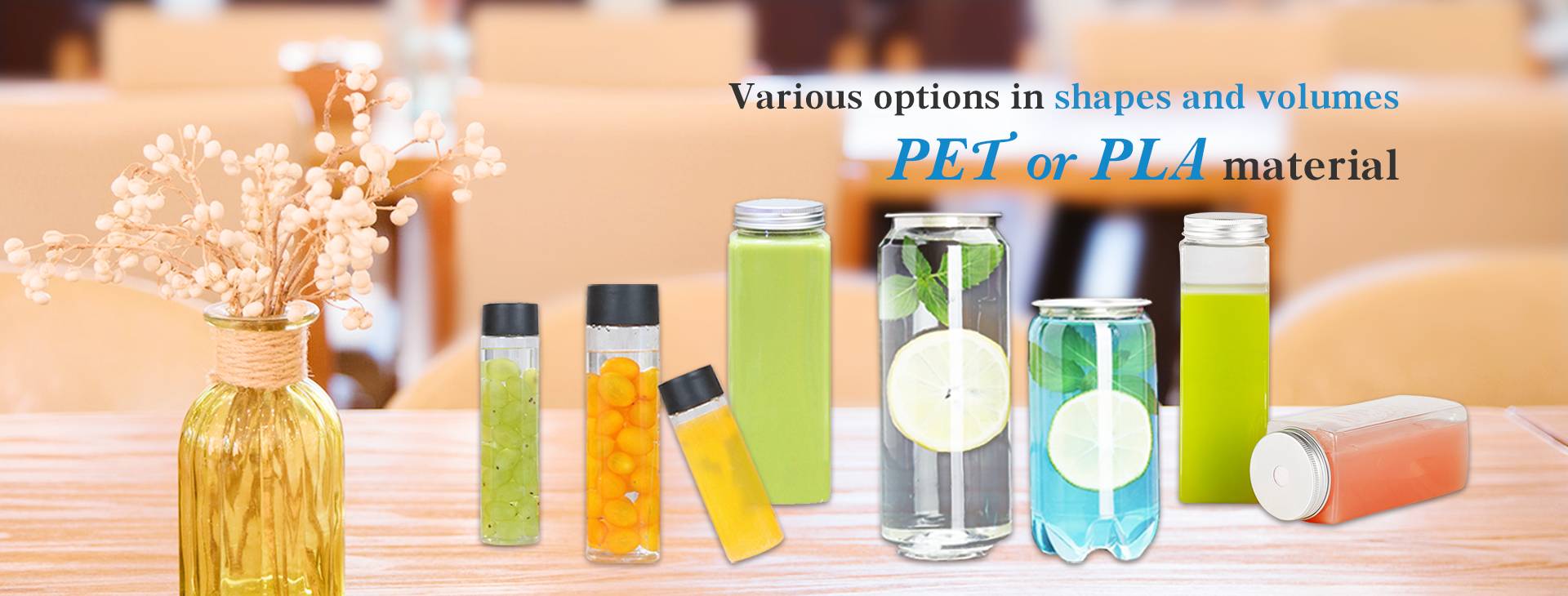
Juice Plastic Containers - China Manufacturer for Durable Packaging
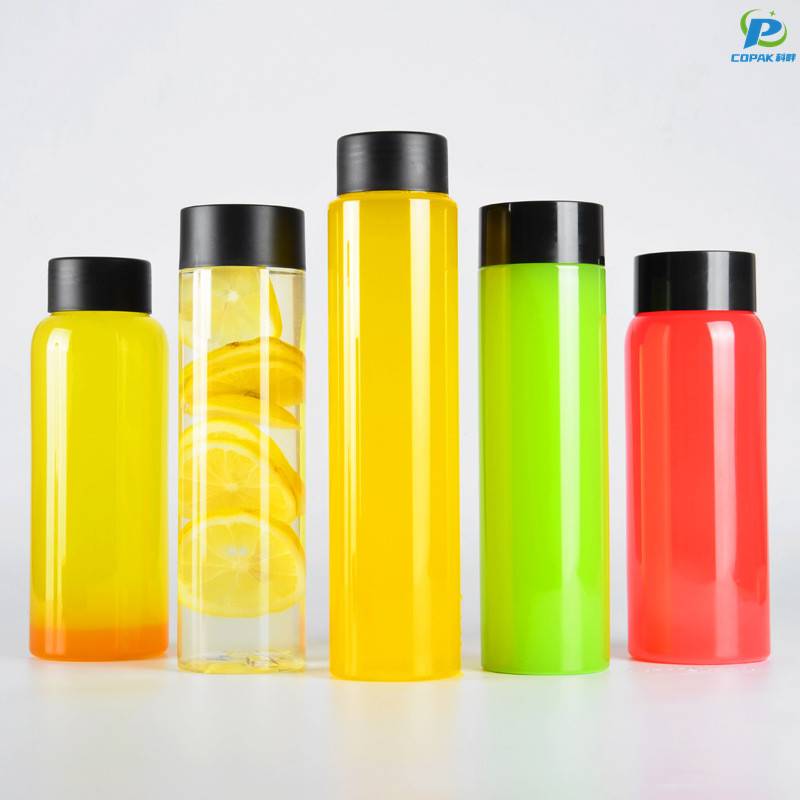
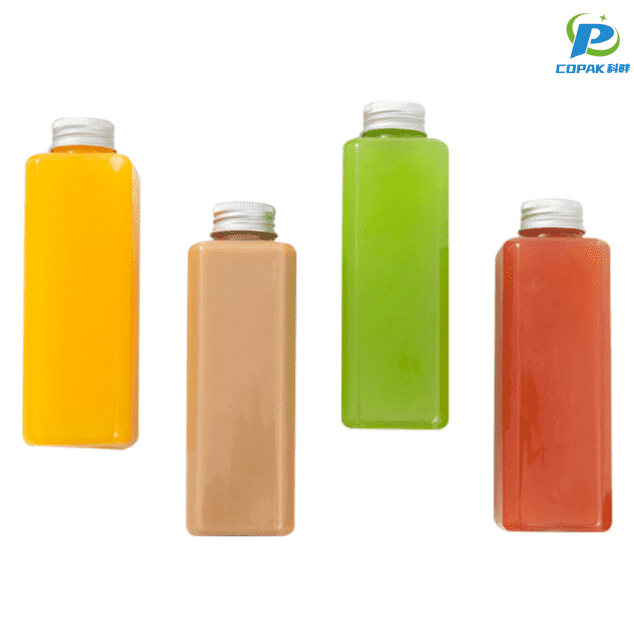
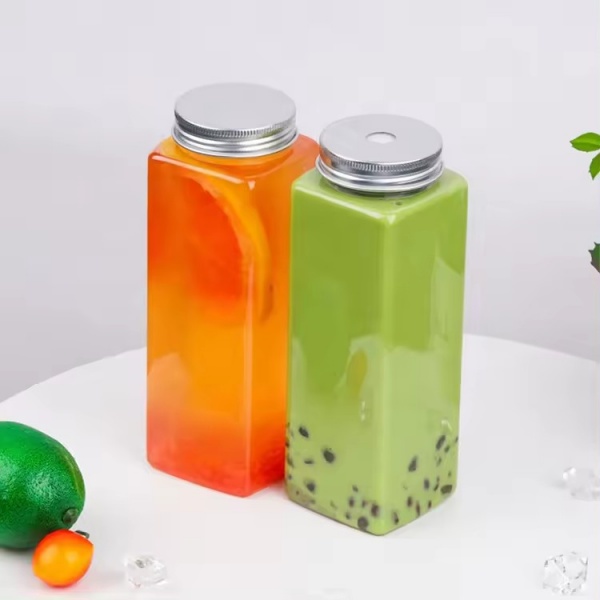
As a China-based manufacturer, I supply high-quality Juice Plastic Containers for beverage brands and retailers worldwide. Our Juice Plastic Containers are engineered for durability, light weight, and excellent sealability, ideal for cold-pressed juices, smoothies, and fortified drinks. I work directly with buyers to customize cap colors, volumes, and labeling on MOQ-friendly runs. In our factory, we use BPA-free, food-grade plastics and rigorous QA testing to ensure consistent performance from pilot runs to mass production. I offer transparent pricing, short lead times, and freight options tailored for global shipments. Whether you need OEM branding or private labeling, I can align production lines to meet your spec in China or overseas. Partners value our proactive communication, on-time delivery, and strict compliance with safety standards. If your team seeks reliable supply of Juice Plastic Containers at scale from a trusted Manufacturer, let's connect and quote within 24 hours.
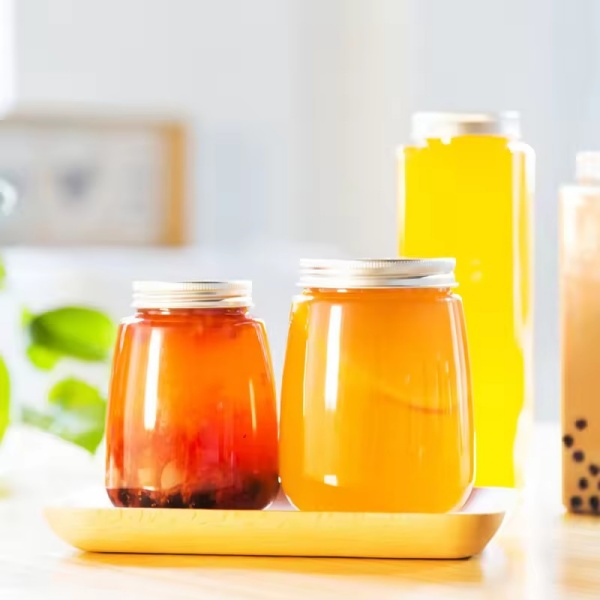

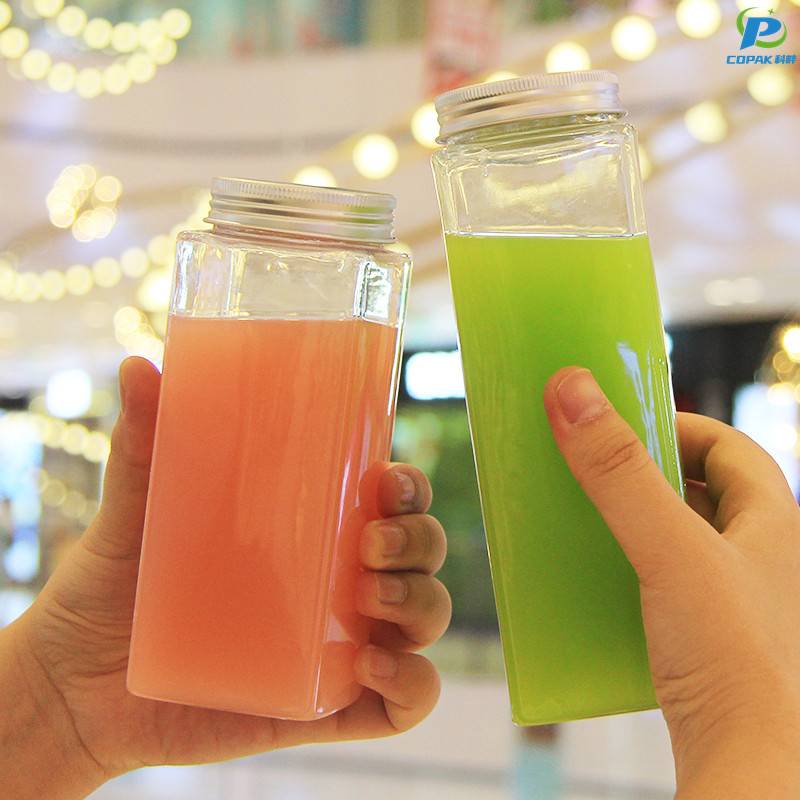
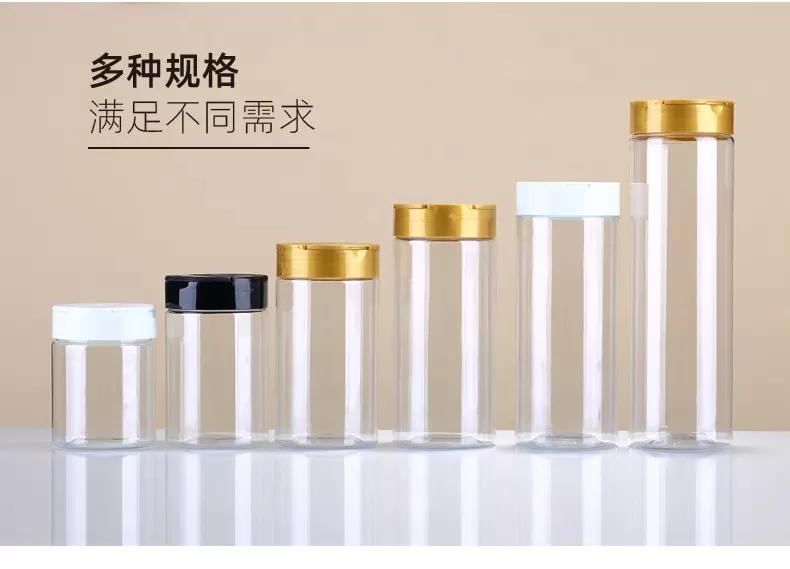
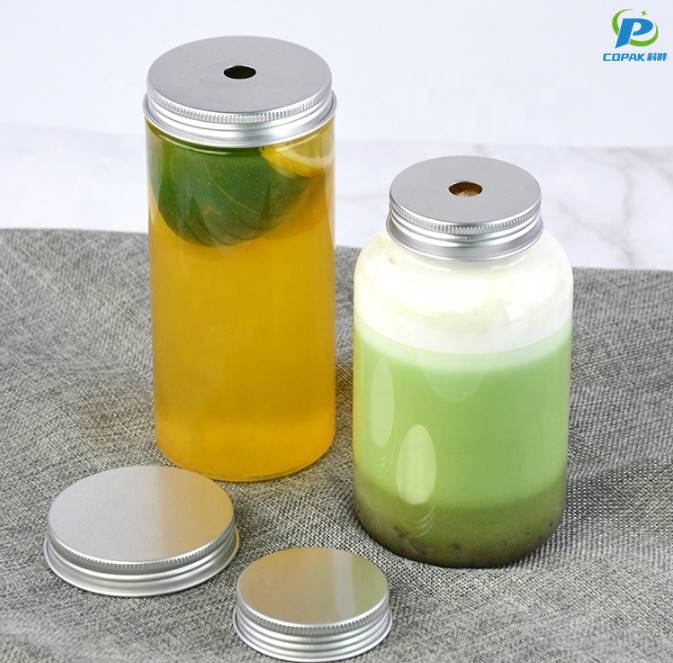
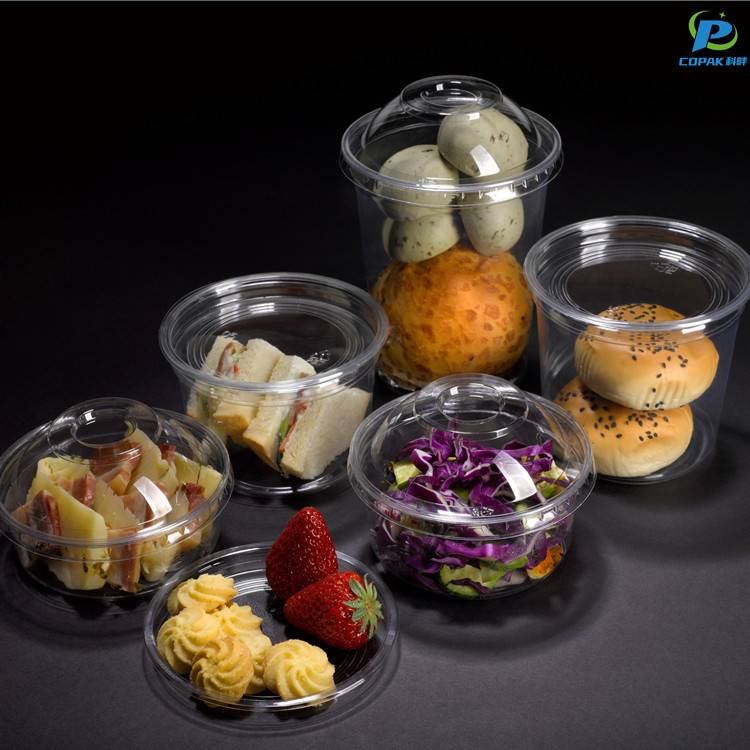
Juice Plastic Containers Winning in 2025 More Than a Supplier - A Partner
In 2025, juice plastic containers are no longer just components on a shelf — they are strategic assets that drive brand trust, shelf impact and operational efficiency. We deliver precision-engineered containers that balance attractive design, food-safe materials and optimized filling lines, helping global buyers reduce waste, lower total cost of ownership and accelerate time-to-market. Our approach goes beyond supply: we act as a collaborative partner, aligning packaging performance with your product and consumer needs. From rapid prototyping and custom decoration to scalable production and verified regulatory compliance, we support every stage of product rollout. Sustainability is embedded in material choices and lightweight designs to meet evolving retailer and consumer expectations. With responsive logistics planning, quality assurance and continuous improvement services, buyers gain predictable lead times, lower risk and measurable value — packaging that competes on the shelf and supports long-term growth.
| Material | Typical Use (juice packaging) | Density (g/cm³) | Mechanical Recycling | Chemical Recycling Potential | Industrial Compostability | Typical Recyclability Rate (global avg %) | Typical End-of-life Pathways | 2025 Segment CAGR (est.) |
|---|---|---|---|---|---|---|---|---|
| PET | Clear rigid bottles for single-serve juices and multi-serve beverage jugs | 1.38 | Yes (widely accepted in bottle streams) | High (well-suited for depolymerization/pyrolysis) | No | ~30% | Mechanical recycling → Secondary packaging; Energy recovery; Landfill | ~3.5% |
| HDPE | Opaque jugs and squeezable juice containers | 0.95 | Yes (common curbside streams) | Medium (increasing R&D for chemical routes) | No | ~30% | Mechanical recycling → Regrind for non-food uses; Energy recovery; Landfill | ~1.5% |
| PP | Bottle caps, some rigid bottles, and closures for juice lines | 0.90 | Partial (collection and sorting improving) | Medium (advanced chemical recycling viable) | No | ~10% | Sorting → Reprocessing (limited); Energy recovery; Landfill | ~2.0% |
| LDPE | Flexible pouches, spouted pouches, shrink sleeves for juice concentrates | 0.92 | Limited (film streams; collection infrastructure varies) | Medium (solutions for films via chemical recycling emerging) | No | ~10% | Material recovery in film streams; Energy recovery; Landfill | ~6.0% |
| PS (expanded/rigid) | Single-serve clear cups, some specialty trays for juice products | 1.05 | Limited (contamination and economics restrict recycling) | Medium (styrenic streams can be chemically recycled) | No | ~5% | Energy recovery; Landfill; Select chemical recycling projects | ~-1.0% |
| PLA (bio‑based) | Compostable single-serve cups and bio-based rigid containers (niche juice products) | 1.24 | No / Not compatible with conventional streams | Low (recycling routes limited today) | Yes (industrial composting required) | ~1% | Industrial composting (where available); Landfill; Incineration | ~12.0% |
| rPET (recycled PET) | Bottles and containers made with post-consumer recycled content for juice packaging | 1.38 | Yes (designed for closed-loop use when collected) | High (benefits from both mechanical and advanced chemical recycling) | No | ~30% (collection-dependent) | Closed-loop mechanical recycling; Use in beverage-grade and non-food applications | ~8.0% |
Related Products


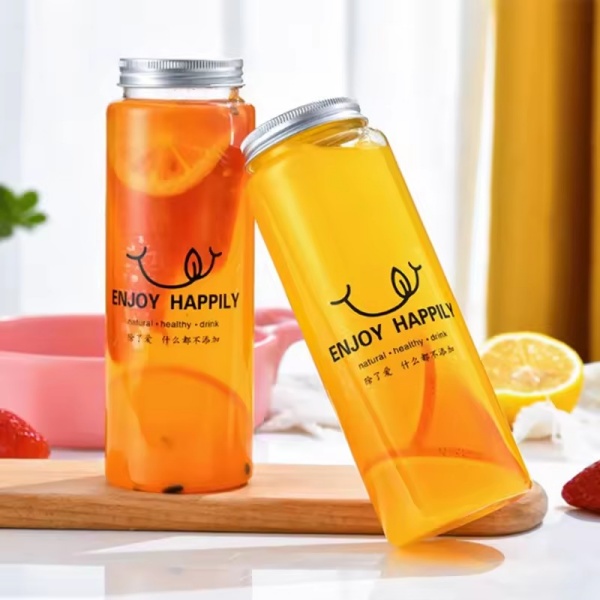
Juice Plastic Containers Manufacturer Service Backed by Expertise
Top Selling Products





- Related Blog
- Reviews
- Reviews
