



PET Cup 16oz - China Manufacturer for Food-grade Cups
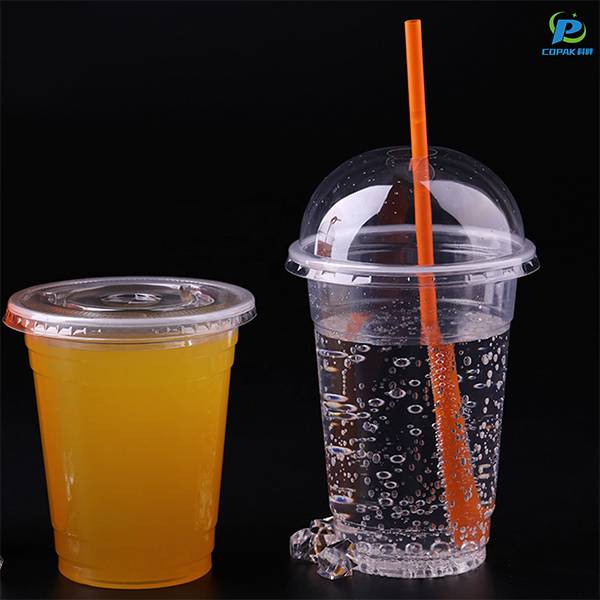
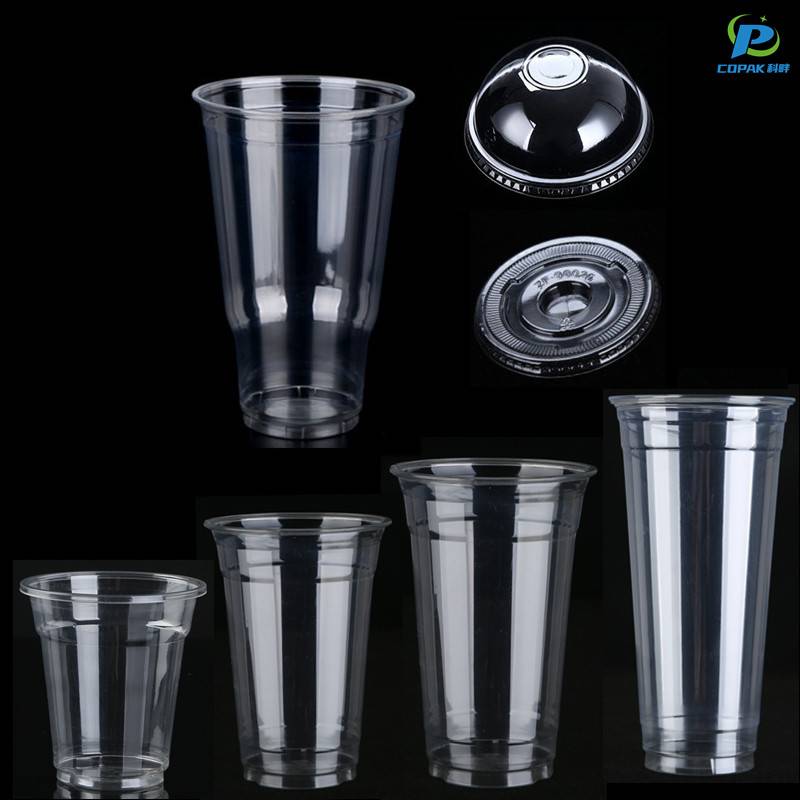
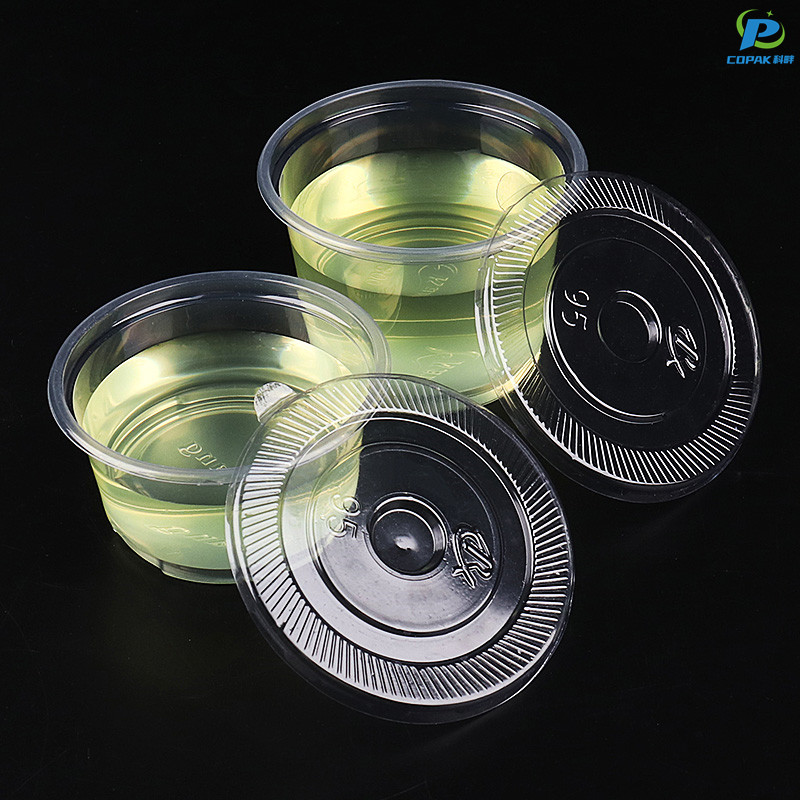
I’m a China-based PET cup Manufacturer, and I offer PET Cup 16oz that fits cafes, convenience stores, and events. The cups are clear, lightweight, and made from food-grade PET resin, BPA-free, and they meet safety standards for cold beverages. The 16oz capacity is ideal for iced coffee, smoothies, and tea, with a snug lid that helps prevent leaks during transit. We provide customization: logo printing, color lids, sleeve options, and carton labeling. MOQs are negotiable and pricing stays competitive for high-volume orders. Our China production line ensures steady supply, short lead times, and strict quality control from raw material to finished product. We ship worldwide and offer flexible packaging to save freight. If you’re a B2B purchaser looking for a reliable supplier, I’m ready to discuss volumes, pricing, and logistics to fit your business in China or overseas.




PET Cup 16oz Pioneers in the Field Your End-to-End Solution
Our PET 16oz cup sets the benchmark for clarity, food-grade safety and efficient beverage service. Manufactured in a Shanghai-based production hub, this cup offers excellent transparency, impact resistance, tight lid compatibility and lightweight transport benefits ideal for cold drinks, smoothies and iced coffee. We offer food-contact certifications and recyclable PCR PET options to meet global sustainability goals while maintaining superior barrier performance and shelf appeal for retail and foodservice applications. As an end-to-end partner we handle design, custom printing, tooling, sampling, rigorous quality control and scalable production with flexible MOQs and optimized lead times. Integrated logistics, sustainable packaging and compliance with international standards streamline sourcing for retailers, distributors and brands worldwide. Whether you require custom shapes, tamper-evident lids or co-packing, our turnkey solution simplifies procurement and ensures consistent supply from prototype to delivery.
| Attribute | Specification | Typical Range / Measured Value | Test Method / Notes |
|---|---|---|---|
| Product Type | 16 oz clear PET cup (rigid thermoformed style) | Standard 16 fl oz / 473 mL nominal | Designed for cold beverage packaging and single-use foodservice |
| Material | Polyethylene terephthalate (PET) | Amorphous / semi-crystalline grades available | Material selection influences clarity and barrier |
| Color / Transparency | Clear (transparent) | Luminous transmittance: ~90% | ASTM D1003 (Haze and Luminous Transmittance) |
| Nominal Wall Thickness | Thermoformed wall | 0.30 – 0.45 mm (nominal 0.35 mm) | Measured by micrometer across defined zones |
| Rim / Opening Diameter | Top inner diameter | ~90 mm (±0.25 mm) | Dimensional check; calipers per drawing |
| Height | Overall height end-to-end | Approximately 110 – 120 mm (typical 115 mm) | Measured per drawing tolerance |
| Weight per Unit | Mass of single cup | 8.0 – 12.0 g (typical 9.8 g) | Gravimetric measurement (single-unit balance) |
| Operating Temperature | Service temperature limits | -20°C to +60°C (not recommended for hot fill >60°C) | Application guidance; long-term heat affects deformation |
| Thermal Conductivity | Heat transfer characteristic | ~0.20 – 0.25 W·m−1·K−1 | Typical polymer literature values |
| Oxygen Transmission Rate (OTR) | Gas barrier performance | ~20 – 60 cc·m−2·day−1 (23°C, 0% RH) | ASTM D3985 — conditions and thickness-dependent |
| Moisture Vapor Transmission Rate (MVTR) | Water vapor barrier | ~0.5 – 3.0 g·m−2·day−1 (38°C, 90% RH) | ASTM F1249; depends on wall thickness and crystallinity |
| Melt Flow Index (MFI) | Processability indicator (g/10 min) | Typical 8 – 15 g/10 min (grade dependent) | ASTM D1238 — used to select processing settings |
| Manufacturing Tolerance | Dimensional tolerance for critical features | ±0.20 – ±0.30 mm (typical ±0.25 mm) | Inspection per drawing; SPC recommended |
| Typical Cycle Time | Thermoforming / forming throughput | ~3 – 8 sec per cavity (process dependent) | Cycle depends on tooling, oven, and cooling setup |
| Recommended Uses | Primary application scenarios | Cold beverages, ready-to-eat salads, cold food presentations | Avoid prolonged hot-liquid contact; use cold-fill applications |
| Food Contact Compliance | Regulatory suitability | Formulations available for compliance with EU and US food-contact requirements | Compliance demonstrated via documented material declarations and migration testing |
| Recyclability | End-of-use stream | Recyclable in PET (code 1) collection streams; clarity improves value | Suitable for mechanical recycling where collection and sorting are available |
| End-of-Life Options | Typical disposal / recovery paths | Mechanical recycling, chemical recycling (depolymerization), energy recovery | Selection depends on local infrastructure and sorting |
| Typical Lead Time | Production & delivery planning (general guidance) | Standard runs commonly 4 – 8 weeks from order to delivery (varies by volume) | Range provided for planning; actual lead time depends on tooling and order size |
| Carbon Footprint (cradle-to-gate) | Estimated GHG emissions per unit | ~35 – 55 g CO2e per cup (variation by resin source and process) | Estimated per ISO 14067; depends on recycled content and energy mix |
| Quality Control Methods | Typical QC checkpoints | Visual inspection, dimensional sampling, leak/rigidity checks, thickness profiling | Sampling plans per ISO 2859; use automated vision for high-volume runs |
Related Products
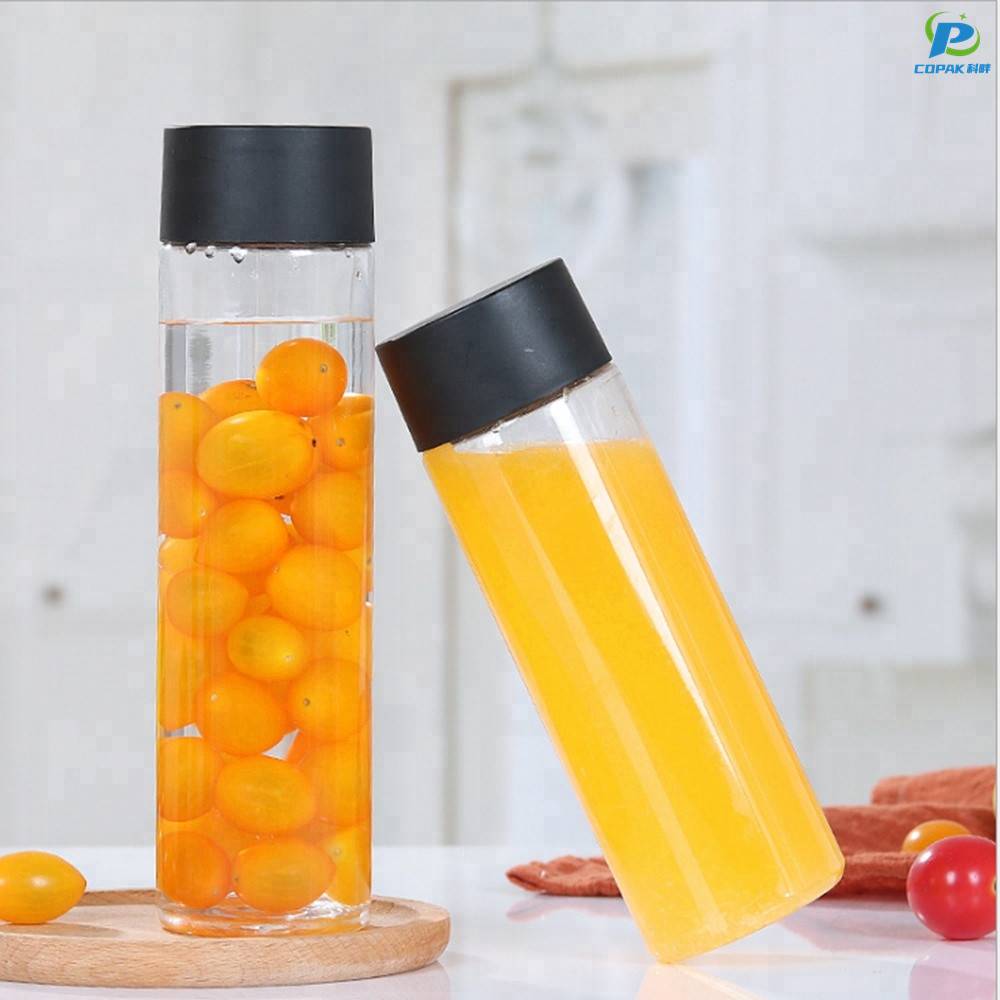


PET Cup 16oz Stands Out Winning in 2025
Top Selling Products







- Related Blog
- Reviews
- Reviews
