



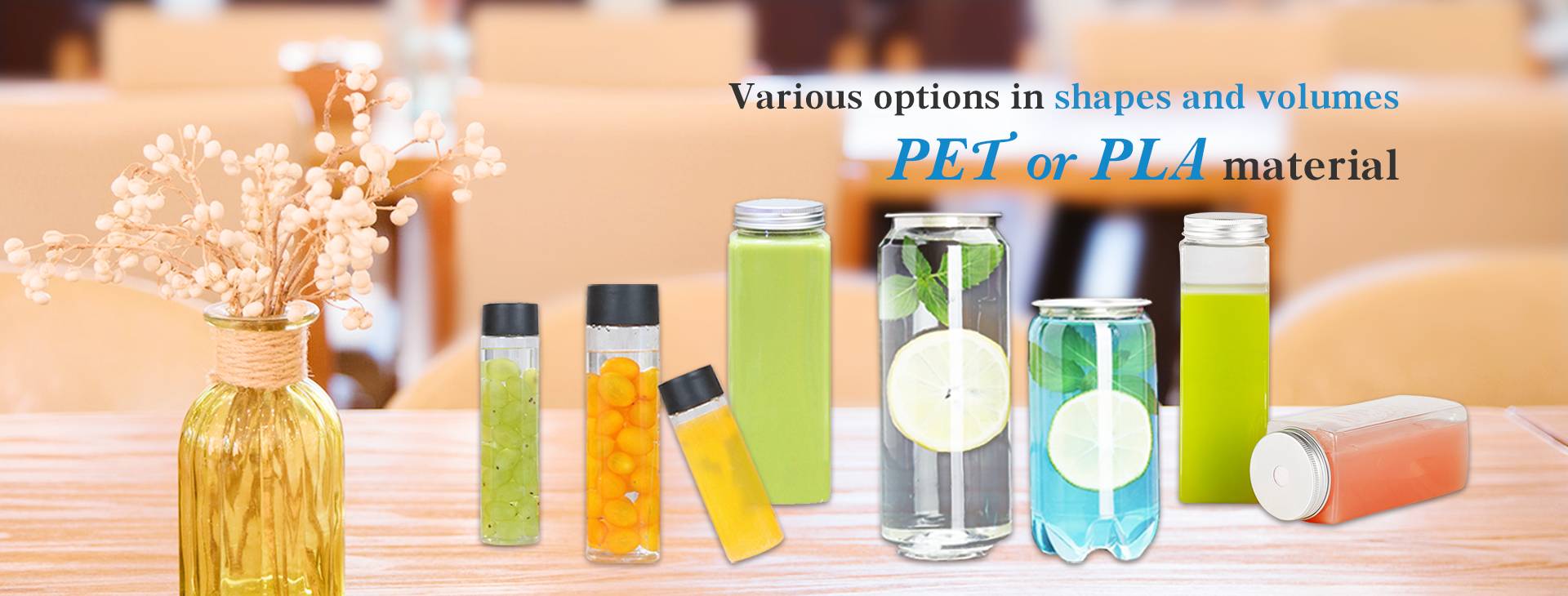
250ml Plastic Juice Bottles - China Manufacturer for Food Packaging
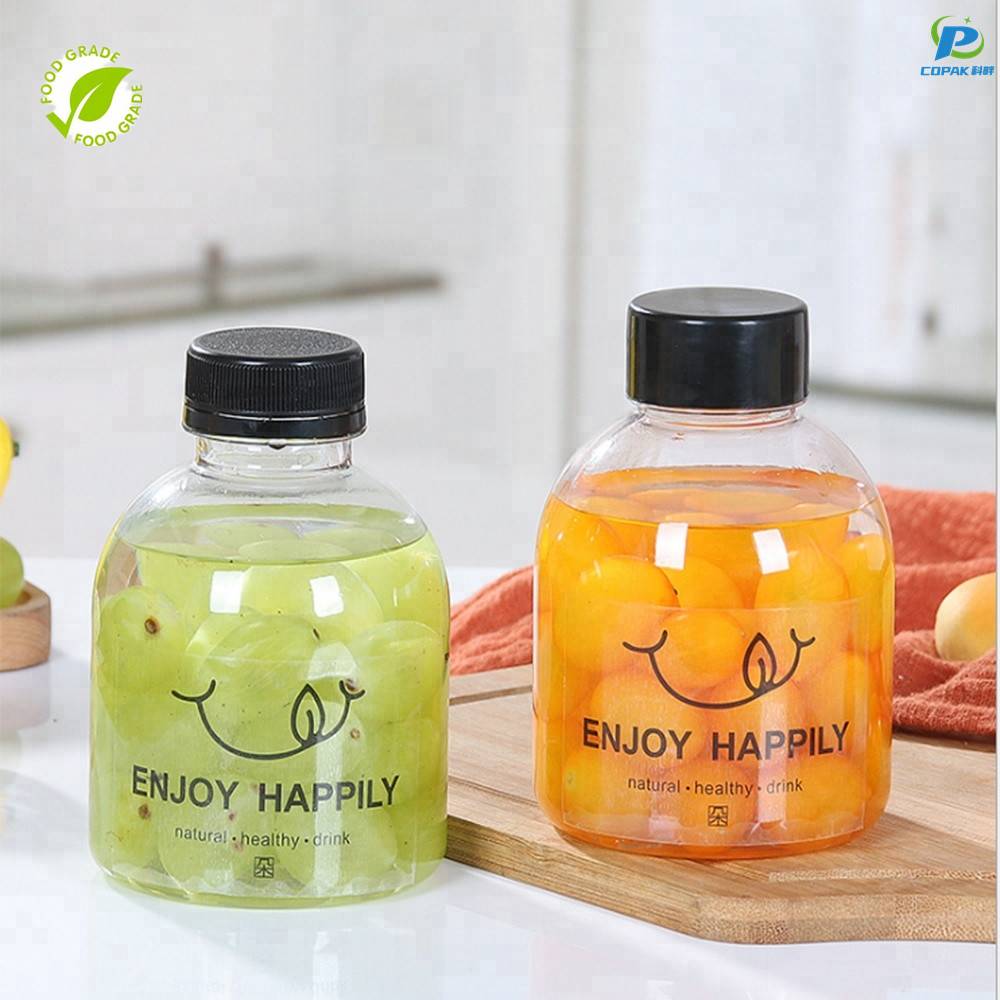
As a China-based Manufacturer, I supply 250ml Plastic Juice Bottles that blend durability with lightweight design for beverages, sauces, and health drinks. Our bottles are made from food-grade PET, with tamper-evident caps, smooth walls for easy labeling, and stackable shapes to reduce logistics costs. I know B2B buyers look for uniform sizing, consistant wall thickness, and clear branding options; that's why we offer tight tolerance caps and customizable labeling. For shipments, we provide recyclable packaging and MOQs suitable for manufacturers and distributors. Whether you need plain bottles for your own brand or tailored color options, I can meet your volume requirements, fast lead times, and competitive pricing. Based in China, we have tight supply chain control and responsive after-sales support—so you can rely on steady supply and a partner who understands your market.

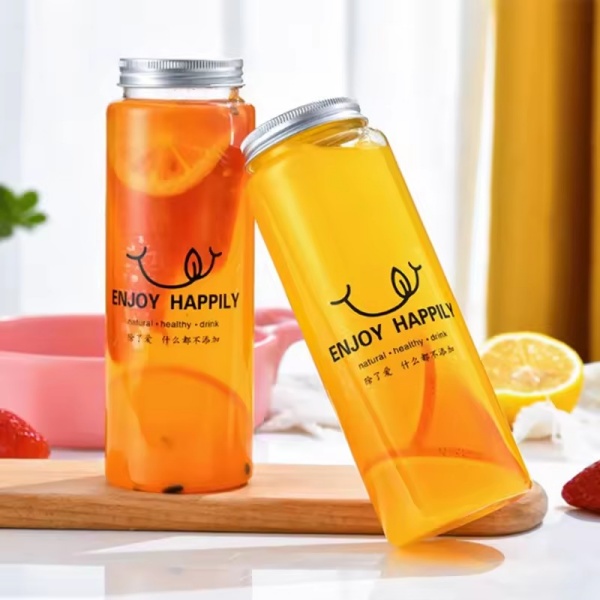
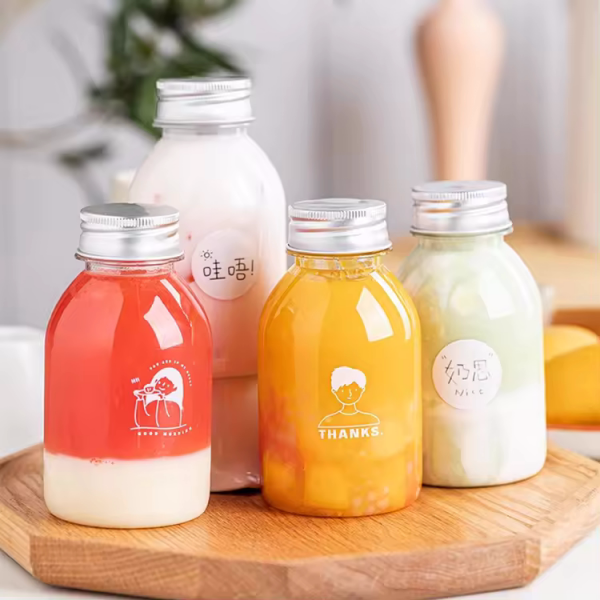
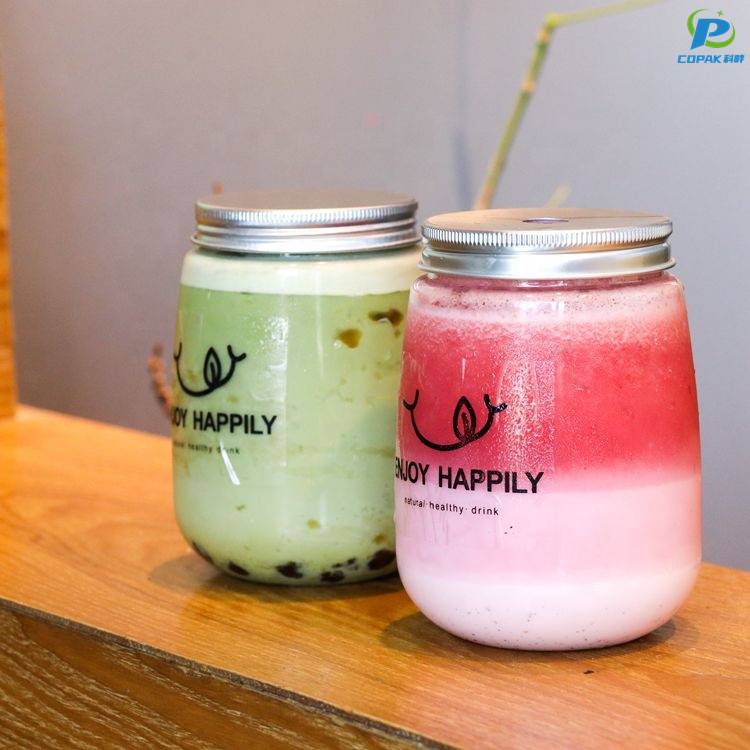
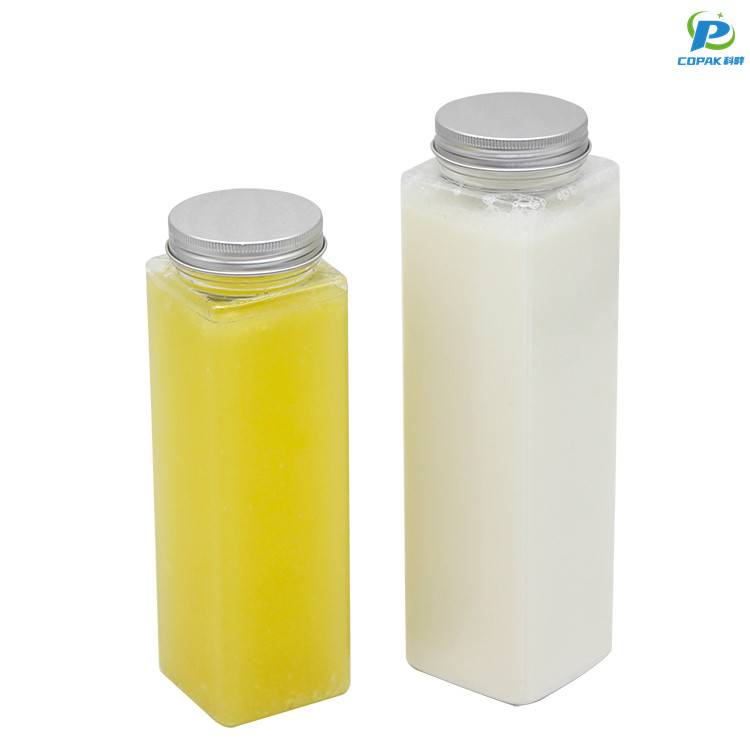
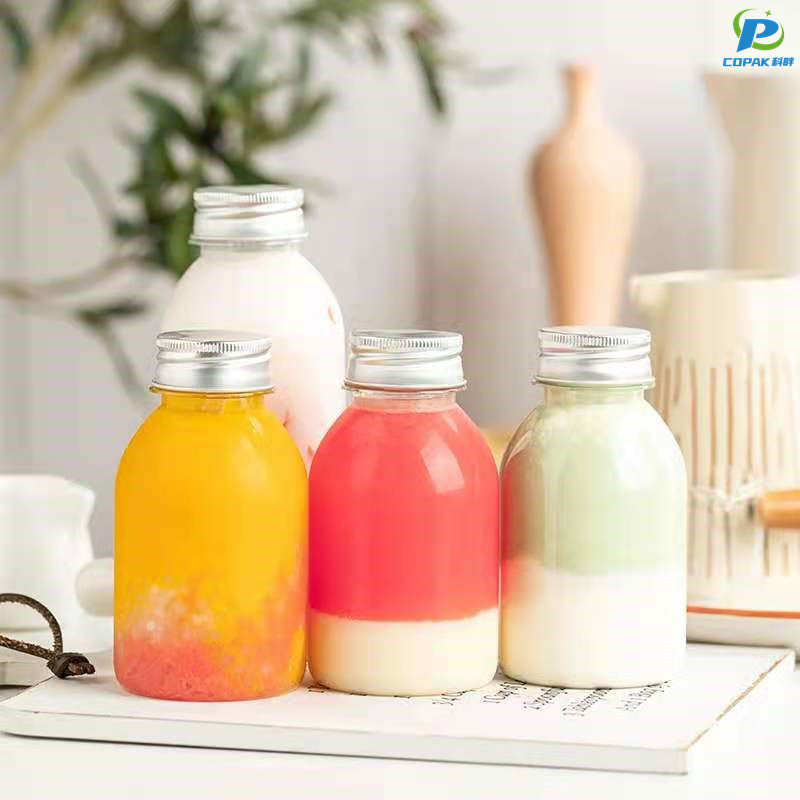
250ml Plastic Juice Bottles Industry Giant Service Backed by Expertise
Compact 250ml plastic juice bottles combine practicality and brand appeal for global beverage suppliers. Precision-molded from food-grade PET, they deliver clarity, lightweight transport savings, tamper-evident sealing and excellent shelf-life performance. Options for rPET, barrier coatings, child-resistant caps, and custom neck finishes allow buyers to balance sustainability, cost and functionality while meeting international food-safety expectations and traceable quality control throughout production. Backed by seasoned manufacturing and export expertise, the service model focuses on predictable lead times, flexible MOQs, OEM/ODM customization, strict incoming/outgoing inspections and coordinated global logistics to minimize risk. Technical support for label design, shrink-sleeve application and line-fill parameters helps accelerate market entry. For beverage brands and distributors seeking reliable supply of 250ml juice bottles, this combination of product versatility and export-focused service ensures scalable, cost-effective sourcing worldwide.
| Parameter | Typical Value | Notes / Measurement |
|---|---|---|
| Physical & Dimensional | ||
| Nominal capacity | 250 mL | Standard fill volume used across beverage lines. |
| Usable fill range (production tolerance) | 245 – 255 mL (±2%) | Typical tolerance accounting for filling system variation; verified by gravimetric tests. |
| Bottle weight (typical, PET) | 14 – 18 g | Lightweight designs commonly in this range for 250 mL; varies with base and neck finish. |
| Neck finish / Closure | 28 mm PCO-style / Screw cap (PP) | Tamper-evident band and tamper ring commonly used for juice applications. |
| Material & Barrier | ||
| Primary material | PET (Polyethylene Terephthalate) | Widely used for clarity, strength and lightweight properties in juice packaging. |
| Recycled content (PCR) | Commonly 10% – 30% | Depends on supply chain and regulatory requirements; higher PCR reduces cradle-to-gate emissions. |
| Barrier performance | Moderate; can be enhanced | Standard PET has limited oxygen barrier for long ambient shelf life; multilayer or coatings (EVOH, barrier-coated PET) used when needed. |
| Manufacturing & Throughput | ||
| Typical manufacturing process | Injection moulded preforms + ISBM (Stretch Blow Moulding) | Preforms produced by injection moulding; preforms reheated and stretch-blown to final bottle shape. |
| Production throughput (single line) | 8,000 – 24,000 bottles / hour | Depends on machine model, cavity count, cycle time and automation level. |
| Typical lead time for bulk runs | 6 – 14 weeks | From order confirmation to finished goods (varies with capacity scheduling and customization). |
| Filling, Storage & Shelf Life | ||
| Hot-fill compatibility | Requires heat-set PET or specialized design | Non-heat-set PET can deform under prolonged high-temperature fills; heat-set or alternative materials recommended for >70°C fills. |
| Shelf life (juice) | Pasteurized, refrigerated: 7–14 days; Aseptic shelf-stable: 6–12 months | Depends on formulation, barrier, and pasteurization/aseptic processes. |
| Recommended storage & transport temperature | Refrigerated: 0–4°C; Ambient: 20–25°C (for shelf-stable) | Avoid prolonged exposure to >35°C to prevent product degradation and container distortion. |
| Quality & Testing | ||
| Volume accuracy (filling) | ±1 – 2% typical | Monitored with gravimetric or volumetric checks on production lines. |
| Seal integrity tests | Vacuum, torque, and leak testing | Common QA tests include vacuum decay, pressure decay, cap torque verification and visual inspection. |
| Cap torque (recommended) | 1.5 – 3.0 N·m | Depends on closure design, liner type and shelf-life requirements; verified on torque testers. |
| Regulatory & Sustainability | ||
| Food contact standards | FDA 21 CFR / EU Regulation (e.g., 10/2011) | Materials and additives must comply with applicable regional food contact regulations. |
| Recycling & end-of-life | PET is widely recyclable | Collection and recycling rates vary by region; design for recyclability (mono-PET) improves circularity. |
| Typical cradle-to-gate GHG (per bottle) | ~0.02 – 0.04 kg CO2e / 250 mL bottle | Estimate for PET bottle production; decreases with higher PCR content and renewable-energy inputs. |
| Labelling & Customization | ||
| Common labeling methods | Shrink sleeve, pressure-sensitive, direct printing | Choice depends on decoration area, barrier needs and marketing requirements. |
| Color / clarity options | Clear (most common), light tint, custom tinting | Additives and masterbatches used to achieve tint; clear PET maximizes recyclability. |
| Typical customization lead time (decor & tooling) | 2 – 8 weeks additional | Depends on artwork approval, tool changes, and label/sleeve production schedules. |
Related Products
22oz 660ml empty ketchup Mustard Mayo Salad sauce squeeze bottle PET Sauce packing Plastic Bottles
Read More


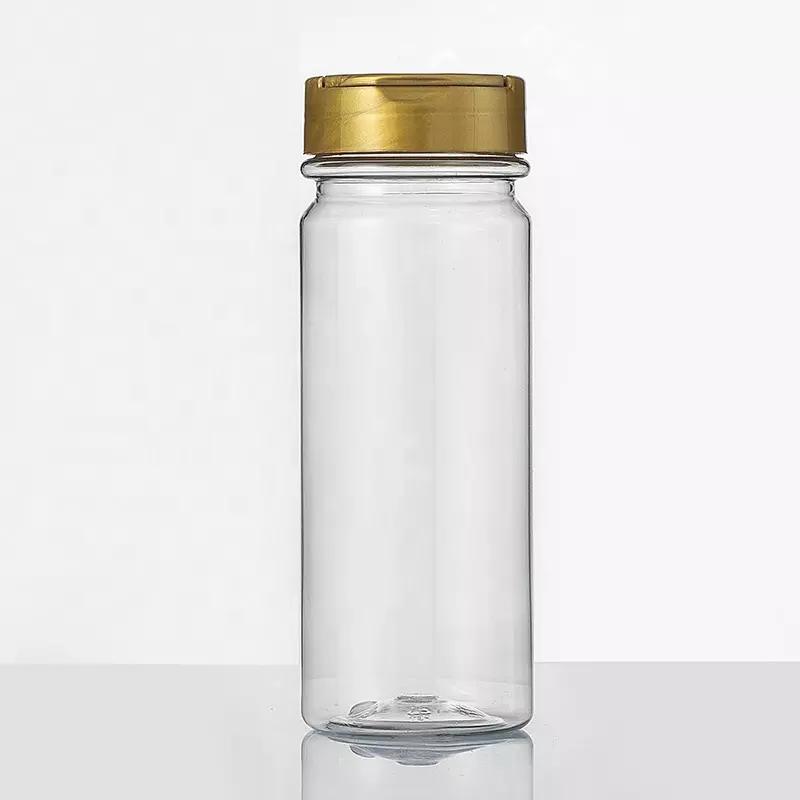

250ml Plastic Juice Bottles Manufacturer Supplies the World\u2019s Top Brands
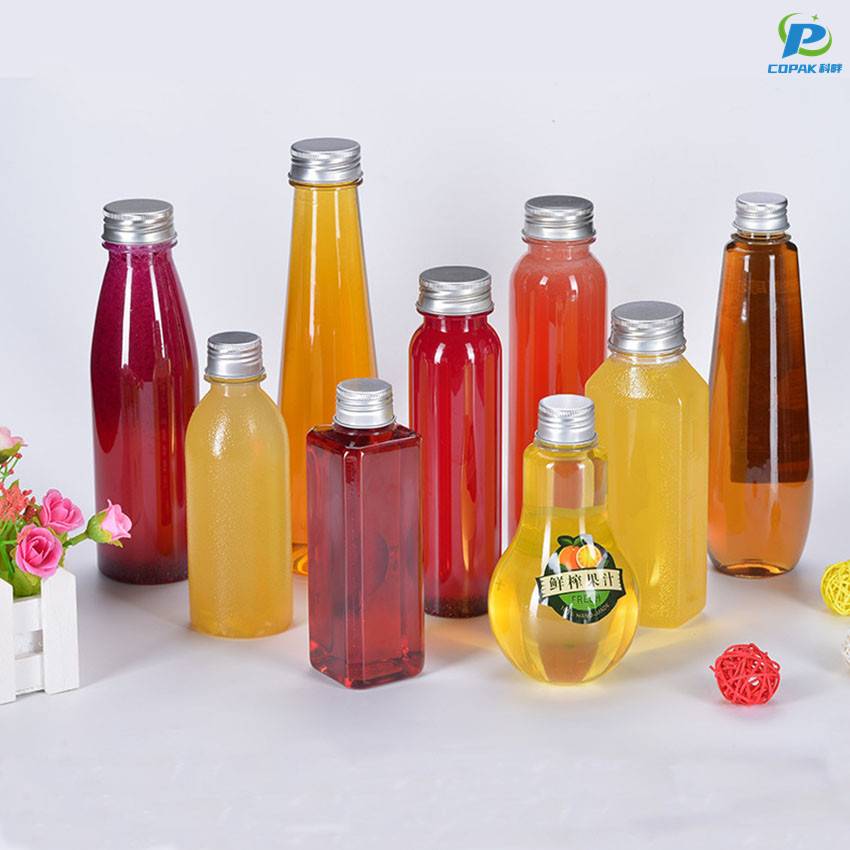
Top Selling Products




- Related Blog
- Reviews
- Reviews
