



Juice Bottles With Lids - China Manufacturer for Quality Bottles
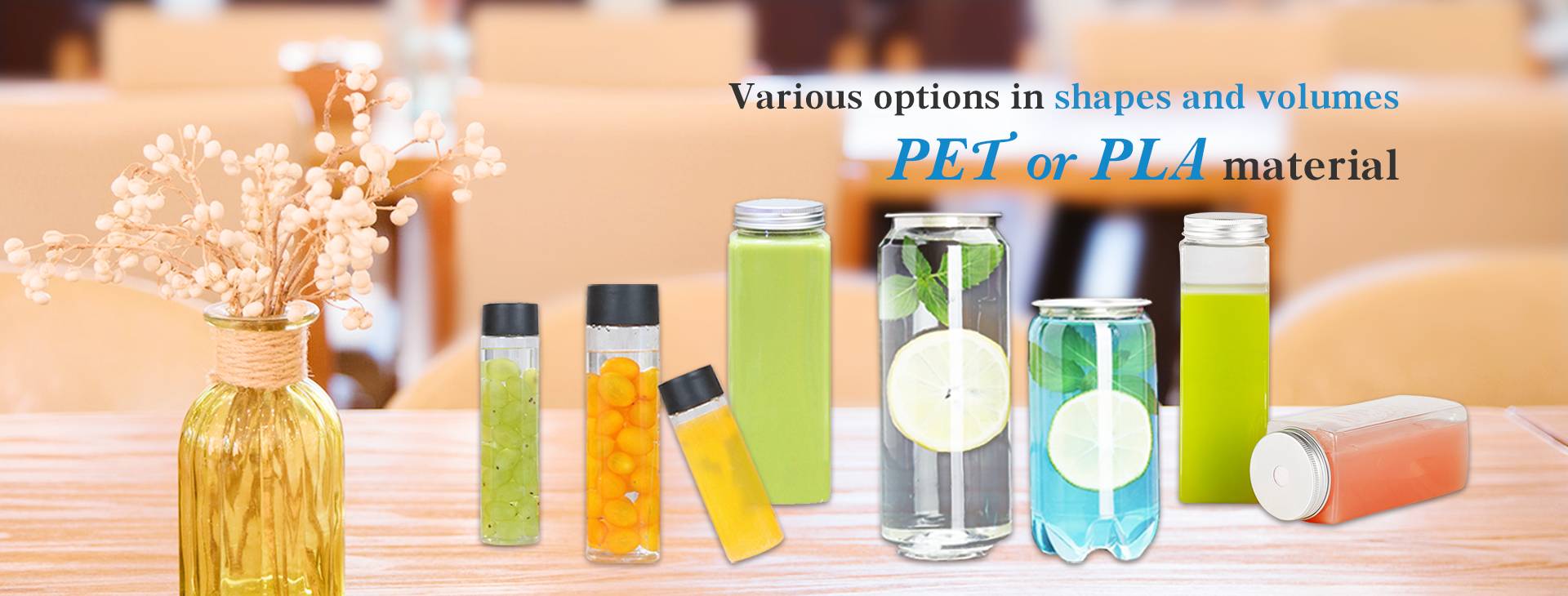
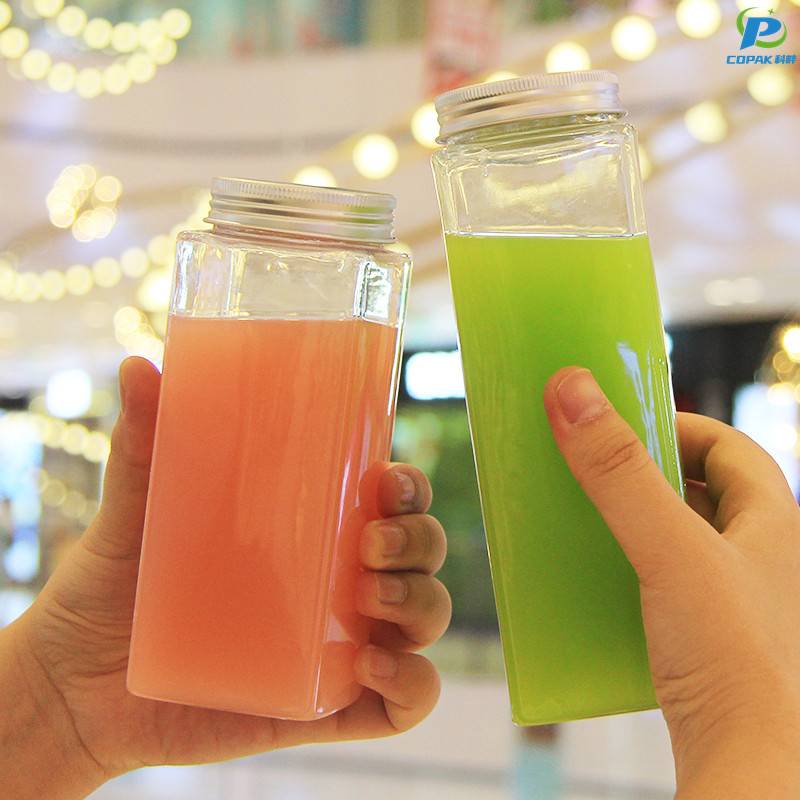
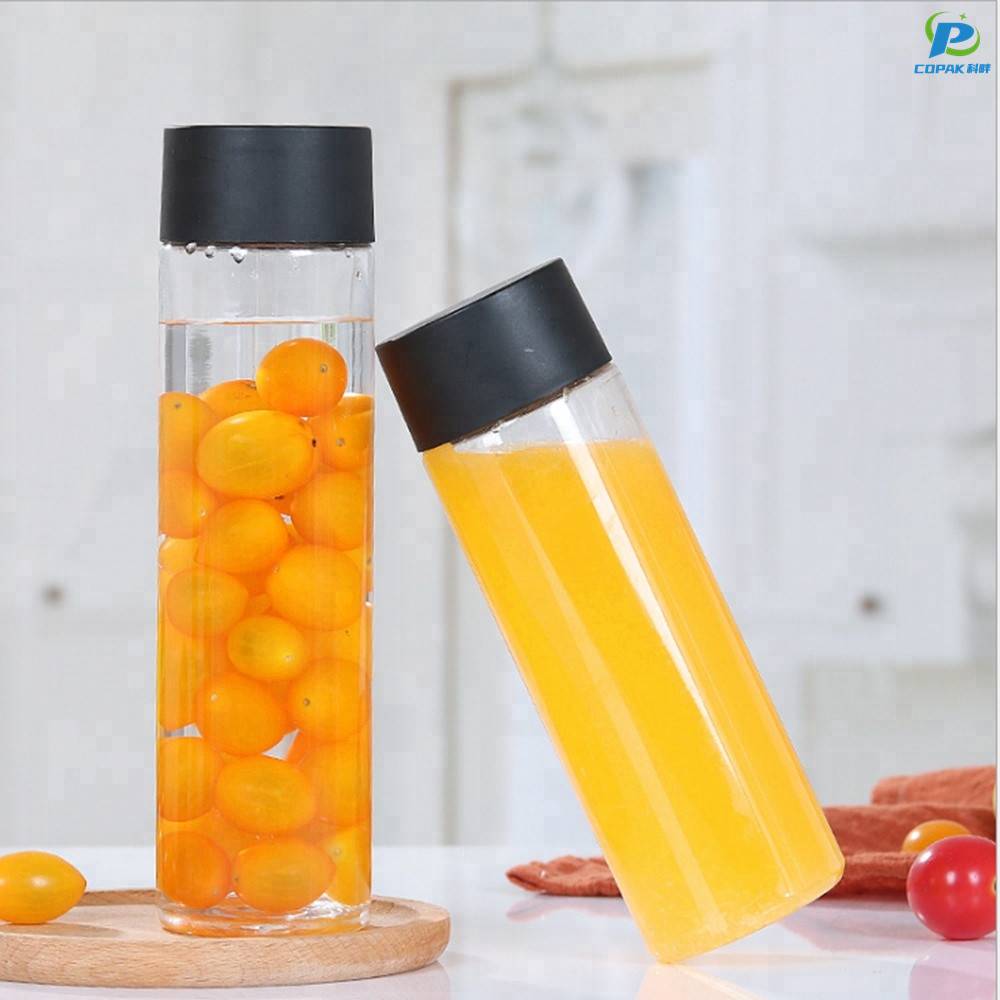
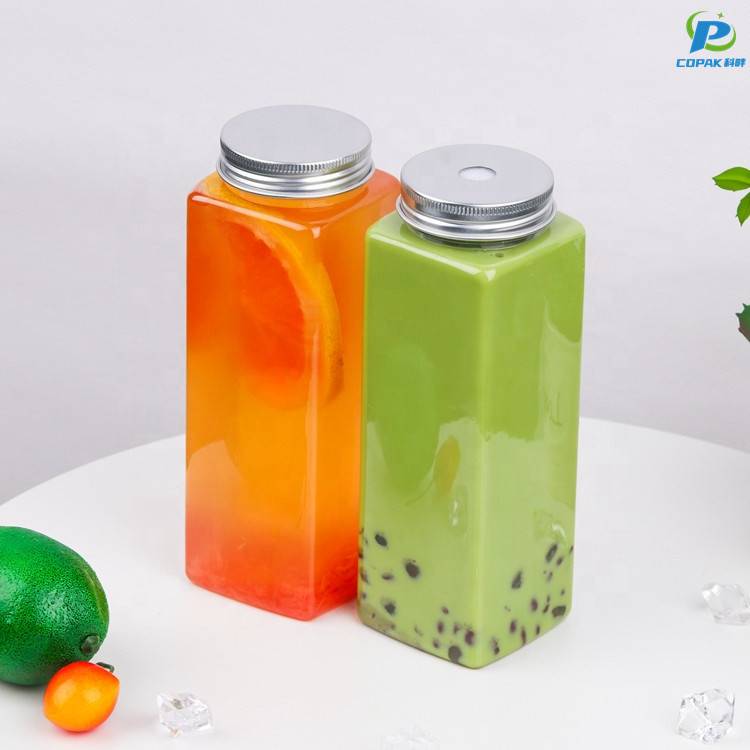
From our factory in China, I supply Juice Bottles With Lids that meet the demands of serious distributors and brand owners. As a Manufacturer, I understand you hunt for consistent quality, fast sampling, and competitive terms. My bottles are PET, BPA-free, with screw-on or flip-top lids, leak-proof and UV-resistant. Sizes range from 50 ml to 1000 ml, fit for juices, smoothies, or flavored waters. They are tamper-evident, stackable, and easy to label. I offer customization: logo printing, cap colors, neck finishes, and packaging artwork guidance. MOQ is flexible and lead times are short. I provide QC on every batch and can arrange CIF or DDP logistics to help you ship worldwide, especially if you’re sourcing from China or abroad. Trust me as your packaging partner for reliable, cost-effective solutions that protect your product from factory to shelf.


Juice Bottles With Lids Sets the Industry Standard Your End-to-End Solution
Our juice bottles with precision-fit lids set the industry standard by combining food-safe materials, tamper-evident closure systems, and leakproof performance tailored for every production method—from cold-pressed and pasteurized to aseptic and hot-fill lines. Available in multiple capacities, neck finishes and finishes (clear, frosted or colored), they deliver excellent barrier properties, stackability and branding-ready surfaces while meeting global safety standards. As an end-to-end solution, we support product design, prototyping, tooling, molding, custom printing or labeling, filling-line compatibility checks, rigorous QC and scalable packaging and logistics. Compliant with international certifications and optimized for recyclability, these turnkey offerings simplify sourcing, reduce risk and speed time-to-market for global buyers—reach out to discuss specifications, samples and supply options.
| Model | Capacity (mL) | Body Material | Lid Style | Lid Material | Height (mm) | Diameter (mm) | Empty Weight | Fill Temp Range | Compatible Food Types | Leak-Test Pass Rate | Oxygen Transmission Rate (OTR) | Recyclability | Sterilization Method | Recommended Torque | Filling Line Speed (bpm) |
|---|---|---|---|---|---|---|---|---|---|---|---|---|---|---|---|
| JB-200 | 200 | PET | Screw cap (tamper-evident) | PP with silicone gasket | 125 | 56 | 16 g | -5 to 40 °C | Clear fruit juices, flavored water | 99.8 % | 22 cc/m²/day | 95 % | UV or chemical (peracetic acid); not autoclave | 18 N·cm | up to 130 |
| JB-330 | 330 | PET | Sports cap (push-pull) | PP with water-seal valve | 170 | 66 | 24 g | -5 to 45 °C | Fruit juices, low-pulp smoothies | 99.9 % | 18 cc/m²/day | 95 % | UV / chemical sanitation; hot-fill not recommended | 20 N·cm | up to 110 |
| JB-500 | 500 | Heat-set PET | Wide-neck screw cap | PP with foam liner | 200 | 75 | 32 g | Up to 85 °C (hot-fill capable) | Pulp juices, hot-fill products | 99.95 % | 15 cc/m²/day | 95 % | Hot-fill pasteurization compatible; chemical sanitation | 25 N·cm | up to 90 |
| JB-750G | 750 | Soda-lime glass | Screw cap (lined) | PP with heat-resistant liner | 245 | 82 | 420 g | Up to 95 °C (retort/autoclave compatible) | Hot-fill juices, concentrates, particulate smoothies | 99.99 % | 0 cc/m²/day | 100 % | Autoclave / retort; glass-friendly pasteurization | 30 N·cm | up to 60 |
| JB-1000HD | 1000 | HDPE | Flip-top with tamper band | HDPE with silicone valve | 260 | 90 | 110 g | -5 to 80 °C | Smoothies, pulpy juices, plant-based milks | 99.7 % | 30 cc/m²/day | 90 % | Chemical sanitation; not autoclave unless specified | 28 N·cm | up to 50 |
Related Products


Juice Bottles With Lids Factory Is The Best
Top Selling Products





- Related Blog
- Reviews
- Reviews
