



Biodegradable Food Container - China Manufacturer
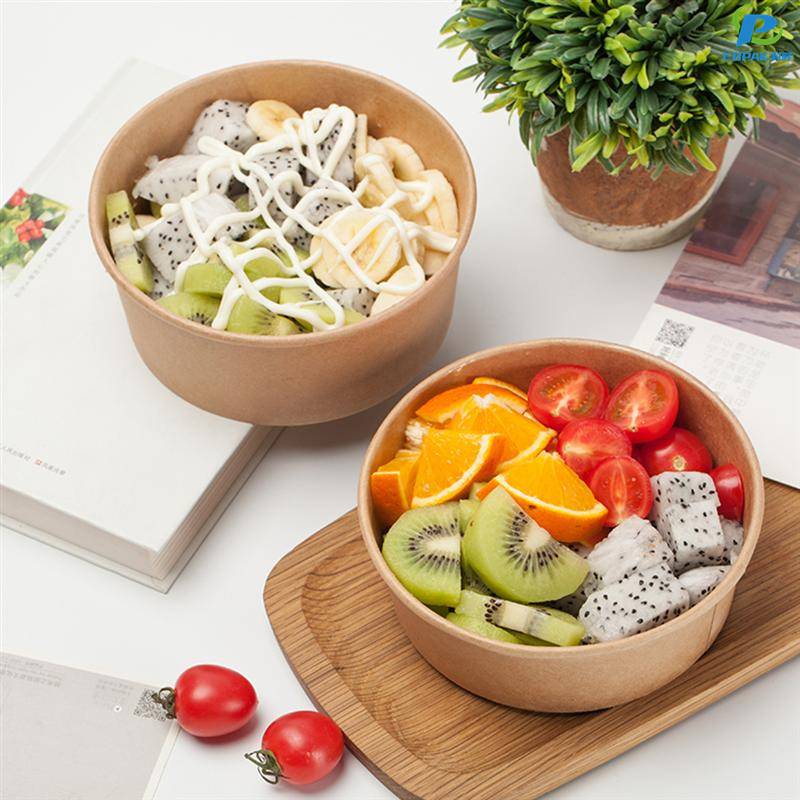
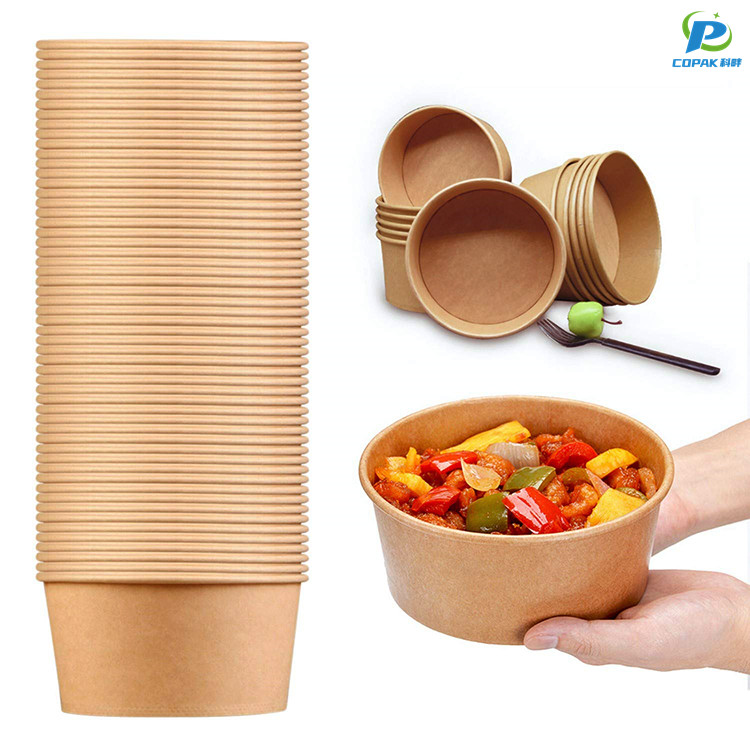
From my desk I supply Biodegradable Food Container solutions to foodservice and retail partners. As a China-based Manufacturer, I understands the urgency of quality, price, and prompt delivery. Our Biodegradable Food Container is made from plant-based materials and designed for everyday use without compromising safety. It is sturdy, leak-resistant, and suitable for cold or warm meals, helping you cut plastic waste while protecting your brand image. We offer bulk pricing, customizable printing, and flexible packaging options to meet your order sizes and lead times. I can ship worldwide, with clear documentation and compliance to food-contact standards. Partnering with me means you get a reliable supplier who communicates in plain terms, ships on time, and stands behind every box. If you’re expanding a sustainable product line, I’m ready to tailor dimensions, lids, and stackability to fit your menu and shelves.




Biodegradable Food Container Supplies the World\u2019s Top Brands More Than a Supplier - A Partner
Leading global brands choose biodegradable food containers that act as partners in sustainability and supply-chain excellence, not just vendors. We combine proven manufacturing scale, rigorous quality control and compliance with leading international compostability and food‑safety standards to deliver consistent, food‑grade products made from renewable materials. Flexible design and material options—from molded fiber to plant‑based polymers—enable lightweight, durable, and fully compostable solutions tailored to diverse markets and regulatory environments. As a strategic partner to procurement teams worldwide, we offer collaborative product development, custom branding and packaging, reliable lead times, transparent traceability and responsive logistics to support seasonal peaks and global rollouts. Our cost-effective sourcing, continuous R&D and commitment to circularity help brands meet consumer demand for responsible packaging while protecting margins and reducing environmental impact. Choose a partner focused on long‑term performance, compliance and sustainability.
{ Biodegradable Food Container Supplies the World’s Top Brands More Than a Supplier - A Partner}
| Product Family | Primary Material | Certified Compostability | Typical Compost Time (Industrial / Home) | Compatible Disposal Streams | Food Safety Grade | Heat Resistance (°C) | Recycled Content (%) | Typical Unit Weight (g) | Carbon Footprint Reduction vs PET (%) | Scalability |
|---|---|---|---|---|---|---|---|---|---|---|
| Bagasse Clamshell | Sugarcane bagasse (post-extraction fiber) | EN 13432, ASTM D6400, OK Compost INDUSTRIAL | Industrial: 45–90 days / Home: 90–180 days | Industrial composting, home composting (climate dependent), limited anaerobic digestion | Food-contact safe (food-grade production) | Up to 100–120 | 0–10 | ~80 (standard clamshell) | ~60–80 | High (global manufacturing hubs) |
| PLA Cold Cup | PLA (polylactic acid, plant-derived) | ASTM D6400, EN 13432, BPI (selected grades) | Industrial: 60–120 days / Home: not readily compostable | Commercial/industrial composting facilities | Food-contact approved formulations | Up to 50–60 | 0–5 | ~12 (single cold cup) | ~30–50 | Moderate–High (regional supply chains) |
| Molded Fiber Tray | Recycled paper pulp / molded fiber | EN 13432; many variants are home-compostable | Industrial: 30–60 days / Home: 45–120 days | Home & industrial composting; paper recycling if uncoated | Food-contact compliant with barrier options | Up to 120 | 40–80 | ~120 (typical tray) | ~70–85 | High (well-established global supply) |
| Palm Leaf Plate | Pressed fallen palm leaves (natural) | EN 13432, OK Compost (many manufacturers) | Industrial: 60–90 days / Home: 60–120 days | Home & industrial composting | Natural food-contact material | Up to 180–220 | 0 | ~75 (medium plate) | ~80–90 | Moderate (regionally concentrated production) |
| Bamboo Utensils | Bamboo (fast-growing natural fiber) | Biodegradable/compostable (some products certified) | Industrial: 45–90 days / Home: 60–180 days | Home & industrial composting | Natural food-contact material | Up to 120–150 | 0 | ~8 (spoon/fork) | ~85–95 | Moderate (growing global demand) |
| Compostable Film Liner | PLA/starch blends (bio-based films) | ASTM D6400, EN 13432 (select formulations) | Industrial: 60–120 days / Home: limited (select blends) | Industrial composting; compostable collection programs | Food-contact grades available | Up to 80–100 | 0–10 | ~2–8 (thin liners) | ~40–60 | Moderate (dependent on composting infrastructure) |
| Paperboard Windowed Container | Paperboard + compostable cellulose/PLA window | EN 13432, BPI (when window is compostable) | Industrial: 60–120 days / Home: 90–180 days | Industrial composting; paper recycling if window removed | Food-contact safe (certified options) | Up to 100 | 30–70 | ~120 (average container) | ~50–75 | High (wide paperboard supply chains) |
Related Products


Biodegradable Food Container For the Current Year Pioneers in the Field
Top Selling Products





- Related Blog
- Reviews
- Reviews
