The Exponential Rise of Canned Coffee in the Travel and Camping Economy
The global ready-to-drink (RTD) coffee market has experienced a transformative paradigm shift over the past half-decade. Historically confined to urban grab-and-go convenience stores, RTD beverages—particularly canned coffee for travel and camping—have firmly integrated into outdoor lifestyle culture, van life communities, backpacking expeditions, and remote glamping retreats. As outdoor recreation accelerates globally, consumer demand has pivoted decisively toward convenient, stable, and high-performance packaging solutions that eliminate the need for cumbersome brewing gear like manual grinders, French presses, or open-flame kettles in delicate wilderness ecosystems.
Industrial Engineering & Barrier Preservation in Outdoor Packaging
A major technical barrier in delivering canned specialty coffee—such as nitro cold brews, flash-brew single origins, and creamy oat milk lattes—to rugged outdoor environments is chemical degradation caused by ultraviolet (UV) radiation, ambient temperature fluctuations, and oxygen ingress. Specialty coffee contains delicate volatile aromatic compounds and lipid structures that quickly oxidize when exposed to air, resulting in sour, stale, or flat flavor profiles.
To conquer this hurdle, modern food-grade polymer manufacturing utilizes advanced molecular alignment techniques and specialized oxygen-scavenging barrier additives within PET and PLA matrices. When combined with automated hermetic Easy Open Ends (EOE), these cans maintain positive internal nitrogen pressures. This inert nitrogen flush not only preserves the crema, delicate acidity, and micro-bubble mouthfeel of cold brew coffee, but it also fortifies the structural rigidity of the polymer walls, preventing crushing inside tightly packed hiking backpacks.
Key Performance Metrics for Wilderness-Ready Coffee Packaging
- Hermetic Seal Integrity: Seamless double-seaming technology on 202# and 206# aluminum ends prevents leakage at high altitudes and during rigorous physical transit.
- Impact Resistance: Shatter-resistant PET resins eliminate dangerous broken-glass hazards around campsites and remote trailheads.
- Thermal Adaptability: Engineered to withstand rapid chilling in alpine streams or portable cooler ice baths without loss of seal adhesion or structural deformity.
- Featherweight Optimization: Maximizes fluid-to-tare ratio, allowing mountaineers and travelers to carry essential hydration and caffeine without deadweight penalties.
In-Depth Scenario Analysis: Canned Coffee Across Outdoor Applications
The utility of canned coffee spans diverse consumer personas and extreme operational scenarios. Examining these use-cases highlights the precise specifications required across the supply chain:
1. Fast-and-Light Alpine Backpacking & Thru-Hiking
For long-distance hikers covering 20+ miles a day, weight-to-calorie-and-stimulant ratio is vital. Traditional brewing requires a stove, fuel canister, water surplus, and coffee equipment. Pre-packaged 250ml or 330ml high-strength cold brew in ultra-thin PET cans allows instant morning elevation without stove setup, conserving fuel for evening thermal meals.
2. Overlanding, 4x4 Expeditions & Van Life
Overland expeditions subject cargo to continuous vibrations and mechanical shocks across rocky terrain. Standard glass bottles frequently crack under cross-axle articulation and rough washboard roads. Sealed PET coffee pop cans survive extreme kinetic jolts while fitting compactly in vehicle 12V compression fridges.
3. Ecotourism, Glamping, and Festival Hospitality
Luxury outdoor resorts and open-air music festivals demand aesthetic sophistication coupled with strict glass-free safety regulations. Crystal-clear PET cans and custom-branded cups provide the visual appeal of modern craft beverage culture while ensuring 100% compliance with venue safety mandates.
Comprehensive Product Specifications & Compatibility Matrix
| Packaging Architecture | Available Capacities | Material Formulation | Recommended Coffee Application | Sealing Mechanism |
|---|---|---|---|---|
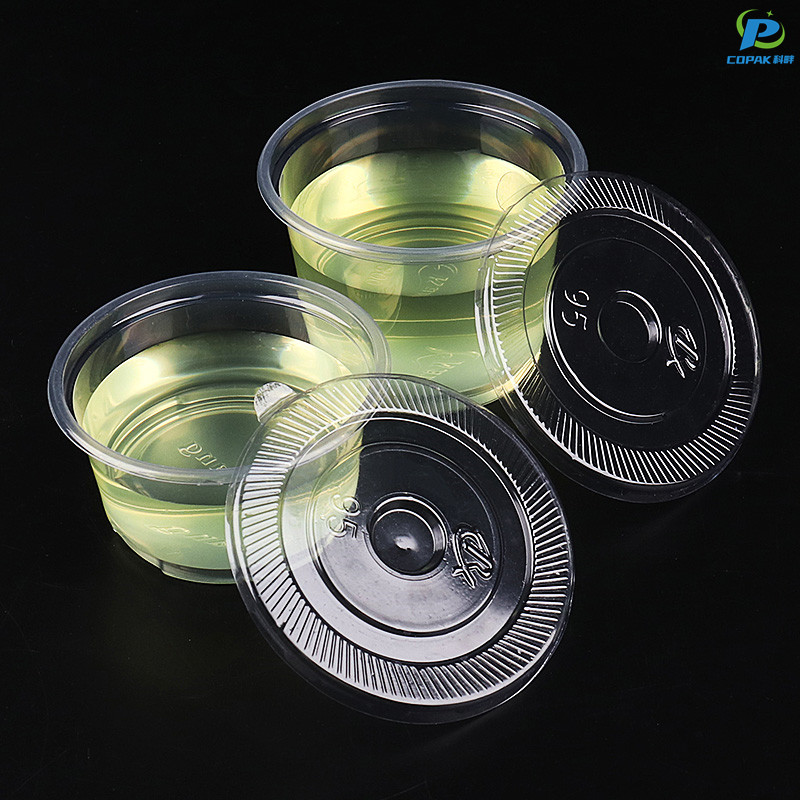
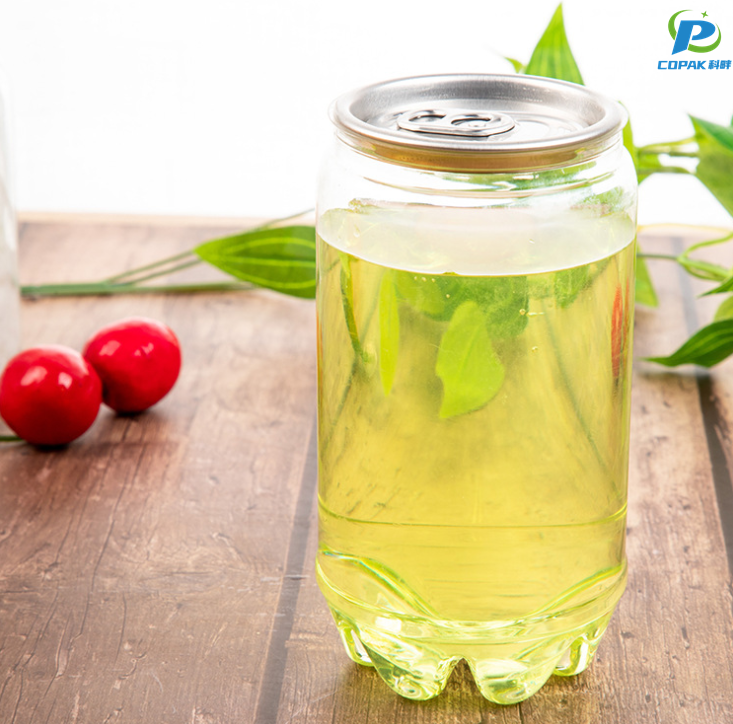
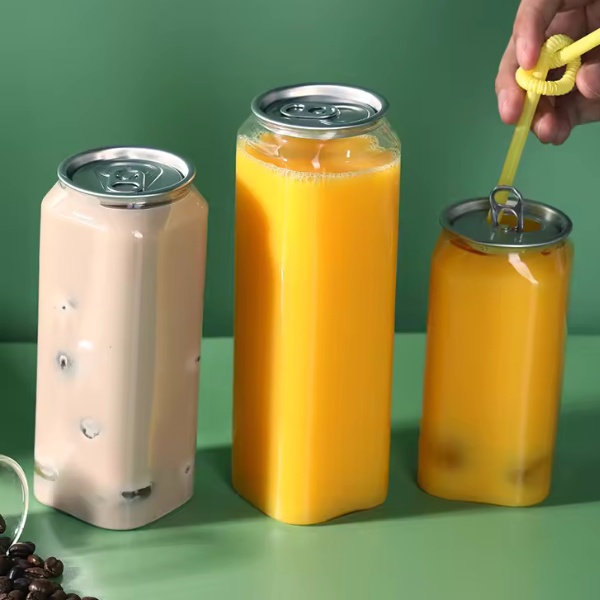
| Ultra-Clear PET Beverage Can | 250ml, 330ml, 500ml, 650ml | Food-Grade Virgin PET / rPET | Nitro Cold Brew, Iced Americano, Sparkling Coffee | Aluminum EOE / Pull-Ring Lid |
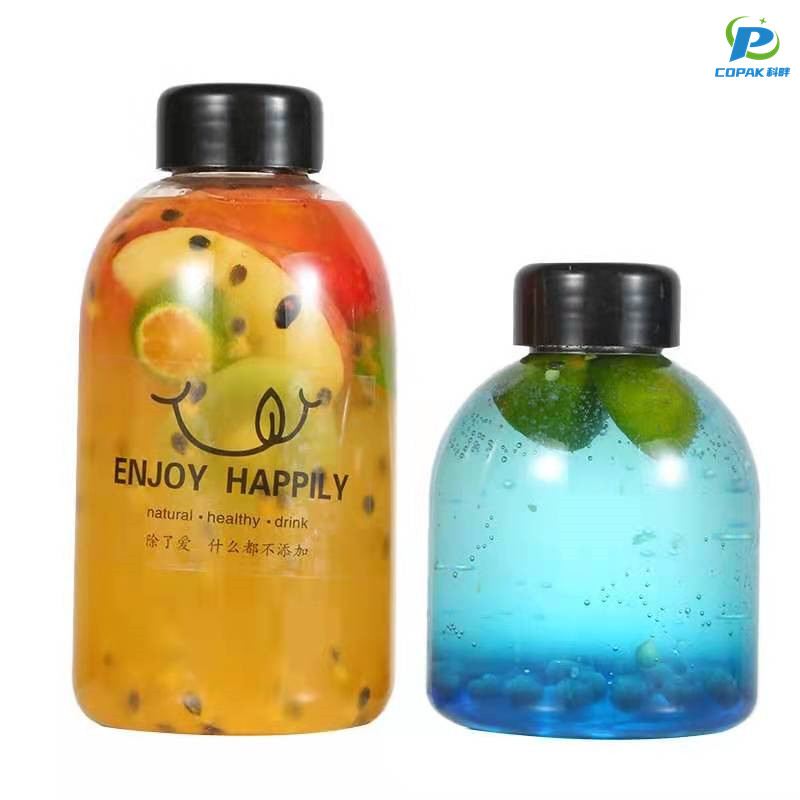
| Biodegradable PLA Bottle | 350ml, 500ml, 700ml | Polylactic Acid (Corn-Derived) | Organic Plant-Milk Lattes, Cold Brew Infusions | Tamper-Evident Screw Cap |
| Heavy-Duty PP Injection Cup | 12oz, 16oz, 20oz, 24oz | Polypropylene (High Thermal Resistance) | Hot Campfire Pour-Over, Drip Coffee, Cocoa | 90mm Spill-Proof Thermal Lid |
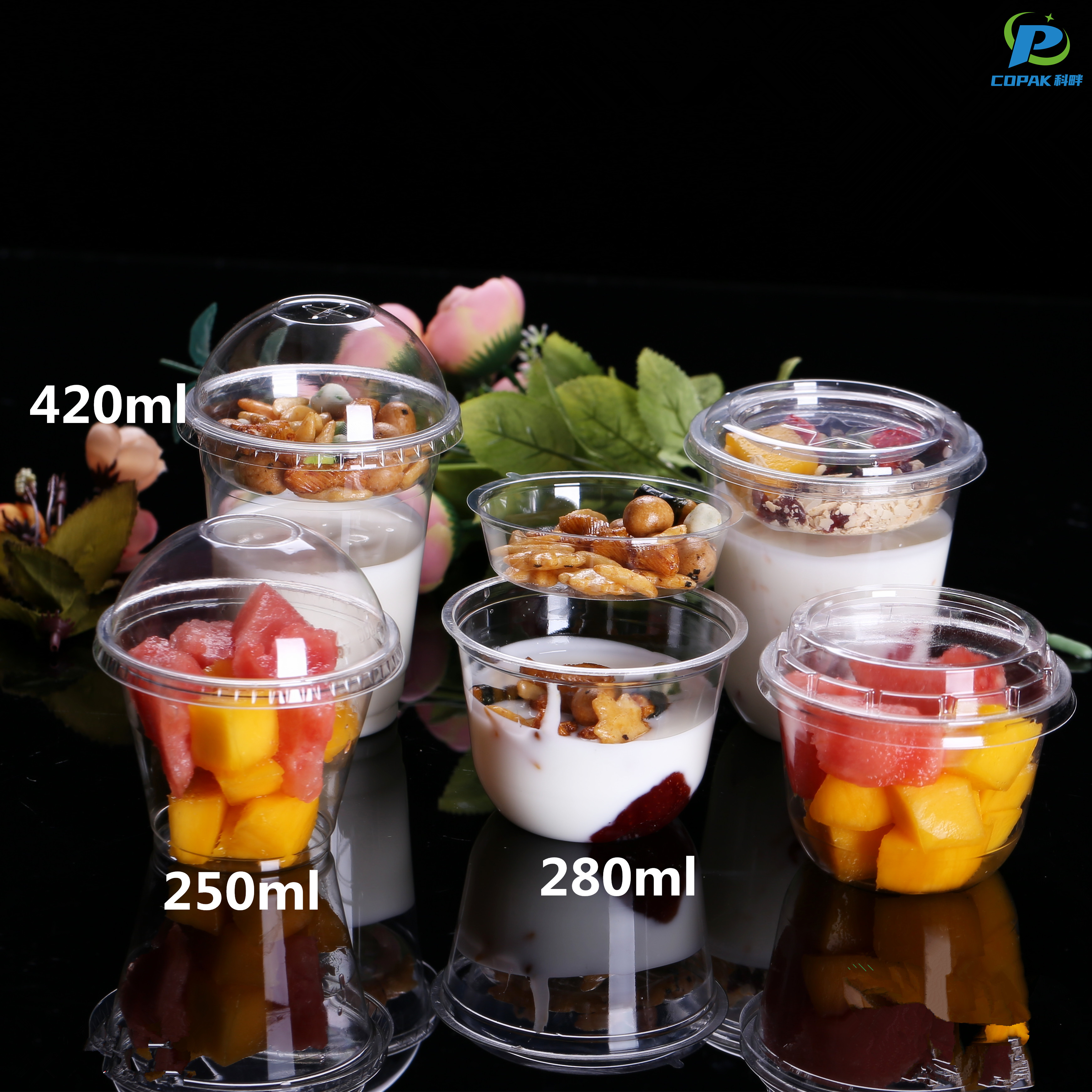
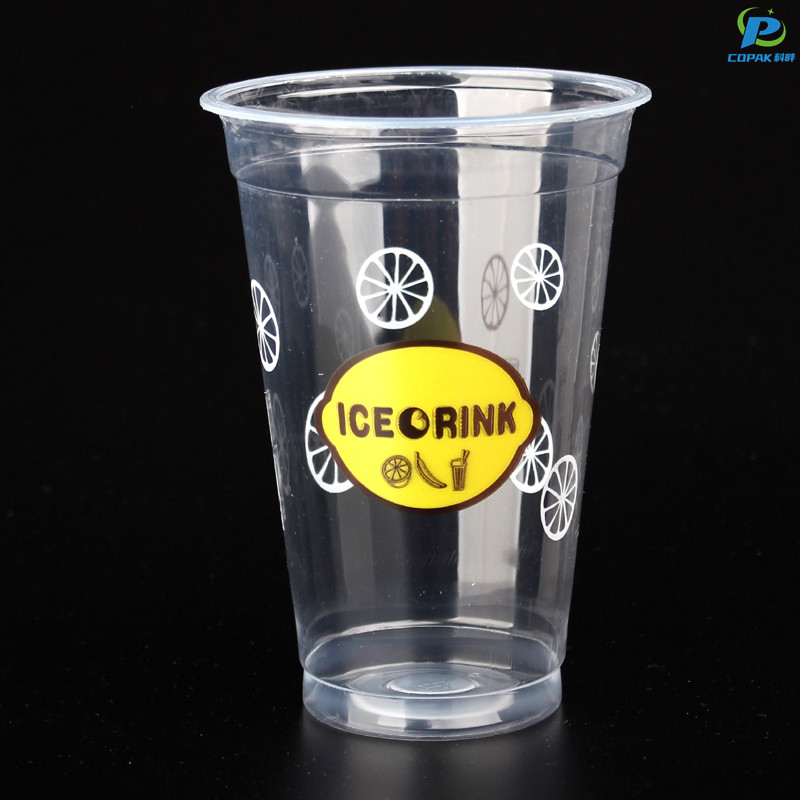
| Single-Use Clear PET Cup | 10oz, 12oz, 16oz, 20oz, 24oz | High-Clarity PET Material | Campground Iced Latte, Frappe, Cold Beverages | Dome Lid / Flat Strawless Lid |
| Compostable Bagasse Cup | 8oz, 12oz, 16oz | Natural Sugarcane Bagasse Pulp | Zero-Waste Eco Trail Coffee & Tea | Molded Bagasse Pulp Lid |
Future Trajectory: AI-Driven Smart Manufacturing and Circular Economy
The convergence of automated, high-precision injection blow-molding and smart supply chain systems enables packaging manufacturers to create custom-tailored, localized RTD beverage packaging with unprecedented speed. Automated desktop can-sealing technology now empowers small craft micro-roasters to can fresh cold brew on demand for local weekend camping traffic, democratizing what was once an exclusive industrial canning monopoly.
Furthermore, the development of lightweight circular polymers (rPET) and marine-degradable bio-polymers ensures that the canned coffee sector will continue to expand alongside eco-conscious outdoor tourism, fueling exploration without compromising global conservation goals.