



Kraft Bowls With Lids - China Manufacturer of Kraft Containers
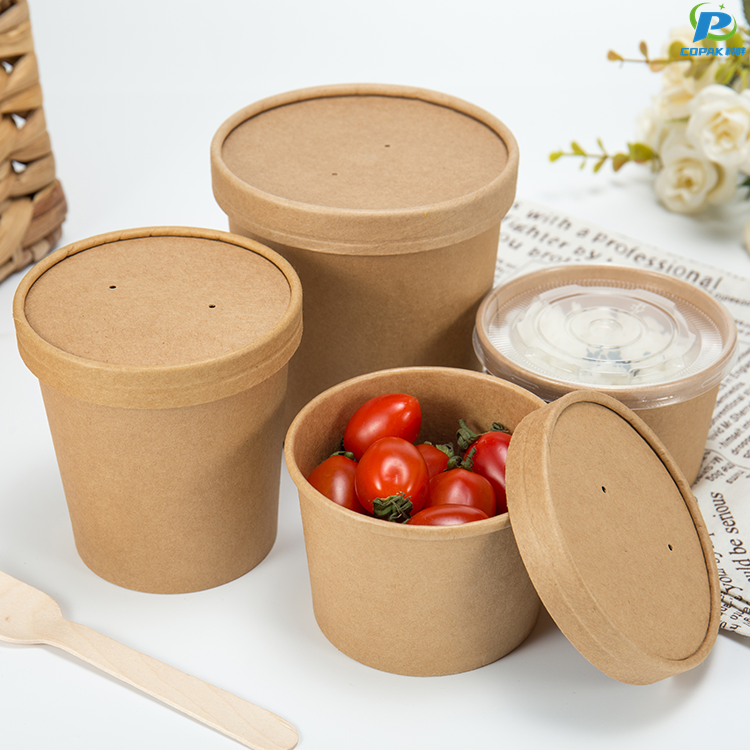
I’m a China-based Manufacturer specializing in eco-friendly food packaging. Our Kraft Bowls With Lids deliver sturdy performance with sustainable design, perfect for catering, take-away, and retail. The bowls are made from kraft paper and coated for moisture resistance, and the lids seal tightly to prevent leaks during transport. I run strict QA and use food-contact safe materials, so you can trust them for compliance and safety. In bulk, these Kraft Bowls With Lids ship quickly, with options for sizes, printing, and lid colors to match your brand. Whether you’re a wholesaler, distributor, or food-service chain, I tailor packaging solutions to your MOQ, lead times, and forecasted volumes. As a China Manufacturer, I offer competitive pricing and reliable supply to support your growth. We pride ourselves on responsive service, on-time deliveries, and sustainable packaging that helps you win customers. Tell me your target market and quantity, and I’ll craft a standout offer.


Kraft Bowls With Lids Industry Giant Your End-to-End Solution
As an industry leader in kraft bowls with lids, we offer a full-spectrum solution designed for global buyers seeking reliable, sustainable packaging. Our kraft bowls feature food-safe, grease-resistant fibers, compostable and recyclable options, tight-fitting lids, and sizes that suit hot soups, salads, and ready meals. Custom printing, barrier coatings for extended shelf life, and microwave-safe constructions are available to meet retail and foodservice standards while supporting circular economy goals. From rapid prototyping and flexible minimums to high-volume production, strict quality control, and internationally recognized certifications, the supply chain is optimized for on-time delivery worldwide. Integrated warehousing, export-ready packaging, and responsive after-sales support simplify procurement and risk management, enabling seamless OEM/ODM partnerships and scalable rollout across multi-country operations.
{ Kraft Bowls With Lids Industry Giant Your End-to-End Solution}
| Dimension | Metric / Specification | Typical Value / Range | Unit | Notes |
|---|---|---|---|---|
| Material composition | Paper fiber / recycled fiber / barrier lining | ~40% virgin paper; ~40% recycled fiber; ~20% barrier (PLA or coating) | — | Typical blend for balance of strength and barrier performance |
| Biodegradability | Industrial composting timeframe | 90–180 | days | Dependent on facility temperature and aeration |
| Certifications | Common food-contact & compost standards | ASTM D6400; EN 13432; EU food-contact compliance | — | Certification availability varies by product line |
| Recyclability (curbside) | Typical curbside acceptance | Low to moderate | — | Barrier linings often limit standard paper recycling streams |
| Wall thickness | Typical range for structural integrity | 200–350 | µm (micrometers) | Varies by bowl size and end-use |
| Common bowl capacities | Standard market sizes | 8, 12, 16, 24 | oz (fluid) | Other custom sizes available |
| Lid types | Common closure styles | Snap-fit flat, domed vented, hinged, tamper-evident | — | Material may be same substrate or alternate polymer/compostable film |
| Typical lead time | Manufacturing & delivery window | 4–6 | weeks | Subject to order size and customization |
| Production capacity (per line) | Typical output range | 0.8–1.5 | million units / month | Multiple lines scale total capacity |
| Carbon footprint (cradle-to-gate) | Typical emissions intensity | 0.3–0.6 | kg CO2e / kg product | Depends on material mix and energy source |
| Water usage intensity | Estimated freshwater use | 6–10 | L / kg product | Process water varies by fiber sourcing and treatment |
| Heat resistance (service) | Safe use temperature range | -20 to 95 | °C | Short contact with hot liquids typical; not for long-term oven use |
| Moisture barrier (WVTR) | Water vapor transmission rate | 2–6 | g / m² · day | Lower values indicate stronger barrier |
| Leak resistance (lab) | Standard hot-fill leak test (80°C, 15 min) | ≥95 | % no-leak | Depends on lid fit and manufacturing QA |
| Typical unit weight | Representative weights by capacity | 8 oz: 10–18 g; 12 oz: 15–25 g; 24 oz: 30–60 g | g / unit | Material strength and lining affect weight |
| Packaging format | Common ship-ready formats | Sleeved small packs; master cartons 500–2000 units | units / carton | Custom palletization available |
| Shelf life (ambient) | Packaged, dry storage | 9–18 | months | Depends on humidity control and packaging |
| Food safety & quality standards | Typical compliance frameworks | FDA food contact; EU Reg. (EU No 10/2011); ISO 22000 | — | Additional audits (e.g., BRC/IFS) common in supply chains |
| End-of-life pathways | Most suitable disposal routes | Commercial composting; industrial composting; limited recycling | — | Home composting suitability varies by material |
| Regional supply notes | Global manufacturing hubs commonly in Asia, North America and Europe; material sourcing and recycling infrastructure vary regionally | |||
Related Products


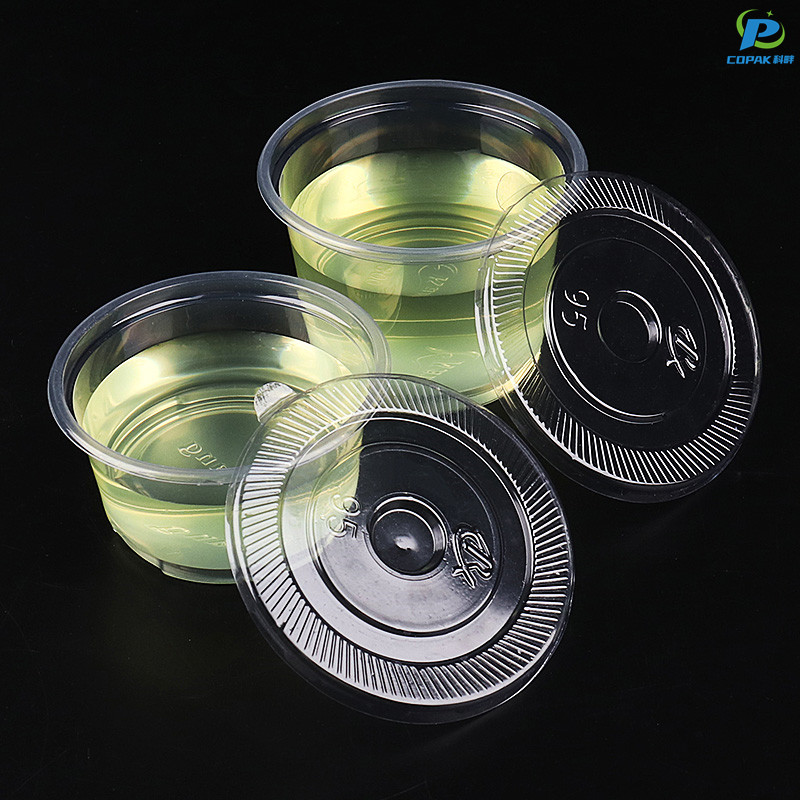

Kraft Bowls With Lids Leads the Global Market Supplies the World\u2019s Top Brands
Top Selling Products






- Related Blog
- Reviews
- Reviews
