PET Bottles

12 Oz Plastic Juice Bottles - China Manufacturer

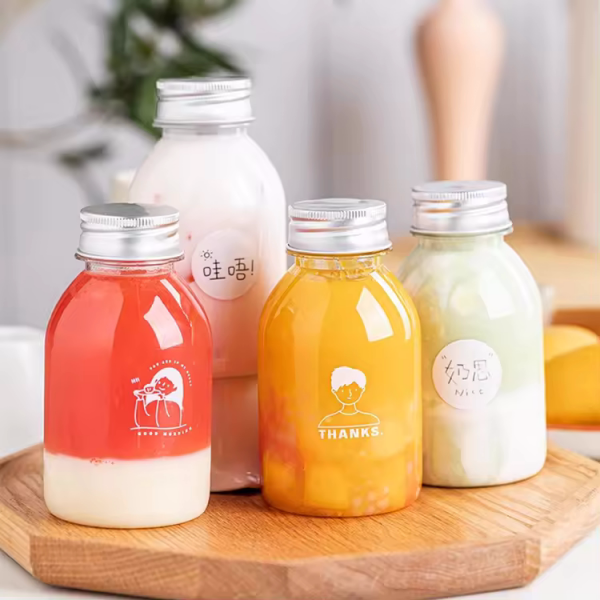
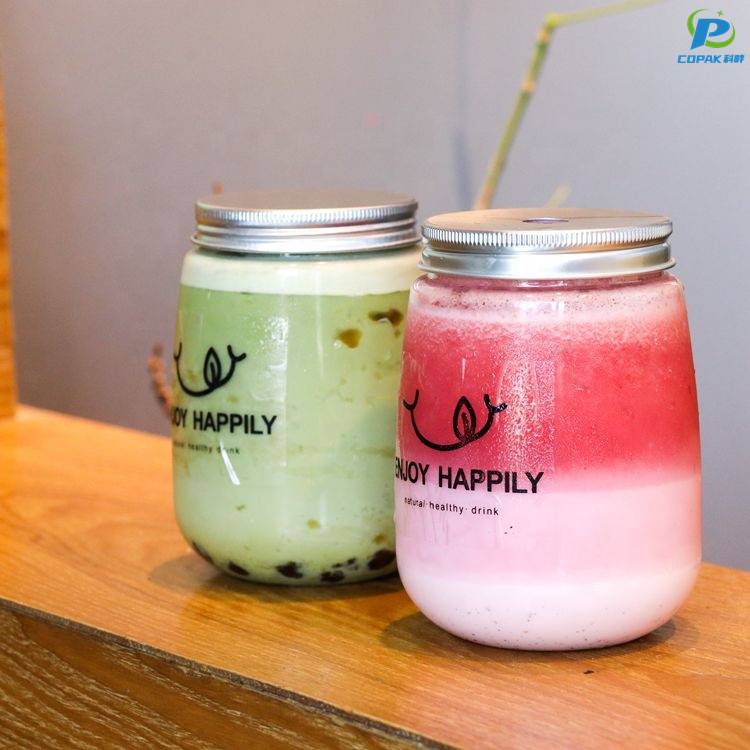
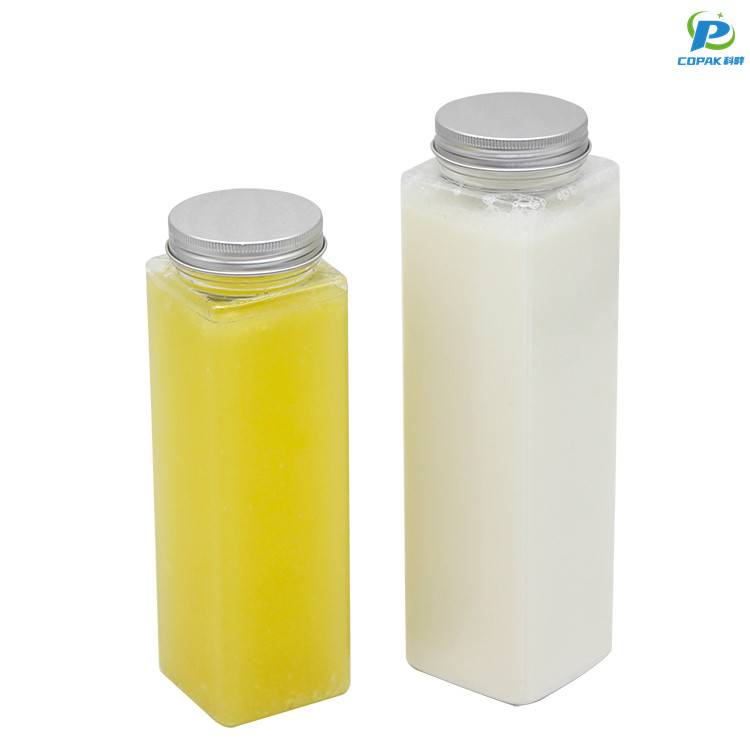
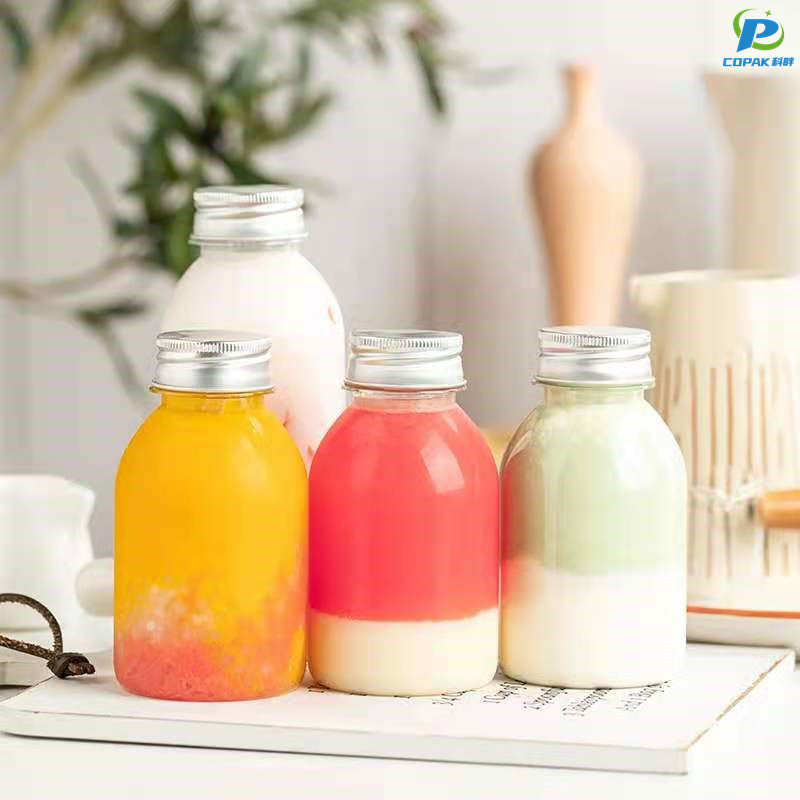
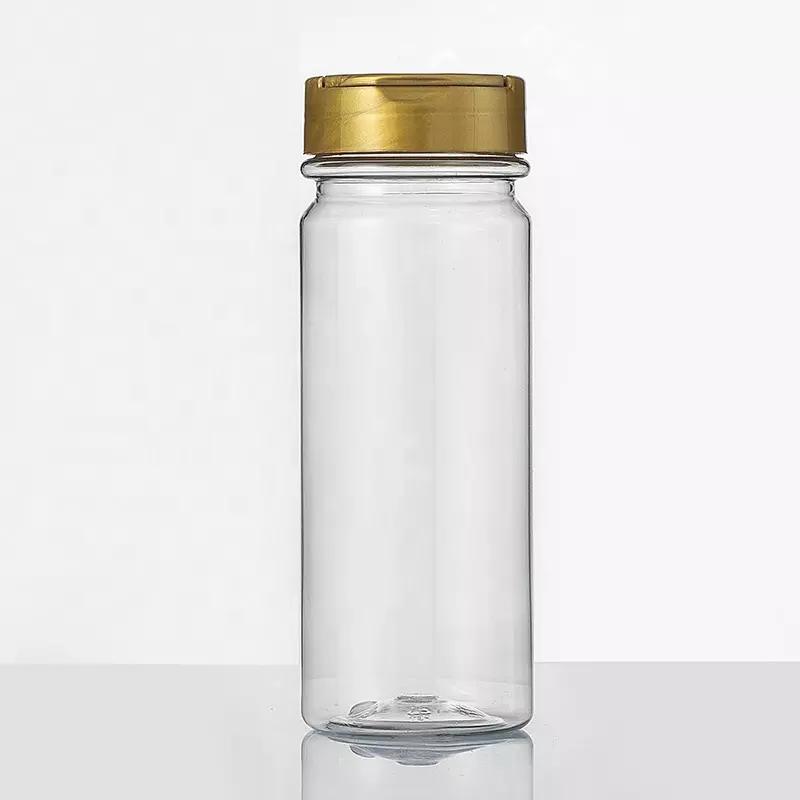
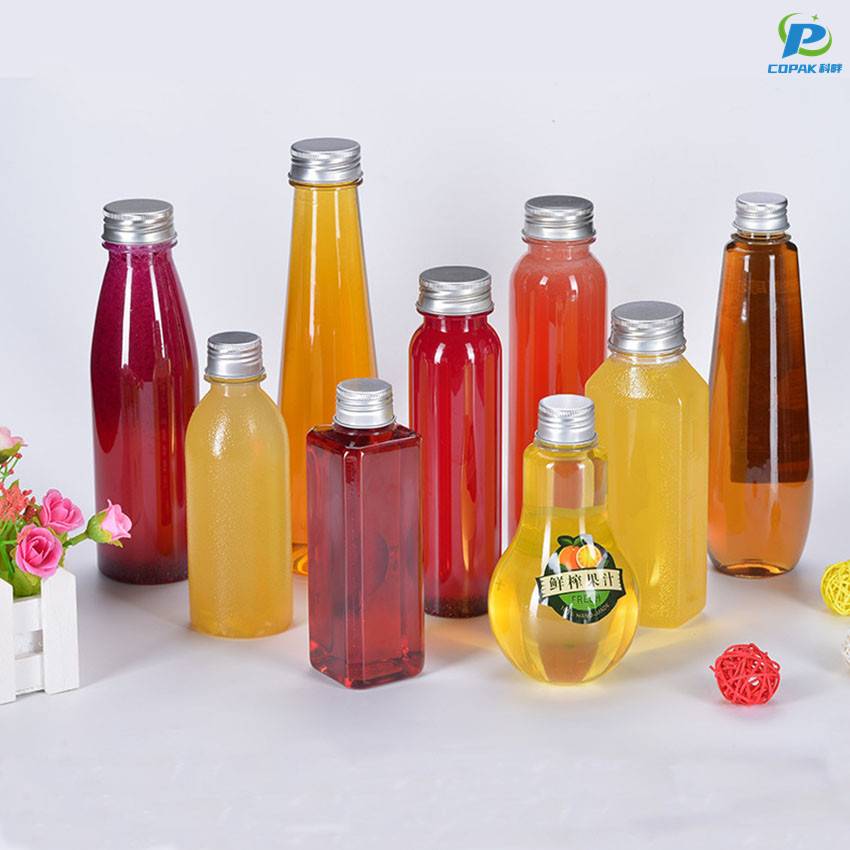
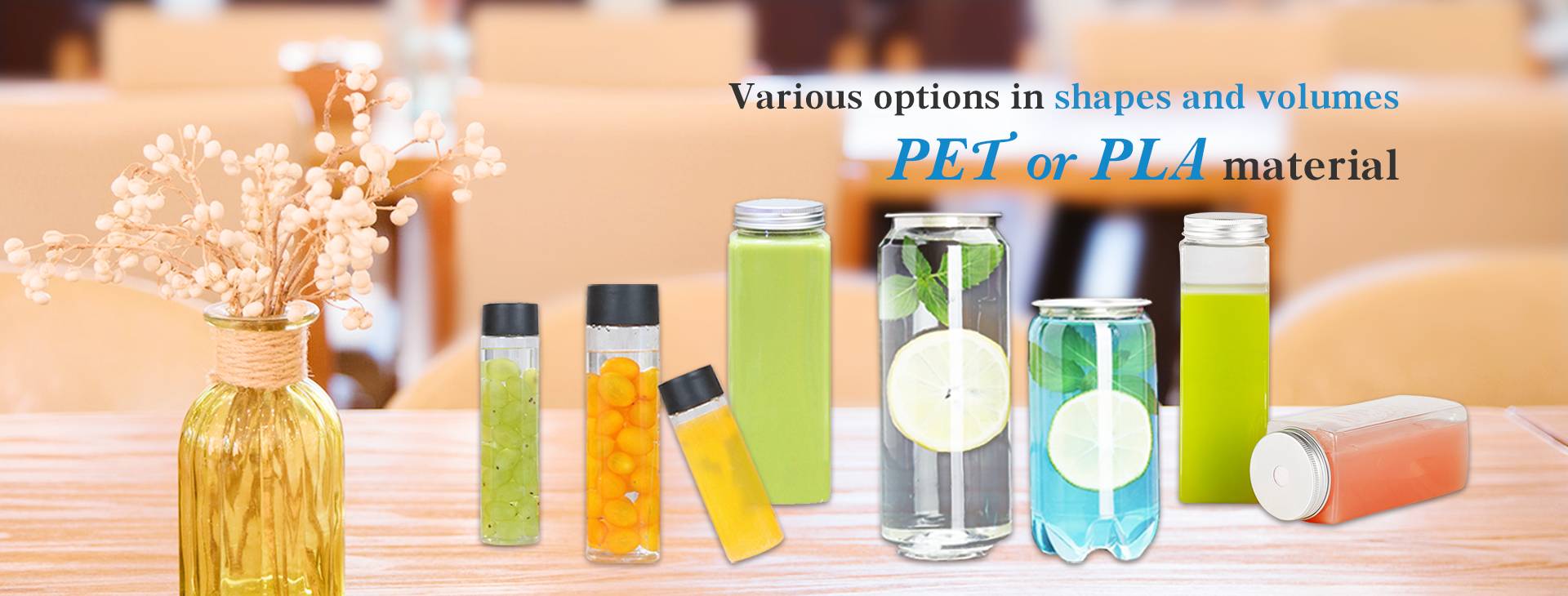
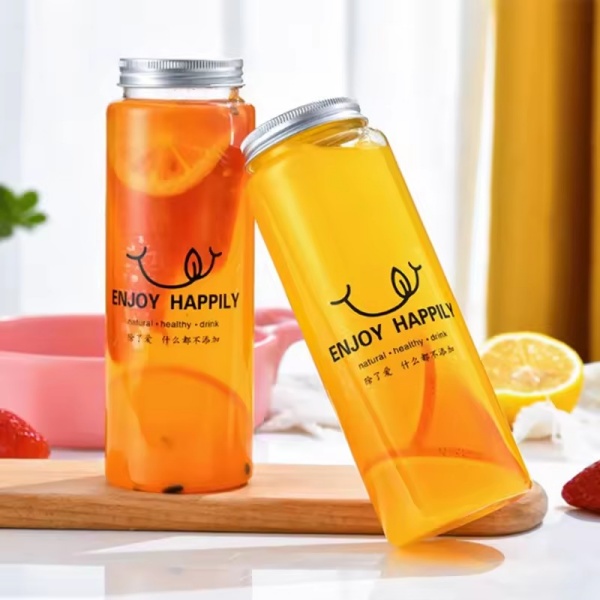
I’m your sourcing partner for 12 Oz Plastic Juice Bottles, proudly offered by a China-based Manufacturer. When you’re stocking beverages for retail or contract manufacturing, these bottles deliver reliability and value. Made from food-grade PET, they’re BPA-free, clear, and impact resistant, with tight neck finish and leak-proof caps. They can be hot-filling or cold fill, compatible with standard 89mm caps, light resistant, and stackable for easy storage. I can supply in bulk with scalable lead times, precise tolerances, and customizable options like logo labeling, color options, and tamper-evident seals. Whether you need UN-certified packaging or simple single-serve bottles, I’ve got you covered. Our team in China acts fast on inquiries, provides sample bottles, and offers competitive pricing for B2B orders. If you are seeking a reliable Manufacturer partner, you’ll find I deliver on time and with consistent quality.

Hot Selling Product

12 Oz Plastic Juice Bottles Sets the Industry Standard Service Backed by Expertise

Our 12 oz plastic juice bottles set the industry standard by combining lightweight, food-grade PET construction with precision molding for consistent fill weights, leak-proof closures and excellent shelf appeal. Designed for cold-pressed juices, smoothies and cold beverages, the bottles offer superior clarity, barrier performance and recyclability options, while supporting full customization of neck finish, cap styles, labeling and private‑label decoration to meet diverse market needs. Backed by Shanghai‑based manufacturing expertise and a global export track record, we deliver reliable lead times, scalable production runs and compliance with international safety standards (FDA, EU, ISO). Purchasing teams benefit from value-added services including design support, low‑minimum custom tooling, quality inspection, and streamlined logistics—making these 12 oz bottles a dependable choice for brands seeking consistent quality, competitive pricing and responsive service worldwide.

{ 12 Oz Plastic Juice Bottles Sets the Industry Standard Service Backed by Expertise}
Attribute Specification Measurement / Standard Notes
Nominal Capacity 12 fl oz (approx. 355 mL) 355 mL nominal volume Measured to ISO-equivalent volumetric methods; fill tolerance typically ±1%.
Material Polyethylene Terephthalate (PET) Resin ID: PET #1 Common food-contact polymer: lightweight, clear, widely recyclable.
Color / Appearance Clear (transparent) Visual inspection per batch High clarity for product visibility; optional lightly tinted variants available on request.
Empty Bottle Weight ~14 g Typical measured mean weight Lightweight design balanced for handling and drop performance; ±3% variance.
Filled Weight (water) ~369 g 355 g liquid + 14 g bottle Approximate; actual filled weight varies with product density.
Overall Height ~165 mm Measured from base to top of finish Designed for standard beverage filling lines and retail shelving.
Maximum Diameter (body) ~58 mm Measured at widest point Fits common filling and labeling equipment mandrels.
Neck Finish 28 mm screw finish Standard 28 mm threaded finish Compatible with common tamper-evident closures and dispensing caps.
Tamper Evidence Tamper-evident band Integral band/tear-off Meets common retail expectations for safety and consumer confidence.
Food Contact Compliance Meets applicable food-contact regulations Compliant with US FDA food contact guidance and EU Regulation (EU) No 10/2011 principles Intended for non-fatty aqueous beverages; users should validate with specific formulations.
Temperature Tolerance -20°C to +60°C (static) Short-term exposure limits apply Suitable for refrigerated juices and ambient storage; avoid hot-filling above ~60-80°C without pre-treatment.
Barrier Characteristics Moderate oxygen and moisture barrier Standard PET performance Suitable for short-to-medium shelf-life chilled juices; consider barrier coatings or multilayer options for longer shelf life or oxygen-sensitive products.
Manufacturing Tolerances Dimensional ±0.5 mm; weight ±3% Measured per production batch sampling Typical industry tolerances for blown PET containers.
Mechanical Performance Passes standard filled drop test 1.0 m filled-drop protocol (typical) Designed to withstand normal handling; packaging design may further improve transport robustness.
Environmental / End-of-life Recyclable (PET stream) Recycle code: 1 (PET) Suitable for curbside recycling where PET collection exists; light-weighting reduces material use and transport emissions.
Typical Applications Chilled juices, ready-to-drink beverages, single-serve smoothies Retail single-serve packaging Intended for cold-filled and pasteurized products within PET temperature limits; verify process compatibility per formulation.

Related Products

PET Cups

12 Oz Plastic Juice Bottles Is The Best Ahead of the Curve

12 oz Plastic Juice Bottles: Adoption Rate vs. Recycling Efficiency (2018–2024)

Over the period 2018–2024, the simulated dataset compares market adoption rates and recycling efficiency for 12 oz plastic juice bottles. Adoption rate denotes the percentage of producers and retailers selecting the 12 oz format as their primary single-serve container. Recycling efficiency indicates the share of material that successfully re-enters the recycling stream as usable polymer after collection, sorting, and reprocessing losses. The synthetic series shows adoption climbing from 35% to 80% between 2018 and 2024, while recycling efficiency rises from 20% to 50%. Growth in adoption reflects consumer convenience, lower per-unit production cost, and streamlined distribution. Recycling gains reflect incremental investments in collection and sorting technology. However, recycling lags adoption, producing a widening gap between market presence and material circularity. This gap has practical implications. Rapid uptake without proportional recycling capacity increases the absolute volume of post-consumer plastic requiring management, raising risks for landfill diversion targets and lifecycle benefits. Stakeholders should focus on design-for-recyclability measures, mono-material constructions, clearer labeling, and funding for collection systems. Policy coordination and extended producer responsibility can accelerate infrastructure upgrades. Midpoint years show inflection as recycling acceleration begins, suggesting that targeted interventions work. By 2024, a 30-percentage-point gap remains between adoption and recycling, underscoring continuing challenges. The grouped bar chart format highlights relative alignment and divergence, enabling easy comparison across time. Decision-makers can use these visual cues to set improvement targets, estimate investment needs, and model environmental outcomes. Coordinated action across product design, supply chain, and end-of-life systems will determine whether higher adoption yields net sustainability gains or increased waste. Prioritizing recycling capacity alongside market adoption delivers the clearest pathway to circularity for 12 oz plastic juice bottles.

Top Selling Products

Subscribe To Our Newsletter

For inquiries about our products or pricelist, please leave your email to us and we will be in touch within 24 hours.

Follow Us

on our social media
  • whatsapp (1)
  • instagram
  • youtube