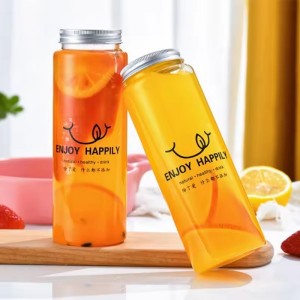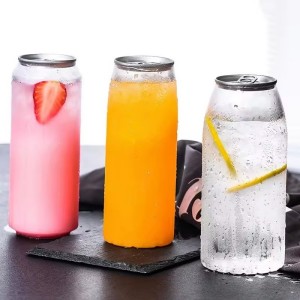


55mm PET cold cups with 202# lids

PET is widely recognized as a safe material for beverage packaging, thanks to its stable chemical properties, compliance with global food safety standards, and lack of harmful substance migration. Below is a structured breakdown of the key reasons:
|
Safety Aspect |
Details |
Relevance to Beverage Packaging |
| Chemically Stable Structure | PET is a thermoplastic polymer formed by the polymerization of ethylene glycol and terephthalic acid. Its molecular chain is tightly arranged and non-reactive under normal conditions. | Does not react with acidic, alkaline, or neutral beverages (e.g., carbonated drinks, juices, water). No chemical breakdown or release of toxic byproducts into the drink. |
| No Harmful Additives in Food-Grade PET | Food-grade PET is produced without plasticizers (e.g., phthalates), Bisphenol A (BPA), or heavy metals—substances linked to health risks. | Eliminates the risk of hormone disruption, organ damage, or other health issues caused by additive migration. |
| Compliance with Global Safety Standards | PET packaging meets strict regulations from authoritative bodies:- FDA (U.S.): Classified as GRAS (Generally Recognized as Safe) for food contact.- EU: Complies with Regulation (EC) No 10/2011 on plastic materials and articles intended to come into contact with food.- National Standards: Conforms to local standards (e.g., GB 4806.7 in China, AS 2070 in Australia). | Ensures consistent safety across different markets, with limits set for any potential trace substances. |
| Resistance to Contamination | PET has a smooth, non-porous surface that does not absorb odors, flavors, or moisture from the environment. | Prevents cross-contamination from external factors (e.g., storage conditions, transportation). Beverages retain their original taste and quality without tainting. |