



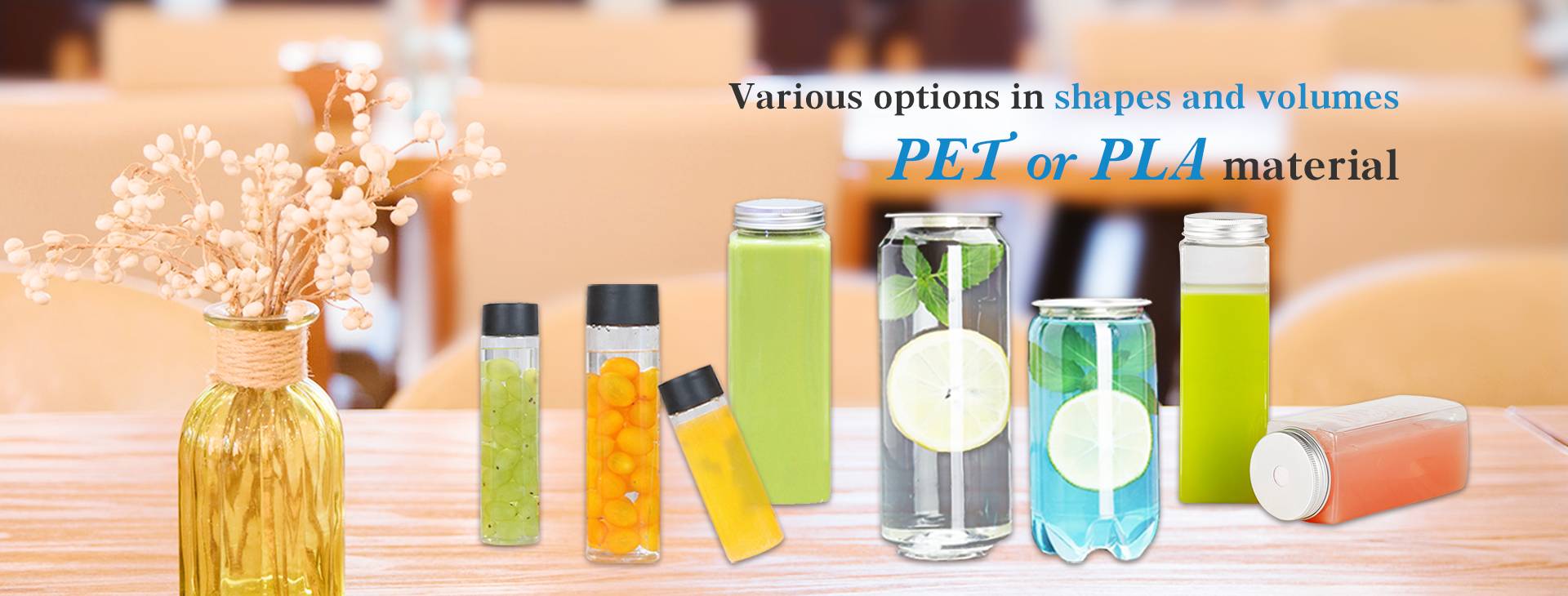
Drink Cans - China Manufacturer for Premium Beverage Packaging
I’m here to help you source premium drink cans directly from a China Manufacturer. We design, manufacture, and tailor can solutions for beverage brands and contract packagers alike. With a focus on consistency, fast turnaround, and competitive pricing, I ensure your orders arrive on spec and on time. Our range covers standard aluminum drink cans in multiple capacities, with finish options from matte to gloss and print-ready surfaces for crisp branding. We offer customization of lid type, opening options, and internal coatings to protect flavor and carbonation. Quality is non-negotiable: we run strict in-line checks, third-party audits, and traceability from raw material to finished can. Working with us means better stock control, predictable lead times, and smoother compliance for export markets, including buyers in China and overseas. If you’re seeking a dependable partner who understands buyer behavior, I’m ready to collaborate on your next can project.

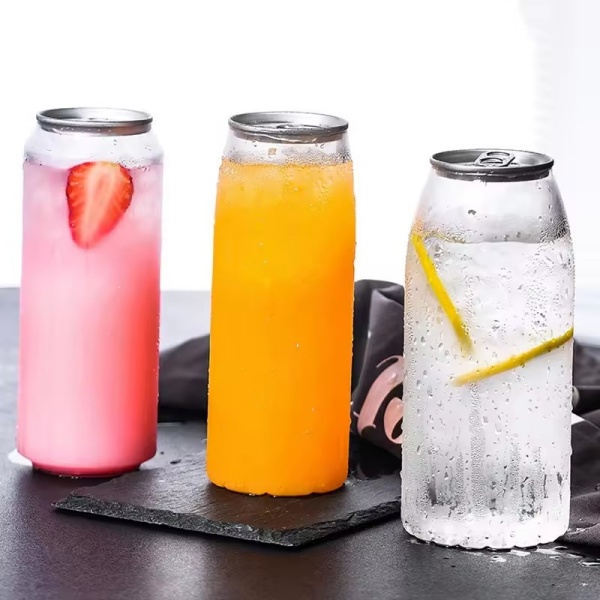
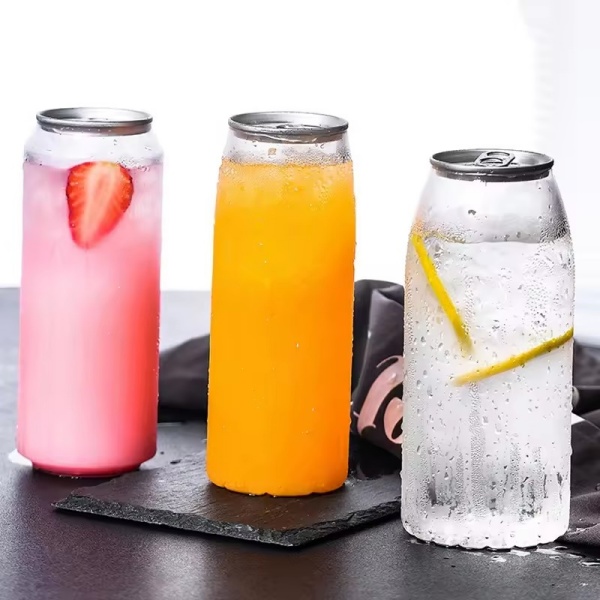


drink cans Manufacturer Industry Leaders
As a leading drink can manufacturer serving global brands, we deliver high-quality aluminum beverage cans and end-to-end packaging solutions designed for reliability, cost-efficiency, and shelf appeal. Our production capabilities cover a wide range of sizes, finishes, and decoration techniques, with strict adherence to international food-safety and quality standards. Flexible OEM/ODM services, robust R&D, and continuous process optimization ensure fast prototyping, consistent printing and sealing performance, and scalable volume output to meet seasonal peaks or long-term programs. Global buyers benefit from streamlined supply-chain management, competitive lead times, and tailored logistical options that reduce total landed cost. Sustainability is built into our approach through lightweight design, recyclable materials, and waste-minimizing production practices. Dedicated technical support, quality inspections, and sample availability make collaboration straightforward—whether you’re launching a new beverage line, optimizing packaging design, or securing a dependable supplier for global distribution.
drink cans Manufacturer Industry Leaders
| Manufacturer | Headquarters Region | Annual Production Capacity (billion cans) | Primary Can Type | Primary Material | Aluminium Content (%) | Major Markets Served | Sustainability Certifications | R&D Focus Areas | Estimated Global Market Share (%) |
|---|---|---|---|---|---|---|---|---|---|
| Manufacturer 1 | Asia-Pacific | 70 | Two‑piece beverage cans (high-volume) | Aluminium | 100 | Asia-Pacific, Middle East, Africa | ISO 14001 ASI ISO 9001 | Lightweighting; high recycled aluminium content; digital decorating | 26.0 |
| Manufacturer 2 | Europe | 48 | Two‑piece beverage cans; specialty ends | Aluminium | 100 | Europe, Middle East, North Africa | ISO 14001 ISO 9001 Circular Economy | Coating technologies; alloy optimization; recycled content tracking | 18.0 |
| Manufacturer 3 | North America | 36 | Two‑piece beverage cans; can ends | Aluminium | 100 | North America, Latin America | ISO 14001 ISO 45001 | End design; recycling infrastructure partnerships; process efficiency | 14.0 |
| Manufacturer 4 | East & South Asia | 30 | Three‑piece steel & two‑piece aluminium for varied markets | Steel / Aluminium mix | 0–100 (by product) | Domestic markets, Southeast Asia, Oceania | ISO 14001 Quality Management | Cost‑efficient fabrication; corrosion protection; regional supply chain resilience | 12.0 |
| Manufacturer 5 | Latin America | 20 | Two‑piece aluminium beverage cans | Aluminium | 100 | Latin America, Caribbean | ISO 14001 Local Recycling Schemes | Lightweighting for regional fleets; boosting recycled aluminium usage | 9.0 |
| Manufacturer 6 | Middle East & Africa | 15 | Two‑piece beverage cans; basic aerosol lines | Aluminium | 100 | MEA, Sub‑Saharan Africa | ISO 14001 Regional Compliance | Corrosion resistance; adapting designs for hot/humid climates; recycling logistics | 7.0 |
| Manufacturer 7 | Eastern Europe / CIS | 10 | Aerosol cans & small‑format beverage cans | Aluminium | 100 | Eurasia, Select export markets | ISO 9001 ISO 14001 | Aerosol valve systems; small-batch decoration; regional material sourcing | 6.0 |
| Manufacturer 8 | Global (Contract Manufacturing) | 22 | Contract & specialty decorated rings; premium cans | Aluminium | 100 | Global (contract clients across regions) | ISO 14001 Sustainable Sourcing | Digital print; high-value finishing; flexible production for seasonal runs | 8.0 |
Related Products


drink cans Where Innovation Meets 2025 Manufacturers You Can Rely On
Top Selling Products






- Related Blog
- Reviews
- Reviews
