



Paper Salad Bowl - China Manufacturer for Eco-Friendly Tableware
From a practical point of view, I offer you the Paper Salad Bowl that blends eco-friendly materials with sturdy design. As a China-based manufacturer, we know what food service buyers in demanding markets need. Our Paper Salad Bowl is made from biodegradable paperboard with a grease-resistant interior, perfect for salads, fruits, and snacks. It ships flat, saves space, and is easy to assemble for fast service. We customize sizes, printing, and packaging to fit your brand. We ensure food-grade coatings, oil resistance, and leak-proof performance for both cold and warm dishes. With competitive pricing, reliable lead times, and scalable production, we can meet large orders. If you’re sourcing a sustainable disposables solution in China, I’ll work closely with you to align specs, MOQ, and certifications. Let me help you grow your portfolio with a trusted Paper Salad Bowl that satisfies customers and boosts repeat orders.
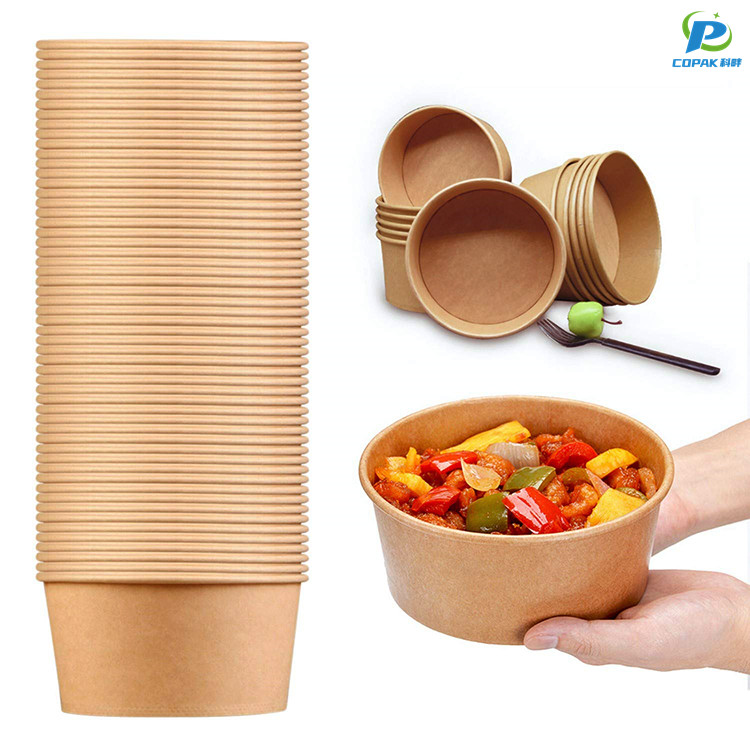


Paper Salad Bowl Is The Best Leads the Global Market
Paper salad bowls are increasingly becoming the top choice for food service and packaging around the world. With rising concerns about sustainability and environmental impact, global buyers are looking for alternatives to traditional plastic containers. These paper salad bowls not only provide an eco-friendly solution but also offer strength, durability, and an attractive presentation for a variety of dishes, including salads, fruits, and ready-to-eat meals. Leading the global market, these paper salad bowls are manufactured under strict quality control standards. They are leak-proof, grease-resistant, and available in a wide range of sizes and shapes, perfect for both hot and cold foods. Additionally, they are customizable with food-safe printing, allowing businesses to showcase logos or branding and enhance their customer experience. Thanks to their affordability and convenience, paper salad bowls are dominating food packaging trends worldwide. They cater to restaurants, catering services, supermarkets, and delivery companies who aim to meet consumer demand for sustainable and functional packaging. For global buyers, choosing these paper salad bowls means aligning with green trends while ensuring the highest quality for their customers.
| Region | 2025 Consumption (tons) | Market Share (%) | CAGR 2020–2025 (%) | Preferred Material Type | Biodegradability Rate (%) | Recycling Rate (%) | Regulatory Pressure (1–5) | Consumer Preference for Disposable Paper Bowls (%) |
|---|---|---|---|---|---|---|---|---|
| North America | 420,000 | 15.0 | 5.2 | Bleached & unbleached kraft, coated recycled fiber | 88 | 32 | 4 | 62 |
| Europe | 380,000 | 13.6 | 4.4 | High recycled-content kraft, compostable pulp variants | 92 | 45 | 5 | 68 |
| Asia‑Pacific | 1,750,000 | 62.5 | 8.1 | Virgin kraft, molded bagasse and molded fiber mixes | 75 | 20 | 3 | 55 |
| Latin America | 150,000 | 5.4 | 3.8 | Semi‑bleached kraft, molded pulp | 80 | 18 | 3 | 50 |
| Middle East & Africa | 100,000 | 3.5 | 4.0 | Unbleached kraft, molded pulp blends | 70 | 12 | 2 | 46 |
| Global Total / Average | 2,800,000 | 100.0 | 6.6 | Aggregated regional mix (weighted) | 79.3 | 24.8 | 3.5 | 57.2 |
Related Products


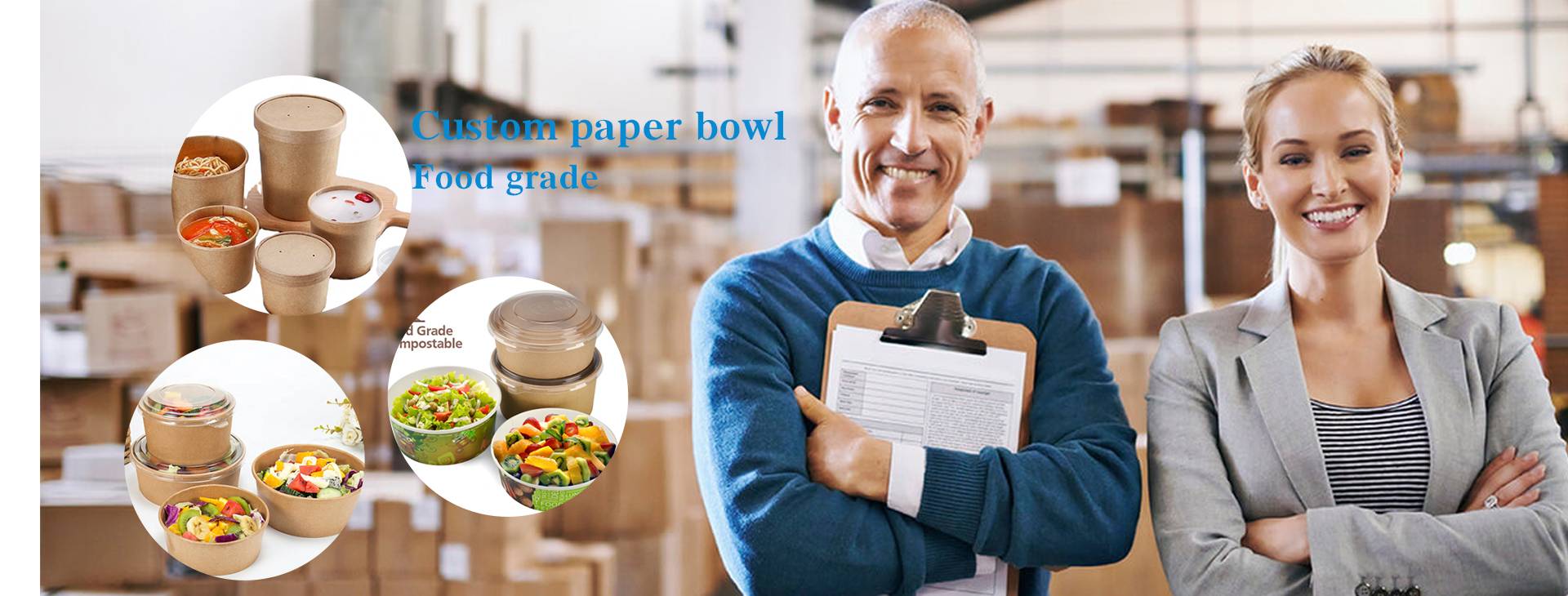
Paper Salad Bowl Pioneers in the Field Supplies the World\u2019s Top Brands
Top Selling Products




- Related Blog
- Reviews
- Reviews
