



Plastic Container Manufacturer in China - Trusted China Supplier
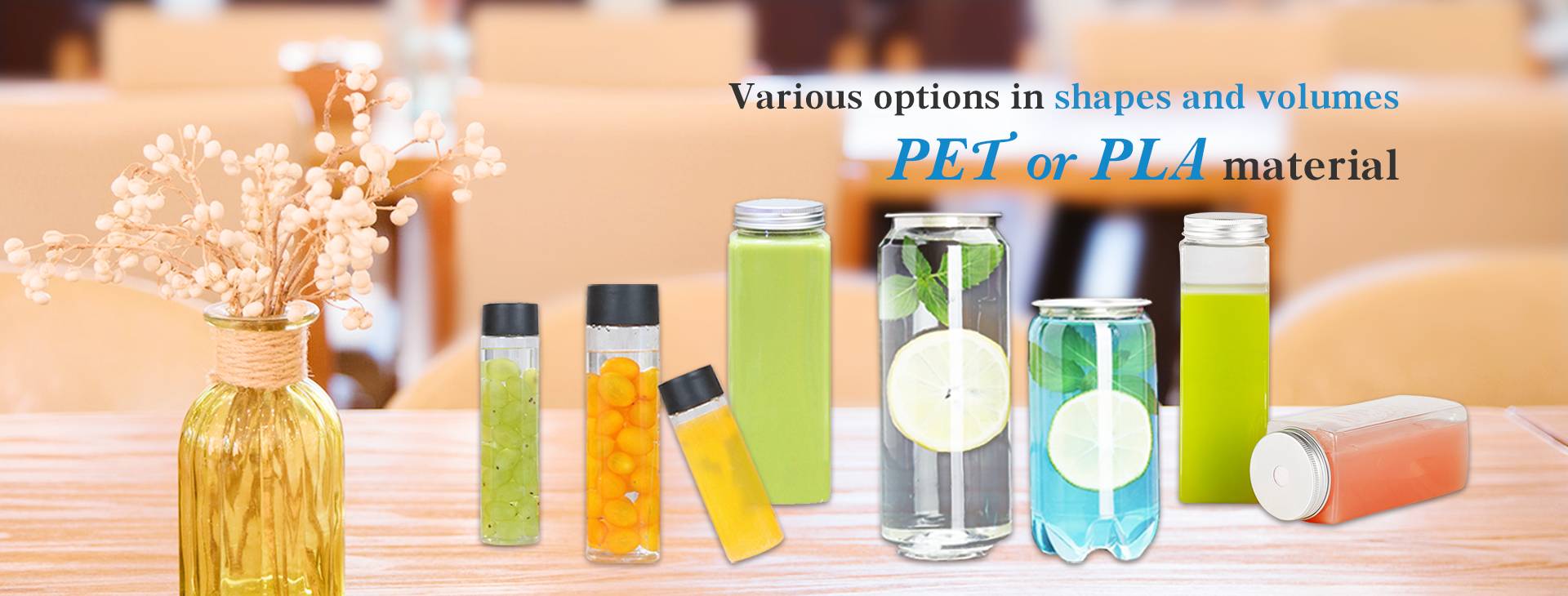
I’m a {China} based {Manufacturer}, and I offer a durable {Plastic Container} line designed for food, cosmetic, and chemical markets. Our containers are food-grade, BPA-free, and made from high-quality PP or PET, with options for transparent or tinted finishes. They feature secure screw caps, leak-proof seals, sturdy rims, and stackable designs to save space in storage and shipping. Customization is easy: sizes from 50 ml to 5 L, thickness, labeling, and color. We provide imprinting and private-label packaging for your brand, with quick lead times and MOQ-friendly terms. Our production follows strict quality control, ensuring consistency across batches. As a {Manufacturer} in the {China} market, we understand the needs of distributors, retailers, and manufacturers seeking reliable, cost-effective packaging solutions. If you’re sourcing a dependable partner for bulk orders, I’m ready to discuss specs, certifications, and ship-to details to support your growth.


Plastic Container Guarantees Peak Performance Supplies the World\u2019s Top Brands
Plastic containers that guarantee peak performance for the world’s top brands combine precision engineering, advanced materials and strict quality control. PET, HDPE and PP options with barrier and additive packages deliver leak‑proof sealing, dimensional stability and tamper‑evident features. Custom tooling, decoration and barrier treatments protect formulations across cosmetics, food and pharmaceutical lines while complying with international safety standards. Global procurement benefits from high‑volume capacity, flexible minimums, rapid prototyping and in‑house testing for predictable lead times and consistent quality. Sustainability choices—lightweighting, PCR content and recyclable designs—reduce cost and footprint. Integrated value engineering, logistics and warehousing provide transparent total cost and dependable, on‑time supply, making these containers a strategic choice for brands worldwide.
| Material | Density (g/cm³) | Tensile Strength (MPa) | Melting / Tg (°C) | Continuous Use Temp (°C) | Barrier Properties | Chemical Resistance | Recyclability | Typical Wall Thickness (mm) | Common Manufacturing Methods | Typical Applications | Typical Certifications / Compliance |
|---|---|---|---|---|---|---|---|---|---|---|---|
| HDPE (High-Density Polyethylene) | 0.94 – 0.97 | 20 – 37 | Melting ≈ 120–140 | -30 to +60 | Moisture: Good Oxygen: Moderate–Poor |
Excellent vs. acids/alkalis; resistant to many polar solvents | Widely recyclable (commonly collected) | 0.3 – 3.0 | Extrusion blow molding, Injection molding, Rotational molding | Household containers, chemical drums, food jars, personal care | Food-contact approvals (e.g., general FDA / EU frameworks); industry quality standards |
| PET (Polyethylene Terephthalate) | 1.34 – 1.40 | 55 – 75 | Tg ≈ 70; Melting ≈ 250–260 | -40 to +60 (short-term higher temps possible) | Moisture: Excellent Oxygen: Good–Excellent |
Good for beverages and aqueous products; limited resistance to some solvents | Widely recyclable (well-established streams) | 0.2 – 1.0 | Injection stretch blow molding, Extrusion blow molding | Beverage bottles, food trays, thermoformed packaging | Food-contact approvals; compliance with EU food contact regulation frameworks |
| PP (Polypropylene) | 0.90 – 0.92 | 30 – 40 | Melting ≈ 160–170 | -20 to +100 (short-term up to ≈120) | Moisture: Good Oxygen: Moderate |
Good chemical resistance to many acids and bases; susceptible to some oxidizers | Recyclable (curbside in many regions; improving) | 0.2 – 2.0 | Injection molding, Extrusion blow molding, Thermoforming | Food tubs, closures, hot-fill containers, medical disposables | Food-contact approvals; hot-fill and heat-resistant processing certifications |
| LDPE (Low-Density Polyethylene) | 0.91 – 0.94 | 8 – 12 | Melting ≈ 105–115 | -50 to +80 | Moisture: Very Good Oxygen: Poor–Moderate |
Good vs. many acids/alkalis; sensitive to strong solvents | Recyclable (soft plastics streams; less curbside coverage) | 0.3 – 2.0 | Blow film extrusion, Extrusion blow molding, Rotomolding | Flexible pouches, squeezable bottles, liners | Food-contact frameworks; material-specific polymer handling guidelines |
| PVC (Polyvinyl Chloride) | 1.30 – 1.45 | 40 – 60 | Tg ≈ 70–80 (thermal degradation > 140) | -15 to +60 | Moisture: Good Oxygen: Good |
Good vs. acids/alkalis; poor vs. some organic solvents and ketones | Limited recycling streams; specialized recycling | 0.4 – 3.0 | Injection molding, Extrusion, Calendering | Rigid containers, industrial fittings, certain medical items (formulated grades) | Specific regulatory controls for food contact; specialty grades used for compatibility |
| PS (Polystyrene) | 1.04 – 1.06 | 35 – 55 | Tg ≈ 90–105 | -20 to +70 | Moisture: Moderate Oxygen: Poor |
Poor vs. many organic solvents (swells/dissolves) | Limited curbside recycling; some dedicated programs | 0.2 – 2.0 | Injection molding, Thermoforming, Extrusion | Disposable items, cosmetic jars, rigid packaging (non-solvent environments) | Material-specific food contact grades exist; labeling and polymer identification required |
| PC (Polycarbonate) | 1.20 – 1.22 | 60 – 75 | Tg ≈ 145–150 | -40 to +120 | Moisture: Moderate Oxygen: Moderate |
Good mechanical resistance; vulnerable to strong alkalis and some solvents | Recyclable in specialized streams; not widely curbside | 0.3 – 2.5 | Injection molding, Extrusion | High-performance containers, reusable drinkware, optical and medical components | High-performance material certifications; specific food-contact approvals required for reuse |
Related Products


Plastic Container Application Leads the Global Market
Top Selling Products






- Related Blog
- Reviews
- Reviews
