



salad paper bowls - China Manufacturer for Eco-Friendly Food Service
I’m a China-based manufacturer, and I’m excited to offer my salad paper bowls for your business. These bowls are sturdy, grease resistant, and proudly compostable, perfect for take-out salads, fruit bowls, or snack cups. We provide a range of sizes and optional custom printing to match your brand. Made from food-grade paper with a reliable moisture barrier, they keep contents fresh and avoid soggy bottoms. Bulk pricing, short lead times, and flexible packaging make procurement easy for hotels, caterers, and retailers. We can ship from our factory in China directly to your warehouse, with full QA checks and certifications. If you’re seeking a dependable supplier from a Manufacturer who understands B2B needs, these salad paper bowls are a fit. Let me share samples, discuss MOQs, and quote you fast—we’ll grow your business together.


salad paper bowls Supplier Factory-Direct Excellence
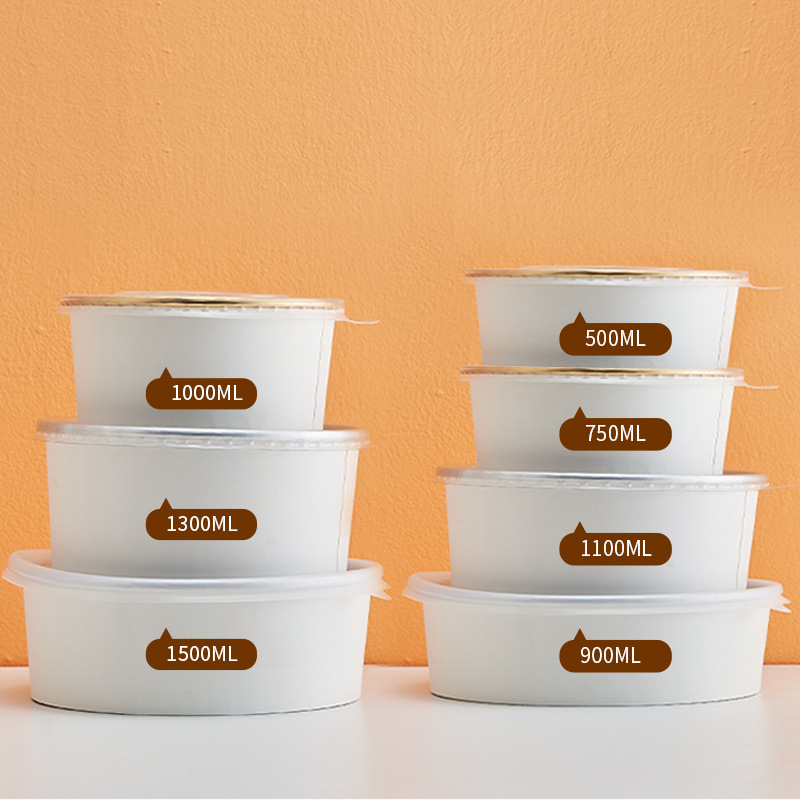
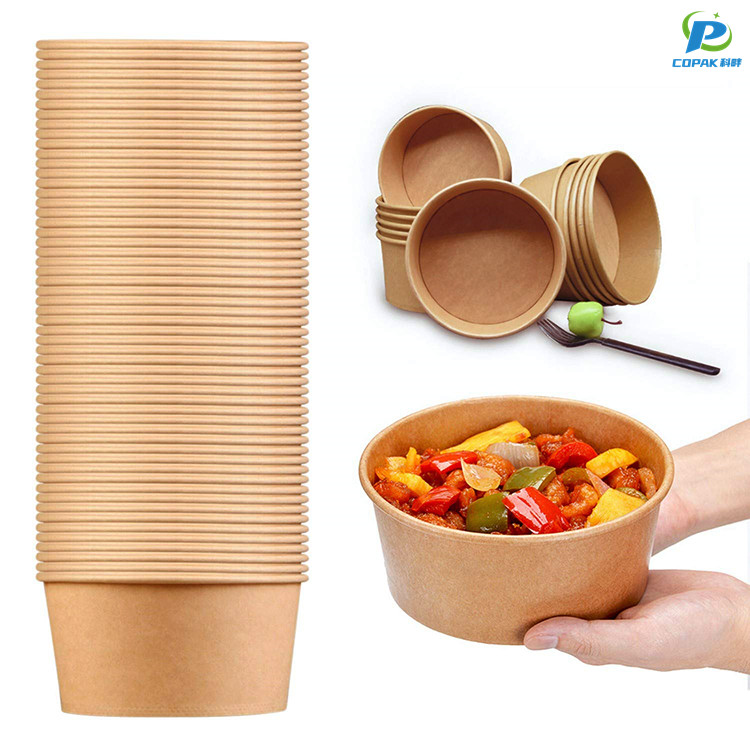
Factory-direct salad paper bowls offer a winning combination of consistent quality, sustainable materials and cost-efficiency for global buyers. Produced from food-grade kraft, bagasse and other compostable fibers with greaseproof and leak-resistant coatings, these bowls meet major food-safety standards (FDA, EU, EN13432) and pass rigorous QC at every production stage. Flexible customization—sizes, shapes, printed logos and pack formats—ensures products align with retail, foodservice and private-label needs. Working directly with the factory delivers lower unit costs, reliable lead times and scalable capacity to support seasonal peaks or long-term contracts. Competitive MOQs, sample availability and tailored logistics options (FOB/CIF) simplify sourcing, while responsive technical support and compliance documentation make global market entry smoother. For buyers seeking sustainable, high-performance salad bowls without middleman markups, factory-direct sourcing provides measurable value and supply-chain transparency.
| Product Model | Diameter (mm) | Capacity | Material & Coating | Paper Weight (gsm) | Thickness (μm) | Leak Resistance (1-5) |
Temp Tolerance (°C) | Certifications | Compostability / End‑of‑Life | Typical Use Cases | Lead Time | Pack Formats | Surface Finish | Notes |
|---|---|---|---|---|---|---|---|---|---|---|---|---|---|---|
| Classic Salad Bowl (Small) | 120 | 8 oz / 240 ml | Virgin kraft paperboard with PLA lining | 260 | 300 | 4 | -10 to 80 | FDA food contact, EN 13432 | Industrial compostable (PLA) — ~90–180 days | Single‑serve salads, sides, events | 10–15 days | 50 pcs / pack; 500 pcs / carton | Matte natural kraft | Microwave short bursts; avoid prolonged heating |
| Classic Salad Bowl (Medium) | 150 | 12 oz / 350 ml | Bleached board with PLA lining (food‑grade) | 300 | 360 | 4 | -10 to 90 | FDA, EU 10/2011, ISO 9001 | Industrial compostable where PLA permitted | Salads, grain bowls, ready meals | 12–18 days | 50 pcs / pack; 400 pcs / carton | Natural kraft with water‑based barrier print | Printable exterior for short‑run branding |
| Deep Salad Bowl (Large) | 200 | 20 oz / 600 ml | High‑barrier paperboard with PE coating | 320 | 420 | 5 | -10 to 100 | FDA, EU 10/2011, ISO 14001 | Recyclable only where PE‑lined board is accepted; not compostable | Hot salads, soups, oily dressings, takeaway | 14–21 days | 25 pcs / pack; 200 pcs / carton | Glossy white interior | Suitable for hot liquids up to 100°C short term |
| Eco White Bowl (Medium) | 160 | 14 oz / 420 ml | Chlorine‑free bleached board with PLA | 280 | 350 | 4 | -10 to 85 | FSC Mix, EN 13432, OK Compost (industrial/home where certified) | Home/industrial compostable (dependent on local conditions) | Premium salads, desserts, chilled & warm foods | 15–20 days | 100 pcs / pack; 800 pcs / carton | Smooth white matte | High‑quality printable surface; suitable for branding |
| Reinforced Rim Bowl (Large Deep) | 210 | 24 oz / 700 ml | Multi‑ply paperboard with PE tie‑layer and reinforced rim | 360 | 480 | 5 | -10 to 110 | FDA, EU 10/2011, ASTM (applicable coating standards) | Not suitable for industrial composting if PE‑lined; recycling dependent on facility | Hot soups, oily dressings, takeaway requiring rigidity | 18–25 days | 25 pcs / pack; 180 pcs / carton | Rigid reinforced rim, smooth interior | Compatible with snap‑on lids for secure transport |
| Kraft Pressed Bowl (Small) | 130 | 10 oz / 300 ml | Unbleached kraft with water‑based barrier (no plastic layer) | 250 | 320 | 3 | -10 to 70 | FSC Mix, EU 10/2011 (for barrier) | Potentially industrially compostable depending on barrier chemistry | Cold salads, dry foods, bakery items | 7–12 days | 200 pcs / pack; 2000 pcs / carton | Rustic kraft | Not recommended for hot liquids or long exposure to dressings |
| Smooth Print Bowl (Med‑Large) | 175 | 16 oz / 475 ml | Clay‑coated unbleached board with PLA top coat | 290 | 370 | 4 | -10 to 95 | FDA, EN 13432, ISO 9001 | Industrial compostable (PLA); check local facilities | Branded salads, catering, retail ready meals | 14–18 days | 50 pcs / pack; 450 pcs / carton | High‑resolution print friendly | Supports full‑color flexographic printing; good print holdout |
Related Products


salad paper bowls Factory Service Backed by Expertise
Top Selling Products



- Related Blog
- Reviews
- Reviews
