



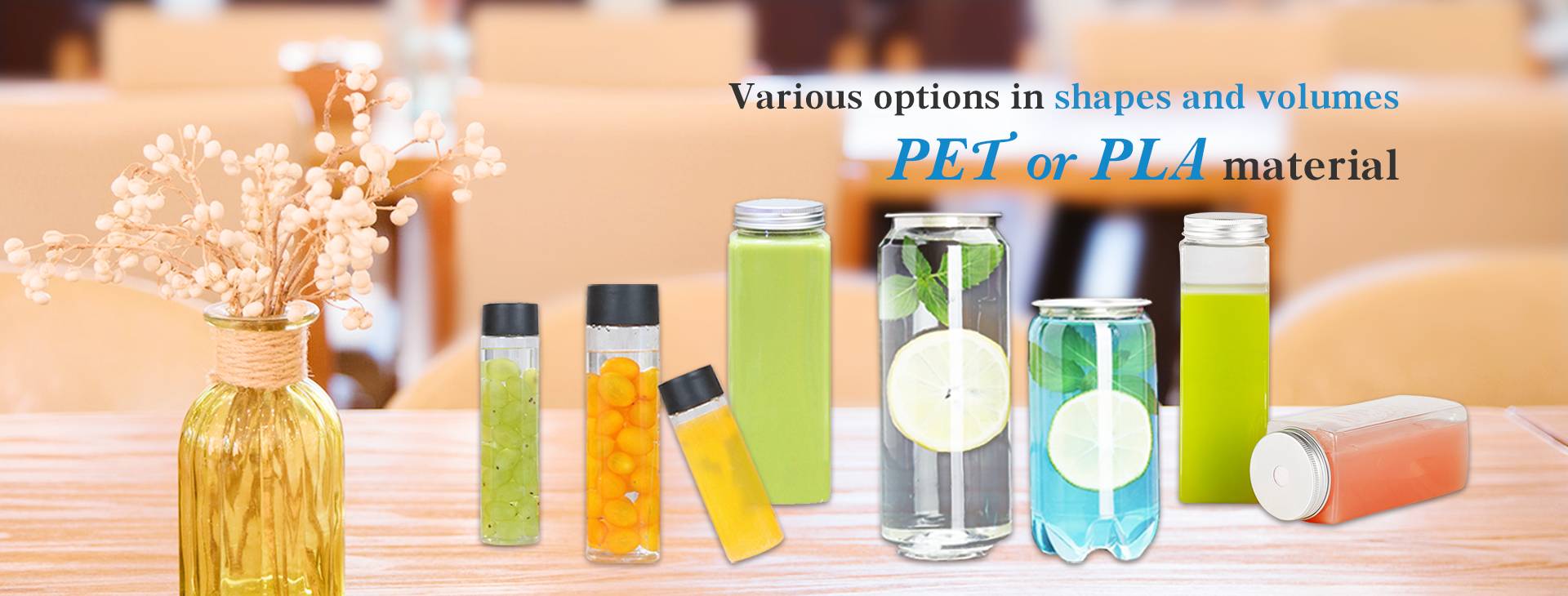
Beer Can Manufacturer in China - Premium Packaging Solutions
As a China-based manufacturer, I deliver reliable Beer Can solutions that meet global brand needs. My team and I craft aluminum beverage cans with food-safe coatings, offering smooth finish and tight seal. We offer multiple sizes (250ml, 330ml, 355ml) and custom printing up to 9-color process, with matte, gloss, or metallic finishes. You can choose easy-open tabs, double seam options, and beverage compatibility. I provide flexible MOQs for trial runs and scalable production for large orders, with lead times around 2–4 weeks after artwork approval. Our quality control includes ISO-tested processes, leak testing, and full traceability. The demand in China and worldwide pushes us to optimize packaging design for shelf impact and recyclability. If you’re a brand or distributor seeking a dependable Chinese manufacturer, I can tailor Beer Can packaging to your specs, from material and thickness to printing and finishing. Reach out to discuss your project and forecasts.
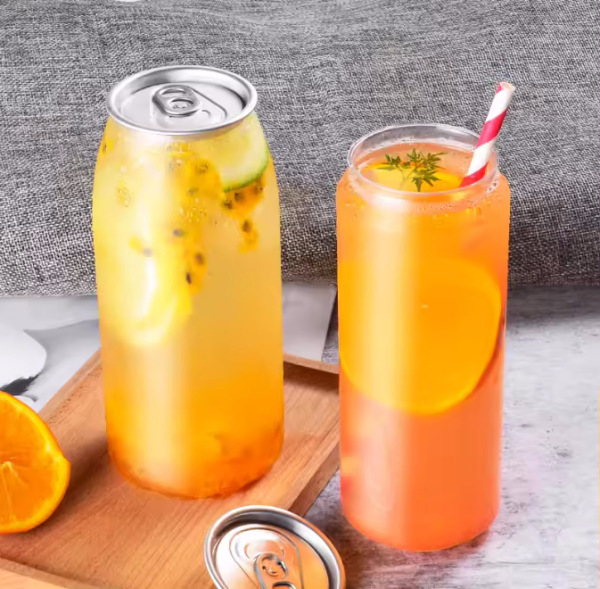


Beer Can Products More Than a Supplier - A Partner
Global beer buyers seek more than cans; they want a partner who can align packaging with brand, supply stability, and innovation. A true partner offers end-to-end support—from design and material sourcing to precision can production, coating, printing, and seamless logistics. With scalable capacity and flexible formats, we tailor wall thickness, finishes, and print options to your specifications, ensuring consistent performance across markets. Quality, compliance, and sustainability are built in at every step: traceable materials, certifications, and rigorous QC programs minimize risk and speed time to market. Collaborative development enables lightweighting, recycled content, and advanced decoration while controlling total cost of ownership. By transforming procurement into a strategic alliance, you gain reliability, responsiveness, and a competitive edge in a fast-moving global beer landscape.
| Product Type | Typical Can Material | Common Volumes (ml) | Common Fill Types | Manufacturing Processes | Quality & Certification | Typical Lead Time | Sustainability Metrics | Services & Capabilities | Regional Production Footprint |
|---|---|---|---|---|---|---|---|---|---|
| Standard Beverage Cans | Aluminum (beverage-grade, two-piece) | 330 · 355 · 440 · 500 | Carbonated beer, lager, ale | Draw & iron (DWI), necking, rotary printing, interior lacquer, seaming | ISO 9001 · FSSC 22000 / HACCP · BRC (packaging) | 4–8 weeks (typical production & tooling lead time) | Recycled content 40–70% · Recyclability >90% · CO2e ~150–250 g per can (cradle-to-gate, varies by recycled content) | Artwork services · Structural design · Fill-line integration support · Shelf-ready packaging | North America · Europe · Asia‑Pacific |
| Slim / Slender Cans | Aluminum (lightweight wall gauges) | 250 · 250 (tall) · 330 | Energy drinks · Hard seltzer · RTD cocktails | Lightweighting, deep-draw, high-speed seaming, precision printing | ISO 22000 · FSSC 22000 | 5–9 weeks (tooling complexity can add time) | Weight reduction 8–18% vs standard · Recycled content 30–60% · CO2e ~120–200 g per can | Lightweight design · Prototype production · Shrink-sleeve application | Europe · Asia‑Pacific · Latin America |
| Tallboy / Wide-Body Cans | Aluminum (stiffer gauges for tall profiles) | 473 · 500 · 568 | Craft beers · Imperial ales · Single-serve specials | Deep-draw & iron, wide-body tooling, high-speed seaming, advanced coatings | ISO 9001 · FSSC 22000 | 6–10 weeks (tooling & line setup for tall formats) | Recyclability >90% · CO2e ~180–300 g per can (size-related variability) | Custom necking · Retort-capable seams (for shelf-stable products) · Barrier coatings | North America · Europe |
| Specialty / Sleeved & Embossed Cans | Aluminum with full-body shrink-sleeve or emboss-ready finish | 250–500 (flexible) | Limited edition beers · Premium craft releases | Digital & UV printing, shrink-sleeving, embossing, tactile coatings (soft-touch, matte) | ISO 9001 · Material safety approvals | 8–14 weeks (special finishes and short runs require extra time) | Sleeved cans may affect recycling if sleeves not removed — recommend mono-material or easily removable sleeves; CO2e varies by finish | Limited-run lithography · Anti-counterfeit options · Tactile finishing | Europe · Asia‑Pacific |
| PCR-Focused (High Recycled Content) Cans | Aluminum alloy with elevated post-consumer recycled (PCR) content | 330 · 355 · 500 | All beverage categories incl. non-alcoholic | Re-melt with sorted scrap, alloy control, closed-loop recycling integration | ISO 14001 · Sustainability reporting · Recycled-content verification | 6–12 weeks (depends on PCR alloy availability) | Recycled content 60–95% · CO2e reduced up to ~60–70% vs primary-aluminum can production · High circularity potential | Lifecycle assessments · Recycled-content certification · Circularity consulting | Global (strong presence where recycling infrastructure exists) |
Related Products


Beer Can Leads the Global Market Guarantees Peak Performance
Top Selling Products




- Related Blog
- Reviews
- Reviews
