



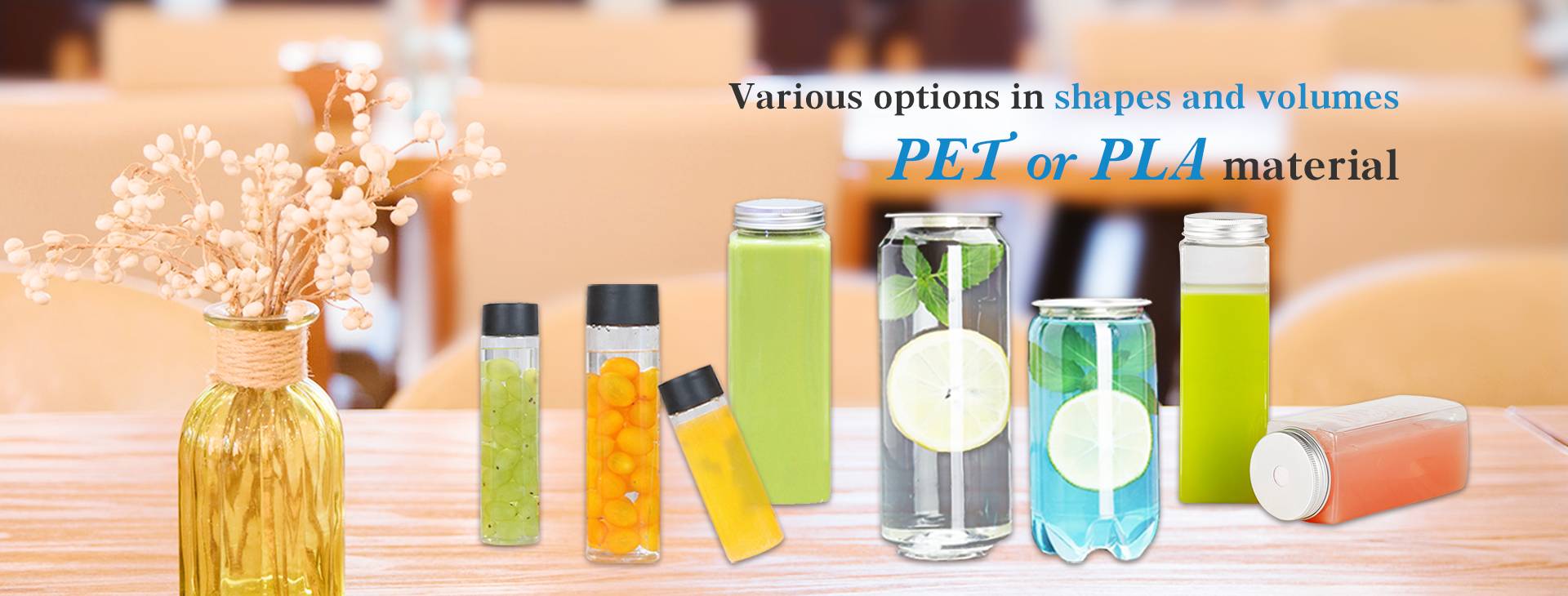
China Manufacturer 16 Oz Empty Juice Bottles
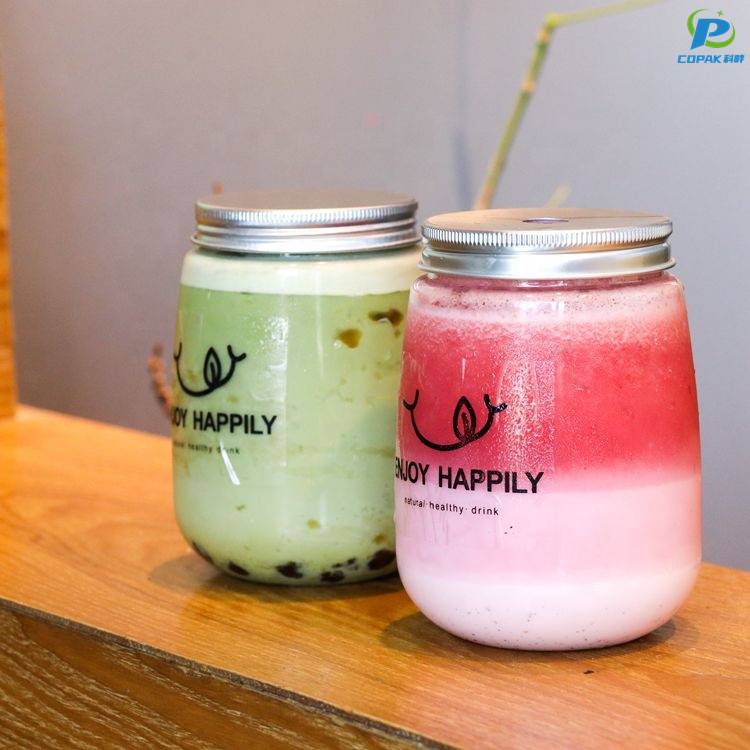
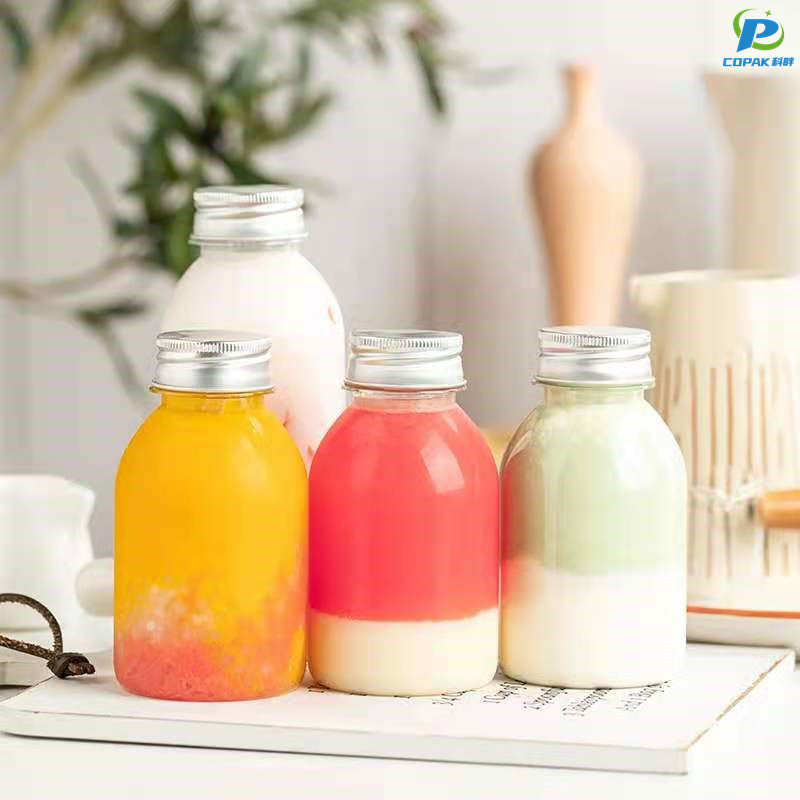
As a China-based manufacturer, I provide reliable 16 Oz Empty Juice Bottles for brands ready to scale. These bottles are ideal for juices, smoothies, and ready-to-drink products. Made from food-grade PET or glass, they’re BPA-free and designed for easy labeling and consistent pours. I offer leak-proof screw caps, tamper-evident seals, and a choice of clear or tinted finishes to match your branding. We understand B2B buyers need flexibility, so I can supply in bulk with short lead times and competitive wholesale pricing. Customization is available—logo embossing, laser engraving, or full-label design, plus optional neck finishes and color caps. If you are sourcing from a dependable China manufacturer, you’ll appreciate our strict quality control, certifications, and responsive service. Tell me your target quantity, packaging, and deadline, and I’ll tailor a package that helps your product stand out on shelves.

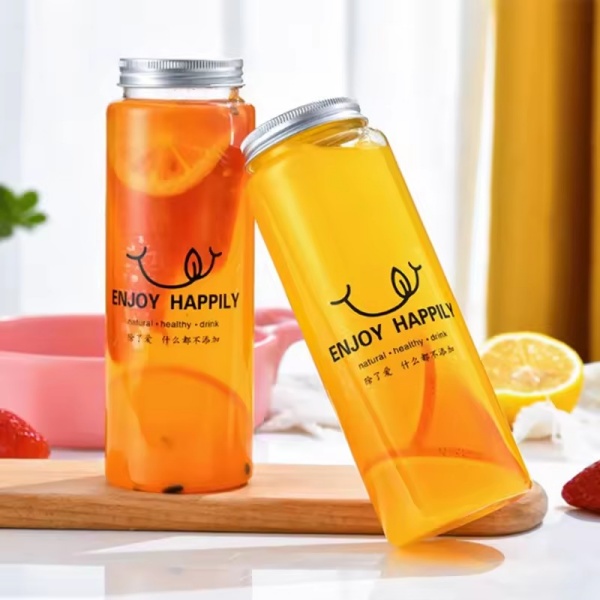
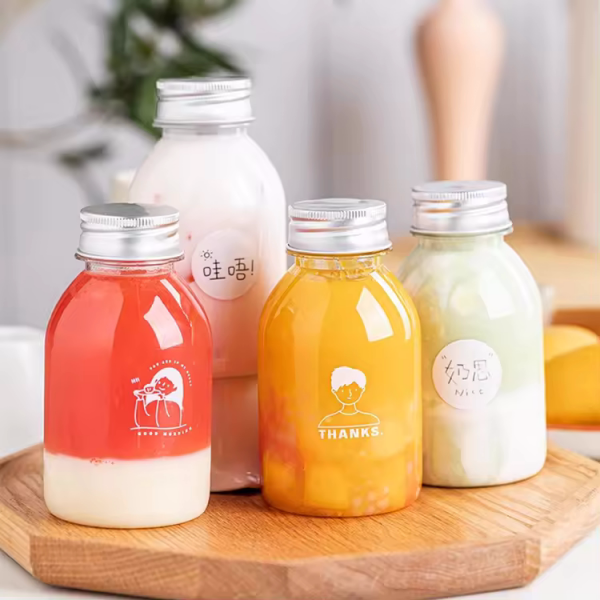
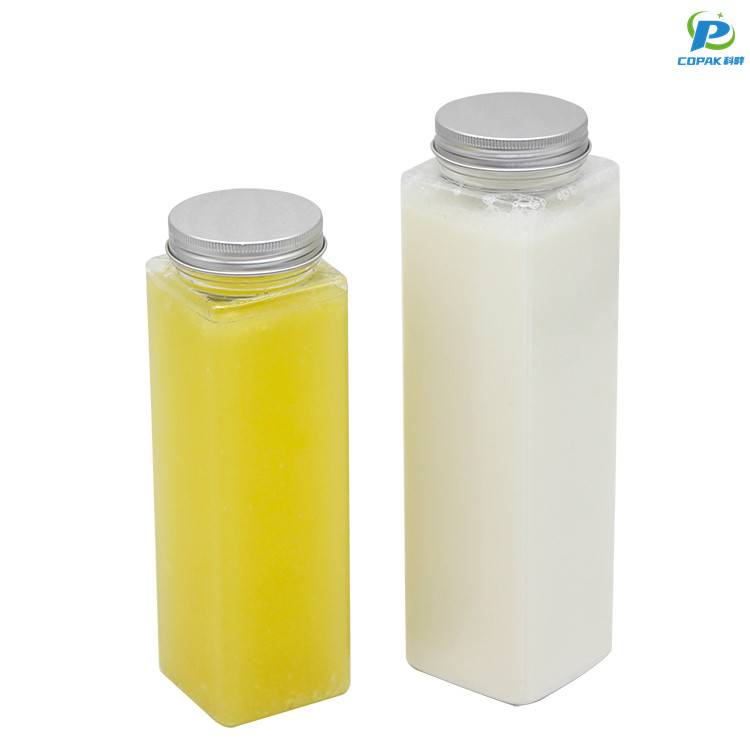
16 Oz Empty Juice Bottles in 2025 Ahead of the Curve
As demand for convenient, sustainable beverages rises, 16 oz empty juice bottles in 2025 are being reimagined to keep buyers ahead of the curve. Expect lightweight mono-material designs and high-content rPET options that simplify recycling without compromising clarity or strength, along with improved barrier technologies and tamper-evident closures to extend shelf life and protect freshness. Ergonomic shapes, on-the-go caps, and versatile surface finishes (clear, frosted, opaque, matte) support brand differentiation while meeting evolving consumer and regulatory expectations. Global procurement teams should prioritize partners who combine flexible MOQs, reliable lead times, and full compliance with international food-contact standards. Customization options—from digital printing and shrink sleeves to color matching and specialty finishes—enable rapid market testing and premium positioning. Look for suppliers offering pre-shipment testing, scalable production, and integrated logistics to reduce total landed cost. Future-ready 16 oz bottles will balance sustainability, functionality, and cost-efficiency—key criteria for any buyer aiming to move faster in 2025.
| Attribute | PET (typical 16 oz) | HDPE (typical 16 oz) | Glass (typical 16 oz) |
|---|---|---|---|
| Nominal capacity | 16 fl oz (≈ 473 mL) | 16 fl oz (≈ 473 mL) | 16 fl oz (≈ 473 mL) |
| Base material density | PET ≈ 1.35–1.40 g/cm³ | HDPE ≈ 0.94–0.97 g/cm³ | Soda-lime glass ≈ 2.45–2.60 g/cm³ |
| Typical empty weight (range) | ~20–35 g (lightweight to standard 16 oz designs) | ~25–40 g (blow-molded typical section thickness) | ~200–400 g (varies by wall thickness and shape) |
| Common neck/closure sizes | 28 mm (28/400) screw finishes common; tamper-evident and sport closures available | 28 mm and similar screw finishes; tamper bands and dispensing caps possible | Neck finishes vary; metal or plastisol liners often used with screw caps |
| Suitable filling methods | Cold-fill standard; hot-fill possible with heat-set or specialty hot-fill PET designs (typical hot-fill temps ≈ 85–95°C) | Cold-fill preferred; limited hot-fill performance vs. heat-set PET | Cold-fill and hot-fill both suitable; excellent thermal resistance for pasteurization |
| Labeling and decoration | Shrink sleeves, pressure-sensitive labels, direct digital printing, and heat transfer | Adhesive labels, in-mold labeling, and direct print; often opaque/printed for light-sensitive products | Adhesive labels, silk-screen or offset print; premium finish options common |
| Barrier performance (relative) | Moderate oxygen/moisture barrier; can be enhanced with coatings or barrier layers (e.g., EVOH) | Lower oxygen barrier than PET; good moisture resistance; typically better chemical resistance to alkalies | Excellent inert barrier to gases and moisture; best for long shelf-life and flavor retention |
| Regulatory & food-contact compliance | Commonly formulated to meet US FDA food-contact regulations and EU Reg. (EC) No 1935/2004 and EU plastics rules (e.g., 10/2011) when intended for juice | Compatible with FDA and EU food-contact requirements when appropriate grades/additives are used | Inert material; glass bottles typically meet food-contact regs globally with appropriate liners and closure systems |
| Recyclability & typical post-consumer rates (developed markets) | Widely recyclable in curbside programs; typical post-consumer recovery rates range broadly ~25–50% depending on region and collection systems | Recyclable in many systems; typical recovery ranges ~20–40% in developed markets | Highly recyclable where glass collection exists; recovery rates often range ~30–70% depending on local infrastructure |
| Typical lead time (manufacturing) | Stock designs: 1–2 weeks; custom tooling & color: ~4–8 weeks (varies by region and order volume) | Stock options: 1–2 weeks; custom blow-mold tooling: ~4–8 weeks | Stock glass: 2–4 weeks typical; custom molds and finishes can extend lead times to 6–12+ weeks |
| Environmental & circular options | rPET content common (post-consumer recycled PET); lightweighting reduces material use; chemically recyclable routes emerging | Increased recycled HDPE content feasible; lower density reduces material per bottle vs. glass | High end-of-life circularity where glass collection and reuse systems exist; highly recyclable without downcycling |
| Typical wall thickness (examples) | Average PET section thickness ~0.25–0.6 mm depending on design (lightweight to standard) | Blow-mold sections commonly ~0.4–0.8 mm | Glass wall thickness commonly ~1.5–3.0 mm depending on shape and strength |
Related Products
22oz 660ml empty ketchup Mustard Mayo Salad sauce squeeze bottle PET Sauce packing Plastic Bottles
Read More


16 Oz Empty Juice Bottles Stands Out Dominates
Top Selling Products






- Related Blog
- Reviews
- Reviews
