



Biodegradable Deli Containers - China Manufacturer for Customers
I’m a China-based manufacturer specializing in sustainable packaging, and I’m here to help your business scale with Biodegradable Deli Containers. From bulk orders to custom branding, I deliver reliable supply with competitive pricing. Our containers are compostable, leak-resistant, and microwave-safe for light-duty use, perfect for delis, cafeterias, and take-out chains. I source responsibly, with certifications like FDA-approved materials and options for PLA or bagasse fibers, so your products stay fresh while your footprint shrinks. When you partner with us, you’ll enjoy short lead times, flexible minimums, and dedicated support from a real person who understands B2B needs. Whether you need plain or printed packaging, tamper-evident lids, or cold-chain ready designs, I will tailor the solution to your specs. Choose Biodegradable Deli Containers that align with your sustainability goals and your customers’ expectations.
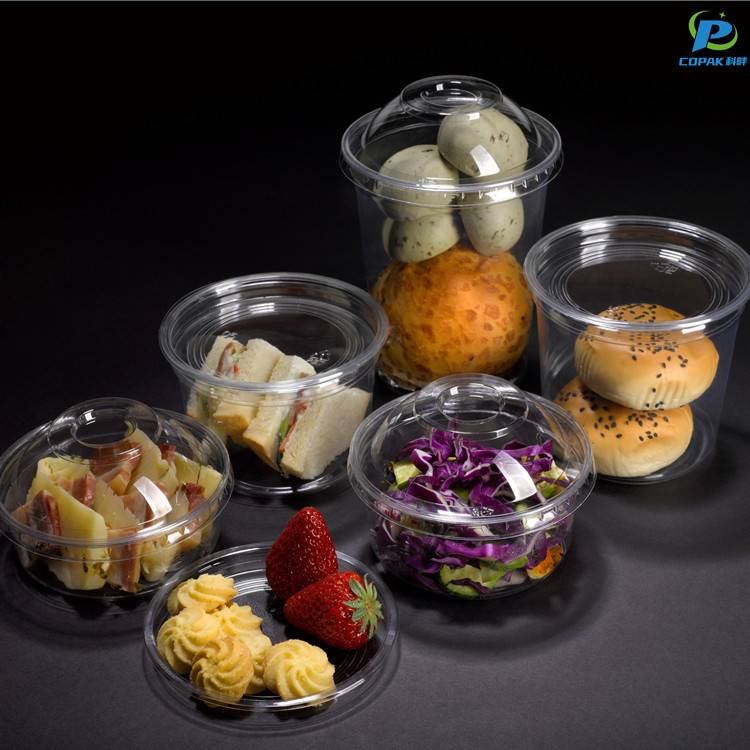

Biodegradable Deli Containers Industry Giant Factory-Direct Excellence
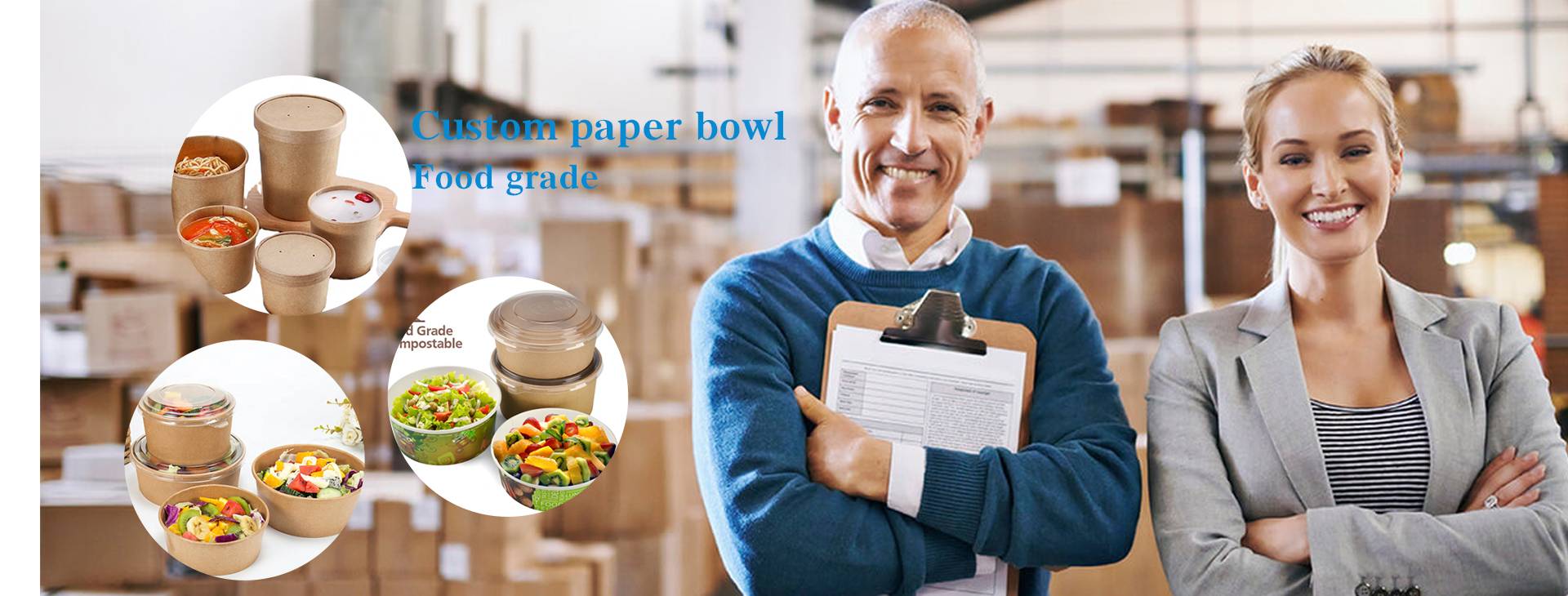
As an industry-leading manufacturer of biodegradable deli containers, we combine large-scale factory capacity with strict quality control to offer cost-effective, compliant and sustainably sourced food packaging. Containers made from bagasse, PLA and other certified compostable materials meet EN13432, BPI and FDA standards and are engineered for leak resistance, thermal stability and stackability. Factory-direct pricing and flexible OEM/ODM let buyers reduce unit cost and specify dimensions, lid types, printing and barrier options. Global procurement teams gain reliable inventory, scalable production, fast lead times and optimized sea/air logistics. Samples, technical dossiers and pre-shipment inspections are provided with full documentation for customs. Partnering with a factory-direct supplier shortens development cycles, eliminates middleman markups and advances sustainability commitments—ideal for private label, foodservice chains and retail rollouts worldwide.
| Product Type | Primary Material | Material Composition | Certifications / Standards | Compostability (Industrial / Home) | Typical Use Cases | Temperature Resistance | Typical Capacity (oz / ml) | End-of-life Recommendation |
|---|---|---|---|---|---|---|---|---|
| Clamshell (single-compartment) | Bagasse (sugarcane fiber) | 100% plant fiber | EN 13432OK Compost INDUSTRIAL | Industrial: 8–12 weeks Home: 3–6 months (conditions dependent) |
Hot/cold prepared meals, takeaway boxes, bakery items | Up to ~100°C short-term; microwave (dry heat) recommended | 8 oz / 240 ml 16 oz / 480 ml |
Industrial composting preferred; home compostable in well-maintained systems |
| Soup Container (with lid) | PLA / PBAT blend (biopolymer) | PLA ≈ 70% · PBAT ≈ 30% | ASTM D6400BPI Compatible | Industrial: 6–10 weeks Home: Typically >12 months – not recommended |
Hot soups, stews, chilled broths, delivery of liquid dishes | -20°C to ~60°C (softening above ~60°C) | 12 oz / 355 ml 24 oz / 710 ml |
Send to industrial composting; avoid curbside recycling unless specified by local program |
| Paperboard Bowl (water-based barrier) | Paperboard with water‑based biopolymer coating | ≈85% paper fiber · ≈15% coating | FSC (sourcing)OK Compost (varies) | Industrial: 8–12 weeks Home: 3–6 months (coating affects rate) |
Salads, grain bowls, cold and warm servings (short-term contact with dressings) | -20°C to ~80°C (short exposure to hot liquids) | 12 oz / 355 ml 16 oz / 480 ml |
Preferred: industrial composting; small-scale home composting possible if coating is certifiable |
| Molded Fiber Tray (wheat straw) | Molded agricultural residue (wheat straw) | 100% agricultural fiber | EN 13432 | Industrial: 6–10 weeks Home: 2–6 months |
Bakery trays, bulk takeout trays, prepackaged meals, display trays | -20°C to ~90°C (good heat resilience for serving) | Tray sizes typical: 16 oz / 480 ml equivalent surface capacity | Compostable (industrial and many home systems); suitable for food-contact end-of-life |
| Starch-based Film-Sealed Container | Starch-based biopolymer film + paperboard | ≈60% starch-film · ≈40% paperboard | ASTM D6400 | Industrial: 8–12 weeks Home: variable, often longer |
Sandwiches, salads with sealed lids, dry-to-moist foods requiring barrier | -20°C to ~50°C (film softens near higher temps) | 8 oz / 240 ml up to 20 oz / 590 ml | Industrial composting recommended; separate film if local programs require |
| Bagasse Pulp Lid (matched lid) | Bagasse pulp (matching lids for clamshells) | 100% bagasse pulp | EN 13432 | Industrial: 8–12 weeks Home: 3–6 months |
Lid applications for clamshells and shallow bowls; general cover use | Up to ~100°C short-term; good steam resistance | Designed to match container sizes (8–32 oz typical) | Compost in industrial systems or add to home compost where feasible |
Related Products


Biodegradable Deli Containers Factory Manufacturers You Can Rely On
Top Selling Products





- Related Blog
- Reviews
- Reviews
