



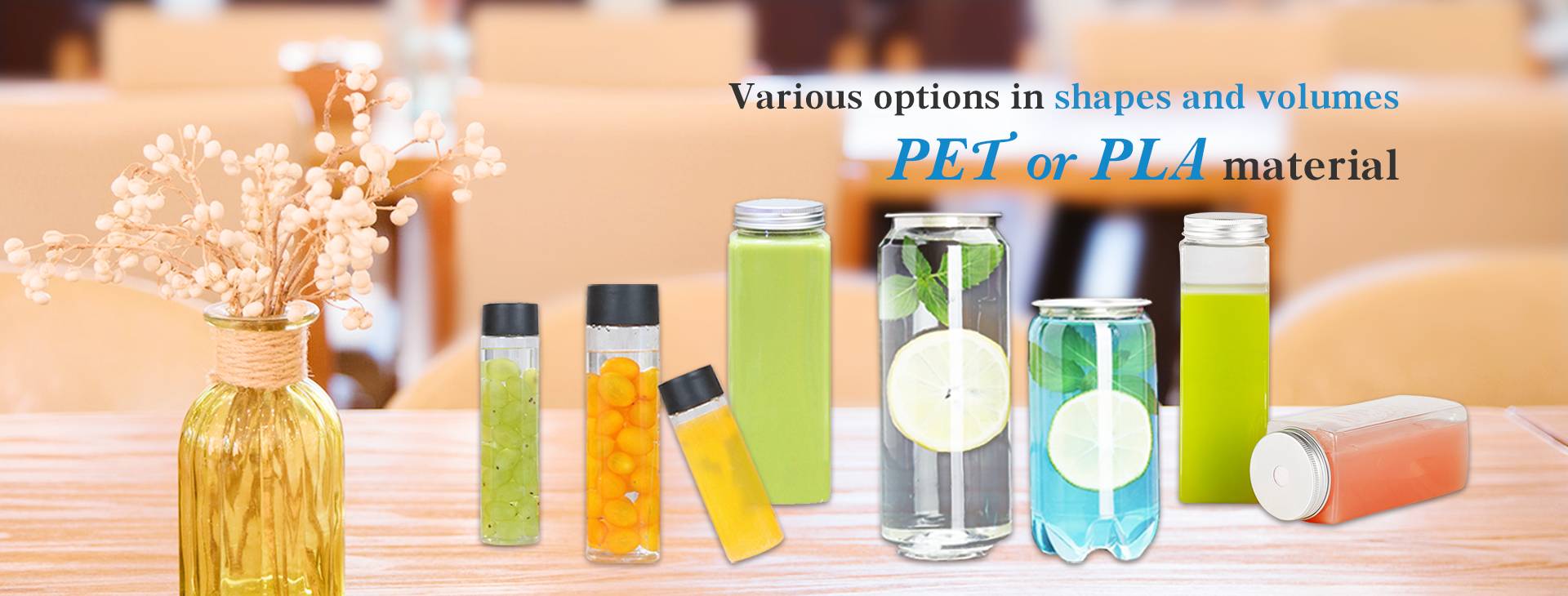
Biodegradable Sugarcane bagasse box - China Manufacturer
I'm a China-based Manufacturer offering a Biodegradable Sugarcane bagasse box that aligns with sustainable packaging goals and growing demand from B2B buyers. This box is made from reclaimed sugarcane fiber, compostable in industrial facilities, and provides sturdy protection for foods, beverages, and gifts. Light yet strong, it resists moisture and grease, keeping products presentable from warehouse to doorstep. We customize sizes, prints, and branding with low MOQ, enabling you to scale across channels. The box ships flat to save space and reduce logistics costs, with reliable stackability and easy assembly. I can provide moisture seal options and liner choices to extend shelf life. As a China Manufacturer, we ensure consistent quality control, competitive pricing, and short lead times. Sustainability doesn't have to compromise performance—our Biodegradable Sugarcane bagasse box reduces carbon footprint while supporting circular economy goals. Partner with us for compliant, cost-effective packaging that resonates with eco-conscious customers in China and beyond.


Biodegradable Sugarcane bagasse box Industry Leaders Where Innovation Meets 2025
As industry leaders shape the biodegradable sugarcane bagasse box market toward 2025, buyers can expect products that blend performance, sustainability and scalability. Advanced molding and pulping techniques deliver sturdy, grease- and leak-resistant containers that are heat- and microwave-safe, fully compostable and compliant with international standards. Ongoing R&D focuses on lighter-weight designs, improved barrier properties and eco-friendly additives to meet foodservice, retail and e-commerce demands while lowering total cost of ownership. Backed by large-scale manufacturing in Shanghai with rigorous quality systems and global export experience, we offer OEM/ODM customization, short lead times and flexible minimums to support global procurement strategies. From certification-ready samples to volume production and coordinated logistics, strategic partnerships with proven suppliers enable reliable supply chains and measurable sustainability gains—ideal for buyers seeking to future-proof packaging through 2025 and beyond.
| Entity | Headquarters Region | Annual Production Capacity (metric tonnes/year) | Primary Fiber Source | Typical End‑use Sectors | Certifications / Standards | Industrial Composting Performance | % Pre‑consumer / Recycled Fiber | R&D Investment (% of revenue) | Notable Innovation |
|---|---|---|---|---|---|---|---|---|---|
| Producer A | Southeast Asia | 28,000 | 100% sugarcane bagasse (chemical pulp) | Foodservice, takeaway containers, retail trays | EN 13432 · OK Compost INDUSTRIAL · ISO 14001 | Disintegration: 12 weeks · Biodegradation: ~90% within 180 days (industrial) | 0–5% | 2.5% | Steam‑assisted pulping to reduce freshwater use |
| Producer B | Latin America | 55,000 | Bagasse blended with ~20% pre‑consumer recycled fiber | Bulk packaging, produce boxes, industrial trays | EN 13432 · BPI listing · ISO 14001 | 12 weeks disintegration · 90% biodegradation within 6 months (industrial) | 20% | 3.8% | Low‑temperature drying process for energy savings |
| Producer C | India | 12,000 | Bagasse (mechanical pulping) · TCF bleaching options | Takeaway boxes, pharmaceutical secondary packaging | EN 13432 · ISO 14001 | Industrial composting: 12 weeks / ~180 days to ≥90% biodegradation | 10% | 1.6% | Closed‑loop water recirculation achieving ~70% reuse |
| Producer D | Europe | 40,000 | Bagasse with water‑based compostable barrier coatings (PLA or equivalent) | Foodservice trays, grease‑resistant packaging | EN 13432 · OK Compost INDUSTRIAL · ISO 14001 | Designed to meet EN 13432: 12 weeks disintegration; ~90% biodegradation in 6 months | 15% | 5.2% | Enzymatic sizing for compostable grease resistance |
| Producer E | North America | 22,000 | Bagasse pulp (ECF bleaching options) | Single‑use foodservice, bakery packaging | BPI listed components · ASTM D6400 (where applicable) · ISO 14001 | Industrial composting: consistent disintegration within 12 weeks; biodegrades to ~90% within 6 months | 5% | 4.0% | High‑speed forming lines reducing cycle times and energy per unit |
| Producer F | Middle East & North Africa | 7,500 | Bagasse blended with ~10% bamboo pulp | Retail packaging, cosmetics secondary packaging | EN 13432 · ISO 14001 | 12 weeks disintegration target · industrial biodegradation ≈90% by 180 days | 8% | 1.2% | Hybrid fiber blends to improve stiffness while maintaining compostability |
| Producer G | East Asia (China) | 120,000 | Industrial-scale bagasse pulp; ECF bleaching; integrated cogeneration | Wholesale trays, corrugated substitutes, industrial food service | EN 13432 · ISO 14001 | Designed for industrial composting: 12 weeks disintegration; ~90% biodegradation within 180 days | 25% | 6.5% | Integrated cogeneration and waste‑heat recovery to lower carbon intensity |
| Producer H | Oceania (Australia / NZ) | 9,800 | Bagasse with up to 30% post‑industrial recycled fibers | Compostable food trays, plant pots, retail packaging | EN 13432 · OK Compost INDUSTRIAL | Meets industrial composting targets: 12 weeks disintegration; ≥90% biodegradation within ~180 days | 30% | 3.1% | Bio‑based additives to accelerate microbial breakdown in commercial composting |
Related Products


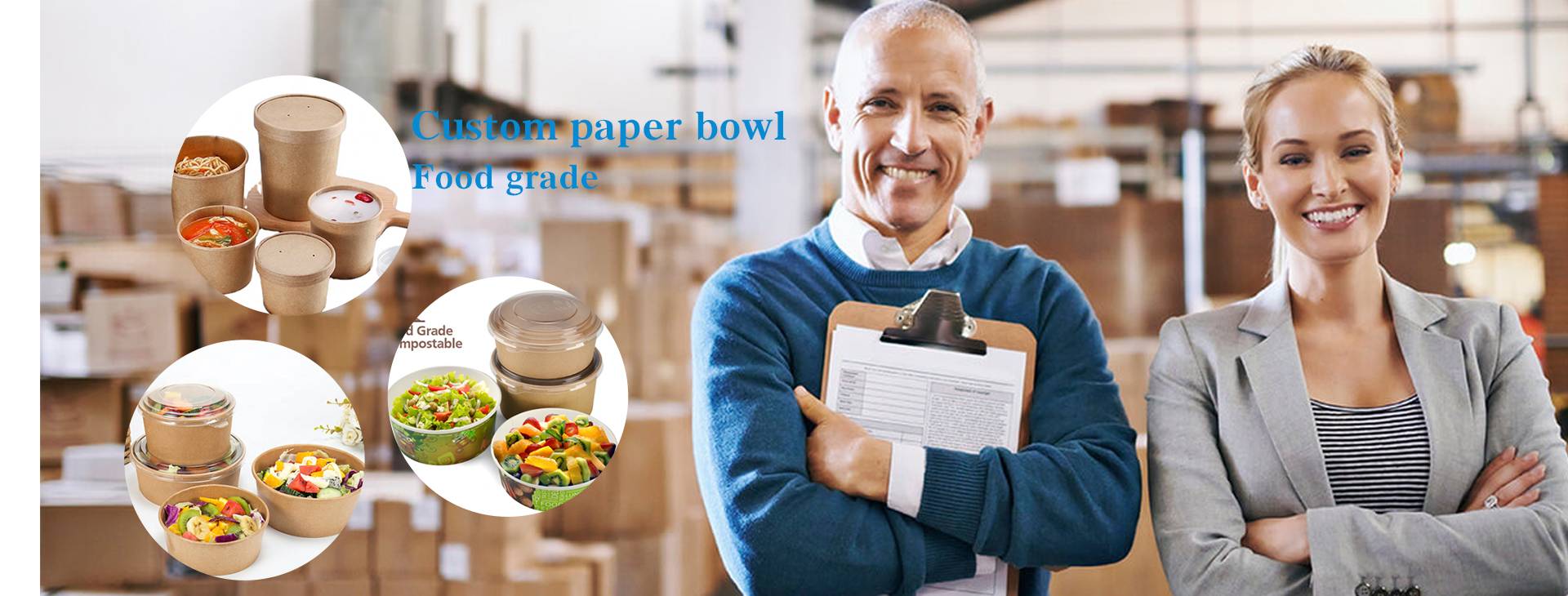
Biodegradable Sugarcane bagasse box Application Winning in 2025
Top Selling Products




- Related Blog
- Reviews
- Reviews
