



China Aluminum Foil Food Container & Disposable Foil Containers price
From my factory in China, I talk straight about Aluminum Foil Food Container and Disposable Foil Containers price and value. I’m a dedicated manufacturer serving B2B buyers who want steady supply, top quality and fair terms. You’ll find my range includes standard bakeware, rectangle and round containers, with sturdy lids and reliable heat-seal foil. I know your procurement team needs consistent lead times, reasonable MOQ, and prices that stay competitive across season changes, so I offer transparent pricing and flexible packaging. As a China-based Manufacturer, I can tailor sizes, thickness and printing options to fit your brand while keeping costs in check. My containers are safe for oven and freezer use, with strong barrier performance to lock in flavor and moisture. Let me support your distribution channel with reliable stock, quick shipping, and responsive service. If you seek value, quality, and a real partner in Aluminum Foil Food Container and Disposable Foil Containers price, I’m here.


China Aluminum Foil Food Container and Disposable Foil Containers price Supplier Winning in 2025
As global demand for convenient, safe and cost-effective food packaging climbs, China’s aluminum foil food containers and disposable foil trays stand out in 2025 for unbeatable price-to-value ratios. Efficient large-scale production, raw-material sourcing strategies and automated lines enable competitive pricing without sacrificing food-grade quality, dimensional consistency or compliance with international standards. Buyers gain stable lead times, flexible minimum orders and reliable batch testing that keep supply chains predictable. Beyond price, modern suppliers emphasize customization, recyclable material choices and traceable manufacturing to meet retail, catering and export regulations worldwide. Options for custom sizes, embossed lids, printing and bulk logistics solutions make these foil containers a practical choice for importers seeking low total cost of ownership, fast time-to-market and scalable partnerships throughout 2025 and beyond.
| Product Category | Typical Use | Material Composition | Typical Thickness (µm) | Standard Dimensions (mm) | Capacity (ml) | Max Oven Temp (°C) | Microwave Use | Recyclability | Common Certifications | Manufacturing Process | Typical Lead Time (weeks) |
|---|---|---|---|---|---|---|---|---|---|---|---|
| Heavy-Duty Single-Compartment Tray | Oven roasting, restaurant takeout | Aluminum foil ≥99% Al with reinforced rim | 40–60 | 200 × 150 × 45 | 800 | 300 | Not recommended | Widely recyclable (aluminum) | FDA, REACH, ISO 9001 | Roll forming & stamping | 4–6 |
| Multi-Compartment Meal Tray (2–3) | Meal delivery, airline/rail catering | Aluminum foil laminated edge for rigidity | 30–50 | 260 × 200 × 40 (multi-compartments) | 900 (combined) | 250 | Not recommended | Recyclable; often reused in recycling streams | FDA, LFGB (food contact), REACH | Progressive stamping | 3–5 |
| Deep Foil Pan | Catering, buffet service, baking large dishes | Thicker aluminum alloy for rigidity | 60–80 | 400 × 280 × 70 | 2500 | 320 | Not recommended | Highly recyclable | FDA, REACH, ISO 14001 (manufacturing) | Deep draw & hemming | 4–7 |
| Shallow Baking Tray | Pastry, sheet-baking, commercial bakeries | Standard food-grade aluminum foil | 16–24 | 330 × 200 × 25 | 600 | 220 | Not recommended | Recyclable in curbside programs (where accepted) | FDA, REACH | Cold roll & trimming | 2–4 |
| Round Bowl with Lid (disposable) | Soups, hot meals, takeout | Aluminum bowl + compatible press-fit or cardboard lid | 24–35 | Ø120 / Ø160 × 45 | 350–700 | 200 | Not recommended (lid limits heat) | Recyclable (remove non-aluminum parts) | FDA, LFGB where applicable | Deep draw + lid seaming (when metal lid) | 3–5 |
| Roll-Formed Foil (sheet rolls) | Custom forming, industrial converters | Continuous aluminum foil, variable alloy | 10–20 (standard); up to 120 for special rolls | Width up to 1500 mm (custom length) | N/A | Depends on end use | Not applicable | Highly recyclable | REACH, ISO 9001, ISO 14001 | Continuous rolling & slitting | 2–6 (depending on customization) |
| Sealable Meal Container (compatible with paperboard lid) | Meal delivery, sealed hot/cold meals | Medium-gauge foil with reinforced flange | 35–45 | 250 × 175 × 40 (with flange) | 850 | 220 | Not recommended | Recyclable if lid materials separated | FDA, REACH | Stamping + flange forming | 3–5 |
| Snack & Small Portion Tray | Finger food, desserts, appetizers | Light-gauge food-grade aluminum | 12–18 | 120 × 90 × 20 | 150–300 | 200 | Not recommended | Recyclable | FDA, REACH | Blanking & shallow draw | 2–4 |
| Industrial Catering (Gastronorm / GN pans) | Large-scale catering, hotel kitchens | Extra-thick aluminum alloy (GN compatible) | 80–120 | 530 × 325 × 100 (GN 1/1 example) | Up to 8000 | 300 | Not recommended | Recyclable (industrial collection) | FDA, REACH, ISO 9001 | Deep draw, reinforced hemming | 4–8 |
Related Products

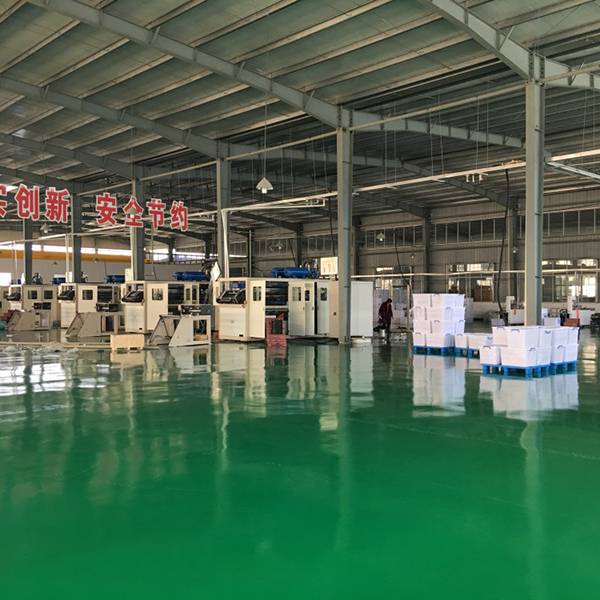

China Aluminum Foil Food Container and Disposable Foil Containers price Stands Out More Than a Supplier - A Partner
Top Selling Products



- Related Blog
- Reviews
- Reviews
