



China Bottle and Plastic Bottle price - China Manufacturer
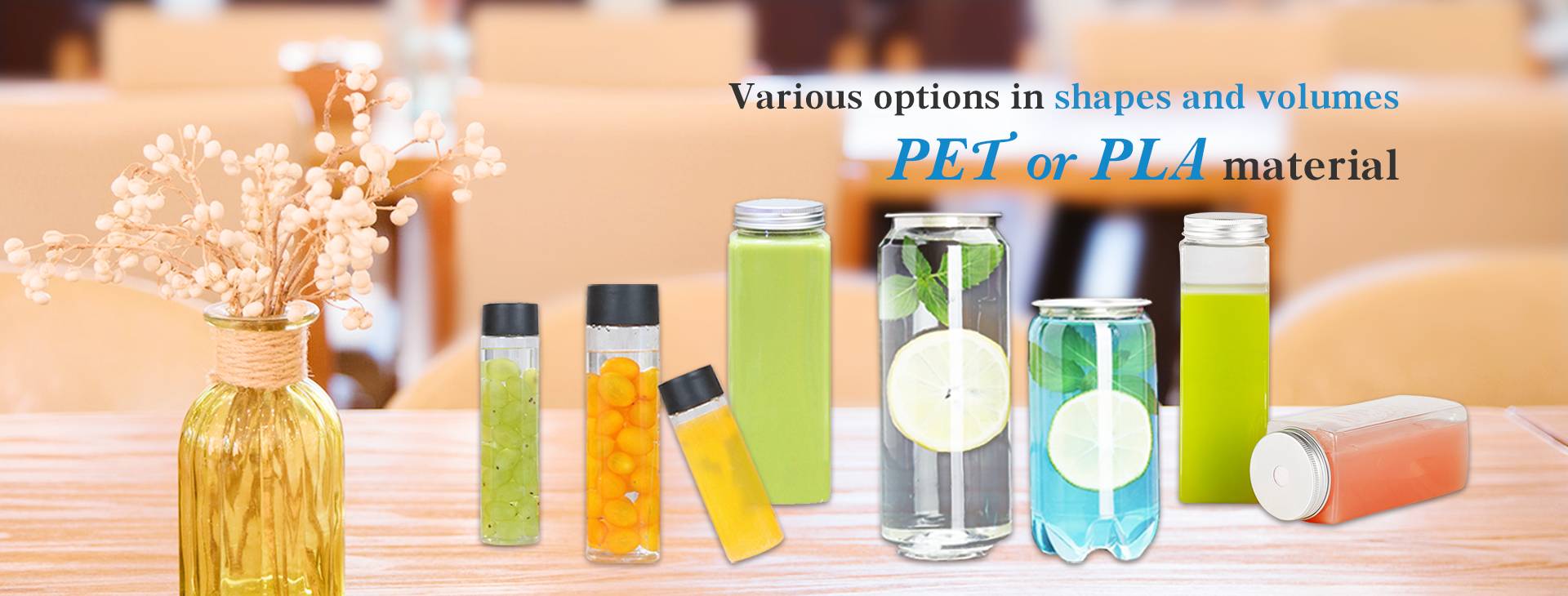
We are a China-based manufacturer specializing in bottles and plastic packaging for cosmetics, food, and household brands. Our team produces PET and HDPE bottles in a wide range of sizes, from mini dropper bottles to large carafe options, all with leak-proof caps and tamper-evident options. If you compare the China Bottle and Plastic Bottle price, you’ll see our bulk pricing and stable supply chain stands out. We offer full customization—shapes, colors, neck finishes, labels, and bottling lines—to fit your branding. Quality is guaranteed with ISO, SGS, and FDA-friendly materials, plus rigorous QC at every step. As a Manufacturer, we understand your need for reliable lead times, MOQ flexibility, and scalable production. We serve international buyers in China and worldwide, with clear documentation and responsive support. Ready to discuss your packaging needs or get a tailored quote?


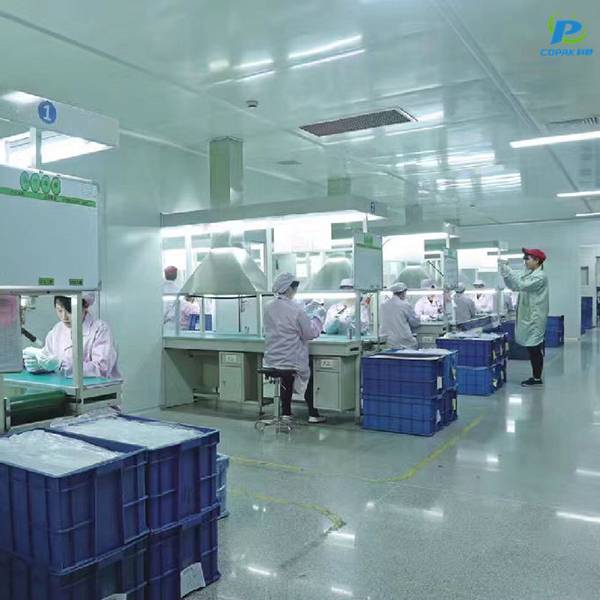
China Bottle and Plastic Bottle price Factory Factory-Direct Excellence
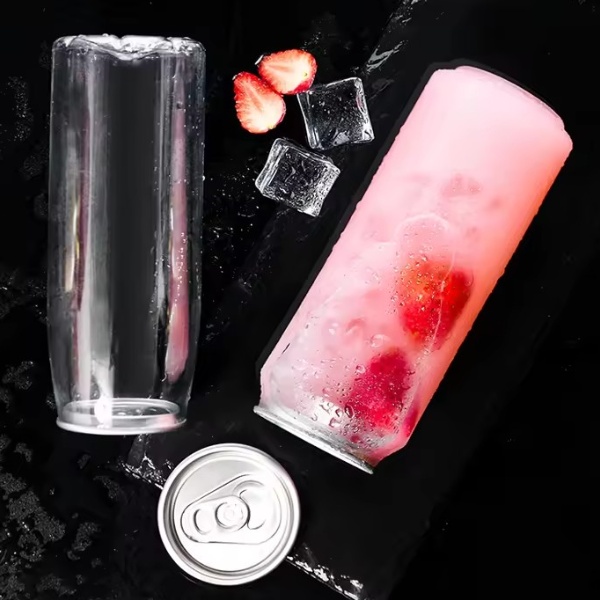
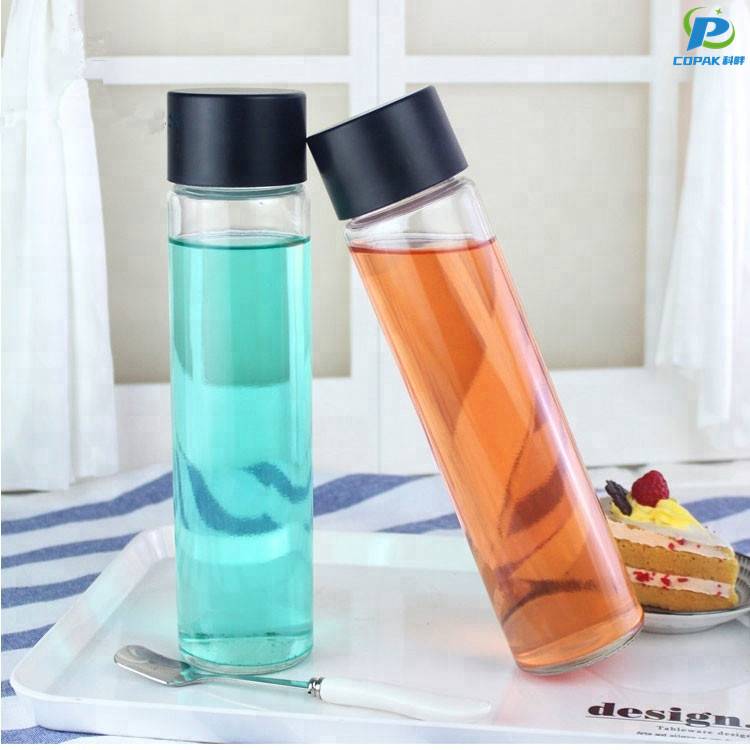
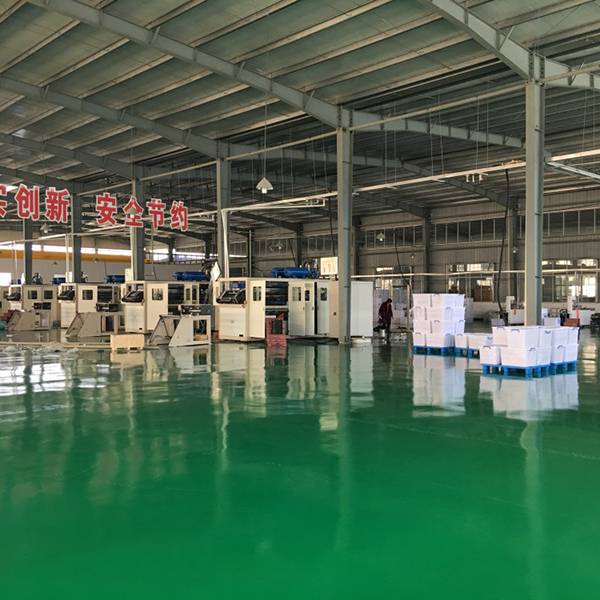
Sourcing bottles directly from Chinese factories offers unbeatable value: factory‑direct pricing, streamlined logistics, and reliable quality control. Vertically integrated production combines large‑scale molding, blow‑fill‑seal and injection capabilities to deliver glass, PET, HDPE and specialty polymer bottles at competitive cost‑per‑unit. Rigorous QC, traceable raw materials and internationally recognized certifications ensure safety and compliance for cosmetics, food & beverage, pharmaceuticals and industrial applications. Global buyers benefit from flexible MOQs, tailored design and labeling services, rapid prototyping and optimized freight solutions that lower total landed cost. Sustainable options—PCR content, bio‑based resins and lightweighting—cut environmental impact without sacrificing performance. For procurement teams seeking consistent supply, transparent pricing and scalable production, factory‑direct partnerships unlock margin, speed and reliability.
| { China Bottle and Plastic Bottle price Factory Factory-Direct Excellence} | ||||||||||
|---|---|---|---|---|---|---|---|---|---|---|
| Product Category | Material | Typical Capacity (ml) | Wall Thickness (mm) | Manufacturing Process | Common Applications | Resin ID / Recyclability | Density (g/cm³) | Typical Certifications | Typical Lead Time (weeks) | Remarks |
| Standard PET Bottle | PET (Polyethylene Terephthalate) | 250 | 0.35 - 0.50 | Injection Stretch Blow Molding (ISBM) | Beverages, water, liquid foods | 1 (widely recyclable) | 1.38 | ISO 9001; FDA food-contact guidance | 2 - 5 | High clarity, lightweight, good gas barrier for short-term storage |
| HDPE Bottle | HDPE (High-Density Polyethylene) | 500 | 0.9 - 1.8 | Extrusion Blow Molding | Household chemicals, dairy, personal care | 2 (highly recyclable) | 0.95 | ISO 9001; EU food contact compliance | 2 - 6 | Good chemical resistance, opaque options, robust for squeezable designs |
| PP Jar / Bottle | PP (Polypropylene) | 100 | 0.8 - 1.6 | Injection Molding / Injection Blow | Cosmetics, healthcare, condiments | 5 (recyclable in many regions) | 0.90 | ISO 9001; LFGB where applicable | 2 - 5 | Good heat resistance; suitable for hot-fill in specific grades |
| PCR PET Bottle | PCR PET (Post-Consumer Recycled PET) | 330 | 0.40 - 0.60 | ISBM with recycled-content preforms | Water, juices, sustainable product lines | 1 (recyclable; contains recycled content) | 1.36 - 1.38 | ISO 14001; Recycled material traceability standards | 3 - 6 | Lower virgin clarity depending on PCR percentage; sustainability-focused |
| LDPE Squeeze Bottle | LDPE (Low-Density Polyethylene) | 120 | 0.6 - 1.2 | Extrusion Blow Molding / Co-extrusion | Condiments, personal care, travel-sized containers | 4 (recyclable in select streams) | 0.92 | ISO 9001; Food-contact guidance | 2 - 4 | Flexible walls, good squeeze performance, often used with flip or disc caps |
| Glass Bottle (Press-and-Blow) | Soda-lime Glass | 750 | 1.8 - 3.5 | Press-and-Blow / Blow-and-Blow | Wine, spirits, premium beverages | Glass (infinitely recyclable) | ~2.50 | ISO 9001; Food-contact standards | 4 - 8 | Rigid, premium perception, heavier transport footprint but highly recyclable |
| PET Cosmetic Bottle (Opaque) | PET with masterbatch | 100 | 0.45 - 0.70 | ISBM with color/masterbatch | Shampoo, lotion, cosmetic liquids | 1 (recyclability varies by color) | 1.37 | ISO 9001; Cosmetic product-contact compliance | 2 - 5 | Opaque finish protects light-sensitive formulas; compatible with pump closures |
| PVC Bottle (Non-food uses) | PVC (Polyvinyl Chloride) | 200 | 0.7 - 1.5 | Extrusion / Injection Blow | Industrial chemicals, some household products (non-food) | 3 (limited recycling streams) | 1.30 - 1.45 | ISO 9001; Industrial material safety standards | 3 - 5 | Good clarity and rigidity; restricted in many food-contact applications |
| Multi-layer Barrier Bottle | PET / EVOH / PET co-extrusion | 330 | 0.60 - 0.90 | Multi-layer ISBM / Co-extrusion | Oxygen-sensitive beverages, long shelf-life liquids | 1 with special recycling considerations | ~1.38 (composite) | ISO 9001; EU barrier material regulations | 3 - 7 | Enhanced barrier via EVOH; recycling depends on local sorting capabilities |
| HDPE Wide-mouth Jar | HDPE | 1000 | 1.2 - 2.4 | Blow Molding / Compression | Food pastes, industrial greases, bulk personal care | 2 (recyclable) | 0.95 | ISO 9001; Food-contact where applicable | 2 - 6 | Stable geometry for handling; commonly used with screw caps |
Related Products


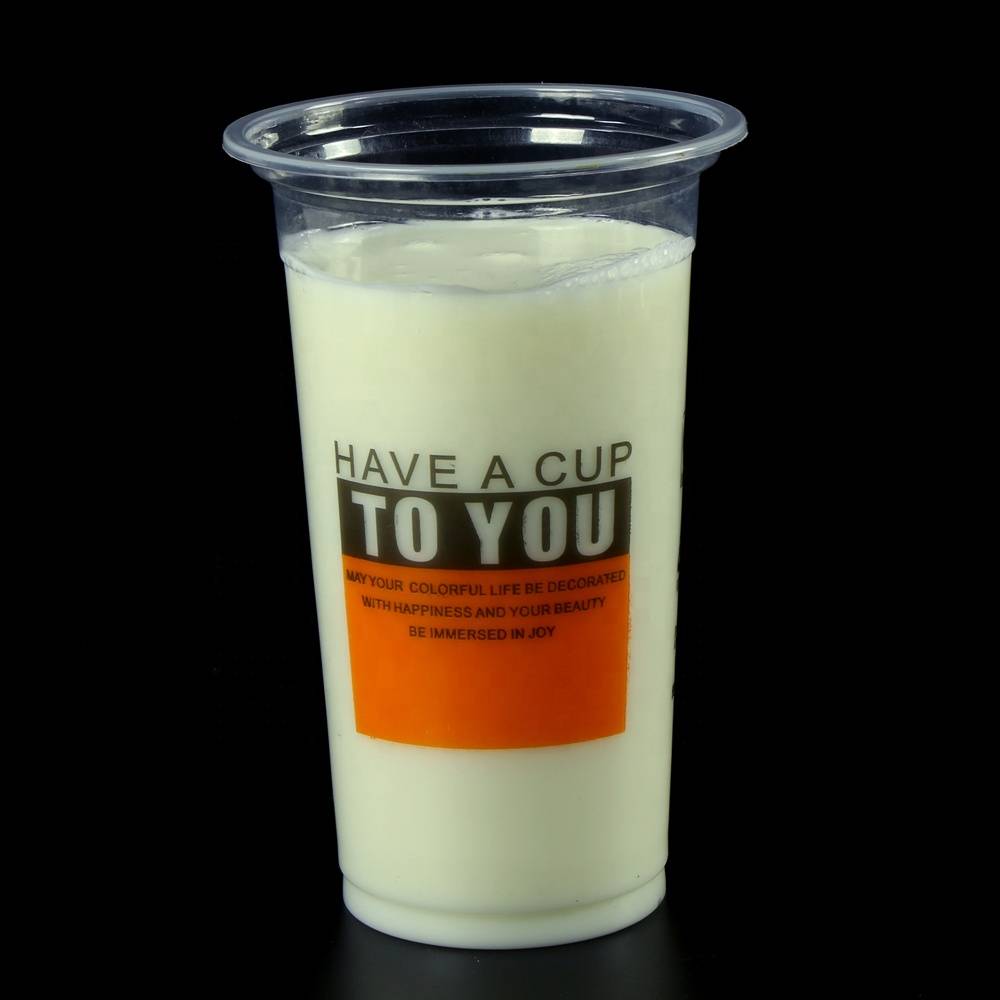
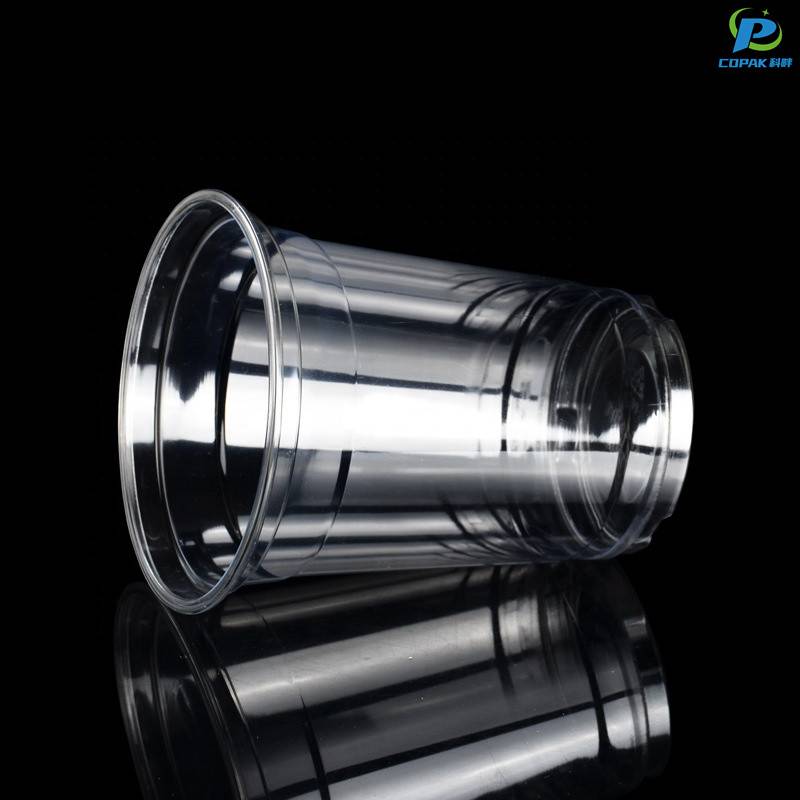
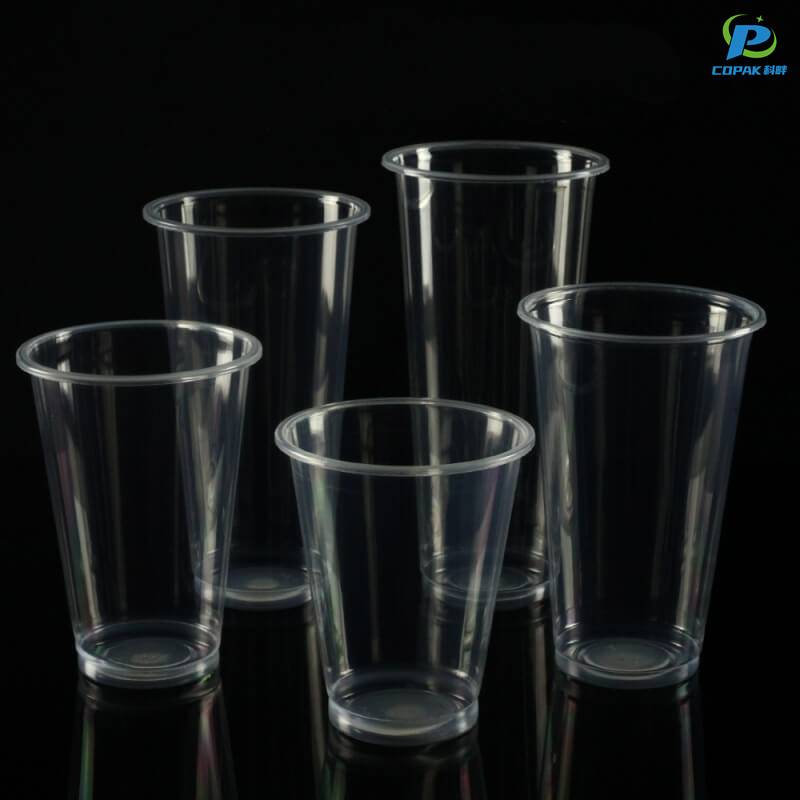
China Bottle and Plastic Bottle price Manufacturer Pioneers in the Field
Top Selling Products




- Related Blog
- Reviews
- Reviews
