



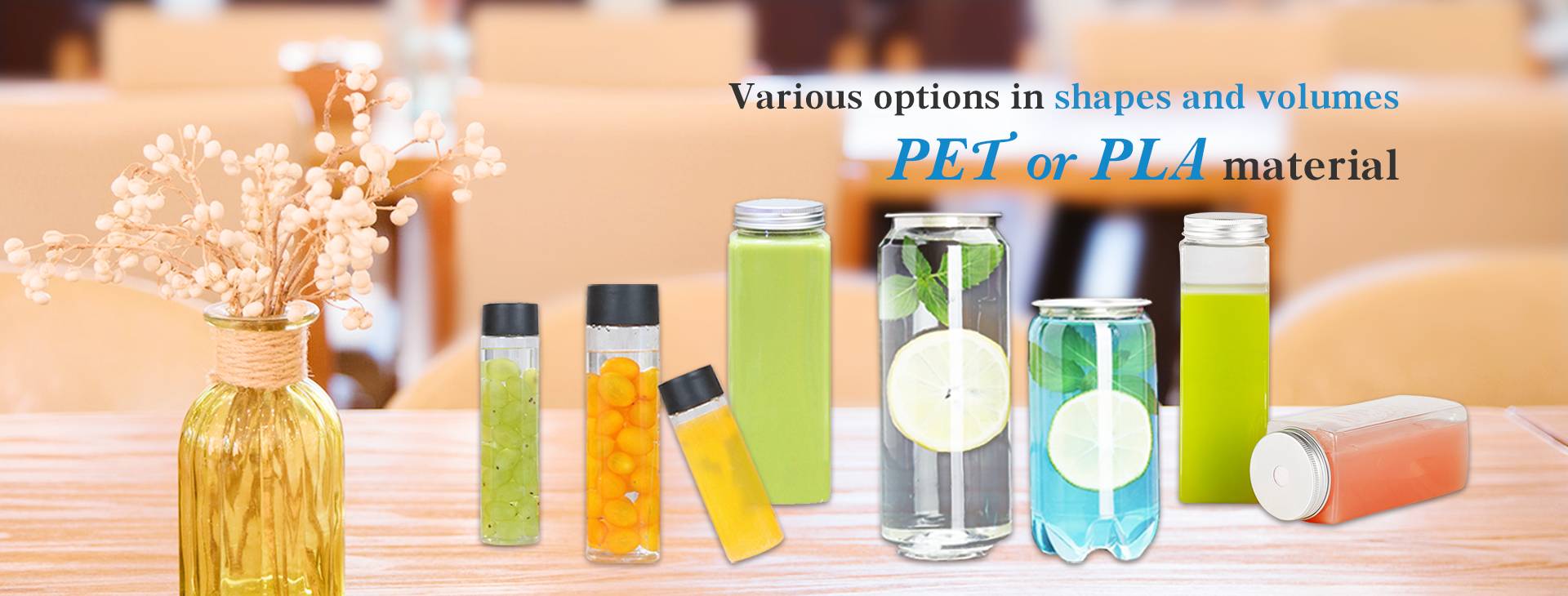
Custom Printed PET Cup Manufacturer in China
From our factory in China, I offer Custom Printed PET Cup designed for brands and retailers who want stand-out takeaway solutions. As a manufacturer, I know that speed, quality, and reliable customization matter. We provide food-grade PET cups with safe inks for direct contact, compatible with cold drinks, vending, events. You can choose sizes, colors, and print up to full wrap. We ensure FDA/EU food contact compliance and meet leak-resistance tests. Our production line uses high-precision printing and lamination, so colors stay bright. MOQ is flexible for trials, then scalable for mass orders. Lead times are short, and we ship directly to warehouses or event sites. For China buyers looking for a trusted partner, I offer transparent pricing, pre-production samples, and a dedicated account manager. I take pride in helping you build your brand with Custom Printed PET Cup that stands out in crowded markets. Contact me to discuss your artwork, timeline, and packaging options today.
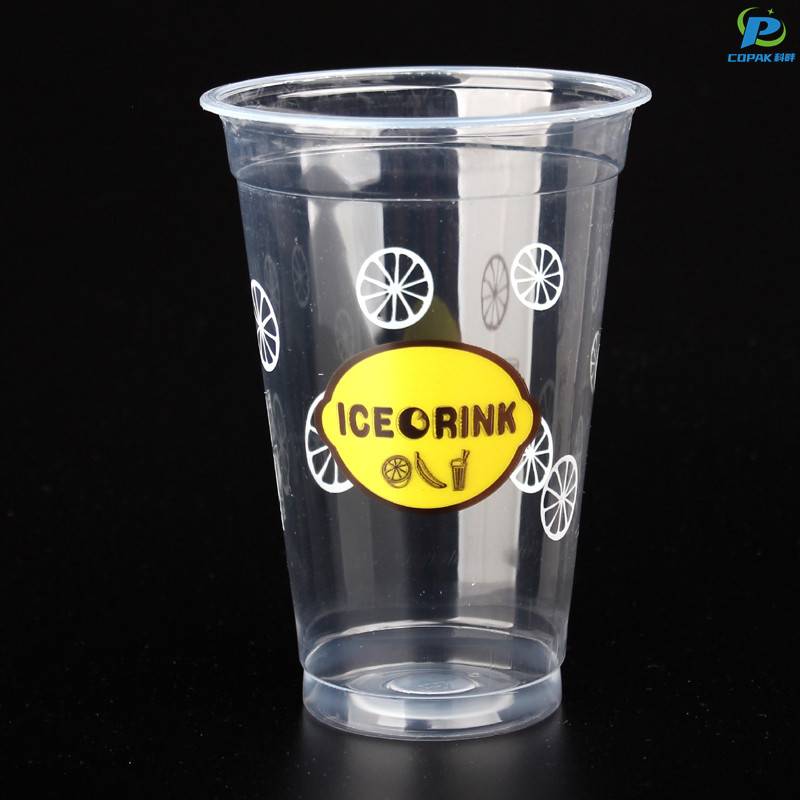
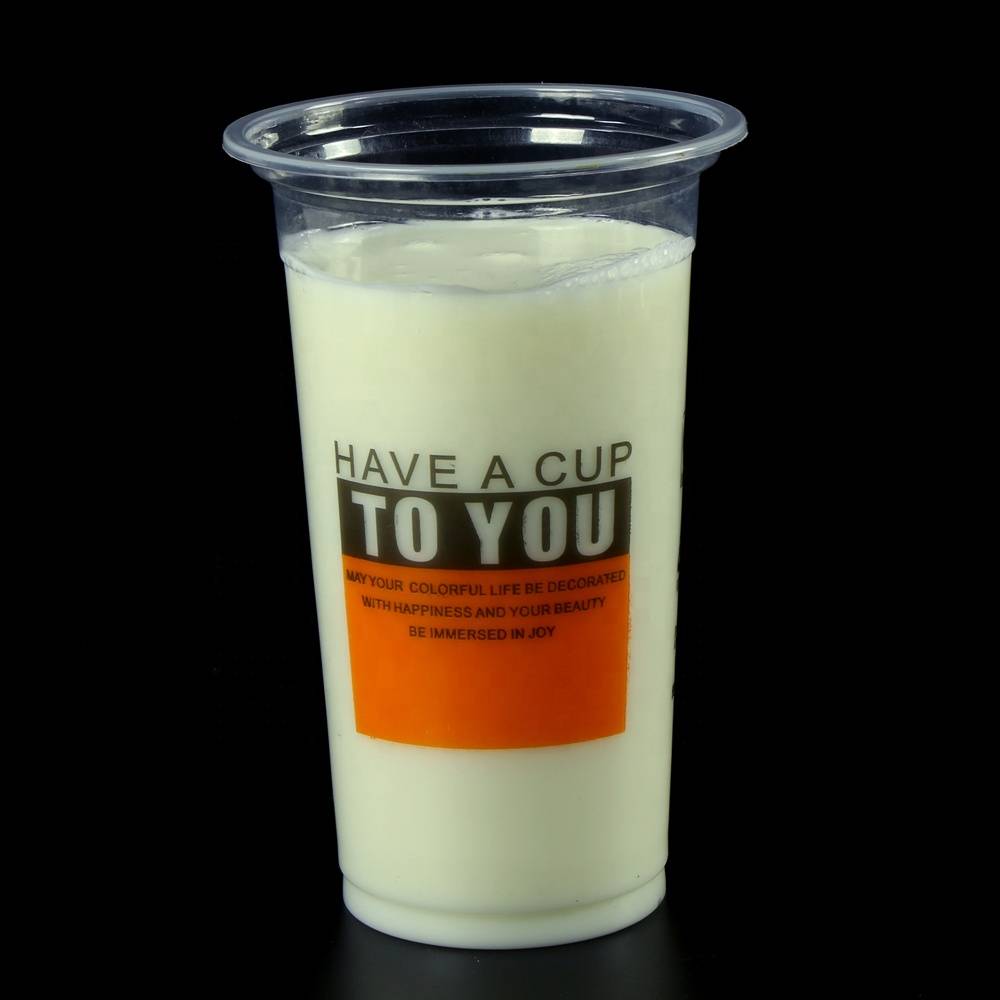
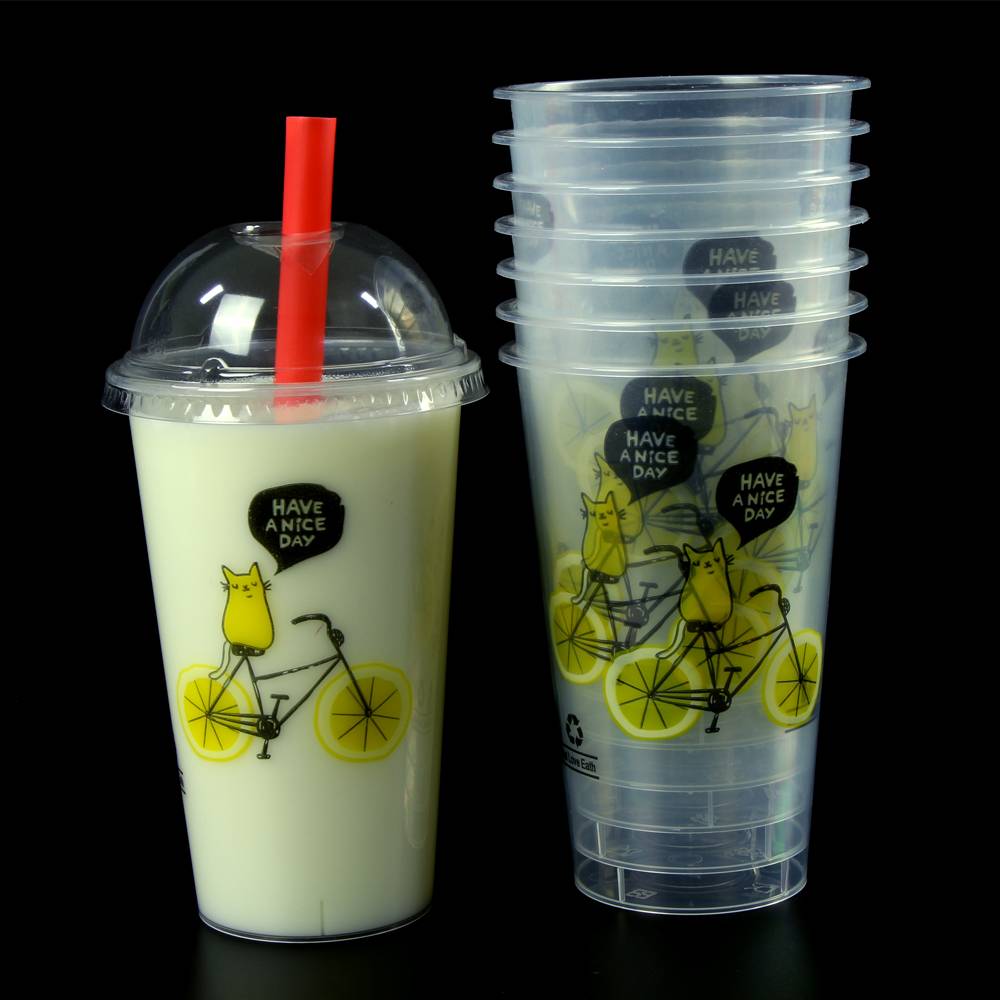


Custom Printed PET Cup Application Global Reach
Custom printed PET cups combine lightweight durability, crystal-clear presentation and cost-effective customization—ideal for cold beverages, desserts, catering, events and retail promotions. A Shanghai-based manufacturer with extensive export experience offers full-color printing (screen, flexo, digital) on a wide range of sizes and lid options, plus food-contact compliance and recyclable material choices including PCR PET. High clarity printing, matte or gloss finishes and tamper-evident lids help elevate brand perception across markets. Global buyers benefit from flexible MOQs, reliable quality control, streamlined logistics and OEM/ODM support that shortens lead times and simplifies cross-border sourcing. Choosing customized PET solutions reduces packaging weight and transport costs while providing on-trend branding opportunities for cafés, quick-service chains, supermarkets and international promotions.
| Region | Key End-Use Sectors | Estimated Annual Market Volume (million units) | Typical Customization Types | Common Sizes (ml) | Regulatory / Labeling Highlights | Material / PET Grade Notes | Recyclability Rate (post-consumer %) | Typical Distribution Channels | Common Environmental Initiatives |
|---|---|---|---|---|---|---|---|---|---|
| North America | Foodservice (cold drinks, smoothies), quick-serve restaurants, events, retail takeaway | ~2,400 | Flexographic printing, UV digital printing, shrink-sleeve labels, spot varnish | 200 / 350 / 473 / 700 | US FDA food-contact compliance; resin identification code (1); state-level labeling for recycling | Clear PET (PET1); increasing use of rPET blends (10–50% typical in consumer cups) | 30–40% | Foodservice suppliers, hospitality distributors, promotional goods channels | Design-for-recycling, higher rPET targets, collaboration with municipal collection programs |
| Europe | Retail cold beverages, festivals & events, supermarket ready-to-drink cups, vending | ~1,800 | Gravure/flexo printing, digital on-demand, full-body shrink sleeves, multi-color litho | 150 / 250 / 330 / 500 | EU food-contact Framework (Reg. (EU) No 10/2011), recycling labels (e.g., Green Dot variations), EPR schemes active | High rPET acceptance; many spec cups contain 20–60% rPET; clear and recycled-clear grades | 45–55% | HORECA, event suppliers, supermarket private-label beverage packs | Mandatory EPR, recycled-content targets, closed-loop collection pilots, mono-material design |
| Asia-Pacific | Street food & beverage, bubble tea chains, convenience retail, catering | ~5,500 | Flexo & rotogravure for high run lengths, digital for short runs, heat-shrink sleeve common | 200 / 300 / 400 / 600 | Wide national variation — some markets follow Codex/ISO food-contact guidance; labeling focused on usage instructions | PET grades range from virgin PET to mixed rPET (pilot programs); clarity and oxygen barrier variants used for specific drinks | 20–40% (wide variability by country) | Local packaging converters, beverage chains, wholesale distributors | Rapid adoption of rPET in urban centers, beverage-chain take-back pilots, lightweighting efforts |
| Latin America | Street vendors, quick-serve outlets, event & festival use, retail promotions | ~650 | Flexo printing common, simple full-wrap labels, digital printing for short runs | 250 / 350 / 500 | National food safety standards apply; recycling labels and infrastructure vary considerably across countries | Mostly clear PET; rPET use growing but limited by supply chain constraints (5–25% typical) | 15–25% | Local distributors, promotional partners, event suppliers | Localized recycling initiatives, informal collection integration, lightweighting to reduce transport footprint |
| Middle East & Africa | Municipal events, hospitality, retail beverages, seasonal festivals | ~320 | Flexo printing and simple labels; digital printing for boutique/short runs | 180 / 330 / 500 | Regulatory frameworks developing; food-contact approvals often reference international standards | Clear PET dominant; rPET uptake limited but increasing in some urban markets (5–20%) | 10–20% | Event suppliers, hospitality procurement, regional distributors | Awareness campaigns, pilot recycling programs, focus on reducing single-use impact at large events |
Related Products



Custom Printed PET Cup Guarantees Peak Performance Exceeds Industry Benchmarks
Top Selling Products







- Related Blog
- Reviews
- Reviews
