



Paper Bowls 20 Oz - China Manufacturer for Reliable Foodservice
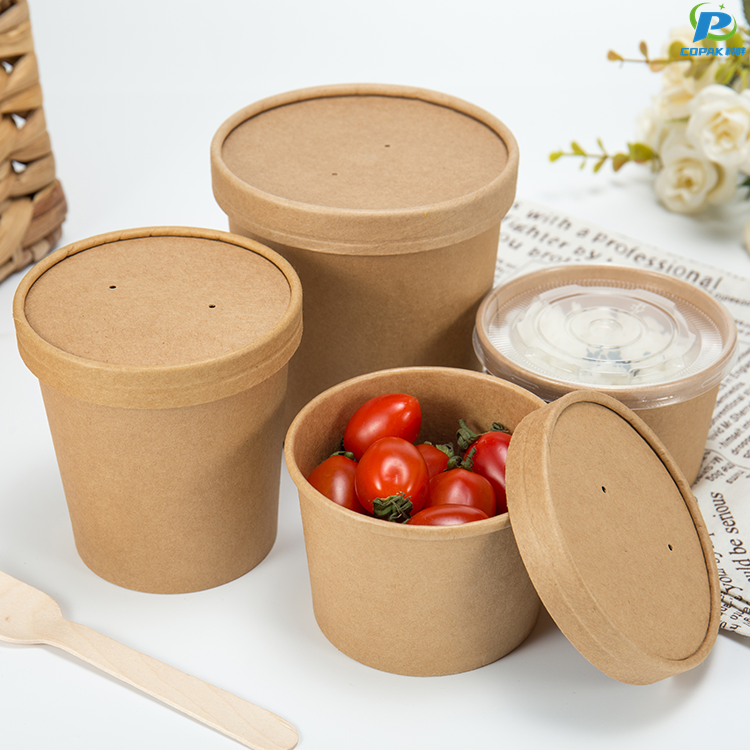
We are a China-based Manufacturer delivering reliable, cost-effective disposable serveware. Paper Bowls 20 Oz are designed for busy kitchens, caterers, and take-away brands who demand consistency from batch to batch. My team sources strong, food-grade paper with a leak-resistant interior to handle hot soups and sauces without soggy rims. They stack neatly for storage and transport, helping you save space and shipping cost. We offer bulk pricing, flexible MOQs, and fast lead times to support menus and promos. Customization options, including logo printing and custom packaging, are available to help you strengthen your brand. Each order is subjected to strict quality checks for weight, heat tolerance, and cleanliness, so you can trust them in your line. If you’re shopping for a dependable Paper Bowls 20 Oz supplier from China, I’m ready to discuss your requirements and set a reliable supply plan that grows with your business.



Paper Bowls 20 Oz Products Leads the Global Market
20 oz paper bowls have surged ahead in the global market by blending practicality with sustainability. Engineered for stability and heat retention, they handle soups, noodles, salads and hot dishes without leaking or collapsing. Constructed from responsibly sourced fibers with food-safe linings (PE or compostable PLA options), these bowls meet major international food-contact standards and can be produced in single- or double-wall formats to suit different use cases and price points. For global buyers seeking reliable supply, these products offer scalable manufacturing, flexible customization (print, color, coating), rigorous quality control and competitive pricing to support retail, catering and private-label needs. Short lead times, volume discounts and streamlined logistics make them a smart choice for businesses prioritizing performance, sustainability and cost-efficiency in diverse markets.
| Region | Estimated Market Share (%) | Annual Shipments (Million units, 2025 est.) | 5‑year CAGR (2021–2026) | Primary Material / Lining | Typical Use Cases | Avg Unit Weight (g) | Post‑consumer Recycling Rate (%) | Key Regulatory Standards | Notable Growth Drivers |
|---|---|---|---|---|---|---|---|---|---|
| Asia‑Pacific | 32 | 12,000 | 6.2% | PE‑coated paperboard (high availability) | Street food, quick‑service restaurants, delivery | 18 | 12 | National food contact regulations; increasing adoption of compostability standards | Rapid urbanization, strong food delivery growth, low-cost manufacturing |
| North America | 28 | 6,000 | 4.5% | Paperboard with PE or PLA lining (mixed) | Takeout, catering, institutional dining | 22 | 30 | FDA food contact compliance; growing compostability certifications (ASTM D6400 equivalent) | Strong food delivery & suburban QSR demand; sustainability-driven shift to compostable options |
| Europe | 26 | 5,500 | 4.0% | Paperboard with compostable PLA / kraft options | Cafés, events, regulated public procurement | 20 | 45 | EU Food Contact Regulation (EC 1935/2004); EN 13432 for compostability | Stringent single‑use regulations; growth in certified compostable products and municipal collection |
| Latin America | 6 | 1,300 | 3.8% | Paperboard with PE lining (predominant) | Street vendors, hospitality, retail food counters | 24 | 10 | Local food safety regulations; emerging compostability guidelines | Expanding quick‑service market and informal food sectors; cost sensitivity |
| Middle East & Africa | 5 | 950 | 3.5% | Paperboard (mixed linings), increasing molded fiber trials | Events, hospitality, street food | 26 | 8 | Regional food contact rules; gradual uptake of compostability standards | Growing urban food service, tourism recovery, pilot sustainability programs |
| Other (incl. Oceania) | 3 | 250 | 3.0% | Mixed paperboard and molded fiber | Specialty retail, outdoor events | 23 | 20 | Local food contact compliance; adoption of international compostability norms | Niche premium and eco‑friendly product demand |
| Global total / weighted avg. | 100 | 26,000 | 4.9% | Paperboard (various linings) | All major foodservice segments | 21.2 | 22 | Regional food contact regulations; global compostability standards increasingly relevant | Delivery economy, sustainability substitution (compostable alternatives), regulatory pressure |
Related Products



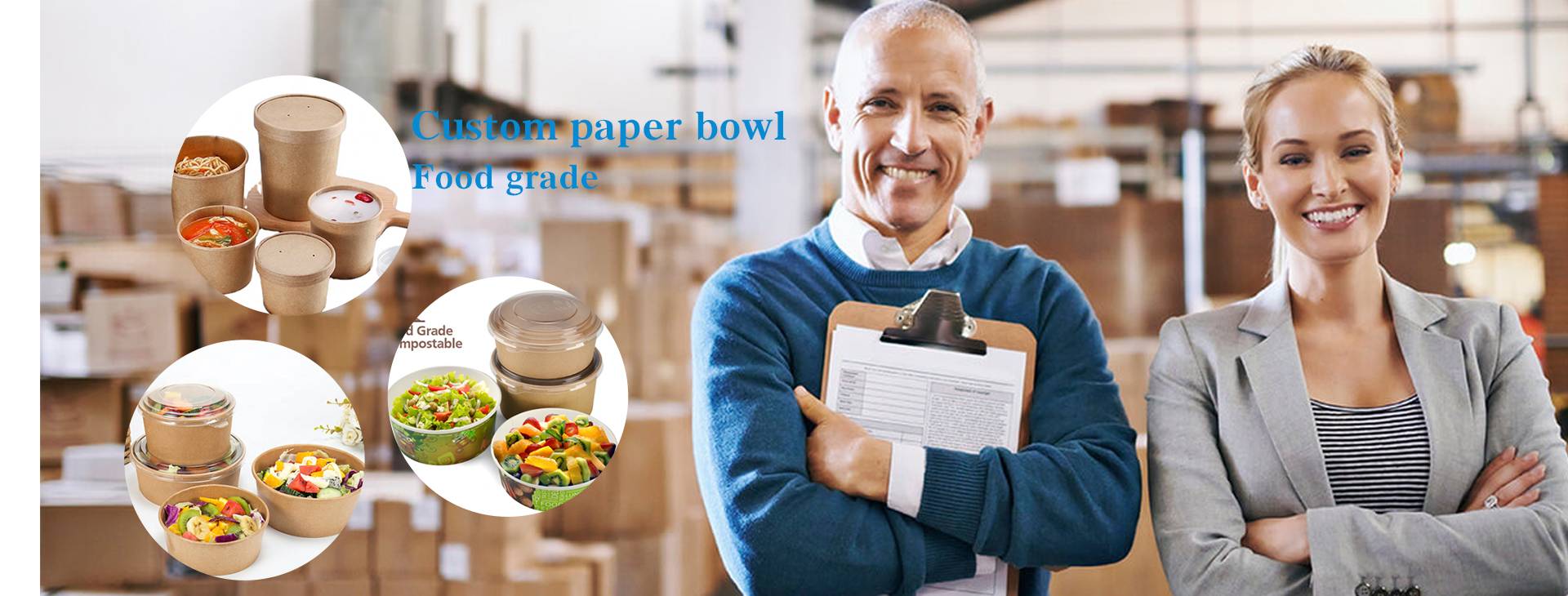
Paper Bowls 20 Oz Exceeds Industry Benchmarks Where Innovation Meets 2025
Top Selling Products







- Related Blog
- Reviews
- Reviews
