



PLA Plastic Cups - China Manufacturer for Eco-Friendly Party Supplies
We produce PLA Plastic Cups that meet the demanding needs of busy kitchens and retailers. I’m based in China and operate as a Manufacturer who understands B2B buyers look for reliability, quick lead times, and flexible MOQs. Our cups are made from PLA and offer good rigidity, smooth finish, and clear presentation, while being compostable in industrial facilities. I coordinate tight quality control, ensuring consistent wall thickness and leak resistance across batches. We offer customization options, including printing logos and branding, to help you stand out. With scalable production, we can support large orders and fast re-stocking. If you’re sourcing in China, you’ll find we deliver through direct channels, transparent pricing, and responsive support. Let’s discuss your packaging goals and how PLA Plastic Cups can fit your product line.


PLA Plastic Cups For the Current Year Sets the Industry Standard
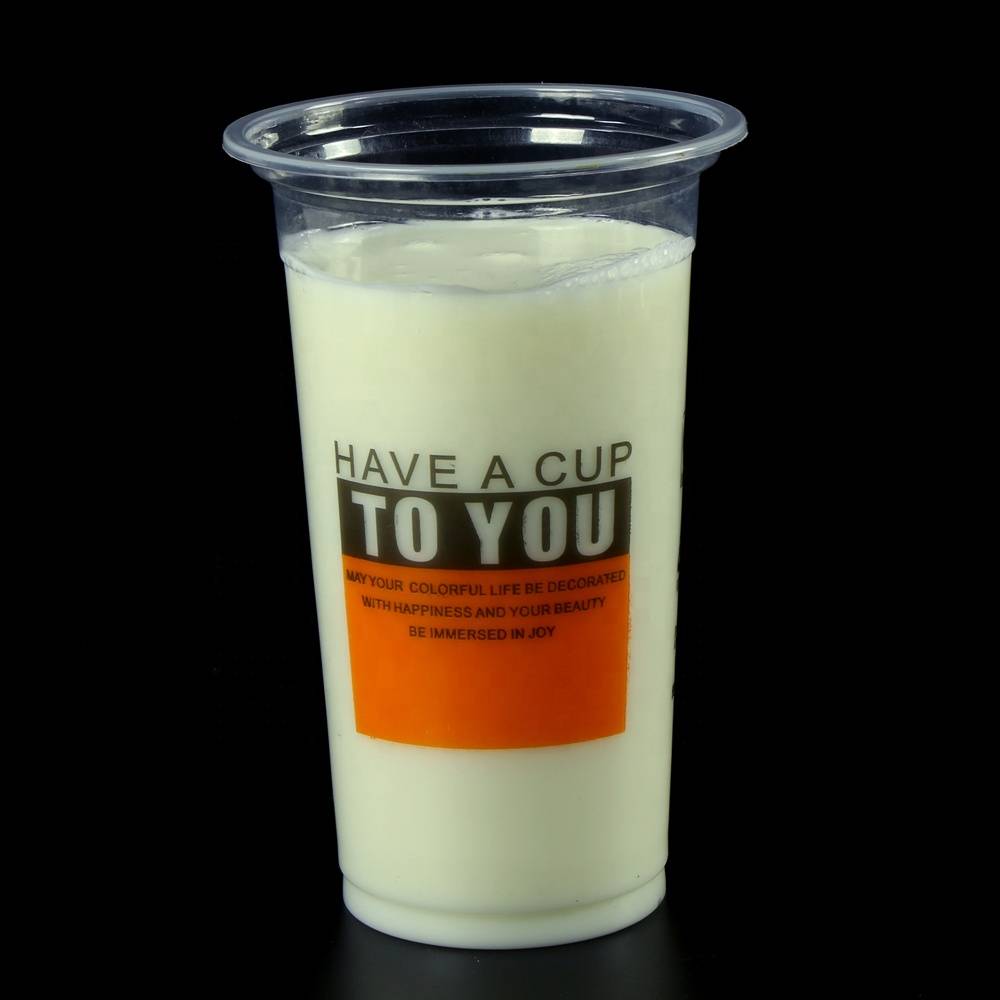
PLA plastic cups are defining the industry standard this year by combining true compostability with performance close to traditional PET. Made from certified plant-based lactic acid polymers, these cups offer clear optics, excellent stiffness for hot and cold beverages, and reliable food-contact safety while meeting international compostability standards. Their smooth surface supports full-color printing and custom sizes, making them ideal for global brands seeking sustainable single-use solutions without sacrificing presentation or functionality. Backed by experienced Shanghai-based manufacturing and rigorous quality control, supply is stable with scalable production, competitive pricing, and compliance with major export regulations. Buyers benefit from flexible OEM/ODM options, traceable raw materials, and streamlined logistics for global delivery. Choosing PLA cups now helps companies meet evolving regulatory and consumer demands while demonstrating measurable steps toward circular packaging goals.
| Model (Nominal Volume) | Rim Ø (mm) | Height (mm) | Wall Thickness (mm) | Weight (g) | Material Composition | Manufacturing Method | Clarity (Haze %) | Tensile Strength (MPa) | Flexural Modulus (GPa) | Thermal Guidance (°C) | Compostability | Typical Industrial Degradation | GHG Emissions (g CO2e / cup) | Recyclability & Notes | Common Use Cases |
|---|---|---|---|---|---|---|---|---|---|---|---|---|---|---|---|
| Compact 150 ml | 68 | 62 | 0.30 | 2.1 | Polylactic acid from fermented plant starch; small proprietary additives for toughness | Thermoforming (thin-sheet) / possible injection molding for thicker designs | 4% | 50 | 3.3 | Recommended max: 45°C; short exposure up to 60°C may deform | Industrial compostable (meets common industrial compostability standards) | 90–120 days (industrial facility) | 3.2 | Technically recyclable with separate PLA streams; limited curbside acceptance — industrial composting preferred | Cold beverages, chilled desserts, sample cups |
| Standard 250 ml | 82 | 95 | 0.35 | 3.5 | PLA base resin (corn/sugarcane feedstock); heat-resistant additive package in low concentrations | Thermoforming or injection molding depending on wall profile | 6% | 55 | 3.6 | Recommended max: 50°C; not recommended for sustained hot liquids | Industrial compostable; may carry certification to recognized compostability standards | 90–150 days (industrial facility) | 5.3 | Acceptable in specially managed recycling streams; contamination with other plastics reduces recovery value | Cold drinks, smoothies, takeout cold meals |
| Tall 350 ml | 90 | 130 | 0.40 | 5.0 | High-clarity PLA formulation with modest impact modifiers for improved toughness | Deep-draw thermoforming or injection molding for reinforced rims | 7% | 60 | 3.8 | Recommended max: 50°C; structural softening above glass transition (~60–65°C) | Industrial compostable; partial degradation in home compost is slow | 100–180 days (industrial facility) | 7.5 | Low contamination recycling feasibility; labeling to direct to industrial composting increases end‑of‑life recovery | Iced coffee, soft drinks, cold food cups |
| Large 500 ml | 98 | 160 | 0.50 | 7.5 | PLA with stabilizers to support larger-volume molding and rigidity | Injection molding preferred for larger, consistent wall sections | 8% | 65 | 4.0 | Recommended max: 50°C; structural integrity maintained under chilled conditions and cold-fill operations | Industrial compostable; performance in municipal recycling varies by locality | 120–180 days (industrial facility) | 11.3 | Often not accepted in mixed plastic recycling streams; best end-of-life route is industrial composting where available | Large cold beverages, multi-use cold food containers |
| Performance Metrics (typical) | Rim diameter, height and thickness scale with design and wall profile | Varies (2–12 g typical across consumer cup range) | PLA: biobased fraction typically >70% by carbon mass; additives <10% | Thermoforming for thin-wall clarity; injection molding for thicker, reinforced features | Clarity typically 2–12% haze depending on grade and processing | Tensile strength: 45–70 MPa depending on grade and orientation | Flexural modulus: ~3.0–4.2 GPa | Glass transition ~60–65°C; use guidance limits for hot liquids | Industrial compostability widely achievable; home compostability depends on conditions and grade | Industrial: commonly 90–180 days; Home: unpredictable / often much longer | Cradle-to-gate GHG typically ~1.0–2.0 kg CO2e / kg PLA → per-cup values shown above | End-of-life: industrial composting preferred; separate PLA recycling streams exist but are not universal | Primary uses: cold food and beverage service where clarity and compostability are prioritized | ||
Related Products
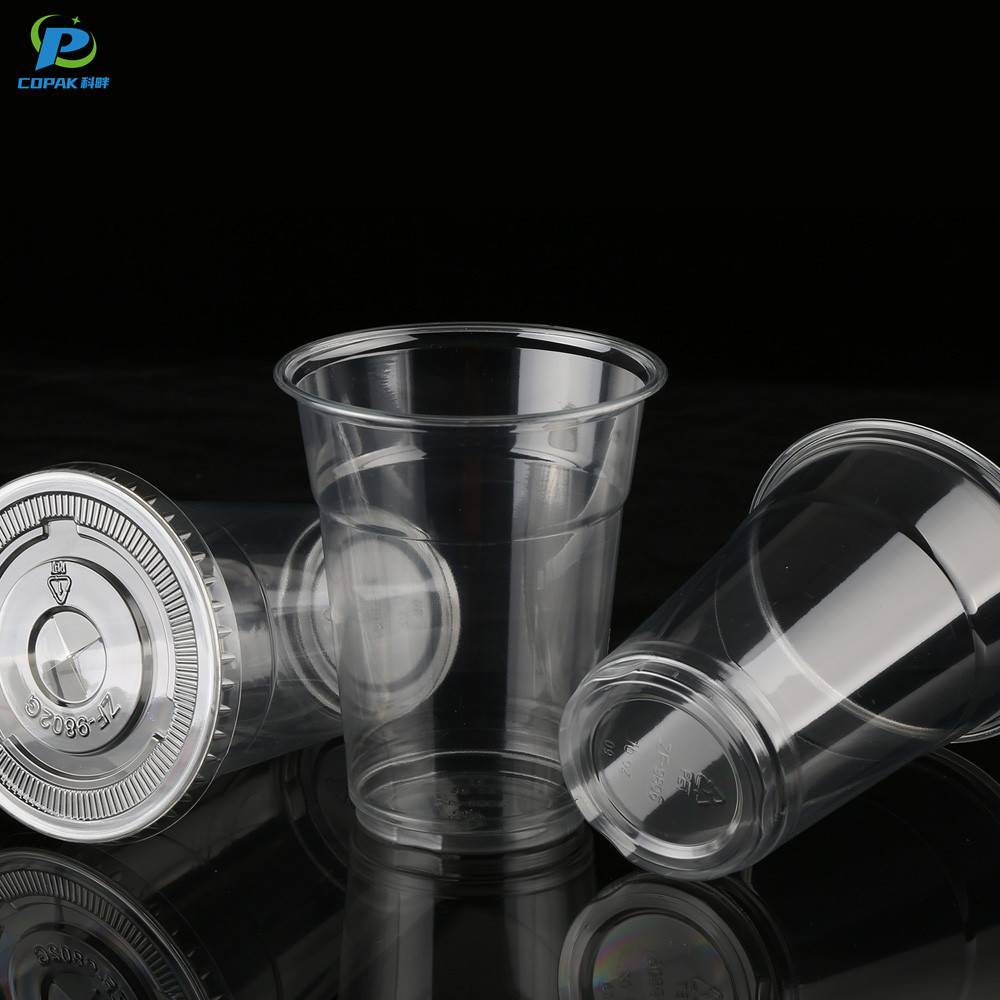



PLA Plastic Cups Application Leads the Global Market
Top Selling Products





- Related Blog
- Reviews
- Reviews
