



Plastic Spice Jars - China Manufacturer, High-Quality Storage Jars
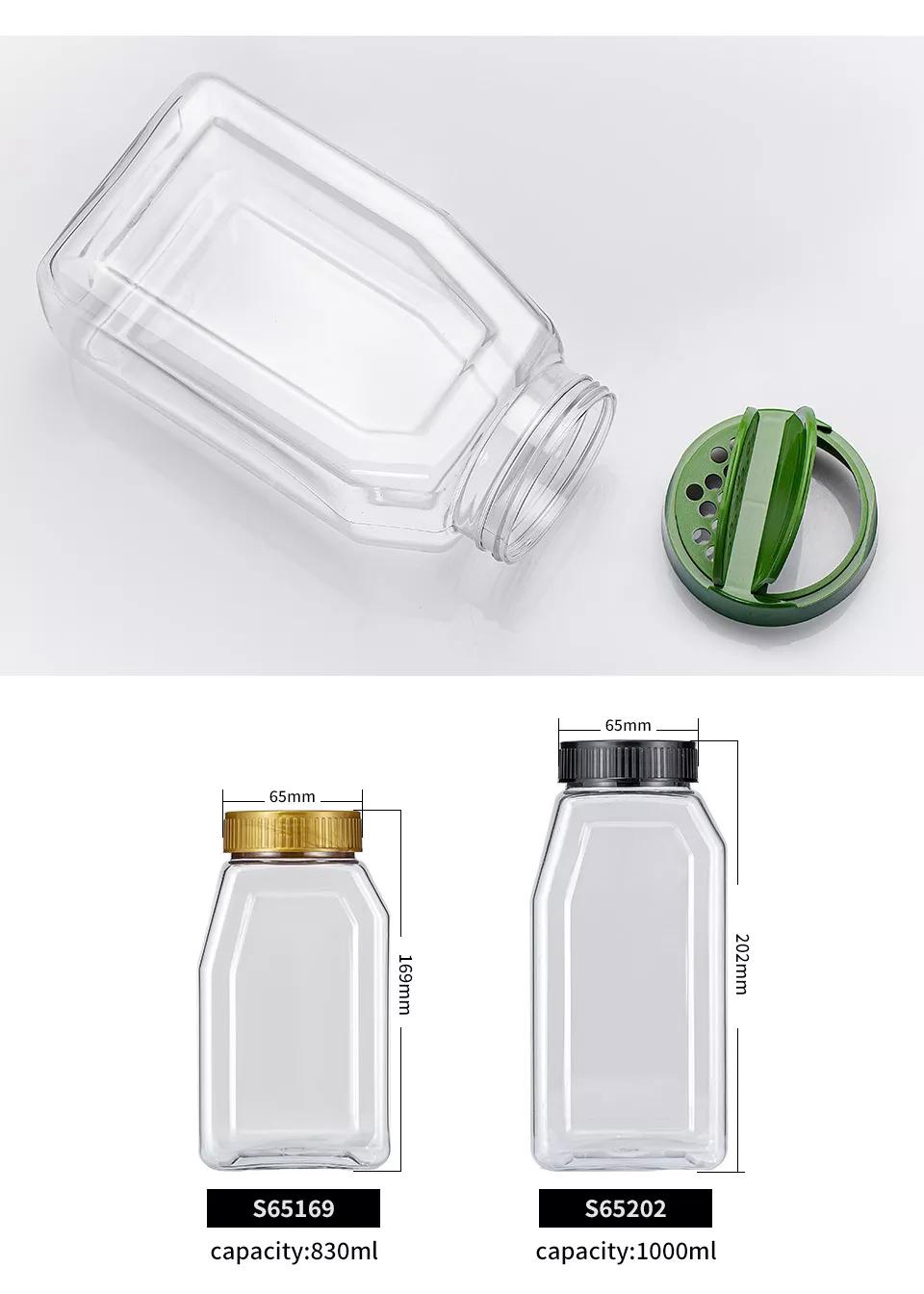
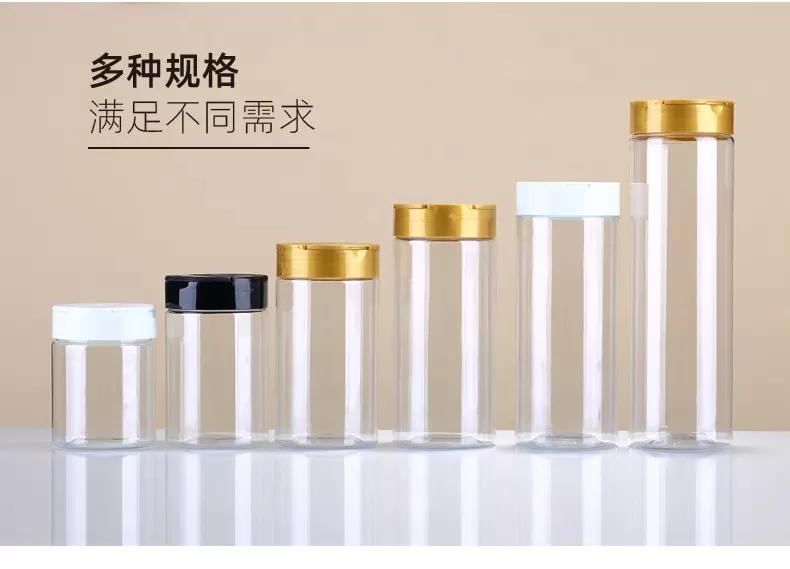
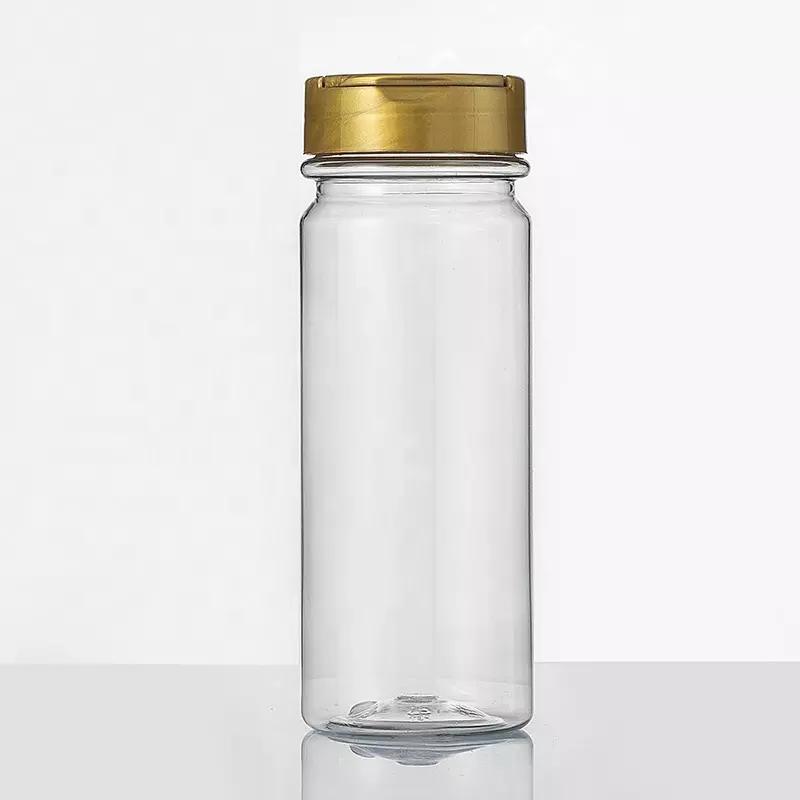
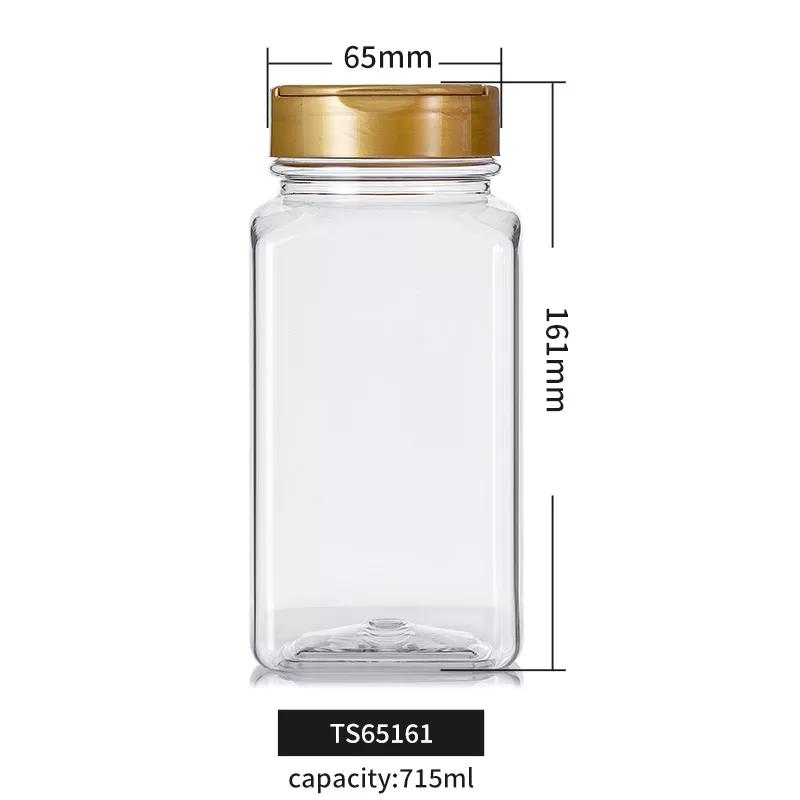
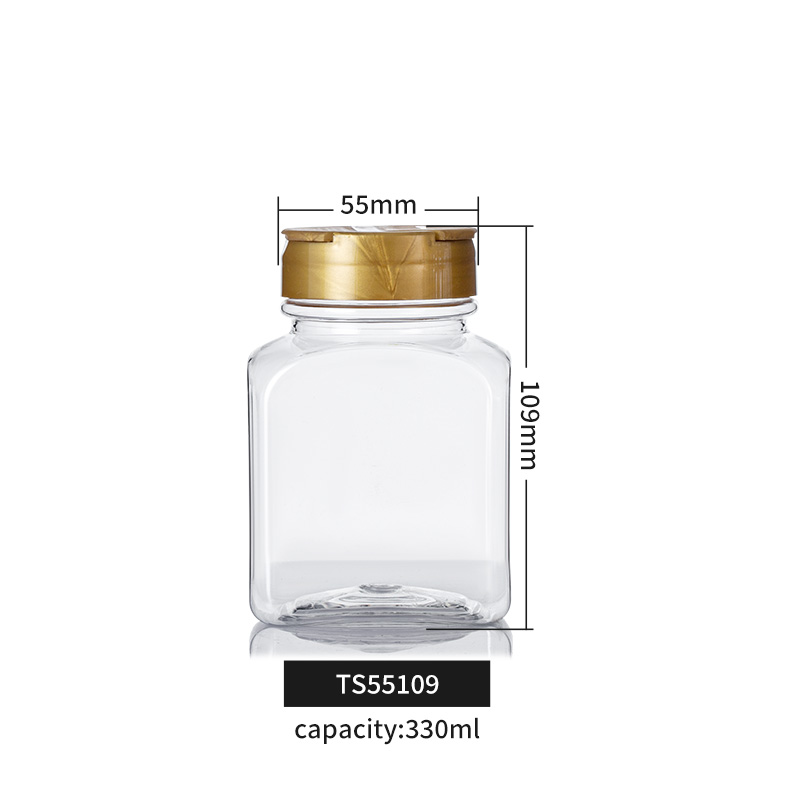
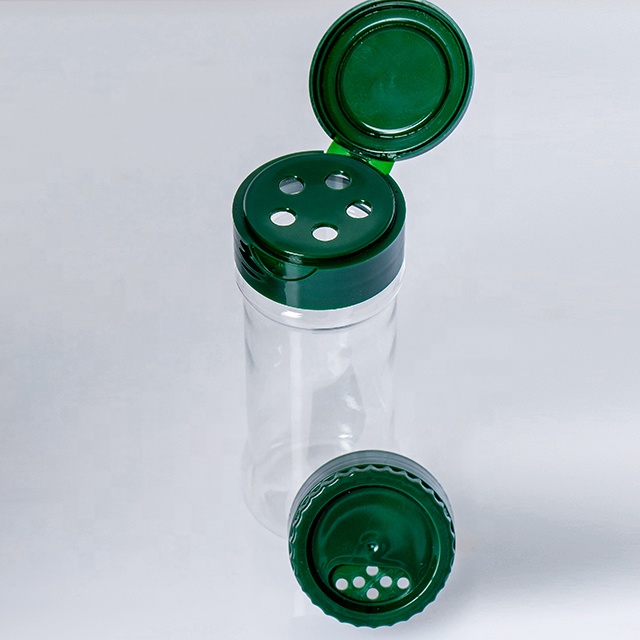
I’m a purchasing partner from a trusted China-based Manufacturer, delivering plastic spice jars that meet the demands of distributors and contract packagers. Made from BPA-free PP or PET, our jars are food-grade, crystal-clear, and resistant to impact and UV light. We offer a full range: 50ml, 100ml, 150ml, with round or square shapes, and lids that snap, twist, or shaker-style with interchangeable holes. Each jar can be sealed airtight with a silicone gasket to preserve aroma and flavor. Custom options include cap colors, logo printing, and labeling, plus pre-printed insert cards. We can supply in bulk with standard totes or custom packaging. Certifications such as FDA and LFGB are available, ensuring compliance for export to China and other markets. MOQ from 5,000 pieces; lead times 2-4 weeks after artwork approval. Whether you’re building a private label line or stocking a distribution network, I can align with your packaging specs, dimensions, and labeling needs.


plastic spice jars Market Leader Where Innovation Meets 2025
As the plastic spice jars market leader where innovation meets 2025, these next‑generation containers blend functionality, food safety and sustainability. Offerings include clear PET and food‑grade PP jars with airtight lids, modular stackable silhouettes, measured‑pour and shaker tops, and UV‑stable, anti‑fog finishes. Designs support refillability, recyclable or bio‑based resins and full compliance with FDA, EU and LFGB standards, while minimalist and premium options suit modern retail aesthetics. Global buyers benefit from flexible OEM/ODM services, tooling and rapid prototyping, scalable production capacity, strict quality control and third‑party testing, competitive pricing and optimized logistics for on‑time delivery. Whether launching a private label, upgrading retail assortments or specifying custom packaging, these spice jar solutions deliver low total cost of ownership, reliable supply and the product innovation buyers demand for 2025.
| Product Type | Typical Capacity (mL) | Material | Lid Types | Closure / Dispensing | OTR (typical, cc/m²·day) | WVTR (typical, g/m²·day) | Recyclability | Common Applications | Manufacturing Method | 2024 Est. Demand Share (%) |
|---|---|---|---|---|---|---|---|---|---|---|
| Clear PET Jar | 100 - 250 | Polyethylene terephthalate (PET) | Screw cap, shaker insert | Screw-top with removable shaker/flip insert | ~1–5 | ~0.5–2 | Widely recyclable where PET curbside collection exists | Ground spices, blends, seasoning mixes | Injection stretch blow molding (ISBM) | 28% |
| rPET Jar (post-consumer recycled) | 100 - 250 | Recycled PET (rPET) | Screw cap, shaker | Same form factors as PET; sometimes darker tint | ~2–6 | ~0.6–2.5 | Recyclable within PET streams; quality dependent on local facilities | Eco-focused spice lines, bulk refill jars | ISBM with recycled feedstock | 20% |
| HDPE Opaque Jar | 120 - 300 | High-density polyethylene (HDPE) | Screw cap, wide-mouth | Screw-top, often with wide opening for scooping | ~100–300 | ~1–10 | Widely recyclable in HDPE streams; common curbside acceptance | Whole spices, coarse salts, culinary tubs | Extrusion blow molding / injection molding | 18% |
| PP Tub | 50 - 500 | Polypropylene (PP) | Snap lid, tamper band | Snap-on lid; tamper-evident variants common | ~20–100 | ~0.5–5 | Recyclable where PP streams are collected; variable municipal acceptance | Bulk seasonings, refrigerated/spreadable mixes | Injection molding, thermoforming | 12% |
| Multi-layer Barrier (PET/EVOH) | 60 - 220 | PET with EVOH barrier layer (co-extruded) | Screw cap, sealed closure | Often tamper-seal plus shaker options | ~0.01–0.5 | ~0.3–1 | Recycling more complex; requires monolayer separation in infrastructure | High-value spices, long-shelf-life blends | Co-extrusion blow molding, multilayer ISBM | 10% |
| Copolyester (Tritan-like) Reusable Jar | 150 - 400 | Durable copolyester (BPA-free copolyesters) | Screw cap, flip-top | Designed for reuse; dishwasher-safe closures | ~2–10 | ~0.5–2 | Recycling streams limited; focus on reuse programs | Premium reusable spice containers, home refill programs | Injection molding, precision machining for reusability | 4% |
| Bioplastic (PLA blend) | 50 - 200 | Polylactic acid (PLA) blends | Snap lid, tamper-evident | Compostable-certified closures for select markets | ~200–600 | ~5–20 | Compostable in industrial facilities; limited curbside recycling | Disposable single-serve, trial-size spices in eco programs | Injection molding with biopolymer grades | 5% |
Related Products


plastic spice jars Application Delivers Unmatched Quality
Monthly Quality Consistency Index for Plastic Spice Jars
Top Selling Products


- Related Blog
- Reviews
- Reviews
