



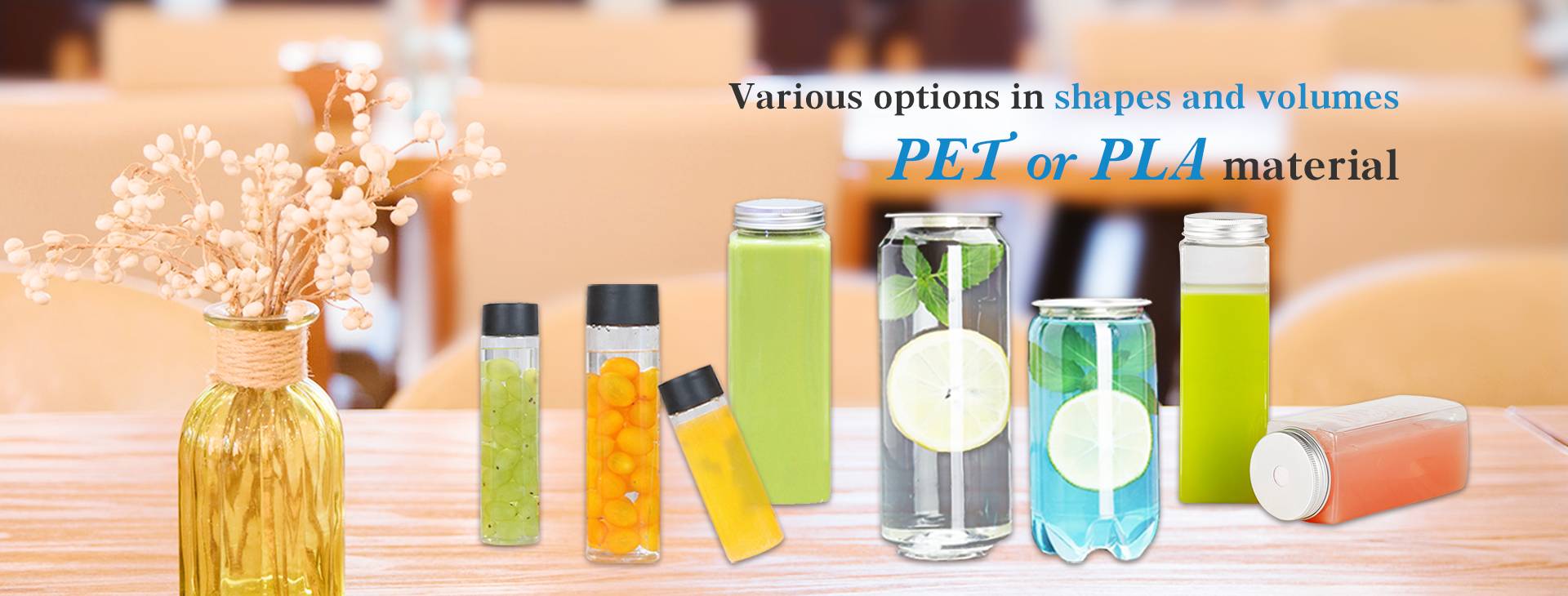
China 2 Oz Empty Plastic Bottles Manufacturer
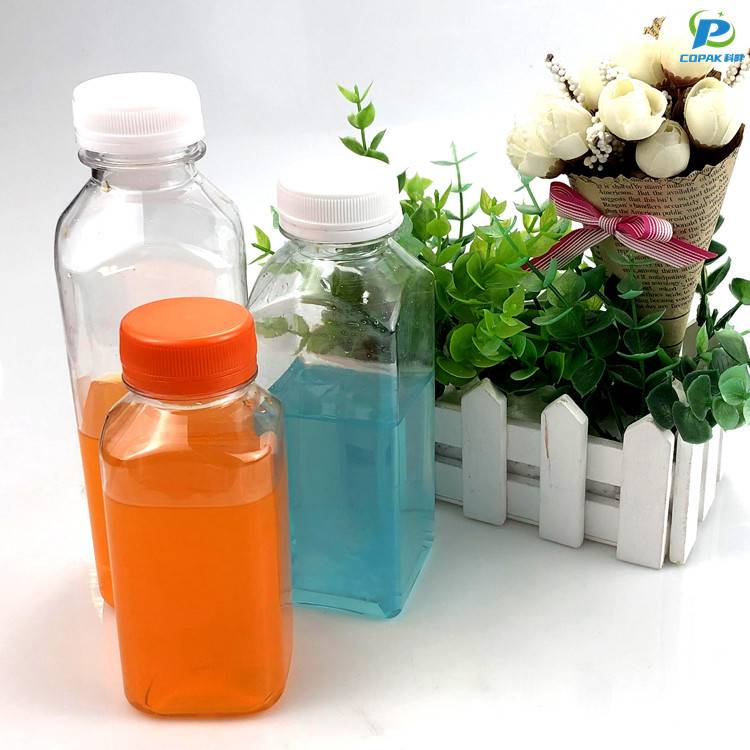
From a China Manufacturer's workshop, we bring you China 2 Oz Empty Plastic Bottles—bulk, consistent, and ready for private label. We know B2B buyers in China and worldwide want reliable packaging that protects product quality, with clean labeling and easy dispensing. Our bottles are made from food-grade PET, with child-resistant or standard screw caps, leak-proof threads, and clear or tinted options. They come in standard 2 oz (60 ml) size, compatible with droppers and pump caps. We offer low MOQs for new brands and scalable production for larger orders, with flexible packaging and fast lead times. You can trust our quality control: 100% inspection before shipment, batch traceability, and ISO-compliant processes. If you are searching for a dependable supplier of China 2 Oz Empty Plastic Bottles for cosmetics, samples or travel-size lines, contact us. We are ready to customize color, cap style, and labeling to fit your brand.


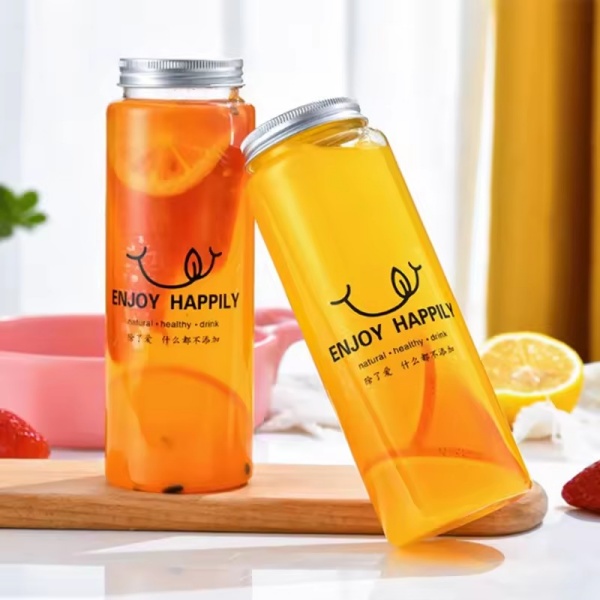
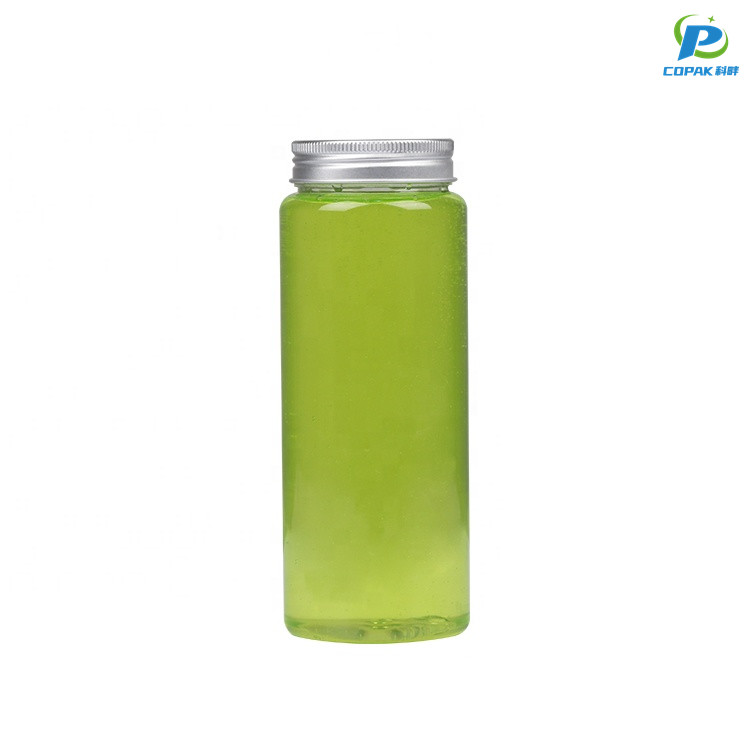


China 2 Oz Empty Plastic Bottles Manufacturer Stands Out
A China-based manufacturer of 2 oz empty plastic bottles stands out by combining precision injection molding, food-contact grade materials, and rigorous quality control to meet diverse market needs. Lightweight, leak-proof and available in PET, HDPE and PP, these small-format bottles are ideal for cosmetics, fragrances, pharmaceuticals and travel-size liquids. Flexible closure options—spray pumps, droppers, screw caps and tamper-evident seals—allow ready-to-market packaging solutions with consistent fill accuracy and attractive finishing. For global buyers, the appeal lies in reliable export experience, competitive pricing and short lead times without compromising compliance: production lines operate to international standards (ISO, FDA/CE-friendly processes), with batch traceability and third-party testing available on request. OEM/ODM customization, low minimum order quantities, proactive supply-chain support and eco-friendly material options make sourcing 2 oz empty plastic bottles from China a practical choice for brands seeking scalability, cost-efficiency and design flexibility.
| Attribute | Typical Value / Options | Notes / Standards |
|---|---|---|
| Nominal Capacity | 2.0 fl oz (≈ 60 mL) | Common consumer & sample size for liquids |
| Primary Materials | PET, HDPE, PP | Material selected by barrier, clarity and chemical compatibility |
| Manufacturing Processes | Injection blow molding; Extrusion blow molding | Process affects wall uniformity, finish and unit weight |
| Overall Height (typical) | 65 – 95 mm (varies by neck finish) | Measurements depend on closure style (short or tall neck) |
| Outer Diameter (body) | 28 – 36 mm | Common round profile for 60 mL cylindrical bottles |
| Neck Finish | 10–16 mm thread internal diameters (common: 18–20/410 equivalent profiles) | Thread sizes offered to match standard screw closures, pumps and droppers |
| Wall Thickness | 0.6 – 1.2 mm | Designed for rigidity and drop resistance; depends on material |
| Empty Unit Weight | PET: 8–13 g · HDPE: 6–11 g · PP: 7–12 g | Actual weight depends on wall thickness and process |
| Transparency / Finish | Clear PET; translucent or opaque HDPE/PP; matte or gloss finishes | Clear PET for visibility; HDPE/PP for opaque or UV-sensitive contents |
| Color Options | Natural clear, white, black, standard translucent colors; custom colors on request | Color concentrates comply with food-contact masterbatch requirements |
| Sealing & Closure Compatibility | Screw caps, child-resistant closures, tamper-evident caps, pump/spray adapters | Multiple cap interfaces available; liners (PE foam, induction) optional |
| Tamper-Evident Options | Seal bands, induction liners, breakaway rings | Commonly applied for food, cosmetics and pharmaceuticals |
| Chemical Compatibility | Water, aqueous solutions, many alcohol solutions (check for high-strength solvents) | HDPE offers better resistance to some solvents than PET; test for specific formulas |
| Temperature Range (service) | PET: -20 °C to 60 °C · HDPE/PP: -40 °C to 90 °C (short-term higher temps possible) | Avoid prolonged exposure to heat and direct sunlight |
| UV / Barrier Options | UV-blocking colorants, oxygen barrier coatings, metallized barrier films | Used when contents are light- or oxygen-sensitive (e.g., essential oils) |
| Labeling & Decoration | Pressure-sensitive labels, shrink sleeves, silk-screen printing, hot stamping | Surface treatment and corona discharge available to improve ink adhesion |
| Recyclability | PET: widely recyclable (Recycle code 1); HDPE: recyclable (code 2); PP: increasing recovery | Design for recyclability recommended: avoid mixed-material assemblies |
| Recommended Uses | Cosmetics, toiletries, samples, pharmaceuticals (non-sterile), laboratory reagents | Suitable for low-to-medium viscosity liquids and lotions |
| Quality & Management Standards | ISO 9001 · ISO 14001 | Common site-level certifications for manufacturing & environmental management |
| Food Contact / Safety Compliance | Compliant with common food-contact regulations (e.g., FDA food contact, EU Reg. 10/2011) | Material-specific test reports available for migration and extractables |
| Typical Lead Times | 4–10 weeks (tooling and volume dependent) | Prototype and tooling timelines vary by process and complexity |
| Sustainability Options | PCR (post-consumer recycled) PCR-PET blends; lightweighting; refillable program designs | Regulatory compliance and mechanical properties validated per formulation |
Related Products
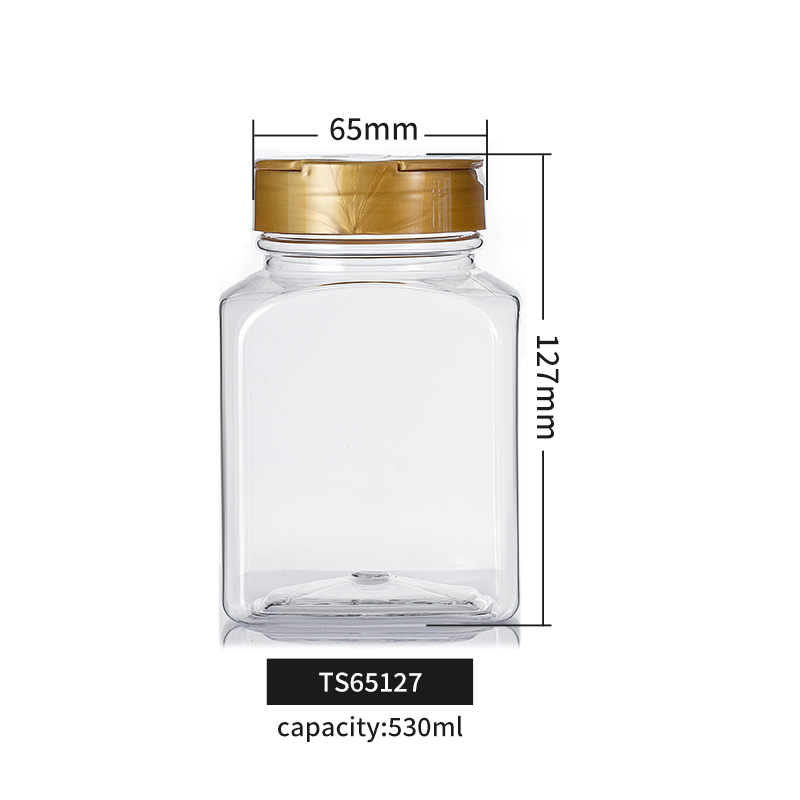


China 2 Oz Empty Plastic Bottles Your Trusted OEM Partner Where Service Meets Innovation
Top Selling Products






- Related Blog
- Reviews
- Reviews
