



China PET Cup Manufacturers - Leading Manufacturer in China
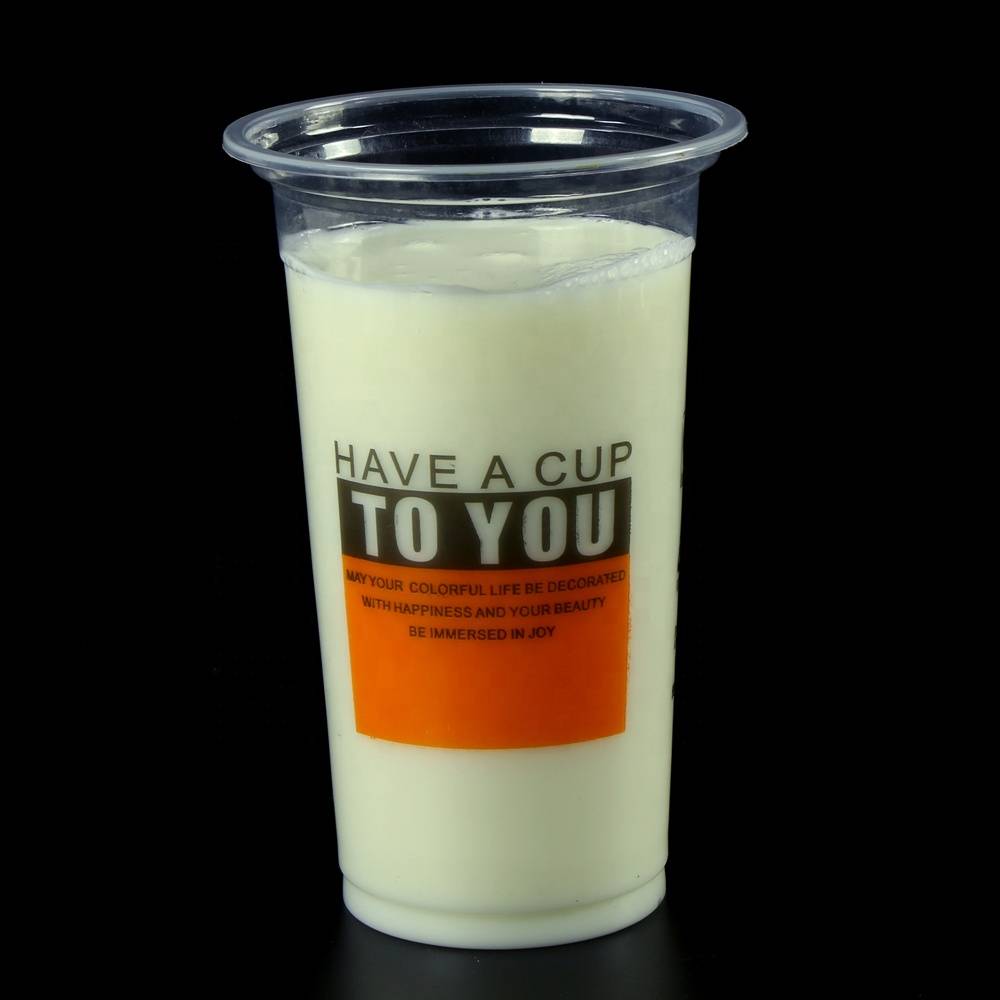
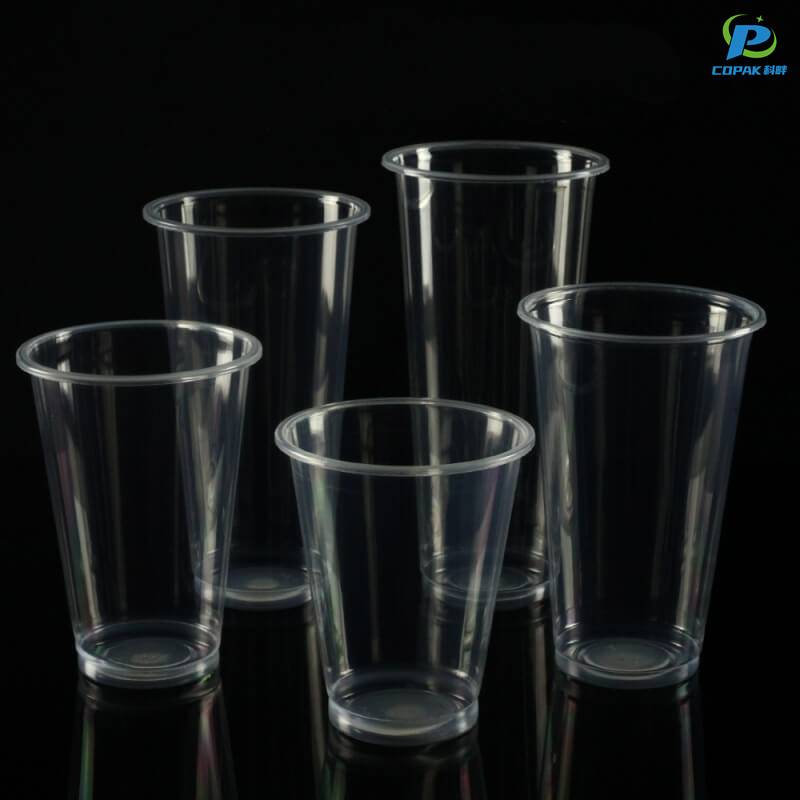
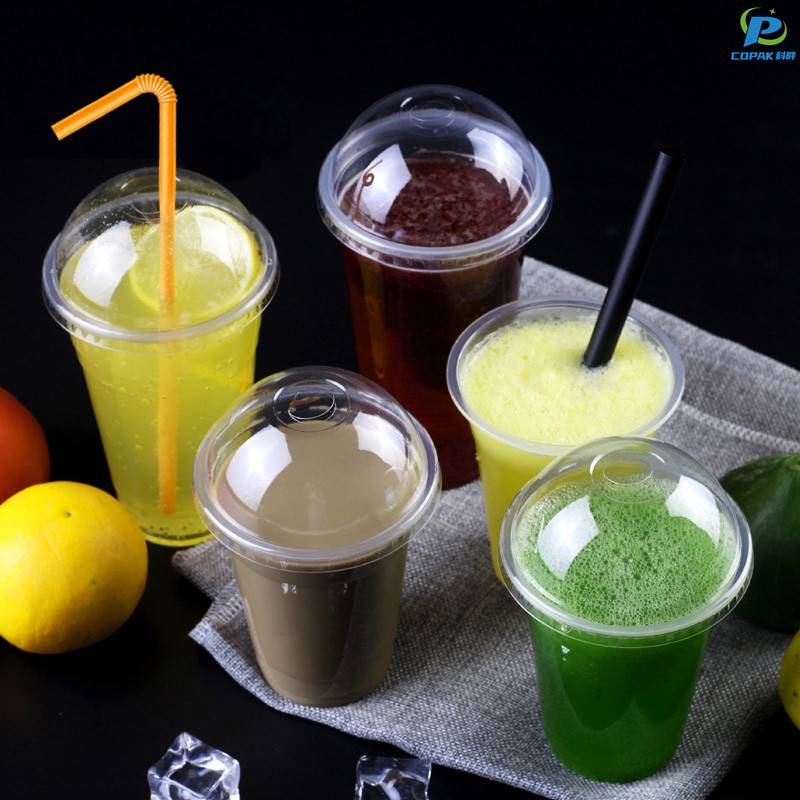
I’m one of the China PET Cup Manufacturers, and I stand ready to supply reliable, food-grade cups for distributors and brands. In our line, you’ll find crystal-clear PET cups that are BPA-free, safe for cold beverages, and proudly recyclable. We offer sizes from 4 oz to 16 oz, with smooth rims, leak-proof bottoms, and stackable designs to cut freight and warehousing costs. Customization is easy—logo imprinting, color bands, and packaging options (single-wall sleeves, cartons, or bulk pallet loads) to fit your go-to market. Lead times are short, with strict quality control, ISO-certified processes, and SGS testing upon request. I know your buyers expect consistency—so we use food-grade resin, precise wall thickness, and robust sealing. If you want a reliable partner in China, I’m ready to talk about MOQs, pricing, and quick shipment schedules. Let me help you scale your beverage projects with confidence and speed.
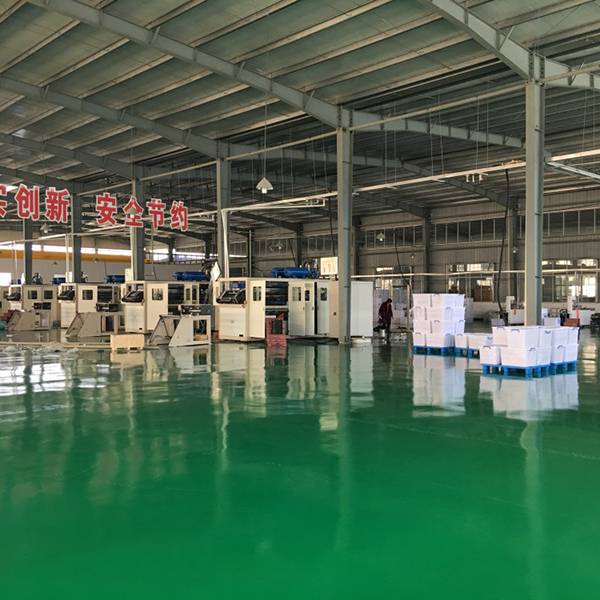

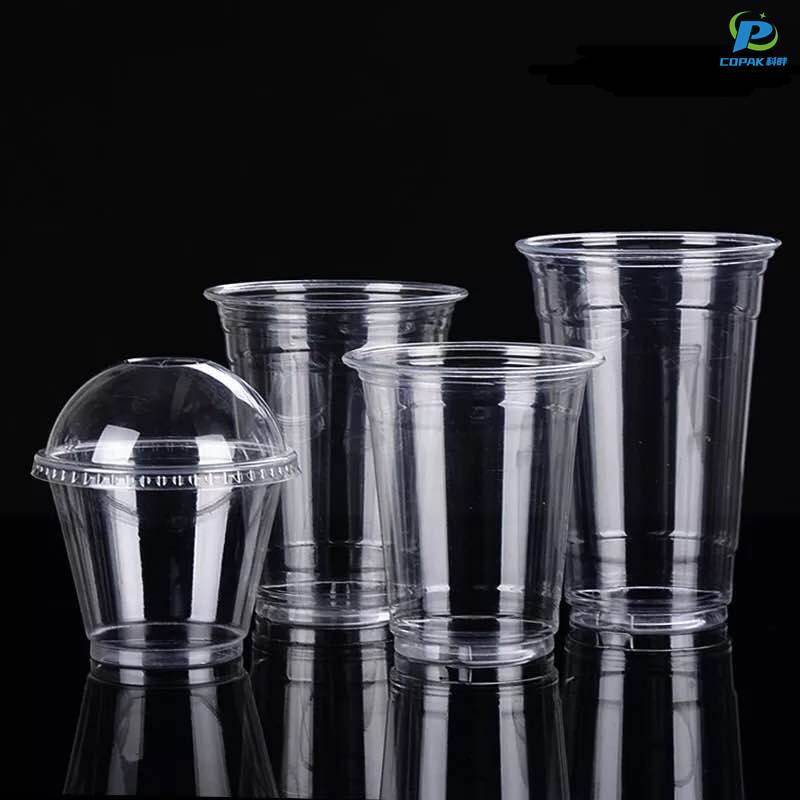
China PET Cup Manufacturers Ahead of the Curve Where Service Meets Innovation
Global buyers expect more than a competitive price from PET cup manufacturers; they want partners where service meets innovation. A Chinese producer now offers end-to-end capability—from material selection and safety testing to rapid prototyping, tooling, and scalable production. Flexible MOQs, transparent lead times, and strict process control turn ideas into ready-to-ship products across sizes, colors, and branding options. Compliance with food-contact standards, BPA-free formulations, and full traceability remains non-negotiable, while efficient manufacturing keeps total cost competitive without sacrificing quality. Smart buyers value suppliers who pair digital tools with proactive service: real-time order visibility, online certifications, and collaborative development shorten cycles. A robust QA regime with batch sampling and clear change-notice reduces risk, while recycled PET and lightweight designs lower environmental impact. In practice this means continuous improvement, supply continuity, and dedicated support across time zones. When service aligns with innovation, procurement gains confidence to scale and tell a stronger brand story.
| Metric | Unit | Typical Range / Example | Industry Note |
|---|---|---|---|
| Annual plant output (PET cups) | tonnes / year | 5,000 – 60,000 | Range reflects small regional facilities to large multi-line plants focused on foodservice disposables. |
| Typical cup weight (250 ml) | grams / cup | 6 – 10 g | Depends on design, wall profiles and whether lids are included in assessment. |
| Wall thickness (typical range) | mm | 0.18 – 0.35 | Thinner walls for cold cups; thicker for hot or rigid applications. |
| Cycle time per cup | seconds/cup | 1.5 – 4.0 s | Varies by forming method (thermoforming, injection, oriented processes) and cup geometry. |
| Post-Consumer Recycled (PCR) content | % by weight | 10% – 50% (common commercial use) | Higher PCR levels are achievable but depend on supply quality and food-contact approvals. |
| Design-for-recycling score | % of product recyclable | 80% – 95% | Considers mono-PET designs, label types, and lid compatibility to maximize recyclability. |
| Production scrap / waste rate | % of output | 1% – 8% | Lower rates achieved with inline recycling and process optimization. |
| Typical lead time for custom tooling | weeks | 2 – 8 weeks | Depends on complexity, iteration cycles and finish requirements. |
| Typical mold/tool life | cycles | 100,000 – 1,000,000+ | Regular maintenance extends life; material and cooling design are decisive factors. |
| Energy consumption (approx.) | kWh / tonne | 2,000 – 5,000 | Includes forming, auxiliaries and typical plant utilities; varies with process efficiency. |
| Water usage (approx.) | liters / tonne | 200 – 2,000 | Highly dependent on cooling strategy and closed-loop water systems in the plant. |
| Carbon footprint (cradle-to-gate, incl. processing) | kg CO2e / kg product | 1.8 – 3.5 | Range depends on resin source (virgin vs PCR), energy mix and process efficiency. |
| Export share (typical manufacturer) | % of output | 20% – 70% | Many manufacturers balance domestic foodservice demand with export markets; share varies by region. |
| Common certifications | — | ISO 9001, ISO 14001, FSSC 22000 (food contact systems) | Certifications demonstrate quality, environmental management and food safety controls commonly expected by buyers. |
| Typical service & innovation offerings | — | Custom tooling, rapid prototyping, R&D for PCR blends, in-house recyclate refinement | Manufacturers increasingly offer technical support to optimize designs for cost and recyclability. |
Related Products


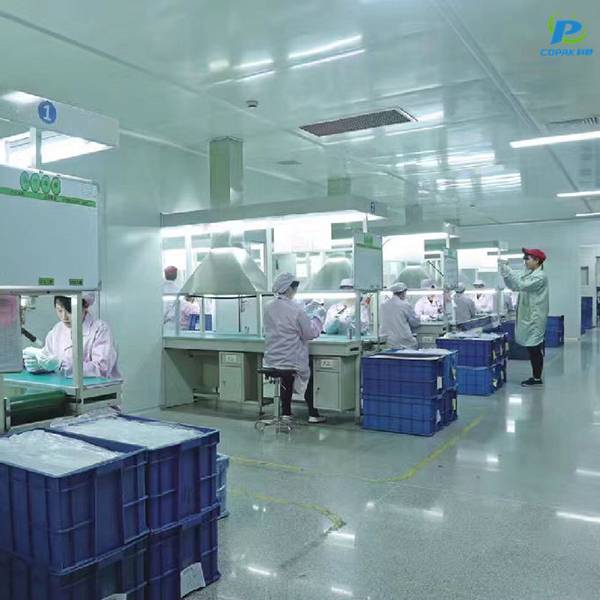
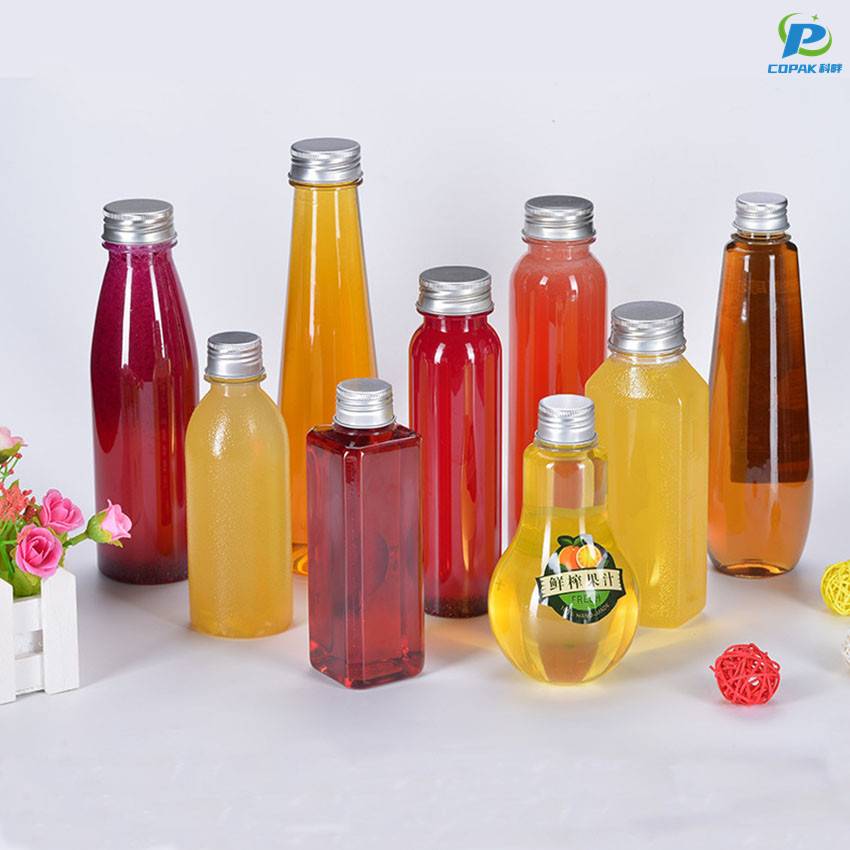

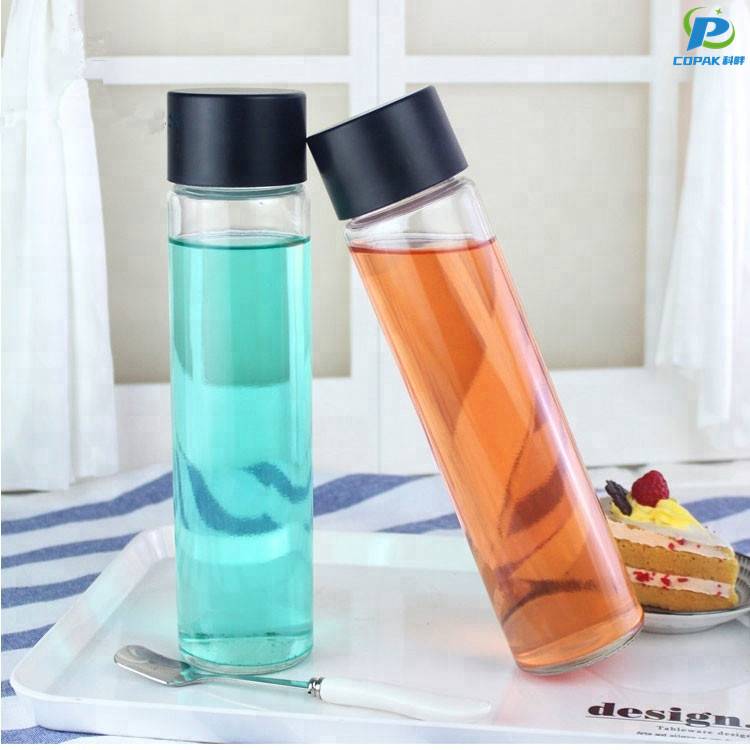

China PET Cup Manufacturers Industry Leaders Where Innovation Meets 2025
Top Selling Products




- Related Blog
- Reviews
- Reviews
