



Compostable Plastic Cups - China Manufacturer for Eco-Friendly Cups
We are a China-based Manufacturer delivering Compostable Plastic Cups that meet the busy demands of cafes, caterers, and event planners who want to show they care about the planet. Our cups are made from certified compostable bioplastics and designed to perform—strong enough for hot beverages, leak-proof for cold drinks, and stackable to save space in busy kitchens. We offer multiple sizes (4 oz, 8 oz, 12 oz, 16 oz) with smooth rims for comfortable sipping and easy lid fitment. Custom branding is available: color, logo, and sleeve options to elevate your brand at every service point. We can accommodate bulk orders with short lead times, transparent pricing, and reliable supply from our China facilities. If you’re a buyer seeking sustainability without compromise, I’m ready to partner with you as your trusted Manufacturer to scale your green program. Let's discuss your packaging goals and compliance needs, and I will tailor a plan that fits your timeline.


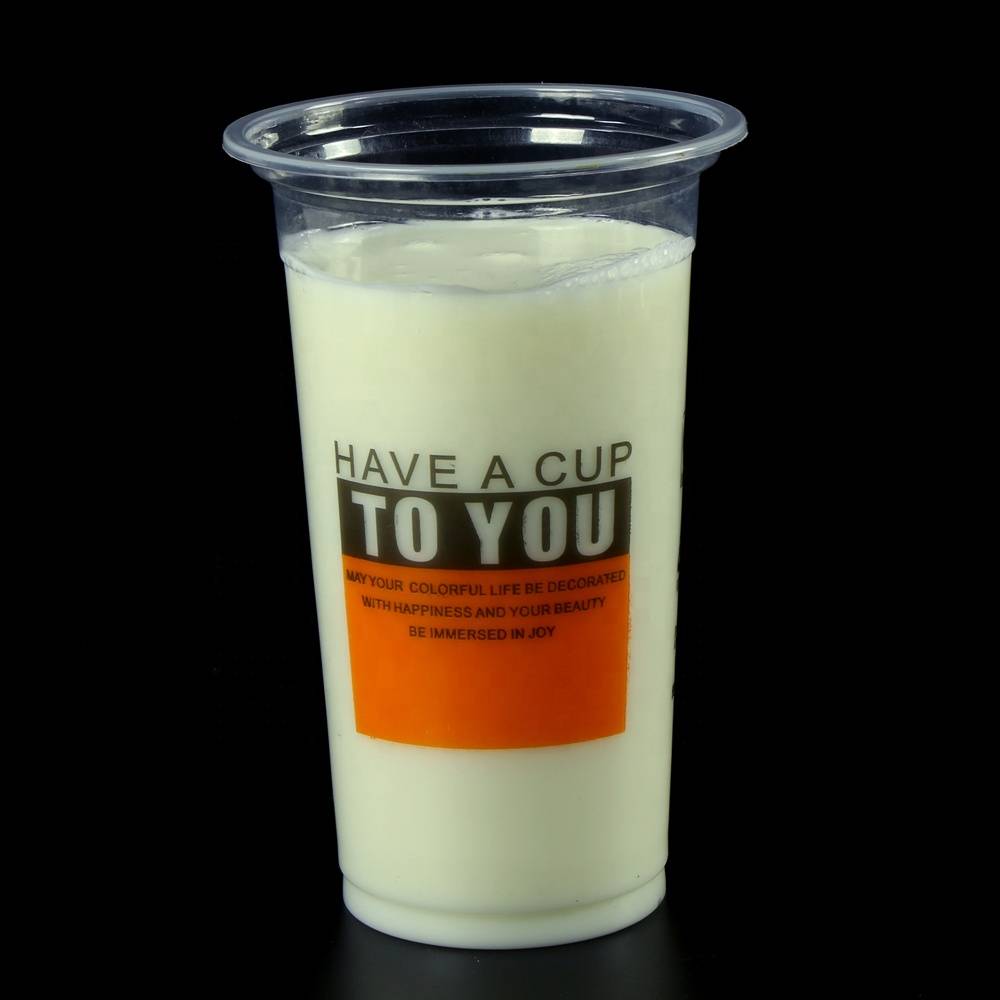
Compostable Plastic Cups Service Where Service Meets Innovation
Our compostable plastic cups service blends responsible materials science with buyer-focused flexibility, delivering clear, durable cups made from certified compostable polymers suitable for both hot and cold applications. We offer a range of sizes, finishes and printing options, rapid prototyping and scalable production runs, all validated by recognized industrial and home-compostability standards to help global purchasers meet sustainability commitments without sacrificing performance. Partnering with us gives buyers reliable lead times, transparent quality control, competitive pricing and tailored logistics solutions for global distribution. From sample evaluation to large-volume OEM/ODM projects, our technical support and documentation streamline procurement, certification and end-of-life management—helping your brand transition to a circular, low-impact packaging future.
{ Compostable Plastic Cups Service Where Service Meets Innovation}
| Product Type | Primary Material | Typical Capacity (ml) | Compostability Standards | Industrial Compost Time | Home Compostable? | Recommended Use Cases | Recyclability Notes | Carbon Footprint (kg CO2e / 1000) | Typical Manufacturing Process | End‑of‑life Best Practice |
|---|---|---|---|---|---|---|---|---|---|---|
| Clear PLA Cold Cup | PLA (polylactic acid, corn‑based) | 200 / 350 / 500 | EN 13432; ASTM D6400; ISO 17088 | 90–180 days (industrial) | No (requires industrial temps) | Cold drinks, events, catering | Not compatible with PET recycling; requires separate composting stream | ~30–45 | Extrusion film → thermoforming | Collect for industrial composting; avoid mixing with plastics recycling |
| Starch‑PLA Blend Hot Cup | PLA + food‑grade starch additives | 200 / 300 | EN 13432; ISO 17088 | 90–150 days (industrial) | Limited; small home compost suitability | Hot beverages, quick‑serve cafés | May break down in compost streams; not for municipal plastic recycling | ~28–40 | Sheet extrusion → pressing/lidding | Prefer industrial composting; small batches acceptable in warm home piles |
| PHA Cold Cup (marine‑friendly) | PHA (polyhydroxyalkanoate) | 250 / 350 | EN 13432; ASTM D6400; (marine biodegradability tests reported) | 60–180 days (industrial; marine tests faster in some conditions) | Yes (home compostable in many cases) | Outdoor events, marine-sensitive locales, cold drinks | Generally not suited to conventional recycling; better recovered via composting/biowaste | ~60–95 | Extrusion → thermoforming; sometimes blended for stiffness | Home or industrial composting; preferable in marine-degradation risk areas |
| PBAT‑Coated Paper Hybrid Cup | Paper body + PBAT coating (compostable aliphatic‑aromatic copolyester) | 200 / 300 | EN 13432; ISO 17088 (coating dependent) | 90–180 days (industrial) | Sometimes (depends on local home compost conditions) | Hot drinks where paper feel is preferred | Paper stream recovery possible if coating separated; otherwise composting preferred | ~45–75 | Paperboard forming + coating lamination | Industrial composting recommended; separate paper recycling only if coating removed |
| CPLA Rigid Cup (heat‑resistant) | Crystallized PLA (CPLA) with additives for high temp | 250 / 400 | EN 13432; ISO 17088 (industrial) | 120–180 days (industrial) | No (requires industrial conditions) | Hot & cold beverages where rigidity/clarity needed | Same contamination risk as PLA in recycling; separate composting collection needed | ~40–60 | Injection molding or thermoforming with heat treatment | Industrial composting; segregation from PET and conventional plastics |
| Biodegradable Additives (for rigidity/heat) | Biobased additives (plasticizers, nucleating agents) | N/A (additive specification) | Used in formulations that meet EN 13432 / ISO 17088 when validated | Dependent on final formulation | Formulation dependent | Improve heat resistance, stiffness, printability | May affect composting rate; verify certification of final product | Contributes variably; included in lifecycle estimate above | Compounding → extrusion → forming | Ensure certified final product; validate end‑of‑life pathway before use |
Related Products
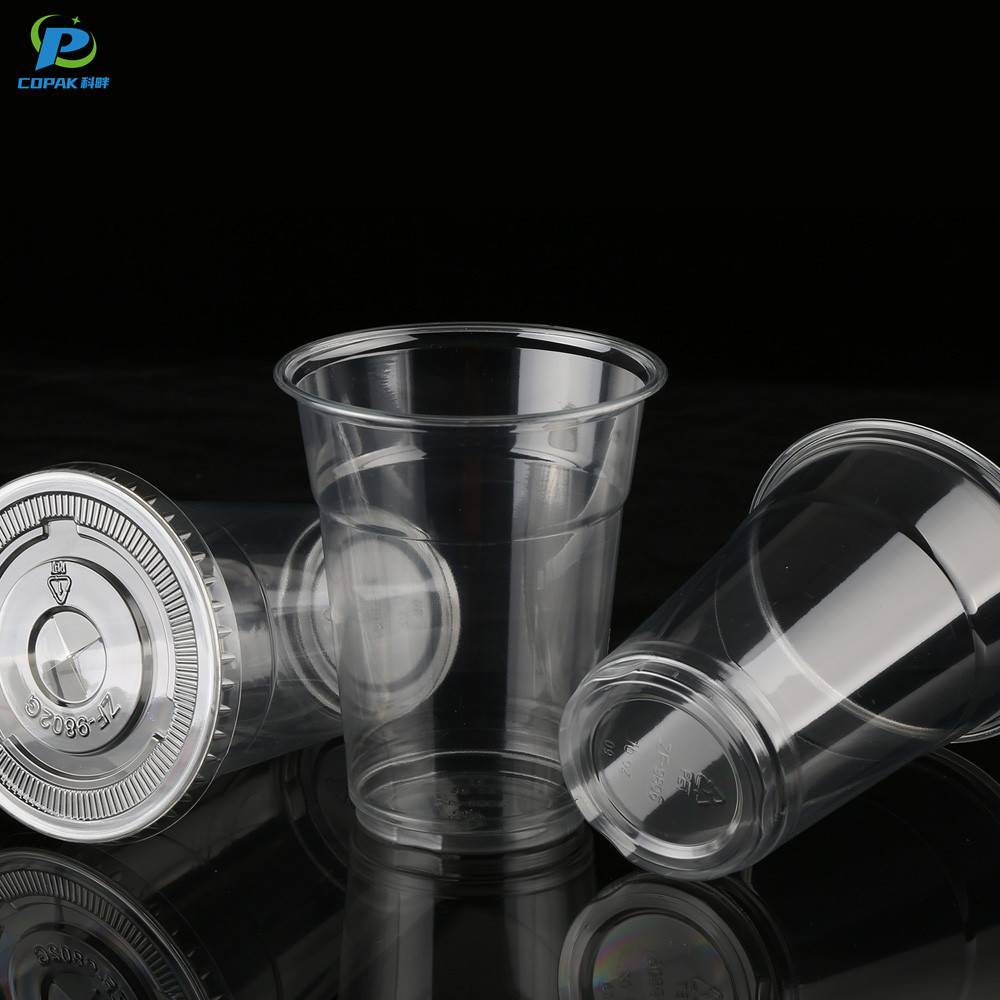


Compostable Plastic Cups Winning in 2025 Custom Solutions,
Top Selling Products





- Related Blog
- Reviews
- Reviews
