



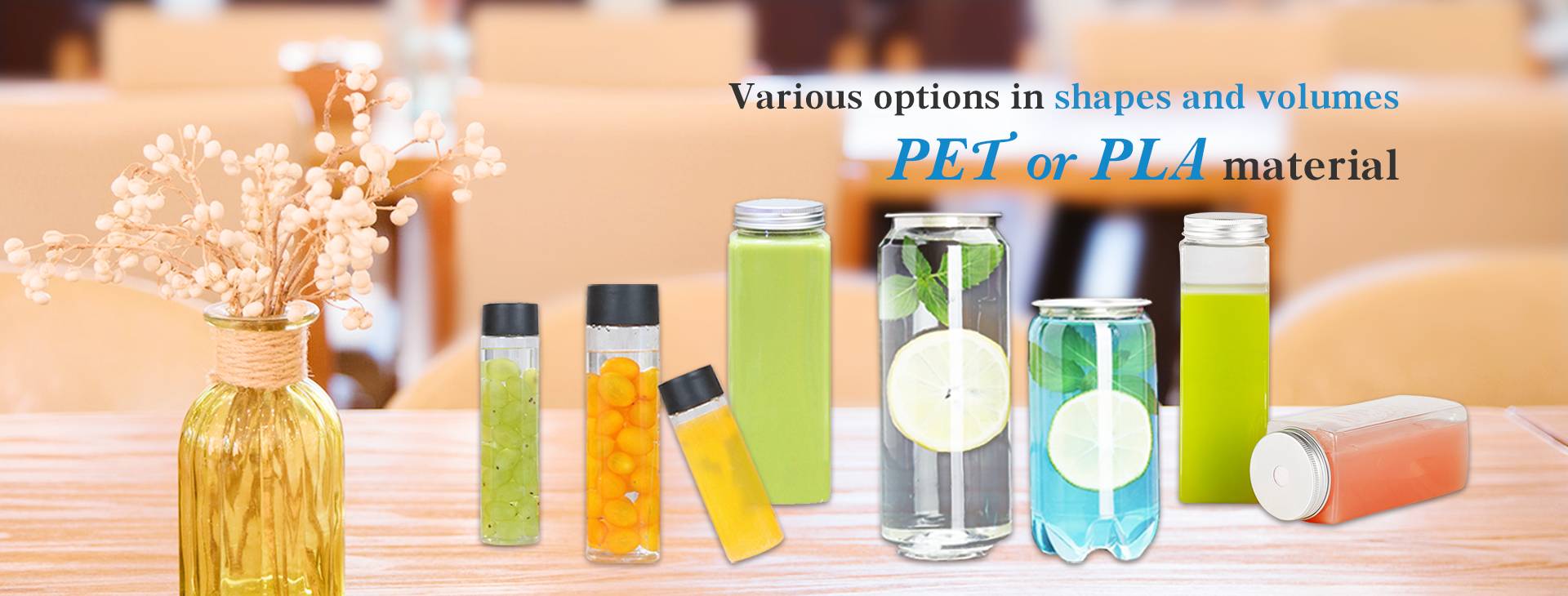
PET Beverage Packaging China Manufacturer - Reliable Solutions
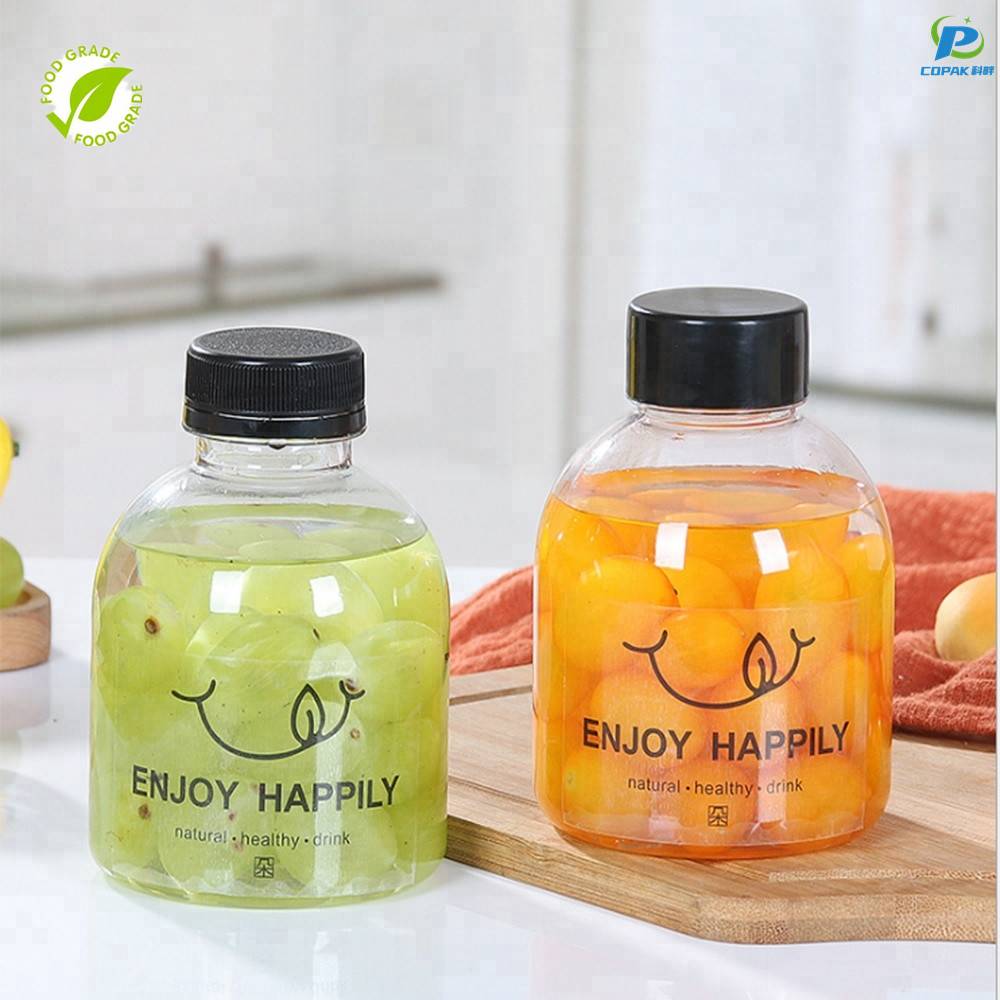
I'm a China-based Manufacturer specializing in PET beverage packaging, and I know what B2B buyers in this field want. Our PET packaging delivers crystal clarity, strong barrier against oxygen, and light weight that reduces freight costs. We offer food-grade, BPA-free PET resin approved for contact with beverages, with wide temperature tolerance and good chemical resistance. With our flexible lines, I can provide custom bottle shapes and sizes, PET caps and closures, and tamper-evident features to fit your brand. We maintain tight QC from resin to finished product, ISO 9001 compliant, and provide stable supply to meet seasonal demand. Working with me, you get competitive pricing, short lead times, and scalable capacity—perfect for retailers, beverage brands, and contract packagers in China and abroad. We are committed to helping you shorten time-to-market and protect product integrity from fill line to shelf.


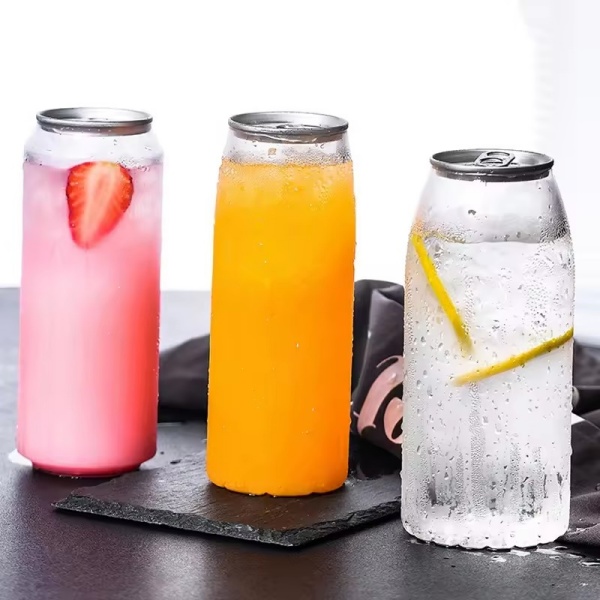
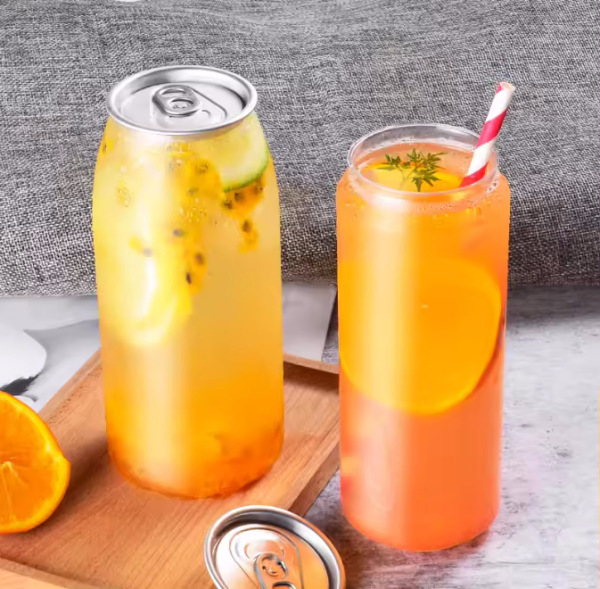


PET beverage packaging Now Trending Your Trusted OEM Partner
As PET beverage packaging surges in demand, buyers seek OEM partners who combine advanced manufacturing with sustainable solutions. We deliver full-service PET bottle and preform production—covering design, mold-making, blow molding, closures and barrier technologies—optimized for hot-fill, carbonated and ambient beverages. Food-grade materials, rPET options, lightweighting and compliant processes meet global standards, backed by laboratory testing, inline quality control and rapid prototyping to accelerate product launches. For global purchasers, our turnkey approach ensures competitive pricing, flexible MOQs, reliable lead times and coordinated logistics to support seasonal peaks. Custom decoration, labels and finishing services enable strong shelf appeal while rigorous QC and supply-chain transparency protect brand safety. Partner with a dedicated OEM team to convert concepts into scalable, sustainable packaging solutions with consistent quality and on-time delivery.
| Packaging Type | Typical Capacity (ml) | Manufacturing Method | Material Composition | Common Applications | Filling Temp / Conditions | Barrier Performance (typical) | Recyclability Notes | Average 500 ml Weight (g) | Lead Time (weeks) | Certifications / Compliance | Regional Popularity |
|---|---|---|---|---|---|---|---|---|---|---|---|
| Lightweight mono‑PET bottle | 250 – 750 | Injection stretch blow molding (ISBM) | PET (mono-layer) | Still water, iced teas, ready-to-drink (RTD) | Cold-fill (≤ 25°C) | Oxygen Transmission Rate (OTR): ~0.05 – 0.5 cc/m²·day (varies with geometry) | Widely recyclable in mechanical bottle-to-bottle streams; preferred mono construction | 10 – 18 g | 2 – 6 | FDA food-contact, EU food-contact (Reg. 10/2011), ISO 9001 | Global (very high in bottled water markets) |
| Carbonated PET bottle (pressure-rated) | 250 – 2000 | ISBM with thicker finish and base design | PET with engineered wall thickness; sometimes PET copolymer | Carbonated soft drinks, sparkling water | Cold-fill under carbonation; fill & cold-down typical | Designed to tolerate internal pressure; OTR similar to mono-PET but geometry important | Monolayer PET recyclable; some pressure bottles use heavier material impacting footprint | 18 – 35 g (depending on size) | 3 – 8 | Food-contact standards, pressure testing to industry norms | Global; particularly strong in Americas & APAC |
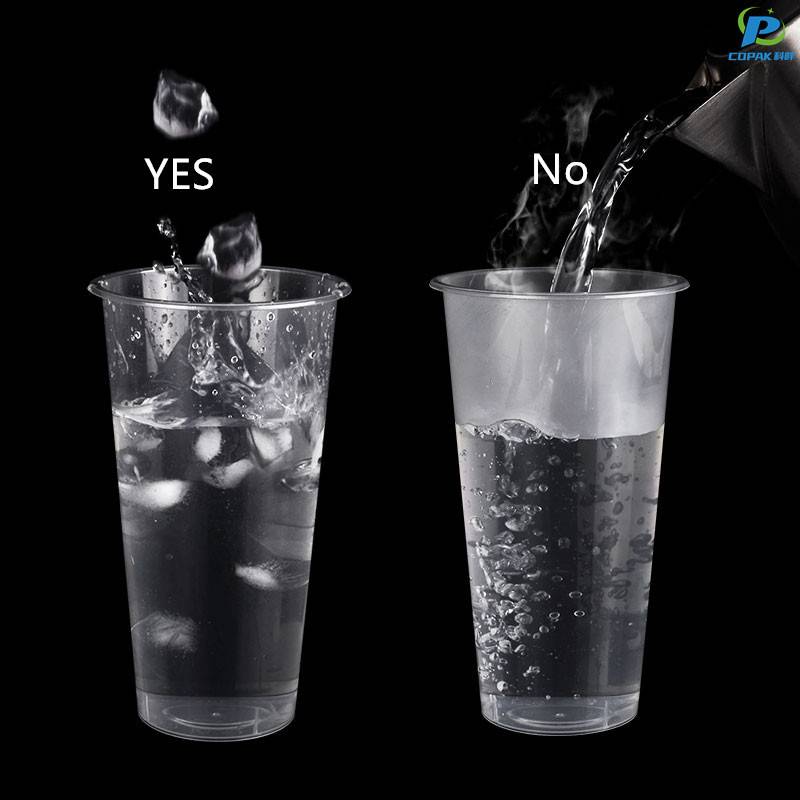
| Hot‑fill PET bottle (heat-set / thermo-stable) | 250 – 2000 | ISBM with heat-setting or specially formulated PET | Co-polyesters or heat-set PET; sometimes with protective coatings | Juices, teas, sauces (hot-filled) | Hot‑fill: ~85–95°C (short dwell); requires heat-stable design | Standard OTR; thermal stability prioritized to avoid deformation | Generally recyclable as PET but check local stream for heat-set variants | 16 – 30 g | 4 – 10 | Food-contact approvals; HACCP compatibility; thermal process validation | High in beverage segments requiring hot-fill (global) |
| Multi‑layer PET with barrier (EVOH / SiOx / coating) | 250 – 1500 | ISBM or co-extrusion + coating | PET + EVOH / SiOx barrier layer / plasma coatings | Oxygen-sensitive juices, flavored beverages with extended shelf-life | Cold-fill typical; design depends on barrier technology | OTR can be reduced to <0.01–0.05 cc/m²·day with EVOH/SiOx | Barrier layers can complicate mechanical recycling; chemical recycling routes maintain value | 14 – 28 g | 5 – 12 | FDA / EU food-contact + additional material-specific validations | Growing demand in regions seeking extended shelf-life (Europe, APAC) |
| Wide‑mouth PET jar / container | 200 – 1000 | ISBM or injection molding for wide-mouth finishes | PET or PET blends | RTD dairy alternatives, protein drinks, chilled food pots | Cold-fill or chilled filling; pasteurized products require validation | Typical PET barrier; geometry and lid seal critical | Mono-PET jars recyclable; lids or multi-material closures may affect stream | 18 – 45 g | 3 – 8 | Food-contact certifications; shelf-life testing recommended | Strong in retail-ready and chilled segments (Europe, North America) |
| Preforms (for ISBM production) | Equivalent to finished bottle capacities | Injection molding (preform production) | PET (often solid-state polymerized for strength) | Preforms shipped to blow-molding lines for final bottles | Preforms reheated locally before blowing (temperature controlled) | Material properties tailored for stretch-blow behavior | Mono-PET preforms are straightforward to recycle; good for transport efficiency | Depends on final bottle (preform weight varies widely) | 2 – 6 | Material specifications per food-contact regulations | Global manufacturing & distribution networks |
| Thick‑wall PET for bulk liquid handling | 1000 – 5000+ | Extrusion blow molding or ISBM (large formats) | PET or PET blends with reinforced bases | Bulk water, large-format beverages, refillable dispensers | Cold-fill; design for stacking and handling | Mechanical robustness prioritized; barrier similar to PET | Higher material usage reduces circularity unless refillable programs exist | 35 – 120 g (500 ml equivalent varies) | 4 – 12 | Food-contact approvals; refill program validation recommended | Regional demand where bulk/ refill systems are adopted (EMEA, APAC) |
Related Products


PET beverage packaging Industry Giant Winning in 2025
Top Selling Products


- Related Blog
- Reviews
- Reviews
