



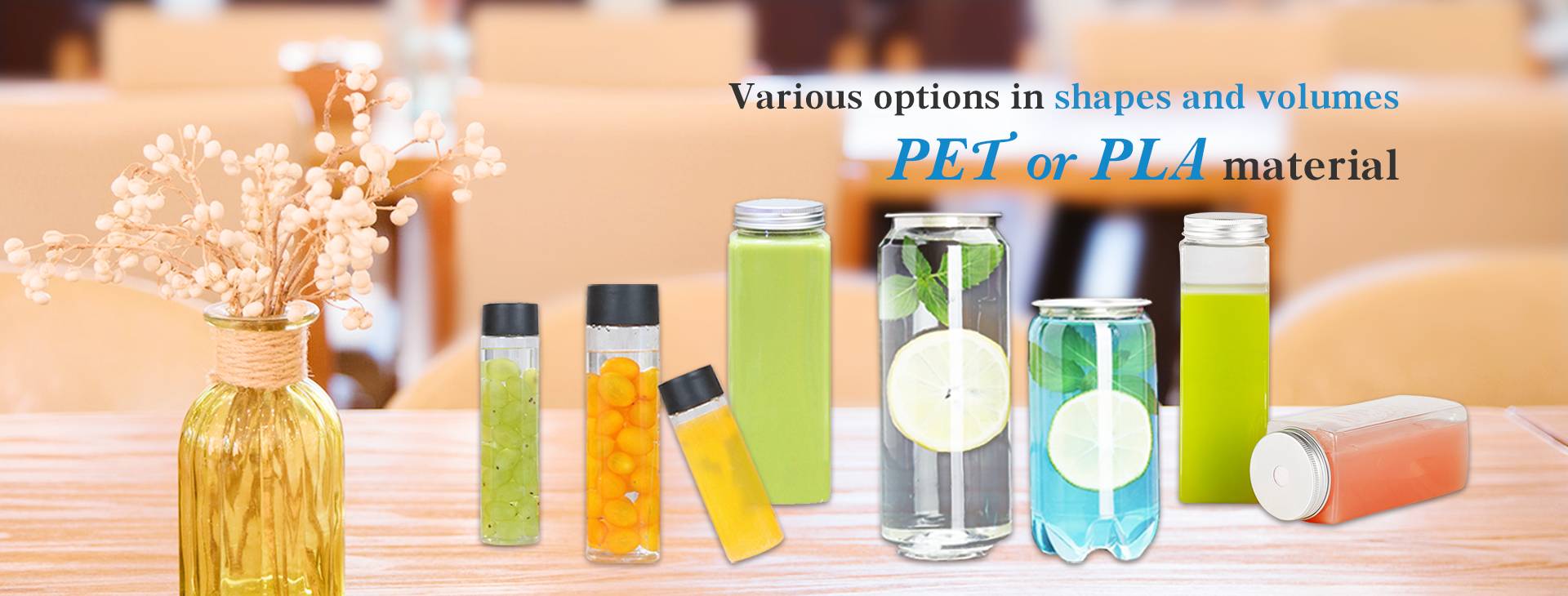
PET condiment jar Manufacturer in China – High-Quality PET Containers
From a China-based Manufacturer, I offer you our PET condiment jar that blends durability with clean design. We design these jars to meet B2B demands for food service and retail packaging. Our PET condiment jar features lightweight yet impact resistant material, airtight lids, wide mouths for easy refilling, and smooth, stackable shapes that save space in warehouses. I understand the needs of bulk buyers—consistent color, stable closure, certified food-grade grade material, and reliable supply chains. We can customize sizes, cap colors, and print logos to fit your brand in China and beyond. With competitive MOQ, quick lead times, and scalable production lines, this jar helps you reduce logistics costs while improving product shelf appeal. If you’re seeking a trusted partner, I’m here to discuss specifications, packaging, and delivery schedules with you.


PET condiment jar Application Service
PET condiment jars offer a versatile, cost-effective packaging solution for sauces, dressings, spices and other liquid or semi-solid food items destined for global markets. Made from food-grade PET, they deliver excellent clarity for product presentation, lightweight and shatter-resistant handling, and options for hot-fill, barrier coatings or UV protection to extend shelf life. Customizable neck finishes, tamper-evident caps, liner types, and high-quality printing or labeling help brands stand out on shelves while meeting retail and foodservice requirements. Our application services include OEM/ODM design, rapid prototyping, tool-making and full quality control with compliance testing to international food-contact standards. We offer sustainable choices such as PCR PET and mono-material designs to simplify recycling, flexible minimum order quantities, competitive lead times and secure global logistics and packaging solutions. We welcome technical conversations to tailor jar dimensions, barrier performance and decoration to your product formulation and market needs, and can arrange samples and specification documentation for evaluation.
| Application Sector | Typical Jar Volume (mL) | Neck Finish (mm) | Typical Lid Type | Material / Construction | Oxygen Transmission Rate (OTR) (cc/m²·day) |
Water Vapor Transmission Rate (WVTR) (g/m²·day) |
Recommended Viscosity Range (cP) | Filling Temperature Range (°C) | Typical Shelf-Life (months) | Regulatory / Notes | Recyclability Notes | Typical Product Examples |
|---|---|---|---|---|---|---|---|---|---|---|---|---|
| Table Sauces | 200–500 | 28 / 38 | Screw cap / Flip-top / Dispensing | Food-grade PET; optional EVOH barrier layer | 0.5–5 (with barrier lower) | 0.5–3 | 50,000–250,000 | 20–85 (hot-fill up to ~85 with heat-set) | 9–18 | Food-contact compliant; aroma retention recommended | Mono-PET recyclable; multi-layer reduces recyclability | Ketchup, mustard, BBQ sauce |
| Oil-based Condiments | 250–1000 | 28 / 38 | Screw cap with pour-spout | Clear PET; optional barrier/coat to limit aroma loss | 2–10 | 0.5–2 | 30–200 | 15–40 | 12–24 | Food-contact compliant; avoid reactive coatings | Recyclable; avoid metallic labels/closures to ease sorting | Vinegar, infused oils |
| Dry Condiment Powders | 50–250 | 38–48 (wide) | Shaker/sifter or screw cap | PET with anti-static inner coat possible | N/A | 0.5–3 | N/A (powder / free-flow) | Ambient | 12–36 | Food-contact compliant; moisture control advised | Recyclable; removable lids improve sorting | Salt blends, spice mixes |
| Creamy Dressings & Mayonnaise | 250–500 | 38–48 | Wide-mouth screw cap | Thicker-wall PET; optional barrier for shelf stability | 0.5–8 | 0.5–4 | 100,000–1,000,000 | 20–50 (specialized filling) | 6–12 | Food-contact compliant; emulsion stability testing | Mono-PET recyclable; barrier layers complicate stream | Mayonnaise, creamy dressings |
| Heat-Sensitive Sauces | 150–500 | 28 / 38 | Screw cap | Barrier PET or coated PET for aroma control | 0.2–3 | 0.5–2 | 1–2,000 | Ambient–60 | 12–24 | Food-contact compliant; low-oxygen packaging advised | Barrier reduces recyclability; consider recyclability in design | Soy sauce, fish sauce |
| Seasoning Pastes | 100–300 | 48 (wide) | Wide-mouth / spoonable lid | Thicker PET; inner seal recommended | 0.5–6 | 0.5–4 | 5,000–200,000 | 20–60 | 6–12 | Food-contact compliant; preservative guidance recommended | Recyclable if mono-layer; verify local streams | Garlic paste, chili paste |
| Honey & Syrups | 250–1000 | 28 / 38 | Dispensing cap / Screw cap | Heat-stable PET; anti-stick internal coating possible | 0.1–2 | 0.2–1.5 | 2,000–100,000 | 40–85 (hot-fill commonly used) | 12–36 | Food-contact compliant; high-sugar matrices affect preservation | Generally recyclable; coatings may require sorting | Honey, syrups |
Related Products



PET condiment jar Ahead of the Curve From Concept to Delivery
Top Selling Products




- Related Blog
- Reviews
- Reviews
