



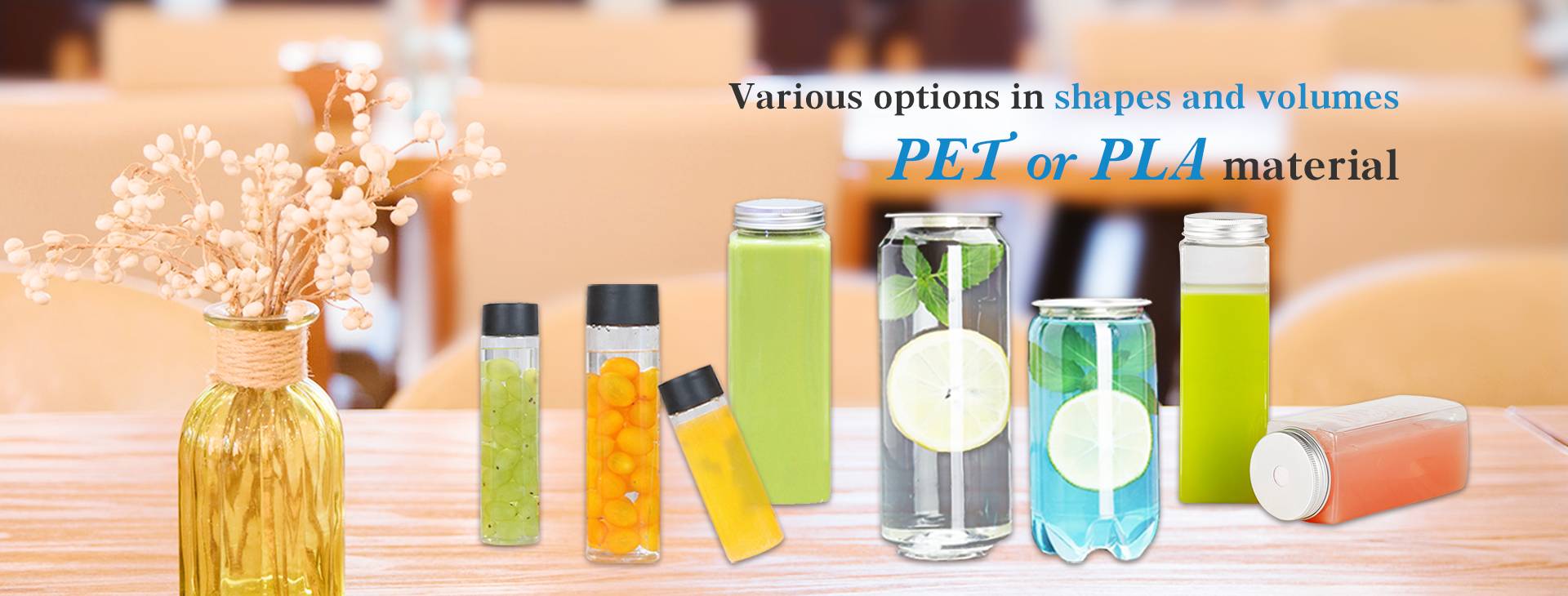
PET POP can - China Manufacturer for High-Quality PET Beverage Cans
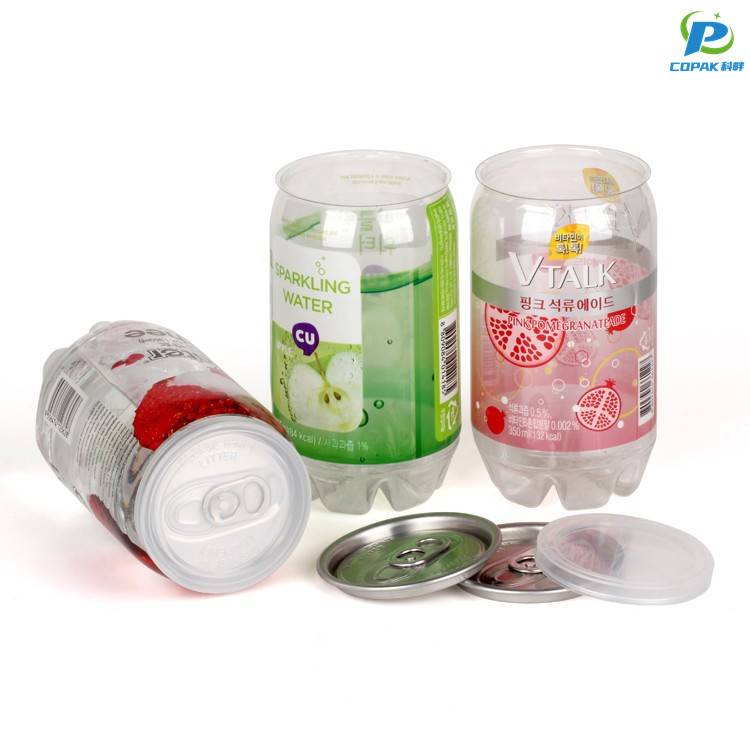
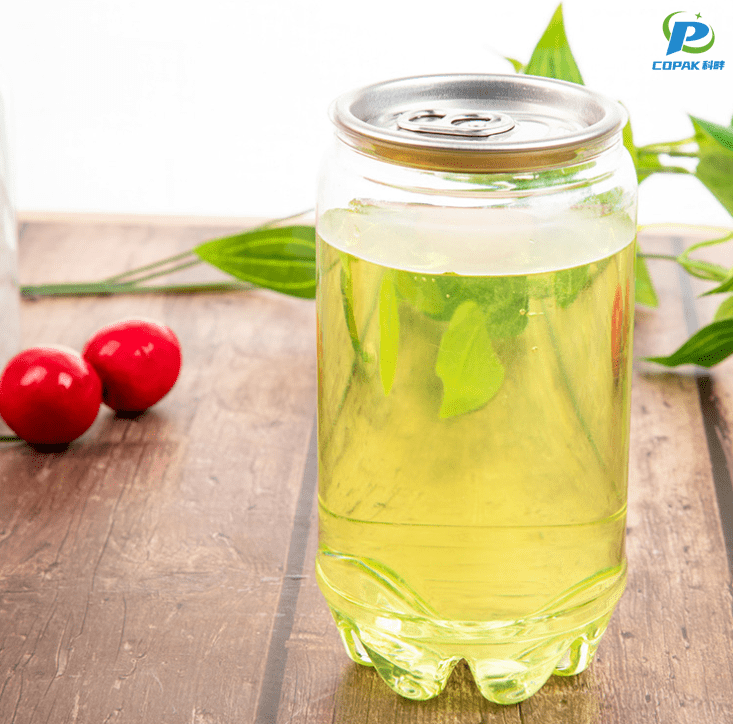
I’m a China-based Manufacturer, and I know what B2B buyers look for in a PET POP can. I offer a reliable supply of PET POP can for beverages, sauces, or craft packaging. Our PET POP can is light, impact resistant, and fully recyclable, with aroma-safe, food-grade PET. We provide custom neck finishes, volumes, and print decorations to fit your brand. With short lead times, scalable MOQs, and a consistent supply chain, you can plan production with confidence. We provide OEM/ODM packaging options, tamper-evident seals, easy-open pull tabs, and high-speed filling compatibility. Our factory uses strict QC, from raw material to finished can, ensuring compliance with food-contact standards. If you're sourcing from a China-based Manufacturer, I believe we can meet your demand for PET POP can at competitive prices. Contact me for samples, pricing, and minimum order quantities today.
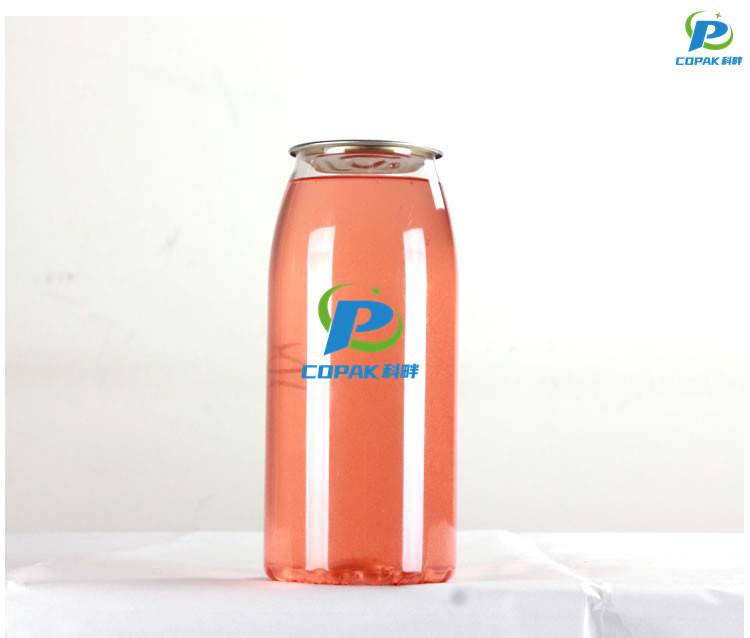


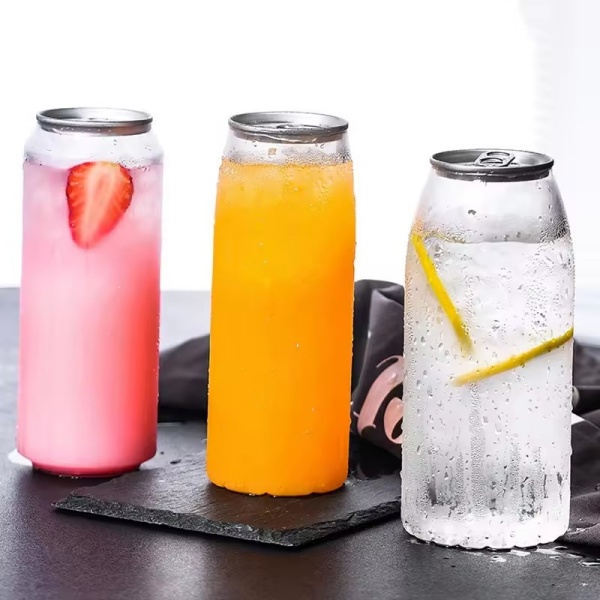

PET POP can Application Your End-to-End Solution
An integrated PET POP can application solution streamlines every stage from concept to delivery, combining tailored packaging design, precision tooling, reliable material sourcing, and automated production. We provide full-spectrum services including barrier enhancement, surface decoration, cap and sealing optimization, rigorous quality control and certification support to meet global food safety and sustainability standards, ensuring consistent performance for beverages and consumer goods worldwide. For global buyers, a turnkey partner reduces lead times, simplifies procurement, and lowers total cost of ownership through scalable minimums, flexible customization and consolidated logistics. End-to-end project management, transparent testing reports and responsive after-sales support help mitigate supply chain risk and accelerate market entry—ideal for brands seeking dependable, compliant and eco-conscious PET POP can solutions.
{ PET POP can Application Your End-to-End Solution}
| Stage | Purpose | Typical PET specification | Key parameters / process settings | Quality control tests | Typical cycle / time | Environmental considerations |
|---|---|---|---|---|---|---|
| Design & prototyping | Define geometry, wall thickness, closure interface and end-of-life recyclability | Intrinsic viscosity (IV) target: 0.70–0.85 dL/g; density ≈ 1.37–1.39 g/cm³; clarity & haze targets | Wall thickness 0.25–0.60 mm; dimensional tolerances ±0.1–0.3 mm; CAD for tool design | Dimensional inspection (CMM), visual clarity, prototype fit tests | Design & iteration: days–weeks | Design for mono-material construction and lightweighting to ease recycling |
| Preform production (injection) | Produce stable preforms with controlled IV and moisture content | IV 0.70–0.85 dL/g; moisture <0.02% (by weight) to avoid hydrolysis | Melt temp 250–280°C; mold temp 20–80°C; injection cycle 20–35 s; drying 4–8 h at 140–160°C depending on dryer | IV measurement, moisture analysis, mass consistency, visual surface check | 20–35 s per preform | Efficient drying and process control reduce scrap and energy use; consider PCR content targets |
| Forming / shaping into can body | Stretch-blow, thermoform or deep-draw process to achieve can geometry and orientation | Oriented PET: controlled orientation ratio; glass transition (Tg) ~70–80°C; target wall distribution | Stretch ratio 3–6×; blow/heat temperature 85–120°C; wall thickness mapping and clamp pressure | Wall thickness mapping, burst/pressure tests, dimensional accuracy | 2–8 s per piece (depending on equipment) | Lightweighting reduces material use; aim for uniform walls to avoid rework |
| Barrier coating & surface treatment | Improve gas barrier for carbonation and shelf life; enhance print/label adhesion | Base PET OTR (uncoated): variable; coated target OTR <0.1 cm³/m²·day for extended shelf life | Coating thickness (nm–µm), cure temp/time, plasma or corona treatment for surface energy | OTR/WVTR testing, adhesion, abrasion, and accelerated shelf-life tests | Coating + cure: 30–120 s (line dependent) | Select barrier chemistries compatible with recycling or easily removable in wash streams |
| Filling & sealing | Fill beverage, control headspace and apply closure to ensure shelf stability | Material must retain carbonation; leaktight sealing interface; thermal stability during hot-fill if applicable | Fill temperature, fill-speed, headspace control, seaming torque/pressure, nitrogen flushing as needed | Leak detection, dissolved oxygen (DO) measurement, CO2 retention tests | 1–5 s per unit (high-speed lines) | Efficient filling reduces waste and rejects; optimize inerting to minimize oxygen pickup |
| Labeling, decorating & secondary packaging | Apply brand graphics, regulatory text and protective sleeves | Surface energy >36 dynes/cm preferred for adhesives; inks compatible with PET and barrier layers | Label type (shrink/sleeve/adhesive), curing, print registration and scratch resistance | Adhesion pull tests, visual inspection, rub/scratch tests | 0.5–3 s per piece for labeling; secondary pack time varies | Prefer labels and inks that do not impede recycling (e.g., easily removable sleeves or directly printable surfaces) |
| Distribution & end-of-life | Transport finished cans and enable efficient recycling at end of life | Maintain mono-PET construction to maximize recyclability; targeting PCR incorporation where feasible | Palletization, protective packing, labeling for sorting and recycling streams | Pack integrity checks, recyclability audits, PCR content verification | Transit: days–weeks depending on route | Design for recycling, promote closed-loop recovery; recovery rates depend on local infrastructure |
Related Products
Manufacturer Clear Plastic Can Soda Drinking Bottle Cold Brew Coffee Cake Ice Cream Juice Jar Plastic Pop Can with Pull Ring Lid
Read More


PET POP can Is The Best Industry Giant
Sustainable Beverage Container Adoption Rate (2018–2025)
This line chart tracks the estimated adoption rates (percentage of market penetration) for three sustainable beverage container categories between 2018 and 2025. The three series represent Recycled Polymer Cans, Lightweight Aluminum Cans, and Biopolymer Composite Cans. From 2018 to 2025 the recycled polymer segment shows steady acceleration, reflecting improvements in collection and recycling infrastructure, rising consumer preference for circular materials, and cost reductions in recycled resin. Lightweight aluminum maintains a more mature growth pattern, starting from a higher baseline but exhibiting slower incremental gains as its market approaches saturation and as competition from polymers increases. Biopolymer composites start from a very low base but grow rapidly as technological refinements reduce cost, regulatory incentives support bio-based materials, and brand commitments drive early adoption in premium product lines. The combined dynamics suggest a market transitioning from legacy materials to a more diversified mix where recycled polymers and bio-based solutions capture higher shares, while aluminum remains significant for its recyclability and established supply chains. The chart’s trajectory highlights periods where investment or policy interventions could yield outsized returns: for example, accelerating infrastructure for recycled polymers around 2020–2022 correlates with faster adoption afterward. These trends can inform strategic planning for manufacturers, material suppliers, and policymakers by identifying when capacity, collection systems, or incentive mechanisms will be most valuable. The visualization is intended to support scenario planning, help prioritize R&D and capital spending, and communicate likely shifts in container composition to stakeholders over the 2018–2025 window.
Top Selling Products


- Related Blog
- Reviews
- Reviews
