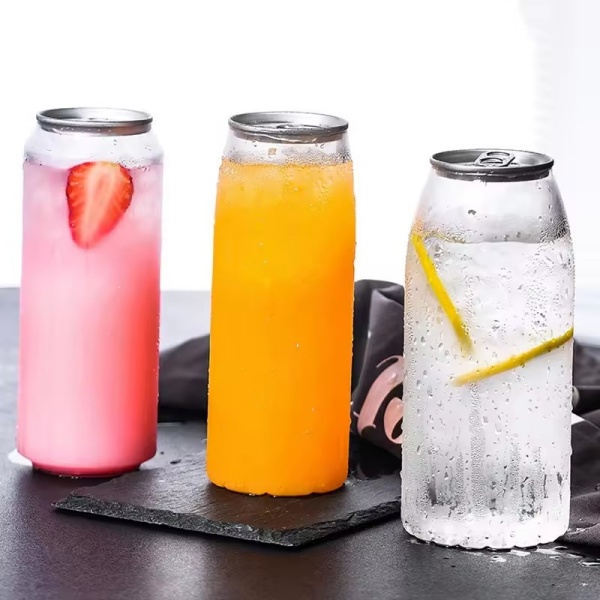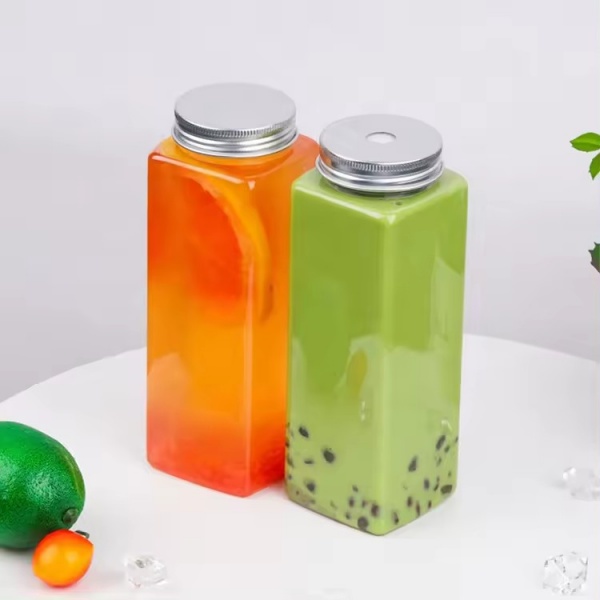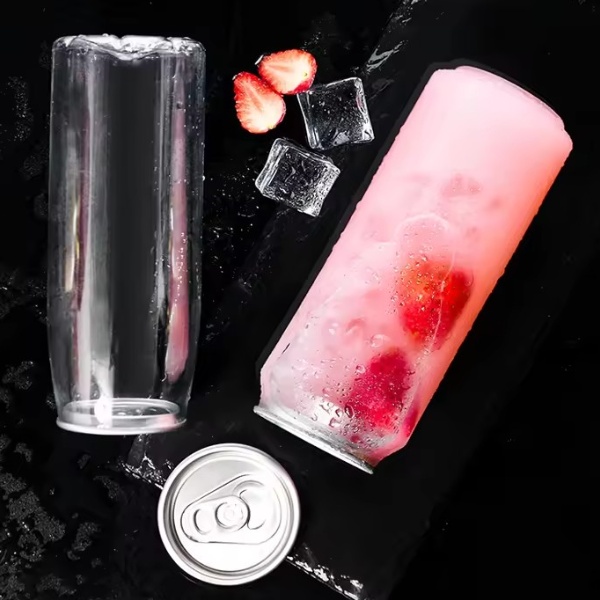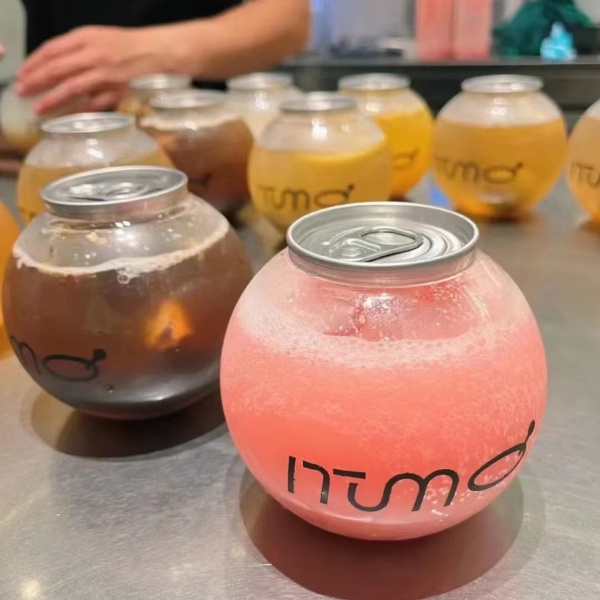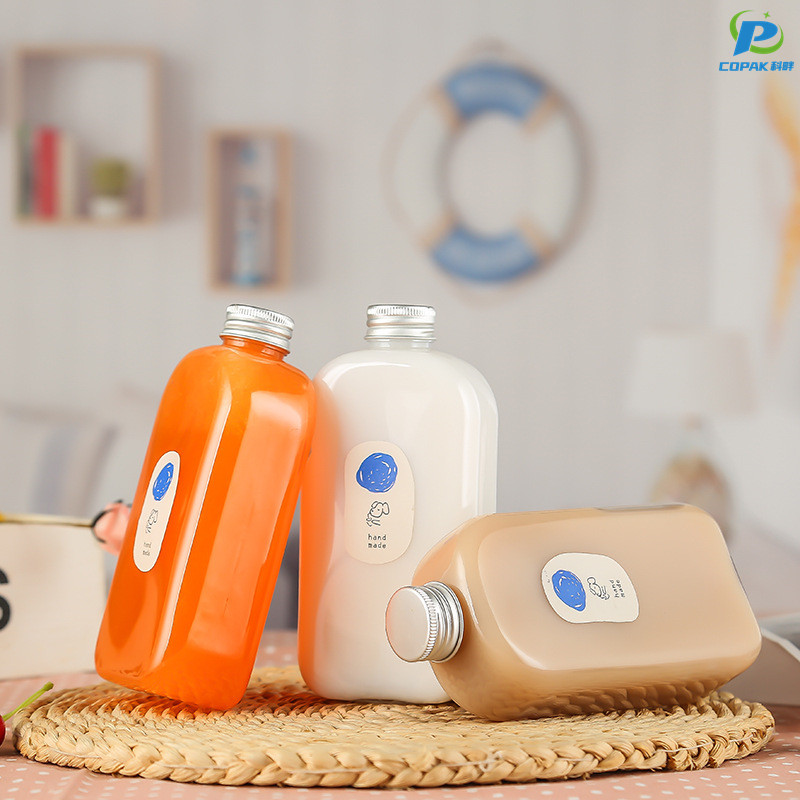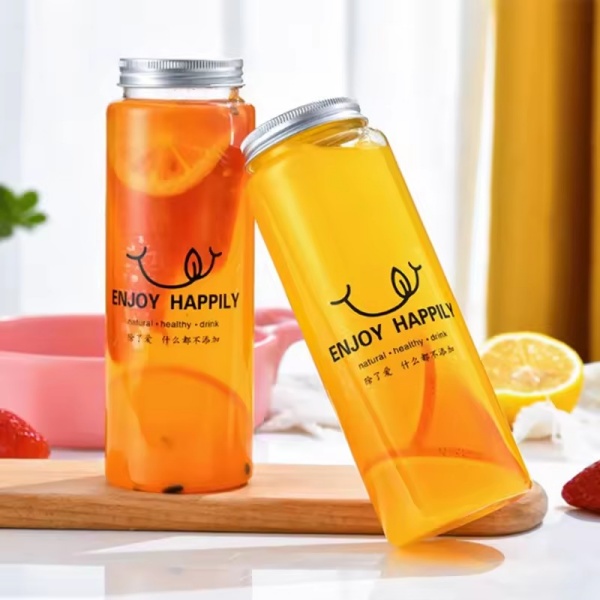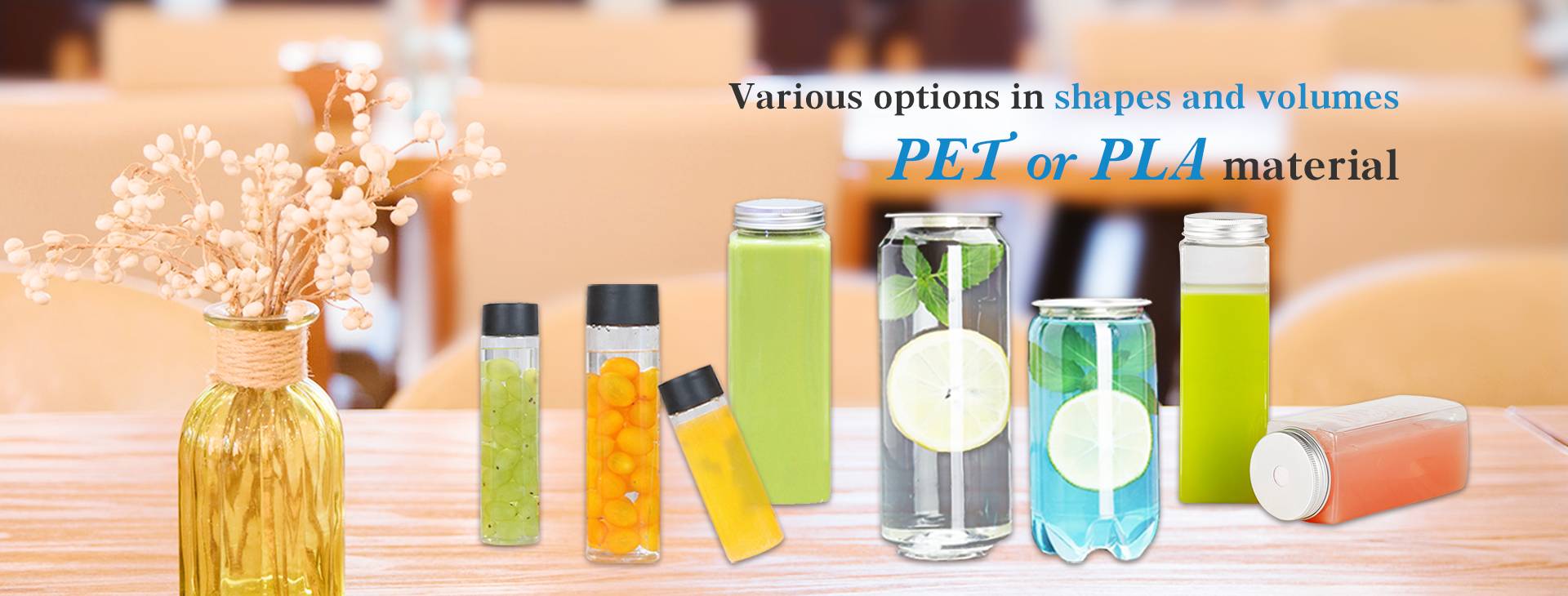
From my factory in China, I provide PLASTIC BEVERAGE CAN solutions for brands and co-packers who demands consistency and scalability. As a China-based Manufacturer, I understand what B2B buyers want: reliable supply, tight tolerances, and flexible MOQ. I take pride in controlling the process from material selection to finished can, delivering light, durable designs that fits standard filling lines. You can choose size, shape, color, and printing options, plus caps and reseal features to protect product integrity. Our QC is strict—random checks, traceable batches, and compliance with applicable standards—so audits are easy. I offer fast quotes, clear lead times, and dependable after-sales support, all designed to keep your line running. Whether you are launching in China or expanding overseas, I can partner with you to meet exact specs and deadlines. Let us turn your packaging ideas into a reliable PLASTIC BEVERAGE CAN solution.
Discover a complete end-to-end solution for plastic beverage cans backed by deep industry expertise. From concept and structural design to barrier technology, leak-proof sealing and aesthetic finishes, we deliver tailored can sizes, closures and printing options that meet carbonation, shelf-life and brand requirements. Rigorous quality control, food-grade materials and compliance with global safety standards ensure product integrity while lightweight, recyclable constructions reduce cost and environmental footprint. Our service covers rapid prototyping, tooling, scalable mass production and flexible MOQ to support launches and high-volume programs alike. Integrated logistics, inventory management and testing labs streamline global delivery and regulatory documentation. With continuous R&D, responsive project management and post-sales support, global buyers gain a reliable manufacturing partner to accelerate time-to-market, optimize total cost of ownership and create standout beverage packaging.
| Dimension | Metric / Unit | Typical Value (Range) | Test / Standard |
|---|---|---|---|
| Container Type | Format | 330 mL and 500 mL single-wall plastic can (rigid polymer body with neck finish) | Industry packaging formats |
| Primary Polymer | Material | Polyethylene terephthalate (PET) or polypropylene (PP) with barrier layer options | Common beverage-contact polymers |
| Wall Thickness | mm | 0.35 – 0.90 mm (dependent on size & reinforcement) | Design-dependent |
| Net Can Weight | grams | 12 – 22 g (typical for lightweight 330–500 mL designs) | Measured per empty finished can |
| Density | g/cm³ | PET: ~1.38; PP: ~0.90 – 0.92 | Material datasheets |
| Tensile Strength | MPa | PET: 50 – 80 MPa; PP: 30 – 40 MPa | ASTM D882 (tensile testing of thin plastic sheets) |
| Impact Resistance (Drop) | Drop height / result | Typical survival: 0.5 – 1.5 m drop using filled can testing; design-dependent | ISTA 2A / ISTA 3A style protocols |
| Oxygen Transmission Rate (OTR) | cc/m²·day @ 23°C, 50% RH | Plain PET: 2 – 30; with barrier (EVOH/SiOx): 0.01 – 1 | ASTM D3985 (coulometric method) |
| Water Vapor Transmission Rate (WVTR) | g/m²·day @ 38°C, 90% RH | Plain PET: 1 – 4; with barrier coatings: 0.1 – 1 | ASTM F1249 or ASTM E96 |
| Carbonation Compatibility | Maximum CO2 (vol) | Up to 4.5 vol CO2 achievable with appropriate seal and neck design | Industry carbonation benchmarks |
| Pressure Resistance (Internal) | kPa (psi) | 200 – 500 kPa (29 – 72 psi) depending on geometry & reinforcement | Burst testing per custom QA |
| Thermal Resistance | Filling / sterilization temp | Hot-fill up to 85°C (short duration); retort generally not recommended for standard PET without special grades | Process-dependent; consult polymer thermal limits |
| Shelf Life (Ambient) | Months | 6 – 18 months typical (depends on barrier, beverage type, and headspace control) | Stability studies / accelerated aging |
| Recycled Content Compatibility | % Post-consumer recycled (PCR) | Up to 30% PCR readily; higher blends possible with targeted formulations and quality control | Food-contact PCR guidelines and screening |
| Regulatory Compliance | Food contact regulations | Designed to meet common regulations (e.g., FDA food-contact guidance, EU Regulation (EU) No 10/2011) when appropriate grades and linings are used | Verification per jurisdiction required |
| Surface Treatments / Barrier Options | Examples | EVOH multilayer, SiOx/AlOx coatings, polymeric barrier layers, internal lacquer for flavor protection | Chosen based on shelf-life and beverage chemistry |
| Typical Quality Tests | Measures | Tensile, burst, leak test, OTR, WVTR, sensory migration screening, accelerated shelf-life | Standards-driven QA programs |
| Estimated Climate Footprint | g CO2e per 330 mL can (approx.) | Approx. 40 – 120 g CO2e depending on material choice, recycled content and supply chain (life-cycle estimate) | LCA range; case-by-case assessment recommended |
| Recommended Filling Temperature | °C | Cold-fill: 4 – 25°C; Hot-fill: ≤85°C for short cycles with suitable polymer grades | Depends on beverage processing |
| Typical Production Lead Time | Weeks | 6 – 14 weeks from tooling to regular production depending on tooling complexity and certification | Supply-chain dependent |
| Migration / Safety Limits | Overall migration | Designed to comply with overall migration limits (e.g., ≤10 mg/dm² or local regulatory equivalents) when using approved food-contact materials | Regulatory testing required for final configuration |