



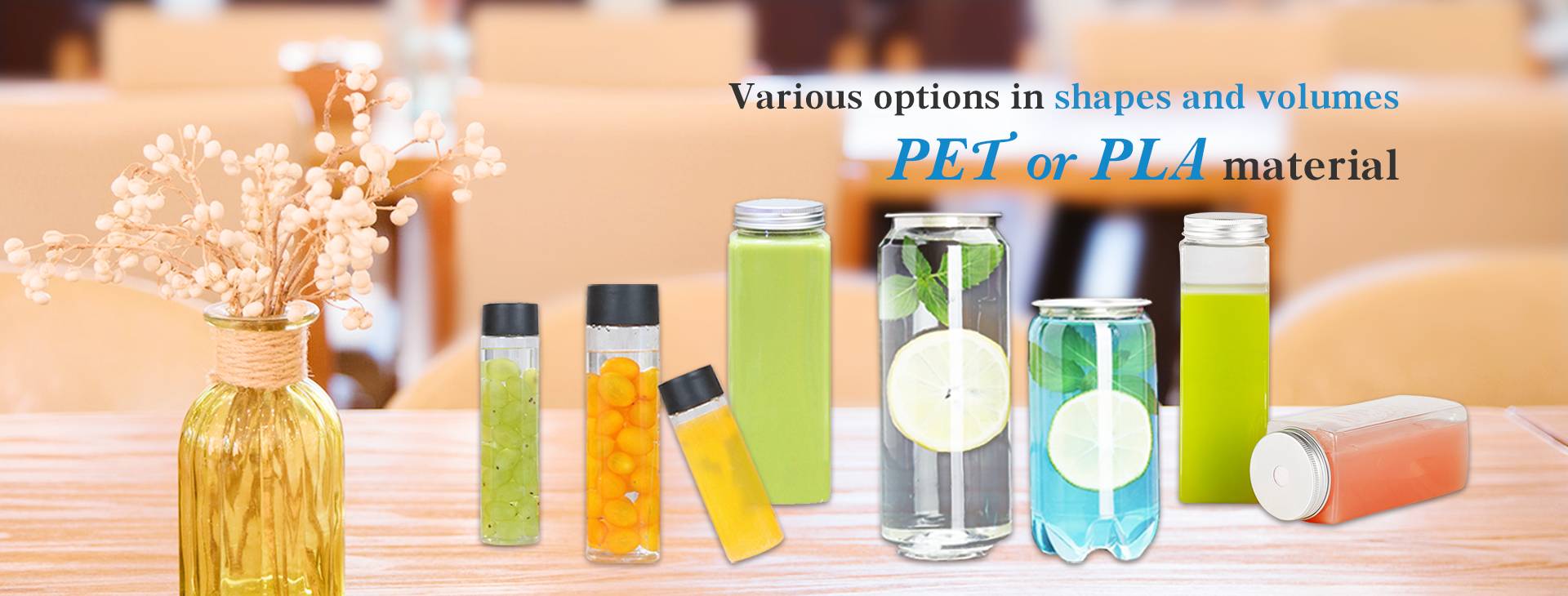
Plastic bottle for spices | China Manufacturer
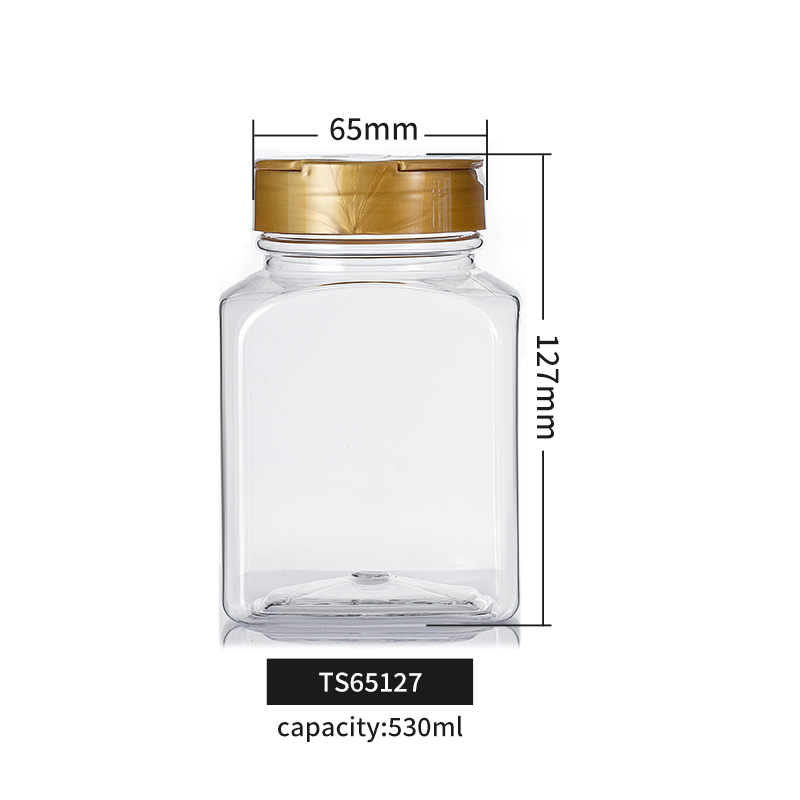
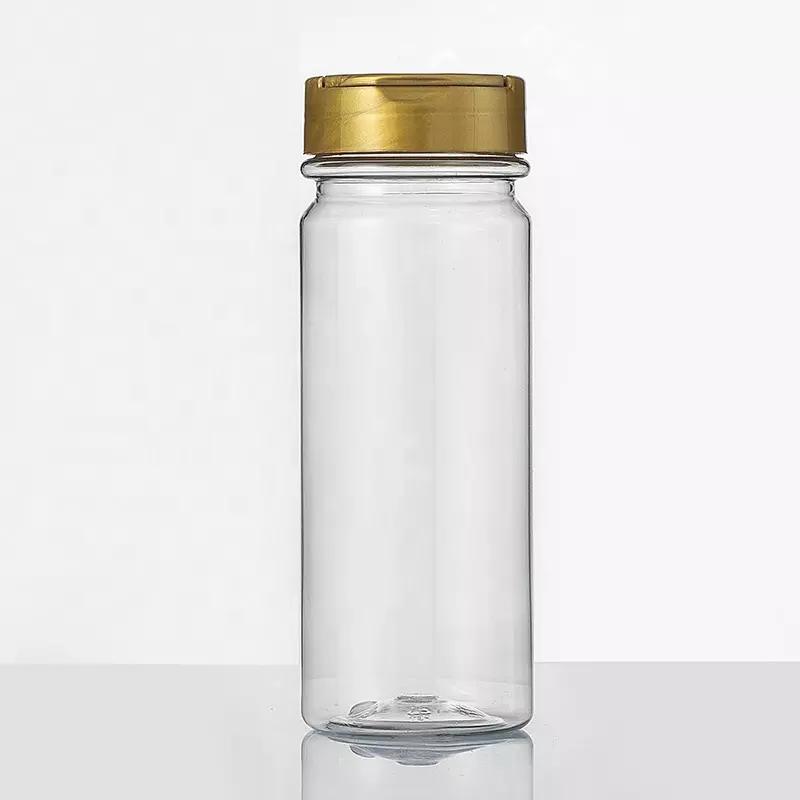
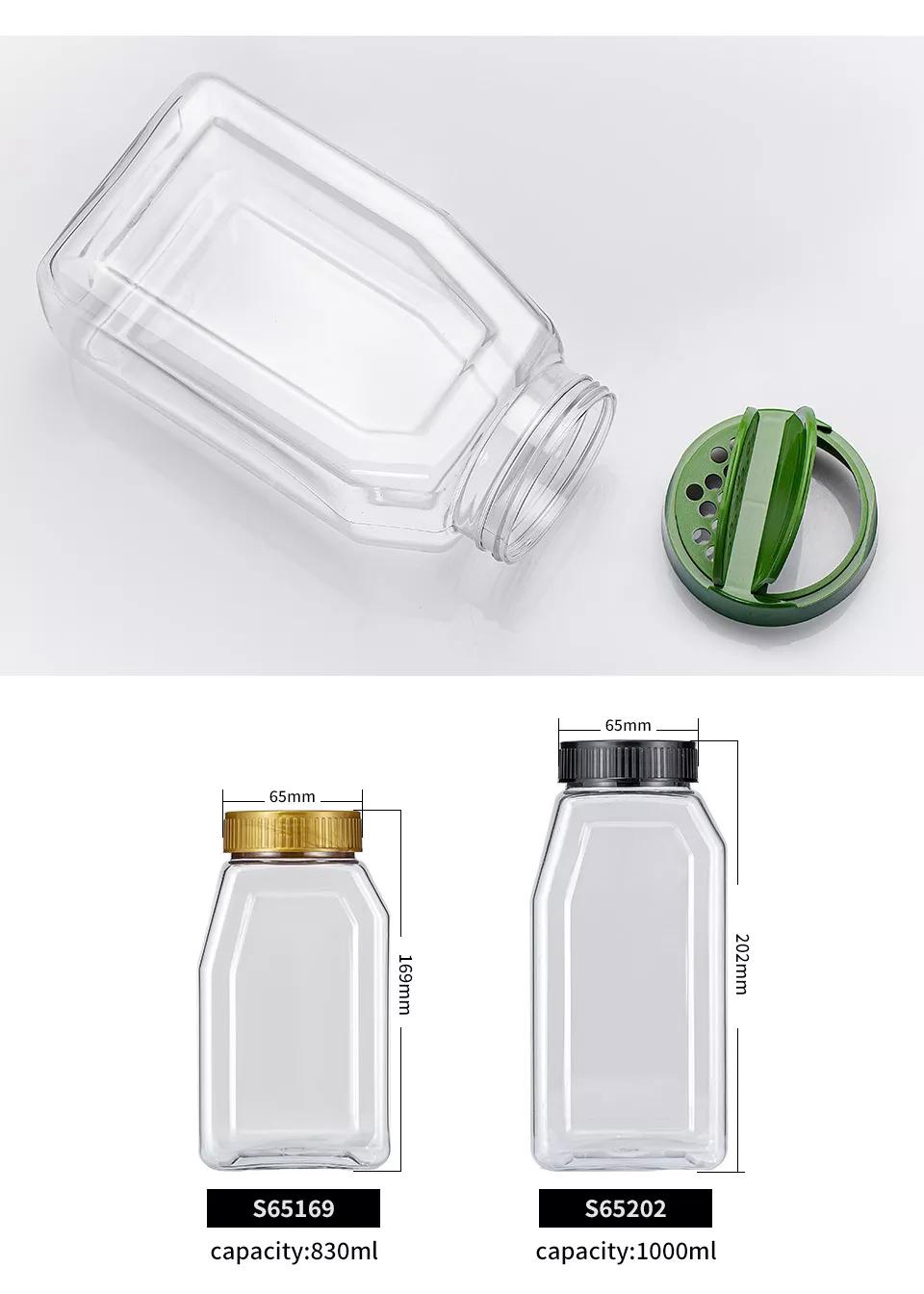
I am a {China}-based {Manufacturer} who understands what B2B buyers want when sourcing a {plastic bottle for spices}. My bottles are food-grade PET, BPA-free, and designed with airtight caps to lock in aroma and keep powders dry. You can choose from clear or tinted options, with tamper-evident seals and your preferred neck finish. I offer screw caps, flip-top caps, and shaker toppers to fit spice blends, sugar, or herb jars. Sizes range from 50ml to 200ml, chosen to maximize shelf impact and minimize waste. Customization is available—logo printing, color caps, and label-ready finishes—to speed your branding. I commit to efficient China-based production, competitive pricing, and reliable lead times for bulk orders. If you’re looking to stock a dependable, compliant bottle for spices, I’m ready to partner with you.


plastic bottle for spices Industry Leaders Trusted by Pros
Professional chefs, spice blenders, and global food brands trust modern plastic spice bottles for their combination of convenience, safety, and shelf appeal. These bottles are engineered from food-grade PET/PP with airtight, tamper-evident seals, precision shaker or pour spouts, and options for UV/OD barrier layers to protect aroma and color. Clear, frosted, or colored finishes, stackable designs, and printed or wrap-around labeling ensure products look premium on shelves while delivering measured, mess-free dispensing for end users. A Shanghai-based manufacturing partner with deep export experience can support global procurement with scalable production, strict quality control (FDA/ISO-aligned processes), flexible MOQs, rapid sampling, and private-label solutions. Options include lightweight, fully recyclable PCR materials or bio-based plastics, multiple cap and closure formats, and customized mold development. Reliable lead times, packaging optimization for international shipping, and post-sale support make these spice bottles a practical choice for buyers seeking performance, compliance, and brand differentiation.
plastic bottle for spices Industry Leaders Trusted by Pros
| Product Type | Primary Material | Typical Capacity (ml) | Cap Type | Seal Type | Recyclability Rate (%) | Common Use Cases | Compliance Standards | Typical Weight (g) | Surface Finish | Color Options | Lead Time (weeks) | Recommended Storage | Shelf Life (months) | Sustainability Notes | Typical Production Method | Quality Assurance Tests | Region of Manufacture |
|---|---|---|---|---|---|---|---|---|---|---|---|---|---|---|---|---|---|
| Small Spice Shaker | Polyethylene Terephthalate (PET) | 100 | Perforated screw cap | PE foam liner | 95 | Salt, pepper, ground spices | FDA CFR 21; EU 10/2011 | 18 | Clear gloss | 6 | 4 | Cool, dry, away from sunlight | 36 | Widely recyclable; lightweight reduces shipping emissions | Injection stretch blow molding (ISBM) | Drop test; cap torque; visual inspection | Southeast Asia |
| Spice Grinder Bottle | High-Density Polyethylene (HDPE) | 120 | Twist-to-grind cap | Silicone gasket | 85 | Whole spices, peppercorns | EU food contact regs; FDA | 32 | Matte | 3 | 6 | Dry, avoid humidity | 48 | HDPE widely recycled; replaceable grinder reduces waste | Extrusion blow molding + assembly | Functional grind test; migration testing | Europe |
| Wide-Mouth Jar | Glass (soda-lime) | 250 | Metal screw cap | PTFE-lined cap | 100 | Herbs, coarse mixes | EU 1935/2004; FDA | 220 | Clear glass | 2 | 5 | Room temperature, dry | 60 | Highly recyclable; inert and non-reactive | Glass forming (press & blow) | Annealing verification; leach testing | North America |
| Squeeze Dispenser Bottle | Low-Density Polyethylene (LDPE) | 150 | Soft nozzle cap | Integrated dip molding | 70 | Oils, liquid spices, sauces | FDA; EU food contact | 25 | Opaque | 4 | 4 | Upright, capped | 24 | Lightweight; recyclable in select streams | Compression molding | Cap integrity; squeeze/resilience test | Southeast Asia |
| Flip-Top Dispenser | Polypropylene (PP) | 80 | Flip-top with tamper-evident ring | Pressure-fit liner | 90 | Ground spices, seasonings | BPA-free; FDA food contact | 15 | Semi-gloss | 6 | 3 | Cool, dry place | 36 | PP widely recycled; tamper ring can complicate recycling | Injection molding | Tamper test; drop test; cap retention | China |
| Refillable Herb Jar | Tritan copolyester (BPA-free) | 180 | Refillable lid with inner shaker | Silicone gasket | 50 | Dried herbs, blends | EU & FDA food contact standards | 90 | Crystal-clear | 3 | 5 | Dry, closed | 48 | Durable, reusable design reduces single-use waste | Injection molding + assembly | Repeated use cycle test; odor migration | Europe |
Related Products


plastic bottle for spices Application From Concept to Delivery
Top Selling Products

- Related Blog
- Reviews
- Reviews
