PET Bottles

plastic bottle for spicy - China Manufacturer | Packaging Solutions

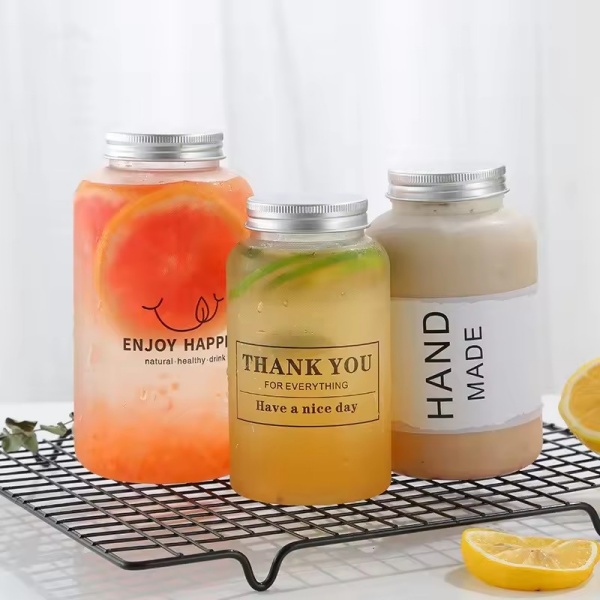
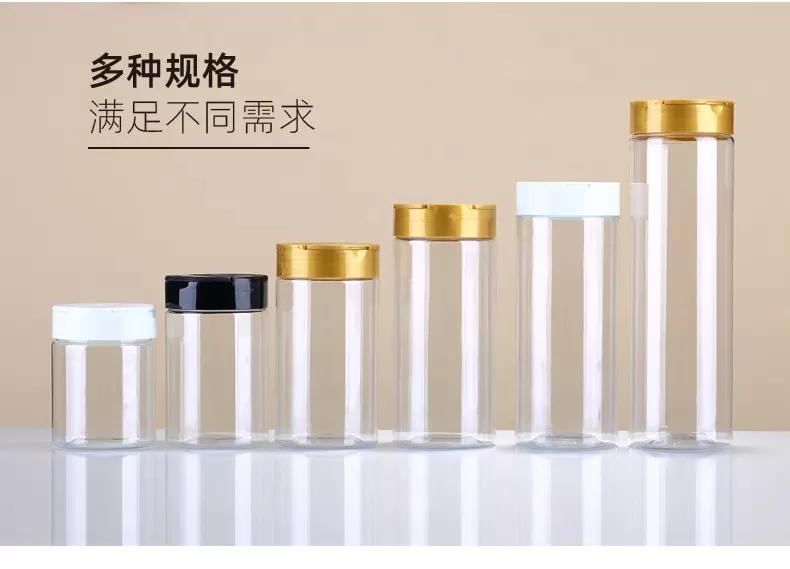
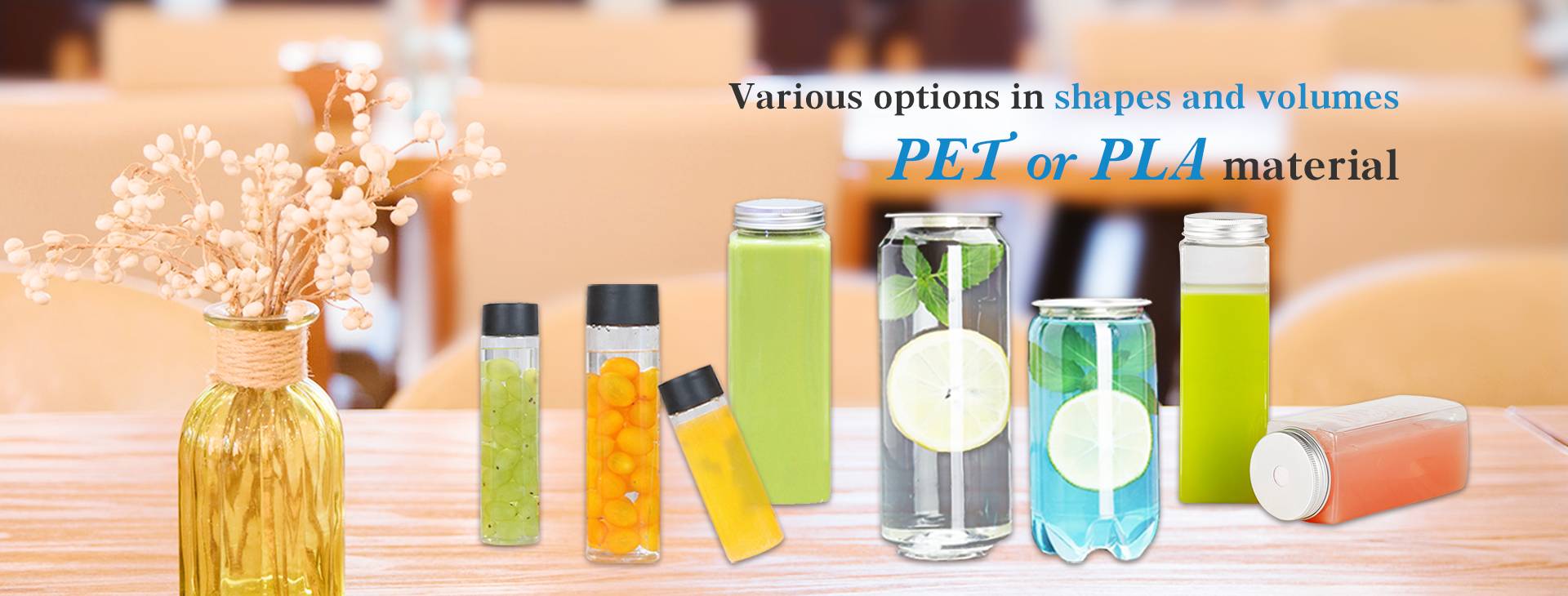
From a dedicated team in {China}, I supply the {plastic bottle for spicy} that keeps sauces bold and fresh. As a {Manufacturer}, I know buyers want packaging they can trust under tough transit. Our bottles are food-grade and made to endure chili oils, with tight caps, tamper-evident seals, and options for UV protection. We offer sizes from 50ml to 500ml, lightweight yet durable, with clear labeling surfaces for branding. Custom printing, multiple cap styles, and material choices (PET or HDPE) are available to fit your product line and budget. I aim for reliable lead times, consistent quality, and scalable supply to meet seasonal demand. If you’re sourcing packaging for spicy sauces or chili pastes, I can streamline your procurement and reduce risk. Company detail {}
Hot Selling Product

plastic bottle for spicy Custom Solutions, Outperforms the Competition

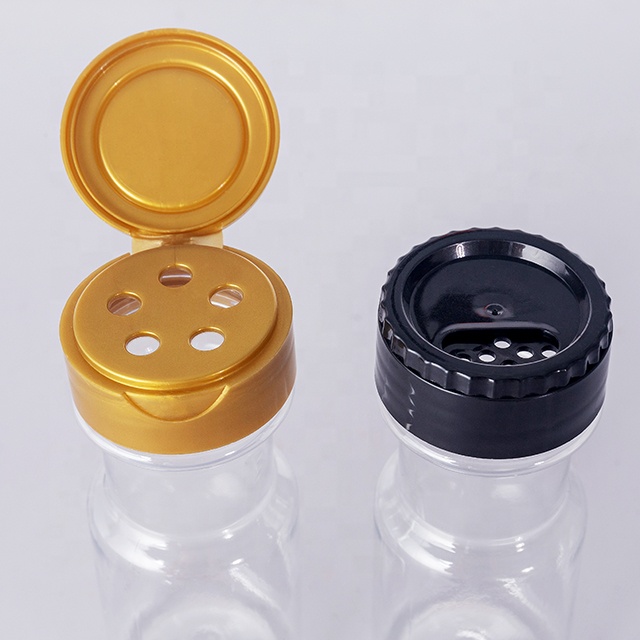
Custom plastic bottles for spicy condiments combine chemical‑resistant food‑grade polymers, high‑barrier performance and precision dispensing to protect flavor and ensure clean, consistent pours. Offered in multiple volumes, neck finishes and cap styles (tamper‑evident, flip‑top, precision nozzle), they withstand hot‑fill and sterilization while remaining lightweight and recyclable. Made for global brands and small producers, these bottles deliver longer shelf life, striking presentation with full‑color labels or shrink sleeves, and accurate dosing to reduce waste. Rapid tooling, scalable production and compliance with international food safety standards speed time‑to‑market and improve ROI—outperforming standard options on performance, cost and customization.

{ plastic bottle for spicy Custom Solutions, Outperforms the Competition}

Model Material Capacity (mL) Empty Weight (g) Height × Ø (mm) Wall Thickness (mm) Cap Type Nozzle Type OTR (cc/m²·day)
(23°C, 50% RH)
WVTR (g/m²·day)
(23°C, 50% RH)
Spice Compatibility
(1–10)
Drop Resistance
(mm)
Leak Integrity
(No-leak % after 100 cycles)
UV Stabilization
(months)
Recyclability
(post-consumer %)
Performance Index
(1–100)
PB-S1 PET (standard, injection-blow) 250 14.5 145 × 48 0.55 Flip-top with inner gasket Small precision tip (2 mm) 3.2 0.6 9 1500 99 18 95 82
PB-S2 PET with EVOH barrier (co-extruded) 250 18.2 148 × 50 0.70 Tamper-evident screw Precision flow nozzle (3 mm) 0.25 0.4 9 1700 99 24 70 91
PB-S3 HDPE (squeezeable) 200 11.0 125 × 44 0.90 Screw cap with pressure valve Soft squeeze nozzle (4 mm) 120 3.6 8 1300 97 12 100 74
PB-S4 Copolyester (high-clarity) 300 21.0 160 × 55 0.80 Tamper-evident pump Adjustable flow tip (2–5 mm) 1.8 0.9 8 1800 98 30 60 79
PB-S5 PET (reinforced base) 500 30.0 190 × 65 0.95 Wide-mouth screw with gasket Wide pour nozzle (6 mm) 2.8 0.8 9 2000 99 20 95 85

Notes: OTR and WVTR values are typical measured ranges under standard test conditions (23°C, 50% RH). Drop Resistance indicates empirically measured maximum safe drop height without visible cracking under controlled lab testing. Performance Index is a composite internal metric based on barrier performance, leak integrity, drop resistance and recyclability (higher is better).

Related Products
Eco Friendly Products

plastic bottle for spicy Service Where Service Meets Innovation

Service Channel Adoption of Plastic Bottles for Spicy Condiments (Monthly Units)

This chart compares monthly units of plastic bottles used for spicy condiments across five distinct service channels in typical operations. Channels include dine-in, takeaway, delivery, catering, and vending representing varied packaging and distribution requirements that influence bottle design choices significantly. Dine-in typically consumes moderate units due to refillable containers and shared bottles placed on tables which reduce single-use demand relatively. Takeaway sees higher single-serve bottle usage driven by customer convenience and food safety expectations requiring robust seals and clear labeling. Delivery volume is the largest in many markets because each order often requires individual sealed bottles to prevent leakage during. Catering emphasizes bulk distribution where bottles are filled on-site or dispensed from larger containers into service bottles for events regularly. Vending registers lower unit counts but benefits from standardized single-serve formats that are easy to stock and manage periodically restocked. Comparative distribution highlights that delivery and takeaway combined account for the majority of bottle demand in the sample dataset period. This concentration suggests design priorities such as improved sealing, compact stacking, and temperature resistance for delivery packaging to reduce damage. Sustainability opportunities differ by channel where dine-in can adopt refill models while takeaway and delivery require recyclable processed plastics alternatives. Forecasting should incorporate seasonality, promotional spikes, and channel growth to align procurement with real consumption patterns over time for planning. Inventory strategies that favor modular packaging allocations reduce waste and improve responsiveness to sudden channel shifts such as pop-up catering. Data-driven pilots can compare cost per unit, lifecycle impacts, and customer satisfaction across bottle types within specific channels to inform. Manufacturers and service operators that collaborate on testing often accelerate adoption of optimized bottle formats and reduce overall environmental burdens. Ultimately channel-level insight enables targeted product improvements that balance operational needs, user experience, cost efficiency, and sustainability goals over time.

Top Selling Products

Subscribe To Our Newsletter

For inquiries about our products or pricelist, please leave your email to us and we will be in touch within 24 hours.

Follow Us

on our social media
  • whatsapp (1)
  • instagram
  • youtube