



Seasoning Containers - China Manufacturer for Global Markets
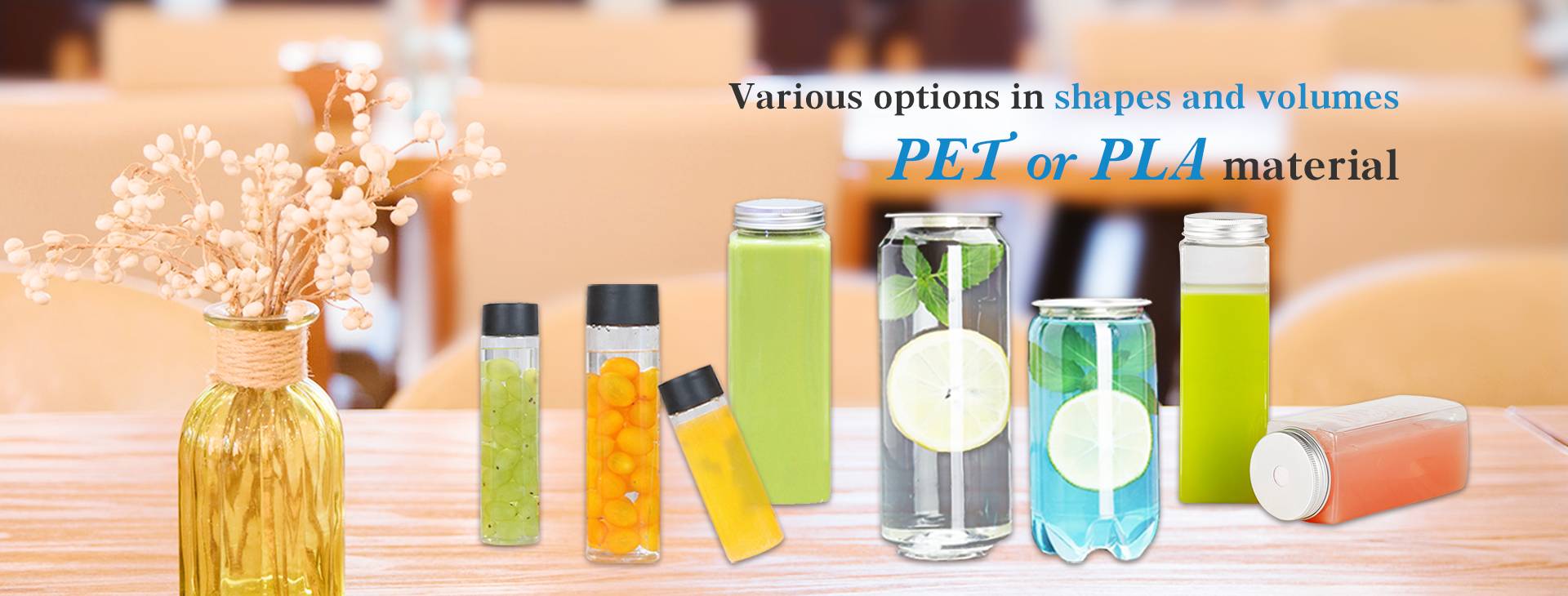
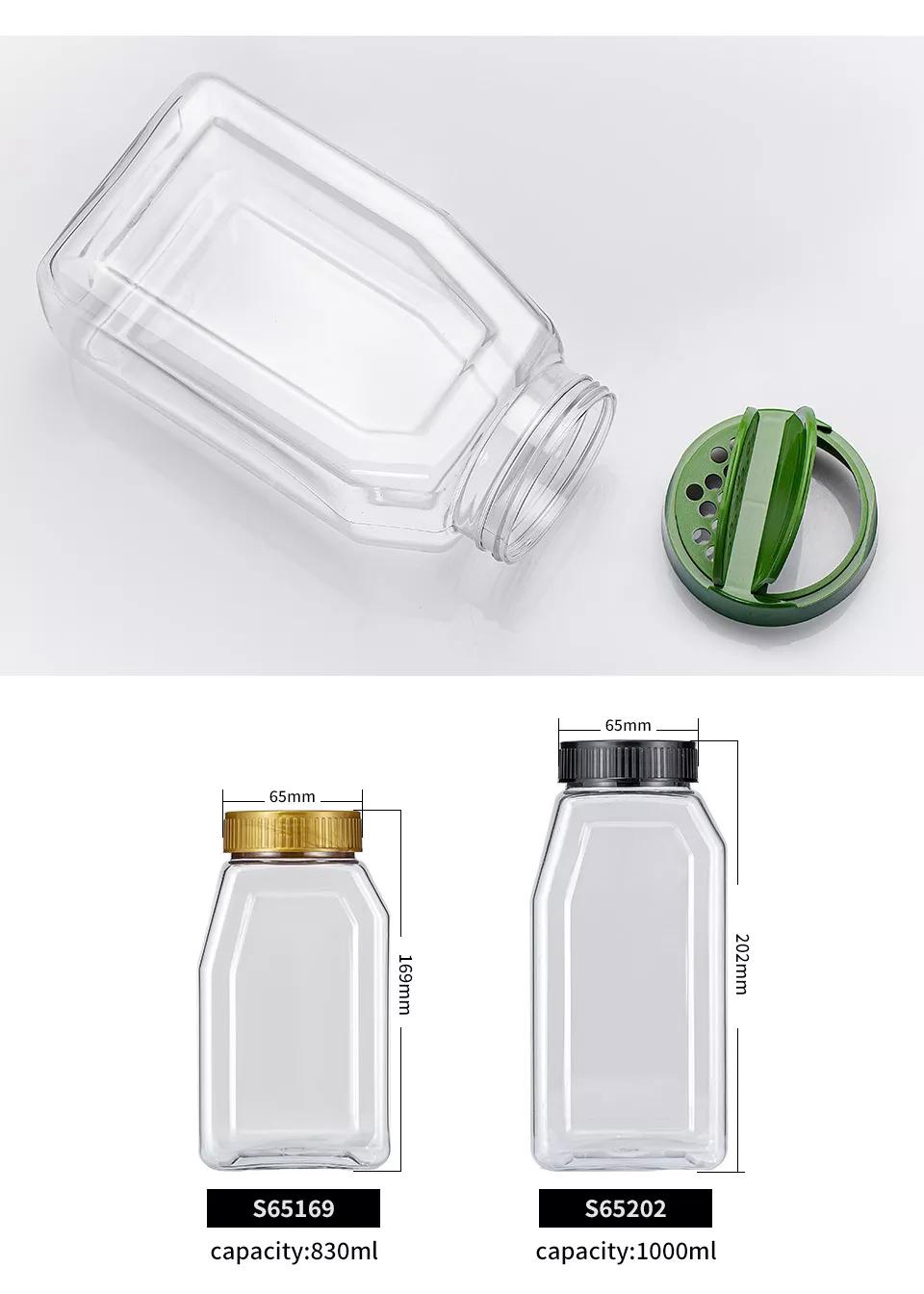
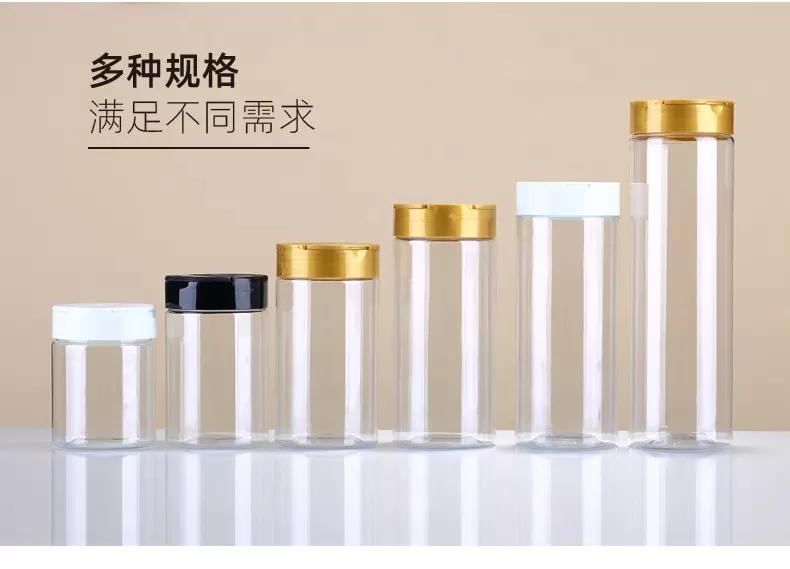
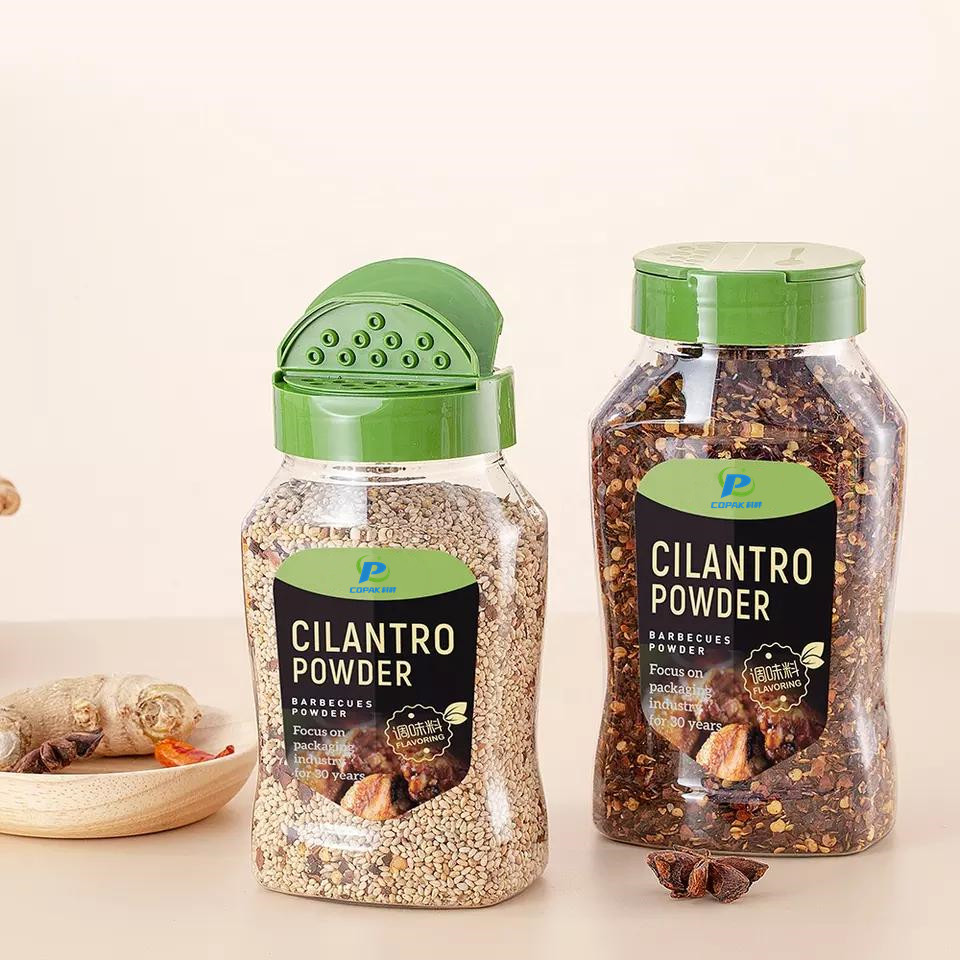
I’m part of a China Manufacturer team that makes seasoning containers for bulk buyers. Our seasoning containers are designed for durability, with BPA-free food-grade plastic and sturdy lids with airtight seals. I know how important precise portion control and easy stackability are for warehouses and distributors. The transparent body helps monitor supply, and the wide mouth makes filling easier. We offer various sizes, multiple lid colors, and labeling options to fit your brand. Our production line emphasizes quality control, consistent wall thickness, and leak-proof performance. For buyers in China and overseas, we provide competitive MOQs, private labeling, and rapid lead times. Choosing our seasoning containers means fewer product returns and happier customers. If you’re a Manufacturer seeking reliable packaging partners, let's talk about your batch sizes, customization, and certification needs.



seasoning containers For the Current Year Global Reach
Seasoning containers are evolving rapidly this year to meet diverse global tastes and retail demands. Modern options span glass, PET and stainless steel, with airtight seals, anti-clog pourers, shaker inserts and portion‑control lids that preserve freshness and enhance user experience. Buyers prioritize verified food‑grade materials, traceable production, compliance with FDA/LFGB/EU standards, consistent printing and tamper‑evident export packaging. Flexible tooling, custom sizes, colors and private‑label printing make it easy to differentiate SKUs across regions. Global procurement teams seek partners who combine product innovation with reliable supply‑chain performance: scalable MOQs, predictable lead times, quality inspection records and full export documentation. Sustainable choices — recyclable materials, refillable systems and reduced packaging — are increasingly decisive in tenders. Requesting samples, material certificates and packaging mockups early accelerates approvals and secures shelf‑ready seasoning solutions for the current year’s market opportunities.
| Region | Primary Container Formats | Common Materials | Estimated Annual Production (million units) |
YoY Growth (%) |
Regulatory Highlights | Typical Distribution Channels | Recyclability (%) |
Dominant Seal Types | Top 3 Seasonings (by volume) |
|---|---|---|---|---|---|---|---|---|---|
| North America | Jars, Shakers, Squeeze bottles, Sachets | Glass, PET, HDPE, Aluminum | 800 | 3.5 | US food-contact compliance; increasing state-level labeling and recyclability requirements | Retail chains, Foodservice, E‑commerce | 45 | Screw caps, Flip-tops, Lidding film | Salt; Black pepper; Mixed spice blends |
| Europe | Glass jars, Shakers, Sachets, Refillable pouches | Glass, PET, PP, Paper-aluminium laminates | 700 | 2.5 | EU food-contact & plastics regulations; strong extended producer responsibility programs | Supermarkets, Online grocery, Natural/organic retail | 65 | Screw caps, Snap-on lids, Heat-sealed sachets | Salt; Pepper blends; Dried herbs |
| Asia‑Pacific | Small jars, Sachets, Pump dispensers, Refill pouches | PET, HDPE, PP, Composite sachets, Glass | 2500 | 6.8 | Varied national food-contact standards; rapid harmonization and rising recyclability mandates | Wet markets, Large retail, E‑commerce, Foodservice | 35 | Heat seals, Screw caps, Heat-sealed sachets | Salt; Chili powder; Curry/spice blends |
| Latin America | Shakers, Sachets, Plastic jars | PP, PET, Laminated paper sachets, HDPE | 300 | 4.5 | Regional food-contact guidelines; rising import inspections and packaging modernization | Supermarkets, Local markets, E‑commerce | 28 | Screw caps, Heat seals, Flip-lids | Salt; Pepper; Seasoning blends |
| Middle East & Africa | Glass jars, Sachets, Large bulk drums (industrial) | Glass, PET, Paper-aluminium laminates, HDPE | 180 | 5.2 | Import-dependent standards; increasing focus on halal-compliant packaging and cold-chain labeling | Retail, Foodservice, Industrial bulk distribution | 22 | Screw caps, Heat seals, Bung caps for drums | Salt; Spice blends; Dried herbs |
| Oceania | Refill pouches, Glass jars, Shakers | Glass, PET, Recyclable pouches (multi-layer trends) | 40 | 2.2 | Strict food-safety controls; high emphasis on recyclability and deposit-return schemes | Supermarkets, Specialty stores, E‑commerce | 55 | Screw caps, Snap lids, Heat-sealed sachets | Salt; Mixed herbs; Pepper |
Related Products


seasoning containers Exceeds Industry Benchmarks More Than a Supplier - A Partner
Top Selling Products



- Related Blog
- Reviews
- Reviews
