



Spice Bottle Factory in China - Trusted Manufacturer
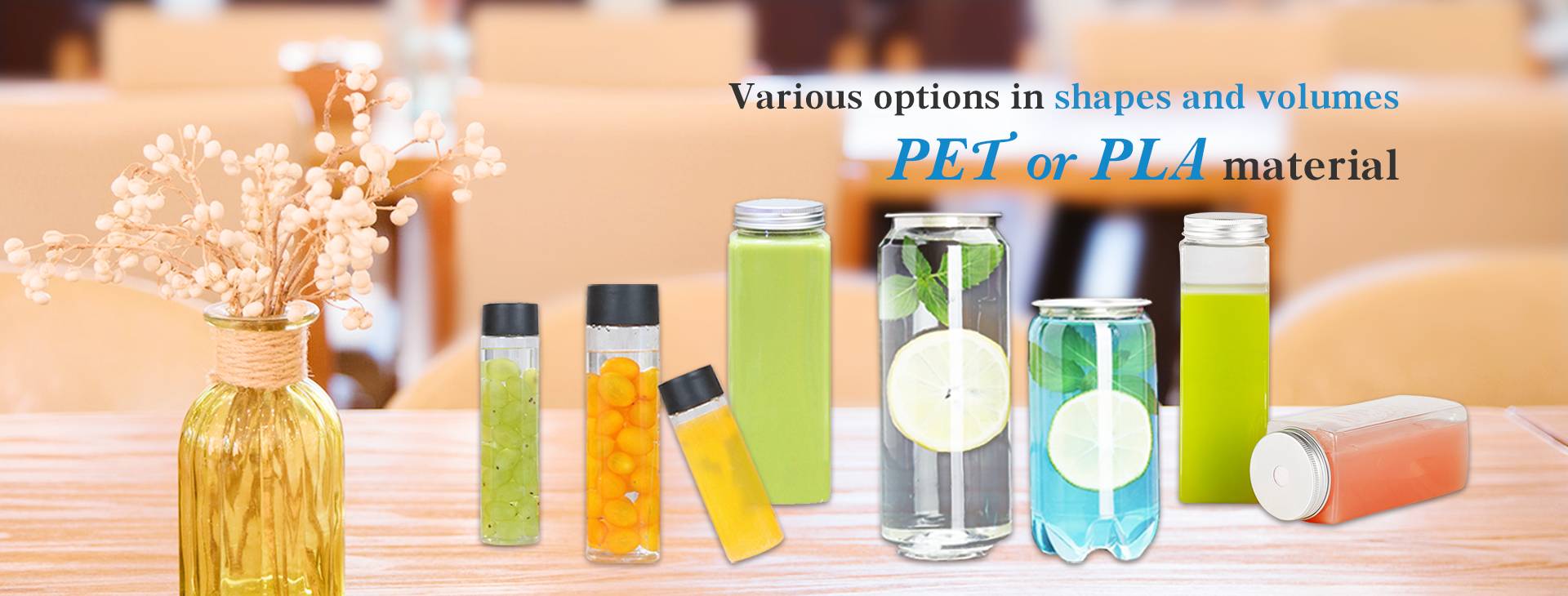
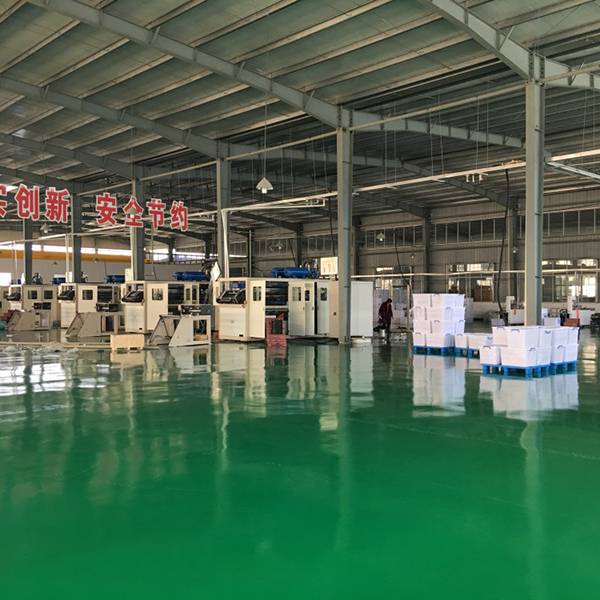
From our spice bottle factory, I provide packaging solutions that help spice brands stand out. Based in China, I am a dedicated Manufacturer delivering quality, consistency, and quick turns for B2B buyers. We offer a wide range of spice bottles in PET, HDPE, and glass, with amber or clear finishes, food-grade linings, airtight caps, measurement marks, and tamper-evident seals. Our lines fit grinders, shakers, and spice jars of sizes from 50ml to 1L, with options for child-resistant closures and flip-top pourers. I work directly with manufacturers to ensure flexible MOQs, competitive pricing, scalable production, and strict QA at every stage. We also provide custom labeling, vivid print, and complete packaging solutions, including inner seals and outer cartons. If you’re sourcing from China and need a reliable Manufacturer who understands spice packaging, I’d love to discuss your project and deliver on-time, on-specs, at the best value.



spice bottle factory More Than a Supplier - A Partner Service Backed by Expertise
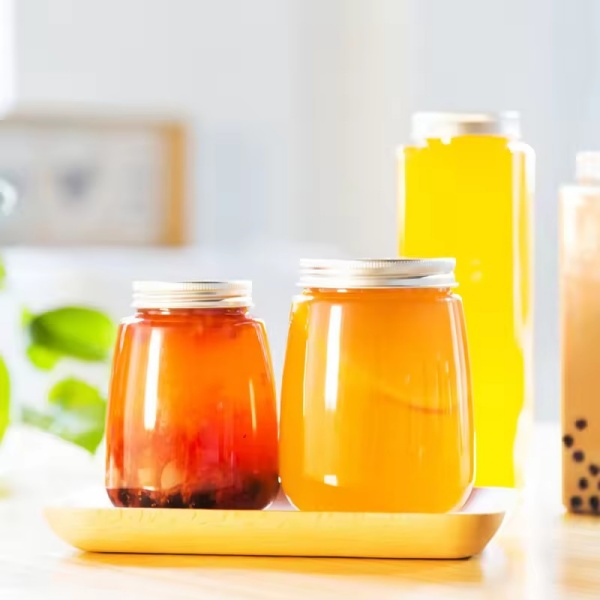
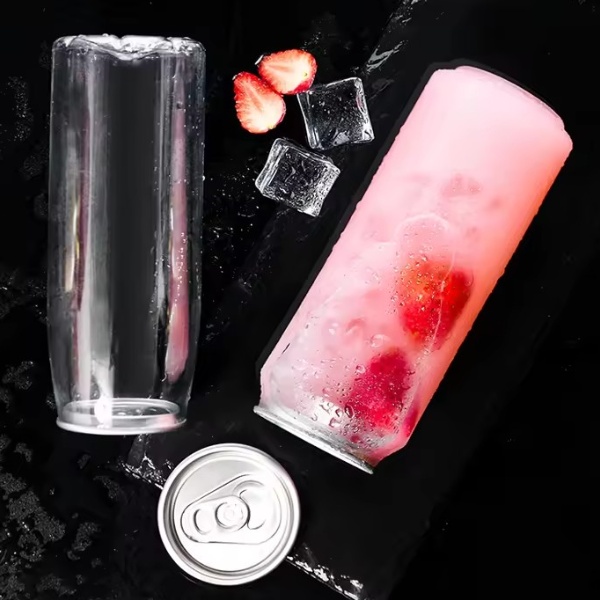
As a dedicated spice bottle factory, we act as more than a supplier — we become an extension of your sourcing team, offering end-to-end support from concept to shelf. Our expertise in materials, mold design, precision filling and quality control ensures consistent, food-safe products that meet international standards. Customization options for sizes, closures, dosing systems and labeling help your products stand out while rigorous testing and sample validation reduce risk and speed decision-making. For global buyers, practical partnership means predictable lead times, scalable minimums, optimized packaging and reliable logistics to multiple markets. Sustainability practices, transparent compliance documentation and responsive after-sales service make collaboration smooth and long-term. Partnering with a factory that invests in innovation and process excellence turns supply into strategic advantage.
| Product Family | Primary Material | Typical Volume Range | Common Use Cases | Standard Finishes | Customization Options | Quality & Food-contact Standards | Typical Lead Time | Sustainability Features | Packing Format |
|---|---|---|---|---|---|---|---|---|---|
| Classic Glass | Tempered clear or amber glass | 10 ml – 500 ml | Retail spice jars, sample vials, premium herb packaging | Clear, amber, frosted, silk-screen printing | Screen printing; tamper-evident caps; custom neck sizes; insert reducers | FDA food-contact compliant; EU Regulation (EC) No 1935/2004; SGS composition testing | 4–8 weeks (prototype to bulk, typical) | Recycled glass content; fully recyclable; refill-ready designs | Cardboard dividers + corrugated cartons; bulk trays for automation |
| Food-grade PET | Co-polyester (PET) with barrier options | 15 ml – 1000 ml | Lightweight retail jars, shaker bottles, travel spice containers | Natural clear, opaque white, custom color coating | Hot-stamping labels; in-mold labeling (IML); custom closures | FDA & EU food-contact grades; migration and residual monomer tests | 3–6 weeks (molded runs) | Lightweight for transport efficiency; recycled-PET (rPET) options | Palletized cartons; strip packing for automated filling lines |
| Stainless Steel | 304 / 316 stainless steel (food-grade) | 30 ml – 500 ml | Premium grinders, refillable spice tins, professional kitchen use | Brushed, polished, powder-coated | Laser engraving; custom perforation patterns; integrated grinders | Food-contact compliant stainless grades; pass corrosion resistance tests (salt spray) | 6–10 weeks (incl. surface finishing) | Durable, long-life product; recyclable metal; refill program design support | Foam-protected boxes; multi-unit display trays |
| Ceramic & Porcelain | Lead-free glazed ceramic | 30 ml – 750 ml | Artisan spice containers, table-top shakers, gift sets | Gloss/glaze, matte glazes, hand-painted accents | Custom glazes; bespoke shapes; in-house artwork reproduction | Lead-free glazes; thermal shock testing; potable-water safety checks | 8–14 weeks (including firing and QC) | Locally sourced clay options; low-energy firing schedules on request | Cellular inserts in corrugated cartons; paper wrap for single units |
| Flexible Pouches & Sachets | Multi-layer food-grade films (barrier laminates) | 5 g – 500 g equivalent | Single-serve spices, sample sachets, refill packs | Matte, gloss, resealable zipper, tear-notch | Custom printing up to 10 colors; reseal options; portioned packs | Food-contact film certification; oxygen/moisture permeability testing | 3–7 weeks (printing and laminating lead times) | Lightweight transport; recyclable mono-material options available | Boxes of nested pouches; master cartons for retail distribution |
| Service Category | Description | Typical Deliverables | Verification & Testing | Notes |
|---|---|---|---|---|
| Design & Prototyping | Concept refinement, CAD tooling design, rapid prototyping | 3D CAD files, prototypes (3D printed / low-run samples), engineering drawings | Fit checks, closure compatibility, user ergonomics validation | Iterative loops typical: 2–4 revisions before tooling |
| Tooling & Mold Management | Mold construction, maintenance, multi-cavity optimization | Production molds, maintenance schedules, spare components | Mold-flow analysis, trial runs, dimensional SPC (statistical process control) | Tooling lifetime estimations provided per material and cavity count |
| Quality Assurance | Incoming materials inspection, inline production checks, batch sampling | Inspection reports, non-conformance records, corrective action plans | Drop tests (1.2–1.5 m), torque/cap retention, microbial swabs where applicable | Traceability maintained per production lot (internal IDs only) |
| Regulatory Support | Assistance with food-contact declarations, test program coordination | Test summaries, compliance checklists, material safety documentation | Migration testing, heavy-metal screening, certificate consolidation | Support for multi-region compliance (EU / US / APAC) available |
| Sustainability & End-of-Life | Material selection, recyclability assessment, refill program consulting | Lifecycle assessment summary, recycling guidance, refill packaging concepts | Carbon-intensity estimates; recyclability testing per local streams | Options to increase recycled content and reduce packaging weight |
Related Products
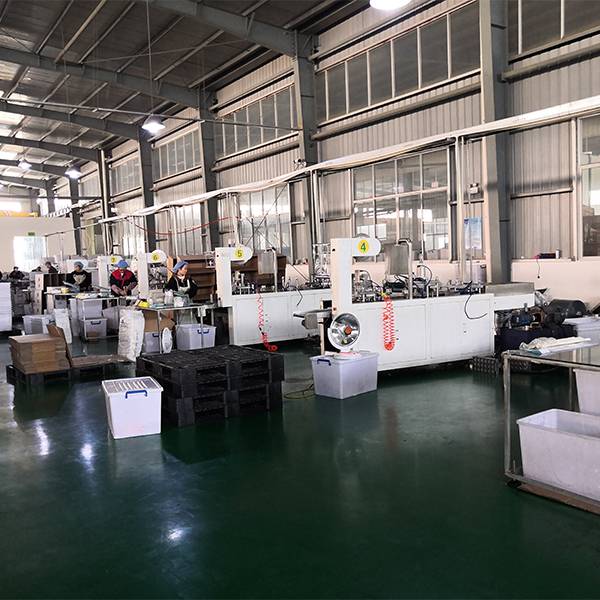


spice bottle factory Trusted by Pros Manufacturers You Can Rely On
Top Selling Products




- Related Blog
- Reviews
- Reviews
