



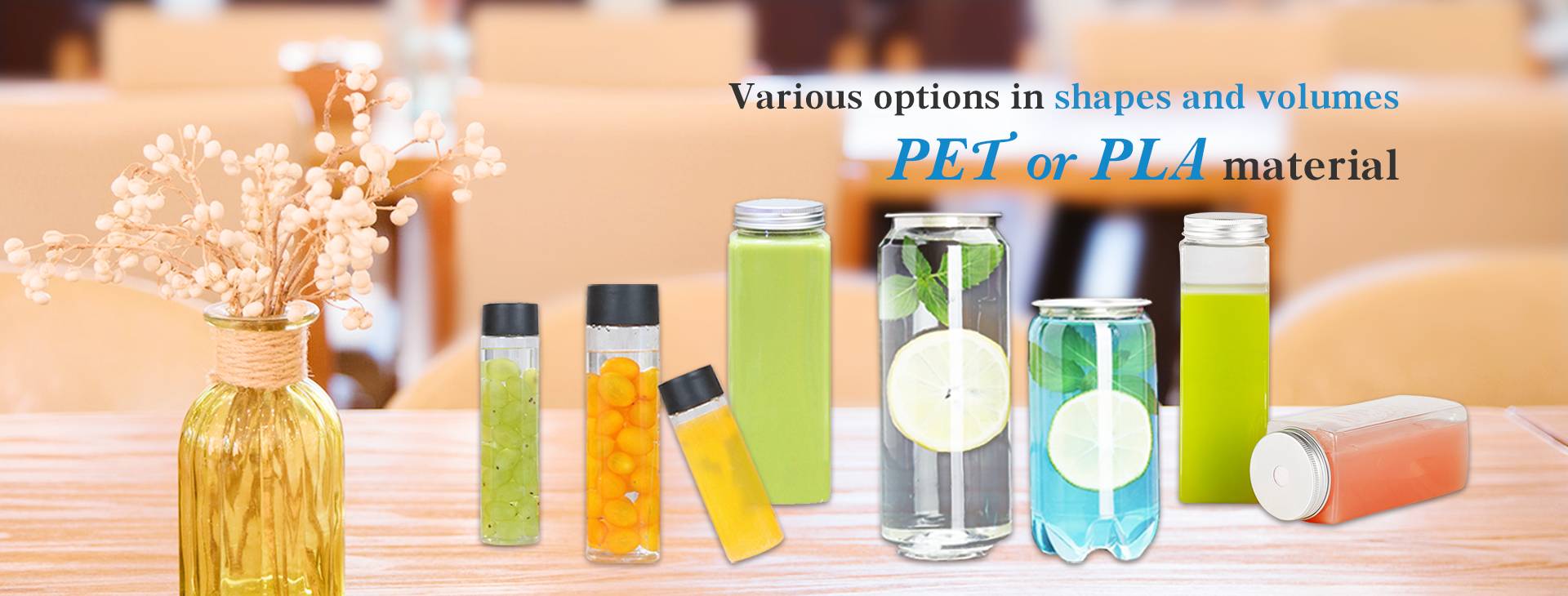
16 Oz Cups With Lids - China Manufacturer
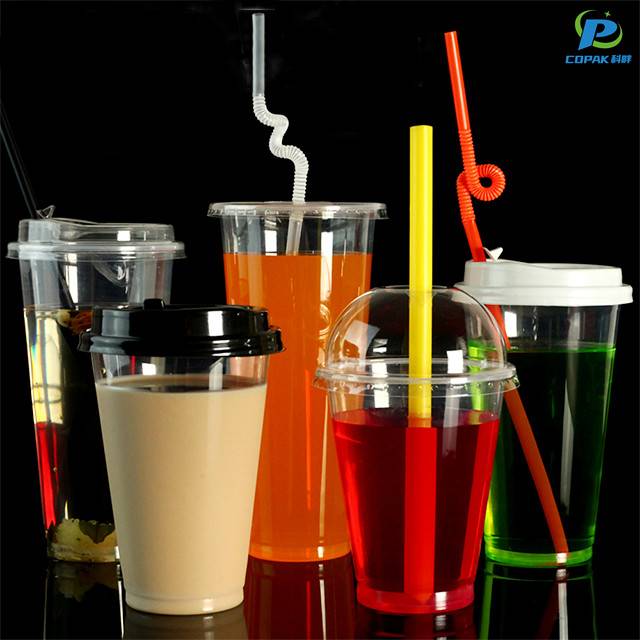
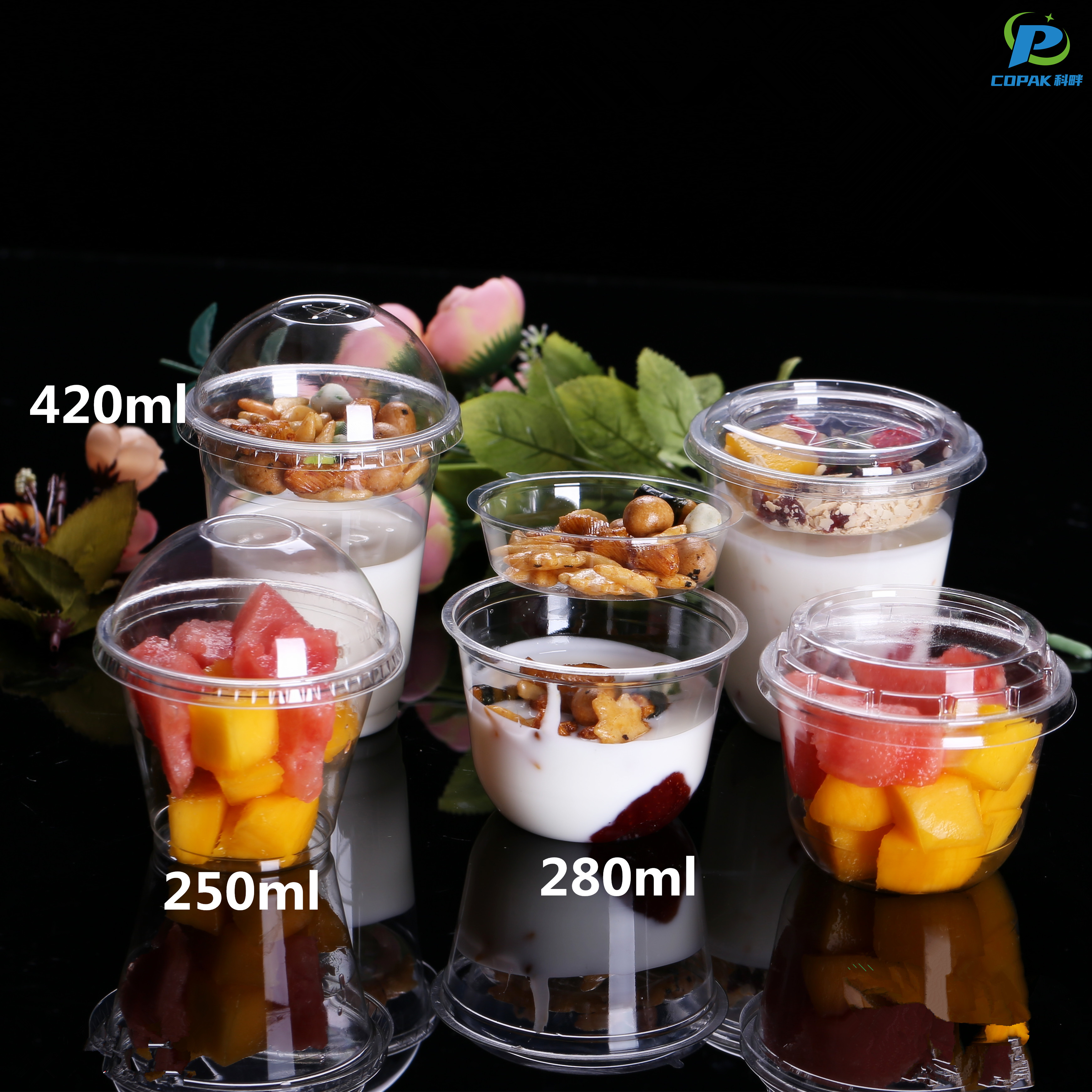
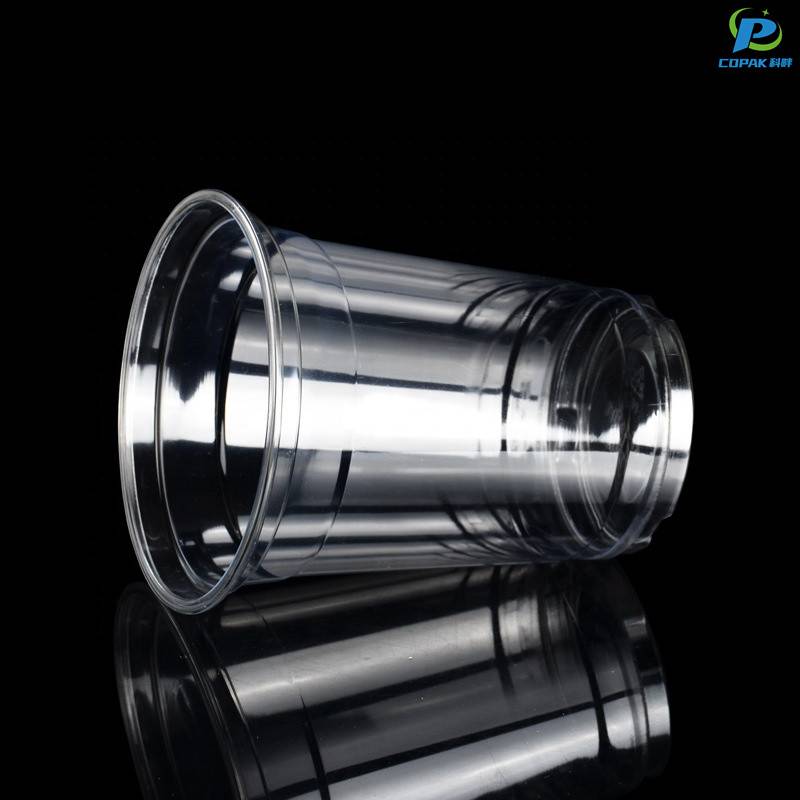
I’m a China-based manufacturer delivering reliable 16 Oz Cups With Lids for foodservice and retail partners worldwide. Crafted from food-grade plastic, these cups are BPA-free, leak-resistant, and designed for cold beverages, smoothies, and takeaway orders. The lids snap securely to prevent spills during transit, and the stackable design helps you save warehouse space and speed up restocking. For your brand, I offer customization options — logo printing, color choices, and labeling to align with your marketing. We ship in scalable quantities to meet growing demand, with competitive pricing and short lead times. As a B2B supplier, I understand your need for consistent quality, inventory reliability, and compliant packaging. Our factory in China follows strict QA processes and we can provide certificates of compliance on request. If you’re looking for a dependable supply partner, drop me a line with your forecast and target timeline, and I’ll tailor a solution around your needs.


16 Oz Cups With Lids Supplier From Concept to Delivery
From initial concept to on-time delivery, we offer end-to-end solutions for 16 oz cups with lids tailored to global buyers. Design support includes material selection (paper with biodegradable lining, PLA, PP, PET), lid styles (flat, domed, sip), and full-color printing or embossing. Rapid prototyping and sample approval ensure fit, sealing performance and visual quality before tooling. All products are manufactured under strict quality controls and comply with common food-contact standards to meet export requirements and retail specifications. Our production workflow covers mold development, batch production, multi-stage inspection (incoming material checks, in-line monitoring, final inspection) and flexible packaging options to optimize freight. Typical timelines: expedited samples in days and mass production within weeks, with scalable capacity to support small trials or large volume orders. Shipping can be arranged under various trade terms with consolidated logistics and warehousing solutions. We focus on transparent lead times, consistent quality and responsive communication to make global sourcing simple and reliable.
{ 16 Oz Cups With Lids Supplier From Concept to Delivery}
| Model Code | Cup Material | Lid Type | Capacity | Dimensions (Ø × H) | Unit Weight | Compostable | Key Certifications | Typical Lead Time | Packaging Format | QC Checks | Production Steps (concept → delivery) | Recommended Use |
|---|---|---|---|---|---|---|---|---|---|---|---|---|
| CUP-PET-1601 | PET (clear, injection stretch-blow molded) | Flat lid with straw slot (PET) | 16 oz / 473 ml | Ø 91 mm × H 115 mm (±2 mm) | 9.5 g | No | FDA food-contact, EU 10/2011 | 3–4 weeks | 50 pcs/sleeve · 500 pcs/carton · Carton 560×360×320 mm | Dimensional check; Visual; Leak test; Material ID (FTIR) | Concept → Prototype → Tooling → Trial run → Mass production → QC → Packaging → Delivery | Cold beverages, chilled displays |
| CUP-PP-1602 | PP (opaque/translucent, thermoformed) | Snap-fit press lid (squeezable seal) | 16 oz / 473 ml | Ø 92 mm × H 112 mm | 11.0 g | No | FDA food-contact, ISO 9001 (process) | 4–5 weeks | 25 pcs/inner · 600 pcs/carton · Carton 580×380×330 mm | Seal integrity; Burst test; Visual; Thickness mapping | Design spec → Mold design → Sample approval → Production → QC → Bulk pack | Hot or cold beverages with durability requirement |
| CUP-PLA-1603 | PLA (bio-based, clear) | Dome lid with sip hole (PLA) | 16 oz / 473 ml | Ø 90 mm × H 117 mm | 12.5 g | Yes | EN 13432 (compostability), FDA food-contact | 5–6 weeks | 50 pcs/sleeve · 400 pcs/carton · Carton 540×350×310 mm | Compostability test; Visual; Leak test; Material ID | Material selection → Prototype → Compostable certification checks → Trial → Production → QC | Cold beverages, compostable foodservice applications |
| CUP-PPR-1604 | Paperboard with PE/PLA lining | Sealable snap-on plastic lid (PS/PP) | 16 oz / 473 ml | Ø 92 mm × H 118 mm | 14.0 g | Partially (paperboard compostable; lining depends) | FSC-certified board (optional), FDA food-contact | 4–6 weeks | 25 cups/sleeve · 400 cups/carton · Carton 560×370×320 mm | Cup leakage; Lining adhesion; Print quality; Visual | Artwork → Paperboard sourcing → Forming → Lining → Lid fit trial → QC → Pack | Hot & cold takeaway, branded print options |
| CUP-PET-1605-RE | rPET (post-consumer recycled PET) | Flat lid with resealable tab | 16 oz / 473 ml | Ø 91 mm × H 116 mm | 10.8 g | No (but recycled content) | FDA (recycled use guidance), GRS-compatible material | 4–5 weeks | 50 pcs/sleeve · 500 pcs/carton · Carton 560×360×320 mm | Recycled content verification; Leak test; Visual | Material validation → Prototype → Production → Recycled-content audit → QC | Eco-focused cold beverage ranges |
| CUP-PLA-FLEX-1606 | PLA blend (improved cold shock resistance) | Hinged snap lid (PLA blend) | 16 oz / 473 ml | Ø 90 mm × H 115 mm | 13.2 g | Yes | EN 13432, FDA food-contact | 6–7 weeks (blend validation) | 40 pcs/inner · 480 pcs/carton · Carton 550×360×320 mm | Compostability re-check; Cold-shock; Seal test; Visual | Material R&D → Prototype trials → Certification → Production → QC | Cold drinks needing better durability for takeaway |
| CUP-PP-STACK-1607 | PP (stackable geometry) | Stack-fit flat lid (space-saving) | 16 oz / 473 ml | Ø 93 mm × H 110 mm | 10.9 g | No | FDA food-contact, ISO 9001 process controls | 3–4 weeks | 50 pcs/sleeve · 600 pcs/carton · Carton 590×390×320 mm | Stacking tolerance; Seal test; Visual; Dimensional | Design for stacking → Tooling → Trial run → Production → QC | High-volume catering, stacked storage in transit |
Related Products


16 Oz Cups With Lids Factory Trusted by Pros
Top Selling Products





- Related Blog
- Reviews
- Reviews
