



8 Oz Plastic Cups - China Manufacturer
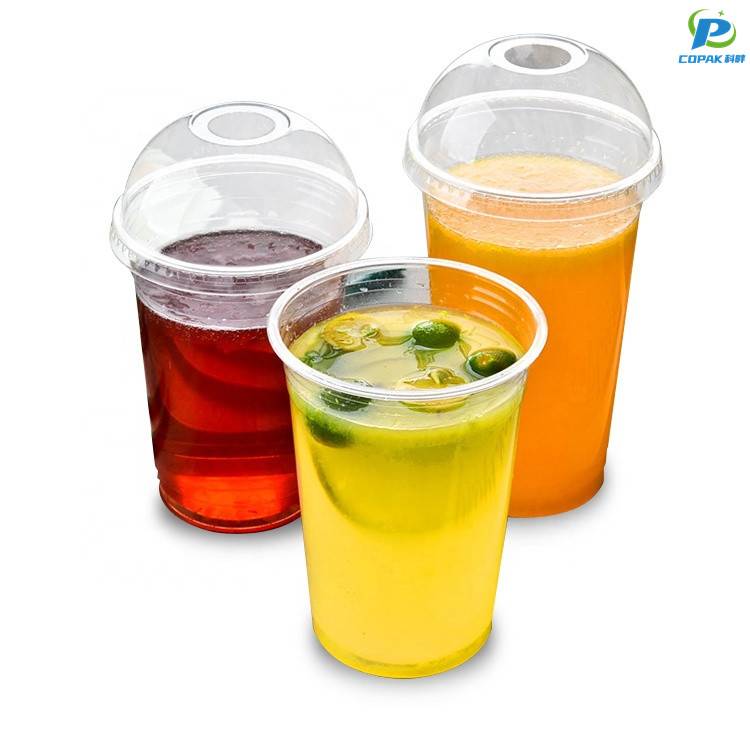
I’m a China-based manufacturer delivering reliable 8 Oz Plastic Cups for events, catering, and daily service. I oversee quality control to ensure crystal-clear clarity, sturdy rims, and leak-free performance. Our 8 Oz Plastic Cups are designed for hot or cold beverages and stack neatly for easy storage. They fit standard ice buckets and resist cracking in busy service periods. I can supply large orders to meet wholesale timelines, and we ship worldwide to B2B customers. The cups are BPA-free and recyclable where facilities exist, with consistent thickness and high transparency you can trust. As a manufacturer, I understand your need for dependable supply and competitive pricing. Custom options include logo printing, color choices, or plain clear. If you want, I can arrange samples quickly. Choose these cups to elevate any bar, cafe, or event—an economical, practical solution from a trusted China manufacturer.


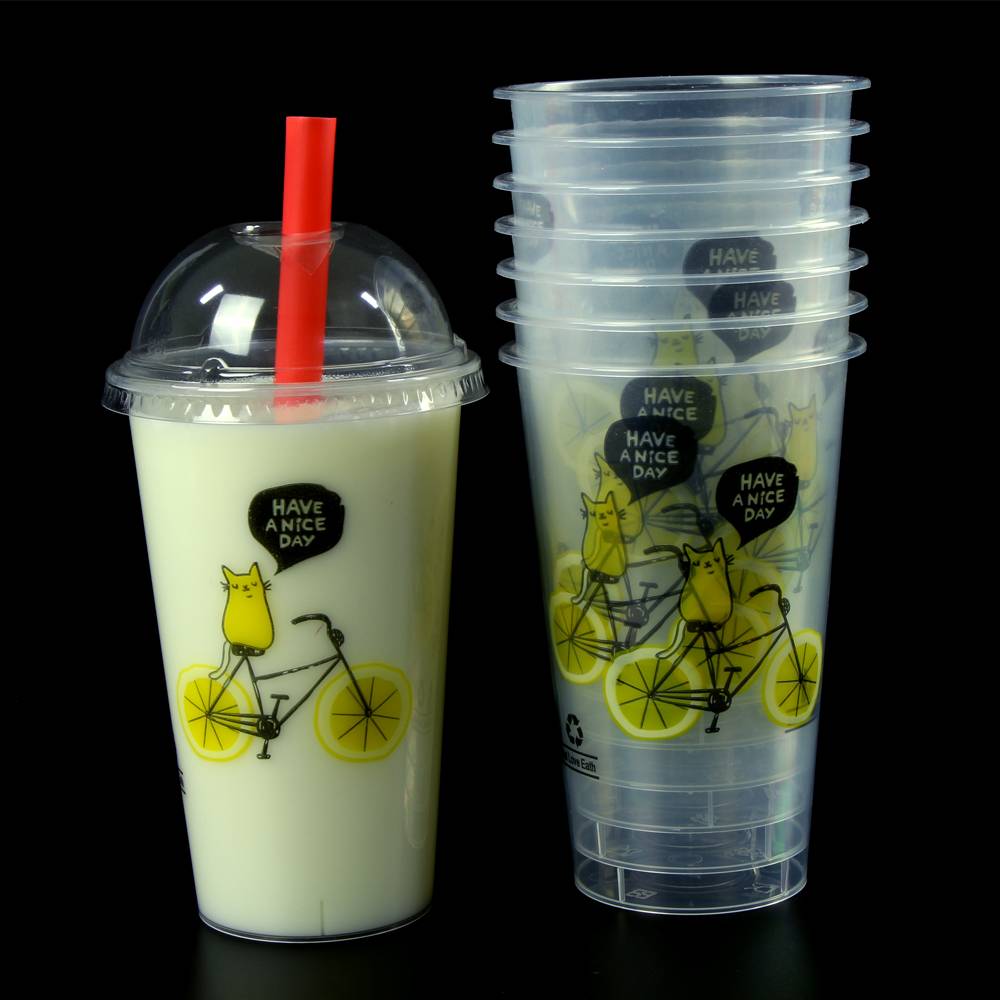


8 Oz Plastic Cups Guarantees Peak Performance Manufacturers You Can Rely On
Engineered for consistent performance, 8 oz plastic cups deliver the clarity, strength and dimensional accuracy global buyers require for foodservice, events and packaged beverages. Made from certified food‑grade resins, they resist cracking and warping, stack efficiently for transport, maintain exact fill volumes and offer options for crystal clarity, matte finish or improved heat resistance. Peak performance features include smooth rims for comfortable drinking, reliable lid compatibility and sturdy walls for safe handling under high use. Produced on automated lines with strict quality control and international certifications, these cups support scalable OEM/ODM production, low defect rates and dependable lead times for global procurement. Customization spans colors, printing, private‑label packaging and sustainable resin alternatives (recyclable or compostable). Competitive pricing, robust capacity and proven logistics ensure uninterrupted shipments—perfect for buyers seeking a dependable manufacturing partner to meet volume, quality and compliance targets.
| Specification | Typical Value / Range | Test / Standard | Notes |
|---|---|---|---|
| Nominal capacity | 8 fl oz (≈236 ml) | Volumetric fill (±3%) | Standard beverage serving size |
| Typical dimensions (height / top Ø / bottom Ø) | Height: 85–95 mm (3.3–3.7 in) Top Ø: 80–90 mm (3.1–3.5 in) Bottom Ø: 40–50 mm (1.6–2.0 in) |
Caliper / Vernier measurements | Variations based on rim profile and taper |
| Wall thickness | 0.18–0.30 mm (typical disposable cup range) | Micrometer / ISO 4593 | Thicker walls improve rigidity and thermal feel |
| Material options | PET (clear) · PP (opaque) · PLA (compostable) | Material spec sheets / EN & ASTM food-contact guidance | Material chosen based on clarity, heat resistance, and end-of-life |
| Average mass per cup | PET: 5.0–8.0 g · PP: 3.5–6.0 g · PLA: 4.0–7.0 g | Analytical balance (g) | Mass varies with wall thickness and geometry |
| Temperature resistance (service) | PET: −20 to ~60 °C (not for hot liquids) PP: −20 to ~120 °C (hot liquids acceptable) PLA: up to ~50–60 °C (not for hot liquids) |
Thermal analysis / manufacturer datasheets | Use PP for hot-fill or microwave use; PET for cold beverages |
| Food contact compliance | Typically meets FDA 21 CFR (US) & EU No. 10/2011 (EU) when produced for food use | Regulatory compliance tests | Specific compliance depends on material formulation |
| Tensile strength (approx.) | PET: 50–80 MPa · PP: 30–40 MPa · PLA: 40–70 MPa | ASTM D638 (tensile test) | Bulk polymer values; final part strength influenced by wall thickness |
| Oxygen transmission rate (OTR) | PET: ~2–10 cc/m²·day · PP: ~50–200 cc/m²·day · PLA: ~10–50 cc/m²·day | ASTM D3985 | PET offers better barrier for oxygen-sensitive uses |
| Water vapor transmission rate (WVTR) | PET: low · PP: moderate · PLA: moderate | ASTM F1249 | Relevant for moisture-sensitive products (rare for cups) |
| Stackability & handling | Typical nested stacking: 10–30 units stable depending on taper and rim | Practical handling / stacking tests | Anti-stick rims or ribs can improve separation |
| Impact resistance / brittleness | PET: good impact (cold performs well) · PP: good ductility · PLA: more brittle at low temperatures | ASTM D256 (Izod / Charpy as applicable) | PLA may crack more readily under impact in cold conditions |
| End-of-life & recyclability | PET: widely recyclable (recycling code #1) · PP: recyclable in select streams (#5) · PLA: industrially compostable (ASTM D6400 / EN 13432) | Local waste-stream guidance / compost standards | Recycling availability depends on local infrastructure |
| Typical uses | Cold beverages, sampling cups, catering, events, on-the-go drinks | Application suitability tests | Choice of material tailors suitability (hot vs cold) |
| Shelf life (stored conditions) | 2–5 years (dry, ambient, away from UV and chemical exposure) | Shelf stability assessment | Additives and storage conditions affect longevity |
| Color & finish options | Clear (PET), white/opaque (PP), tinted or matte (PLA possible) | Visual inspection / color matching | Transparency driven by material and processing |
| Typical quality control checks | Dimensional tolerance, weight, visual clarity, leakage, stack test | In-line inspection & batch sampling | Routine QC ensures consistent performance in the field |
Related Products
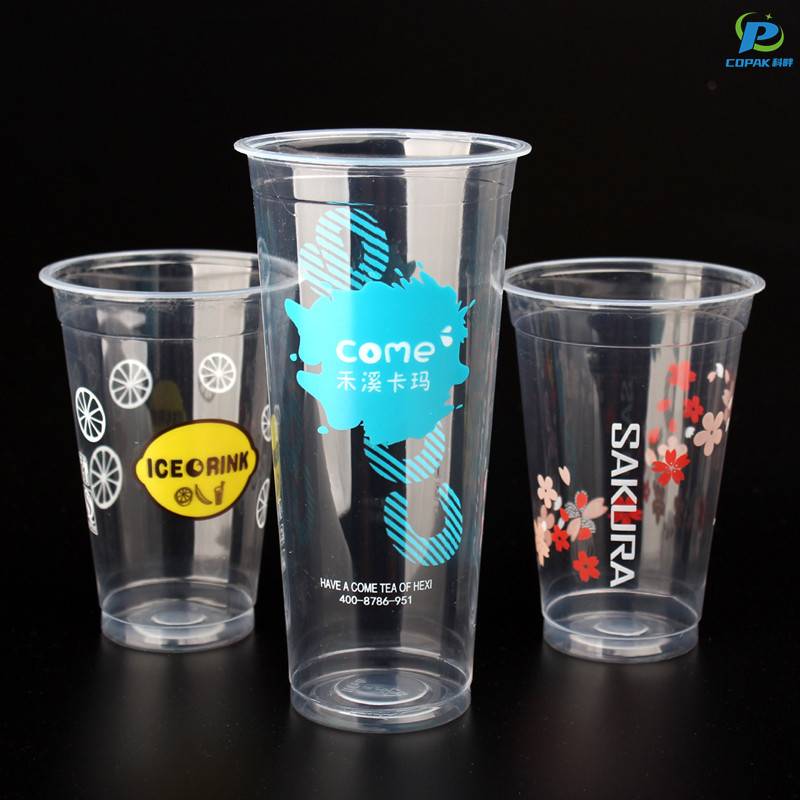
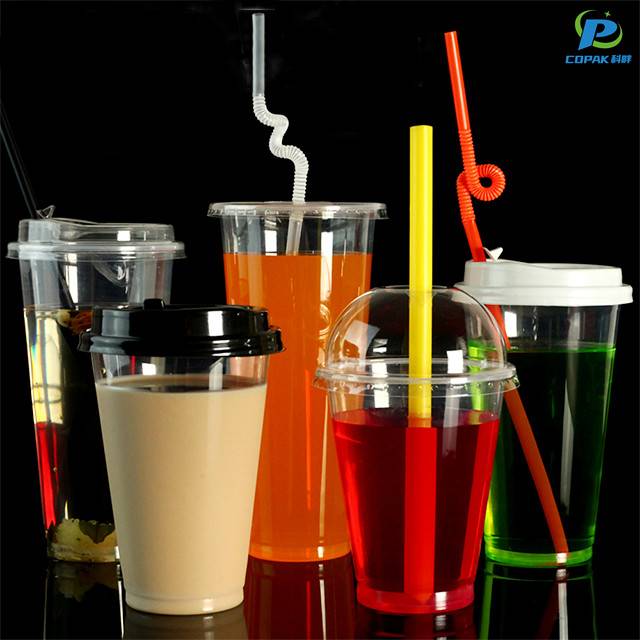
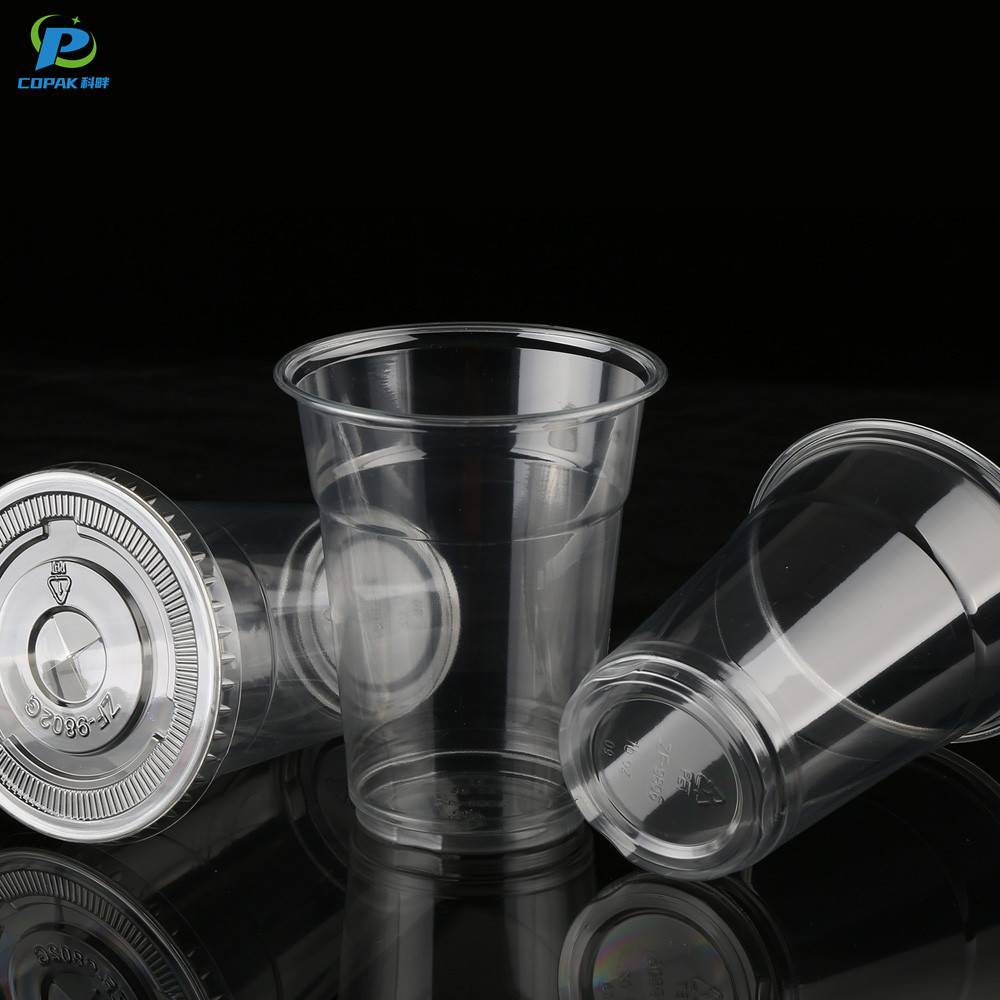


8 Oz Plastic Cups Supplier From Concept to Delivery
Top Selling Products







- Related Blog
- Reviews
- Reviews
