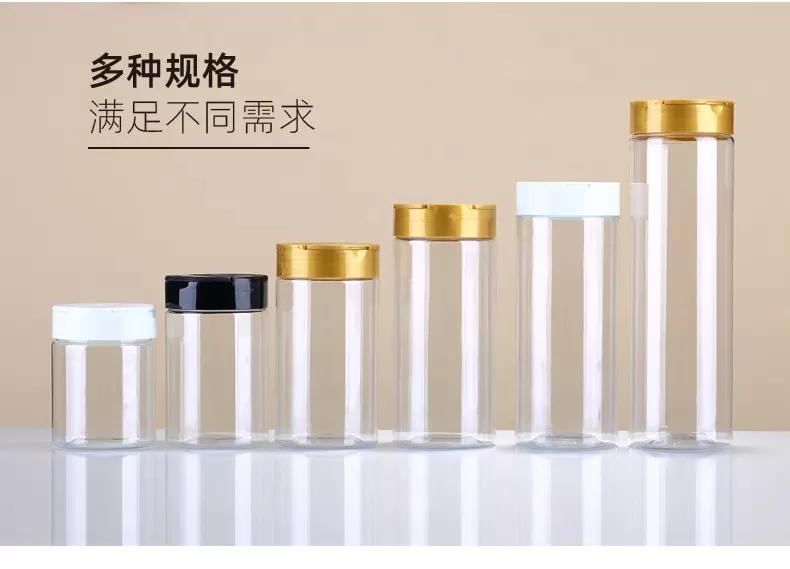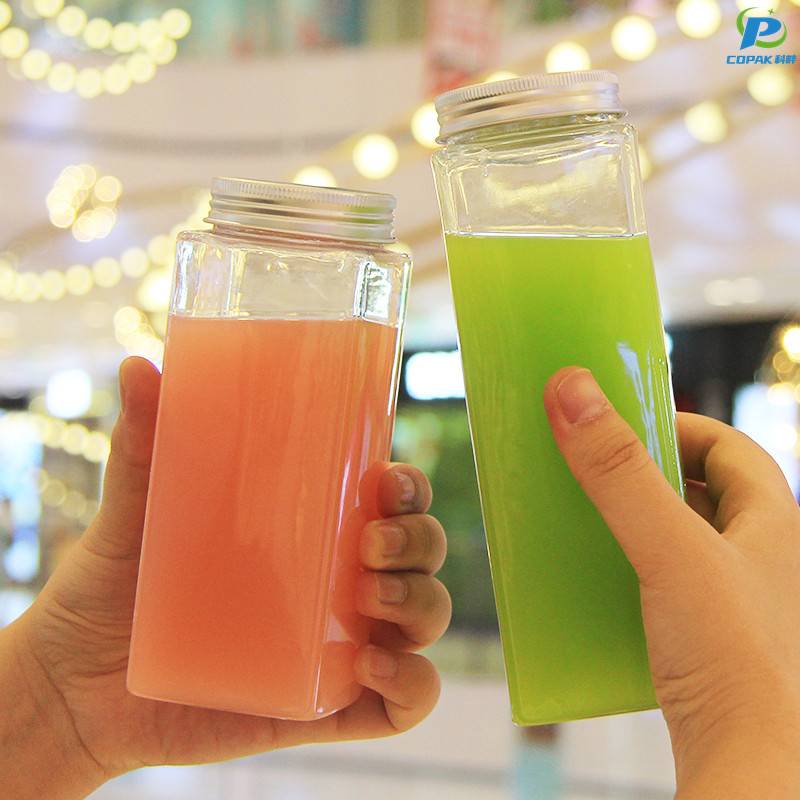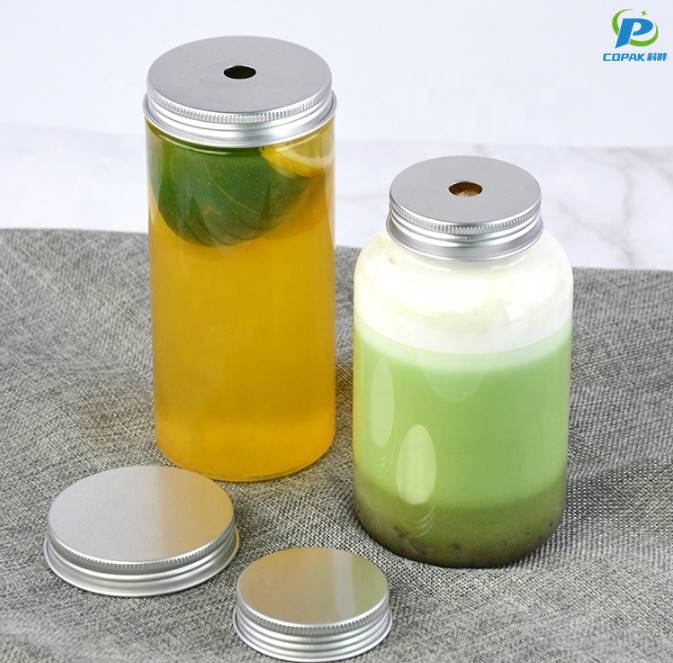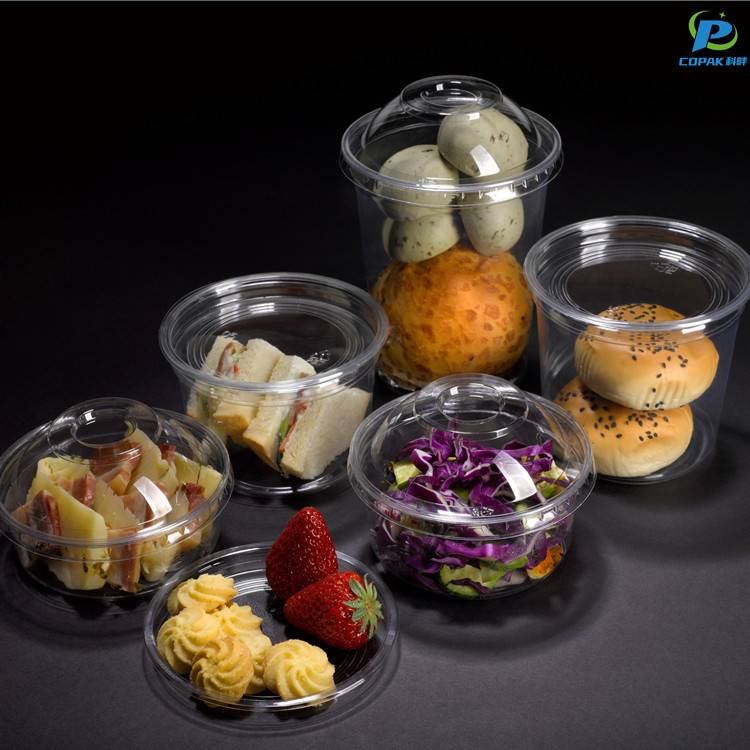
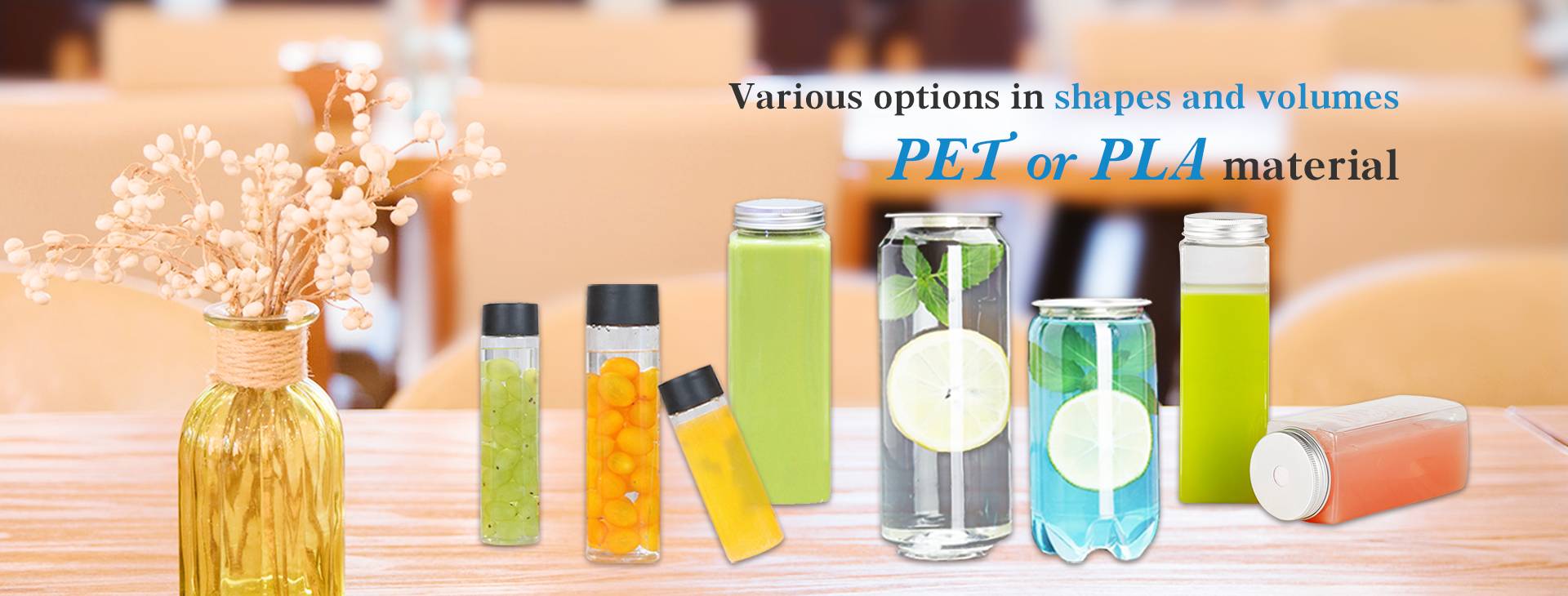
PET Bottles

Biodegradable Soup Containers - China Manufacturer

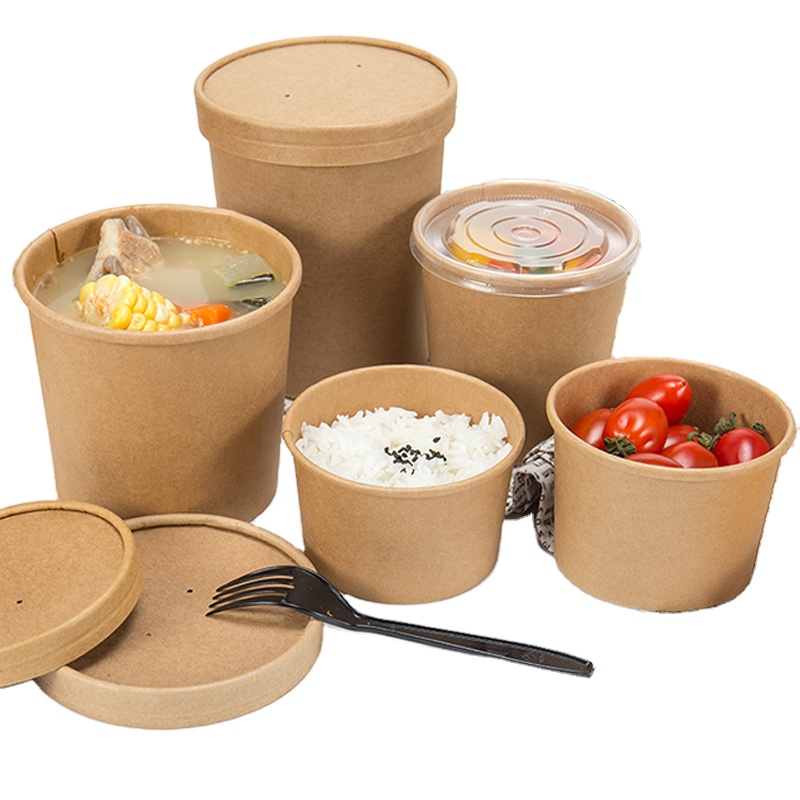
We're a China-based manufacturer supplying Biodegradable Soup Containers that meet the needs of busy cafes, catering services, and take-out chains. I design these containers to combine sturdy one-piece construction with compostable materials, so hot soups stay hot and packaging stays leak-free from kitchen to customer. Our Biodegradable Soup Containers are PLA or bagasse-based, certified compostable, with grease resistance and microwave-safe options. I offer customizable sizes, secure snap lids, and liner-free designs to simplify recycling. For B2B buyers, we provide bulk pricing, short lead times, and scalable production to support nationwide shipments. As a manufacturer in China, we manage supply chain risk, ensure consistent quality, and provide COA and FSC/PEFC certifications where requested. We focus on sustainability without compromising performance, helping your brand meet eco-friendly goals and consumer demand for responsible packaging. If you need reliable, cost-effective packaging in China or for export, I’m ready to discuss specs and volumes today.

Hot Selling Product

Biodegradable Soup Containers Supplier Is The Best

Choosing a reliable biodegradable soup containers supplier is crucial for global buyers balancing sustainability, cost and performance. A best-in-class supplier provides compostable materials such as bagasse and PLA, leak-resistant designs with secure hot-liquid sealing, microwave and freezer safety, a range of customizable sizes and printing options, plus recognized certifications (BPI, OK Compost, FDA/LFGB) and rigorous quality control with sample availability. Global procurement benefits from partners offering stable production capacity, short lead times, competitive pricing with volume discounts, and flexible MOQs, together with professional export packaging and logistics support. Collaborating with a supplier focused on material innovation, regulatory compliance and responsive service helps buyers meet ESG targets, cut plastic waste, and deliver a premium eco-friendly experience to increasingly conscious consumers.

{ Biodegradable Soup Containers Supplier Is The Best}
Material / Construction Typical Thickness (mm) Container Capacity (oz) Biodegradability Standard Compostability Certification Leak Resistance Microwave Safe Heat Retention (min) Carbon Footprint (kg CO2e / 1000 units) Recyclability / End-of-life Typical Use Case Manufacturing Region
Molded Bagasse (sugarcane fiber) 1.8–2.5 12, 16, 24 EN 13432 / ASTM D6400 (typical) OK Compost INDUSTRIAL / BPI (for many suppliers) High (with quality pressing) Yes 30–45 ~12 Industrial composting (limited home compostability) Hot soups, takeaway bowls Asia / Global
PLA (polylactic acid) thermoformed 0.6–1.2 8, 12, 16 ASTM D6400 / EN 13432 BPI / TUV OK Compost INDUSTRIAL (common) High (for short service) No (not recommended for high-power microwave) 40–60 ~28 Industrial composting; limited curbside recycling depending on local streams Cold-to-warm soups, salads, clear broths (short hold) Asia / Europe
Paperboard with PLA lining 0.9–2.0 12, 16, 20 EN 13432 / ASTM D6400 (depending on lining) OK Compost INDUSTRIAL often available Moderate (improved by lining) Yes (short microwave reheats) 25–40 ~18 Industrial composting preferred; not widely recyclable due to lining Takeaway soups, delivery where short hold times Global
Palm leaf (pressed leaf bowls) 1.5–3.0 12, 16, 24 EN 13432 (natural material; often passes industrial composting) Often OK Compost INDUSTRIAL; home compostable in many cases High (natural dense structure) Yes 35–50 ~10 Home & industrial compostable; biodegradable without special processing in many climates Event catering, premium takeaway bowls Asia (sourcing regions), Global distribution
Bamboo fiber (molded) 1.6–2.8 12, 16, 20 EN 13432 / ASTM D6400 (varies by formulation) Often certified for industrial composting High Sometimes (check supplier specs) 30–50 ~14 Industrial composting preferred; not typical for curbside recycling Casual dining bowls, eco-focused food service Asia / Global
Starch / PBAT blend (biodegradable polymer blend) 0.7–1.5 8, 12, 16 EN 13432 / ASTM D6400 (when formulated for composting) BPI / TUV OK Compost INDUSTRIAL (common) High No (heat limits apply) 20–35 ~22 Industrial composting required for full degradation in practical timeframes Ready-meals, short-term soup service Asia / Europe
Notes: Certifications and compostability depend on specific product formulations and local waste infrastructure. Carbon footprint values are approximate typical lifecycle estimates for common manufacturing and do not represent supplier-specific audited values.

Related Products

Eco Friendly Products

Biodegradable Soup Containers Supplier Your Trusted OEM Partner

Material Comparison: Production Cost and Compost Time per 1000 Biodegradable Soup Containers

This chart presents a side-by-side comparison of five common biodegradable container materials, using two key metrics relevant to OEM decision-making: estimated production cost per 1,000 soup containers (USD) and typical composting time (weeks). The production cost axis (left) highlights material sourcing and processing expenses, while the compost time axis (right) reflects how quickly the used containers return to the environment under typical composting conditions. Observations: Recycled paper and wheat straw appear as the most cost-effective options, with lower per-1,000-unit manufacturing costs; however, recycled paper shows a longer compost time than bagasse and sugarcane fiber, which biodegrade relatively quickly. Bagasse and sugarcane fiber have moderate costs and short compost times, offering a balanced trade-off for OEMs focused on environmental performance without high cost premiums. PLA (polylactic acid) stands out with the highest production cost and a much longer composting timeframe under typical municipal/industrial conditions; this indicates potential disposal challenges and additional end-of-life infrastructure needs despite PLA’s renewable feedstock origin. For OEM partners, the choice depends on priorities: if minimizing cost is primary, recycled paper or wheat straw may be favored; if rapid compostability is crucial for circularity claims and product stewardship, bagasse or sugarcane fiber are strong candidates. OEMs should also factor in supply chain stability, regulatory requirements, and local composting capabilities—materials with excellent compost profiles can perform poorly in regions lacking industrial compost facilities. The chart uses estimated, illustrative values to clarify trade-offs and should be supplemented by supplier quotes, lifecycle assessments, and local end-of-life logistics when making production or OEM sourcing decisions.

Top Selling Products

Subscribe To Our Newsletter

For inquiries about our products or pricelist, please leave your email to us and we will be in touch within 24 hours.

Follow Us

on our social media
  • whatsapp (1)
  • instagram
  • youtube