



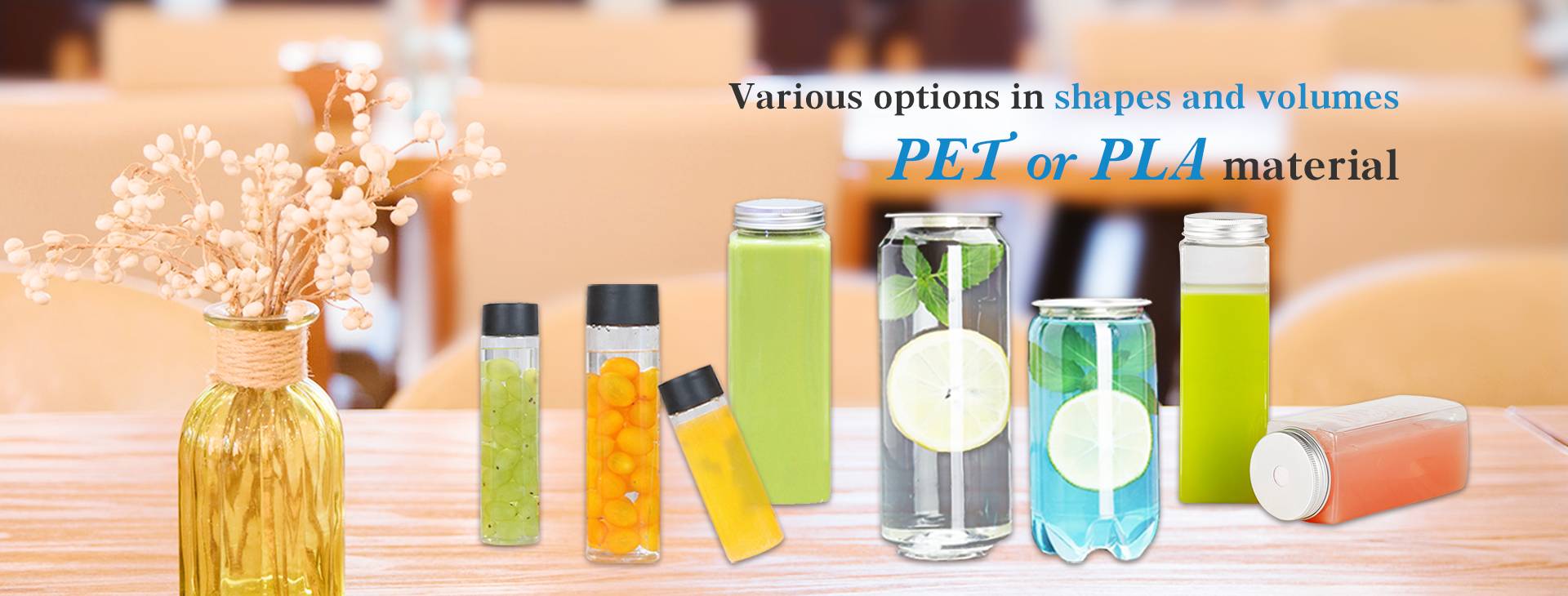
Can Sealer - China Manufacturer for Efficient Can Sealing
We are a {China}-based {Manufacturer} and I’m excited to present our can sealer for high‑output packing lines. This {can sealer} is built for reliability, easy setup, and long service life. Made with stainless steel and food‑grade seals, it meets CIP cleanability and keeps lines running with minimal downtime. The unit is adjustable to a wide range of can diameters and heights, so you can switch products quickly without expensive tooling. With simple controls and gentle sealing action, your cans stay intact and your yield stays high. Being a {Manufacturer} with direct factory access, we offer competitive pricing, fast lead times, and OEM options to fit your line. We can tailor the machine to your speed, can size, and filling process, plus spare parts and after‑sales support. If you’re sourcing in {China} or abroad, I’d be happy to discuss how this {can sealer} could fit your plant, add value, and reduce downtime. Contact us for a detailed quote.


can sealer Ahead of the Curve Service Backed by Expertise
Our can sealer solutions keep you ahead of the curve by combining precision engineering, proven sealing technology and rigorous quality control. Built for food, beverage, aerosol and industrial cans, these machines ensure superior seal integrity, minimize downtime and reduce product waste. Experienced engineers support process validation, regulatory compliance and rapid troubleshooting to maintain consistent production quality at scale. Global buyers gain from tailored configurations, turnkey installation, operator training and fast spare-parts supply. Pilot testing, remote diagnostics and flexible financing speed time-to-market while lowering total cost of ownership. Choose a partner focused on uptime, sustainability and measurable ROI—delivering can sealing performance backed by deep technical expertise.
| Model ID | Sealing Method | Throughput (cans/hour) | Typical Container Size (ml) | Recommended Service Interval (months) | MTBF (hours) | Technician Level | Power (kW) | Noise (dB) | Environmental Compliance | Notes |
|---|---|---|---|---|---|---|---|---|---|---|
| CS-100 | Double seaming (mechanical) | 6,000 | 250–500 | 6 | 8,000 | Level II | 3.5 | 78 | Meets regional packaging & emissions standards | Compact modular unit for light-to-medium lines; proven stability on standard steels |
| CS-250 | Double seaming with servo control | 12,000 | 250–1,000 | 4 | 12,000 | Level III | 6.2 | 81 | Low VOC sealing lubricant compatibility | High-precision servo improves seam consistency on lightweight cans |
| CS-500 | Induction-compatible lid sealing | 3,500 | 50–330 | 12 | 15,000 | Level II | 2.1 | 70 | Designed for low-energy induction systems | Suitable for beverage retort and pasteurized lines; low thermal load |
| CS-750 | Crowner crimp with vacuum assist | 9,000 | 330–1,500 | 3 | 6,500 | Level III | 7.8 | 85 | Meets common industrial effluent limits | Optimized for wide-mouth containers and heavy lids; frequent wear parts |
| CS-900 | Continuous rotary seamer | 24,000 | 250–500 | 6 | 10,500 | Level III | 12.0 | 88 | Designed to support recycling-friendly sealing materials | High-throughput mainline seamer with inline diagnostics |
| CS-1200 | Hybrid seaming (servo + pneumatic) | 30,000 | 250–500 | 4 | 9,200 | Level III | 14.5 | 90 | Energy-optimized drive options available | Suitable for multi-shift operations; supports remote performance logging |
| CS-1600 | High-speed rotary seamer | 36,000 | 250–330 | 3 | 7,800 | Level IV | 18.2 | 92 | Meets strict industrial emissions and waste handling guidelines | Top-line throughput for large beverage lines; requires advanced maintenance |
| CS-XL | Large-diameter lid crimp | 4,800 | 1,000–5,000 | 6 | 9,800 | Level III | 9.0 | 79 | Adapted for heavy-gauge materials and bulk packaging standards | Designed for industrial cans and drums; robust frame and seals |
Related Products


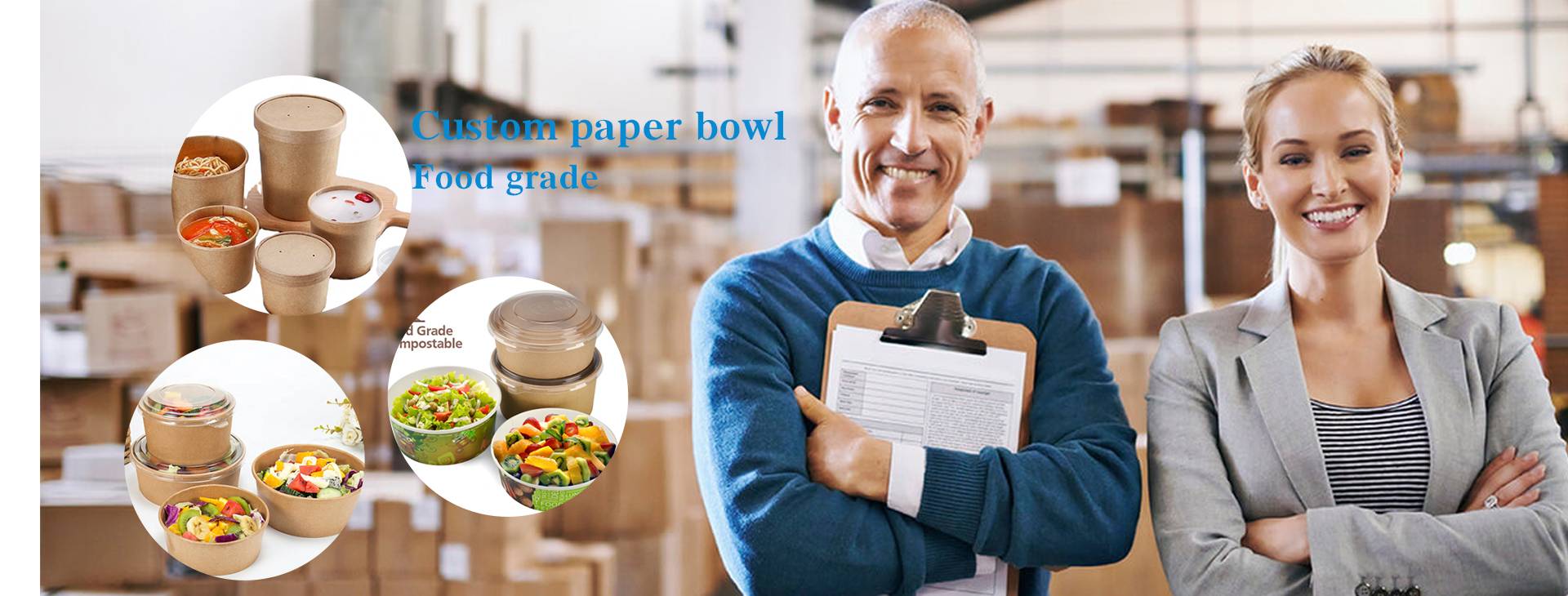
can sealer Where Innovation Meets 2025 Service Backed by Expertise
Top Selling Products








- Related Blog
- Reviews
- Reviews
