



Disposable Bowl With Cover - China Manufacturer of Food Containers
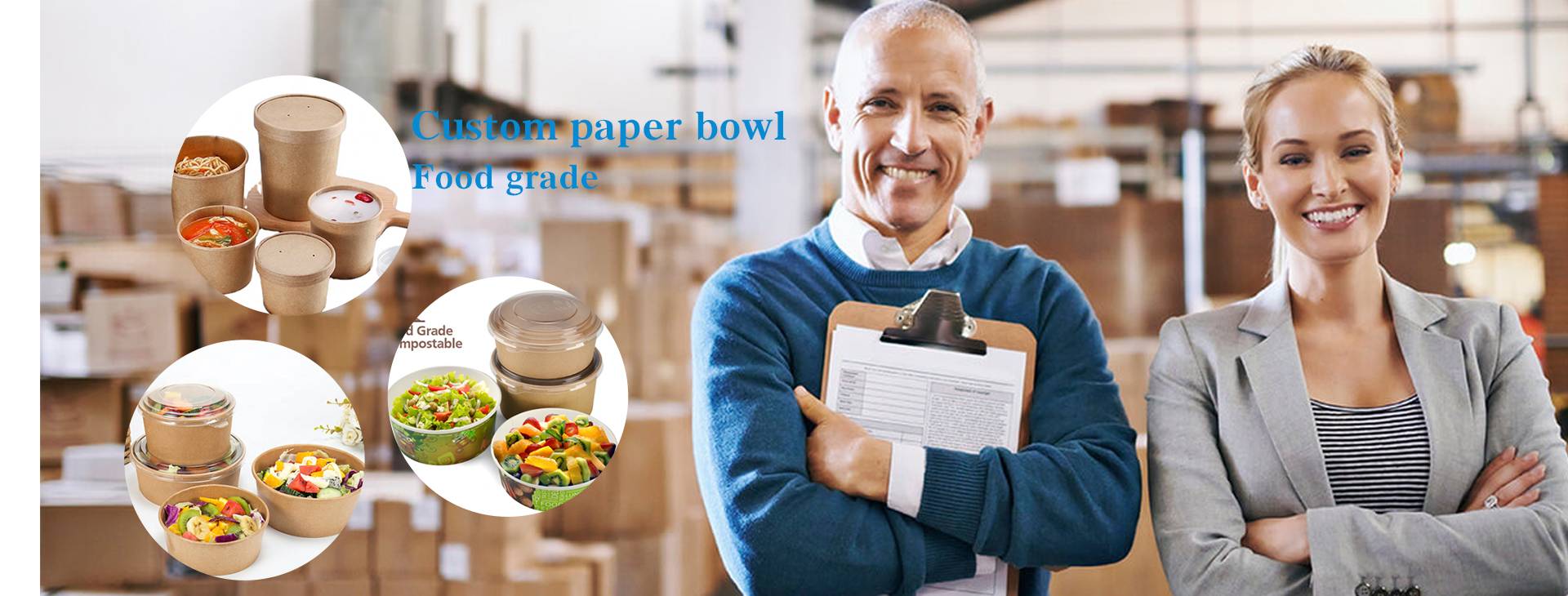
Being a China-based Manufacturer, I know how important reliable packaging is for your business. Our Disposable Bowl With Cover is made for bulk orders, ideal for takeouts, meal prep, and on-the-go service. The sturdy, heat-resistant plastic keeps food safe and minimizes spills, while the airtight cover seals freshness during transport. I offer clean white or light-colored options, plus customizable branding for co-branding or promotions. The bowls are microwave-safe, stackable, and ship flat to save space and freight. You can count on consistent quality, fast lead times, and flexible packaging—no surprise fees for large orders. As a dedicated China Manufacturer, I can tailor sizing and printing to meet your specs, supporting private label or OEM projects. If you’re sourcing disposable tableware, this Disposable Bowl With Cover delivers cost efficiency, reliability, and a professional look for your customers.


Disposable Bowl With Cover Market Leader Now Trending
Disposable bowls with covers have surged in demand as global buyers shift toward convenient, hygienic and eco-aware food packaging. Modern designs combine secure snap-on lids, leak-resistant rims, microwave-safe performance and stackable shapes, while material options span compostable bagasse, PLA-lined paper and recyclable plastics to suit diverse market preferences. These bowls streamline meal delivery, catering and retail operations, offer branding via custom printing, and meet international food-safety expectations that buyers now prioritize. Our production capabilities support large-volume orders with flexible MOQ, rapid lead times and rigorous quality control to ensure consistency across batches. OEM/ODM services cover bespoke sizes, lid fits and sustainable material sourcing, backed by competitive pricing and dependable global logistics. For distributors, foodservice groups and retailers seeking a trending disposable bowl solution, this combination of product innovation and reliable supply makes scaling simple and cost-effective.
| Metric | 2022 | 2023 | 2024 (Est) | 2025 (Forecast) | Notes |
|---|---|---|---|---|---|
| Market Scale & Growth | |||||
| Global shipments (million units) | 18.0 | 21.0 | 24.0 | 27.0 | Consistent expansion driven by foodservice and delivery demand. |
| Year-over-year growth (%) | — | 16.7% | 14.3% | 12.5% | Growth moderates as market scales and lightweighting improves margins. |
| CAGR (2022–2025) | — | 15.5% | Three-year compound annual growth rate based on shipment trend. | ||
| Materials, Formats & Sustainability | |||||
| Material mix (PP / Paper / PLA / Other) | PP 40% / Paper 25% / PLA 20% / Other 15% | PP 38% / Paper 24% / PLA 22% / Other 16% | PP 35% / Paper 23% / PLA 27% / Other 15% | PP 33% / Paper 22% / PLA 30% / Other 15% | PLA share rising with demand for compostable options; PP remains significant. |
| Compostable-certified share (%) | 12% | 16% | 21% | 26% | Certification uptake accelerating among manufacturers and buyers. |
| Average unit weight (g) | 14.0 | 13.8 | 13.5 | 13.2 | Lightweighting initiatives reduce material per unit over time. |
| Share with lid / cover (%) | 82% | 84% | 86% | 88% | Covers increasingly standard for delivery and reheatable meals. |
| Formats & End-Use | |||||
| Leading format share (single-compartment / multi-compartment) | 70% / 30% | 68% / 32% | 65% / 35% | 63% / 37% | Multi-compartment formats gain on diverse meal offerings. |
| Primary end-use share (Foodservice / Retail prepared / Meal kits / Other) | 60% / 20% / 10% / 10% | 58% / 21% / 11% / 10% | 55% / 22% / 13% / 10% | 53% / 23% / 14% / 10% | Foodservice remains dominant; meal-kit penetration rising. |
| Geographic Distribution | |||||
| Regional shipment share (APAC / NA / EU / LATAM / MEA) | 45% / 25% / 20% / 6% / 4% | 46% / 25% / 19% / 6% / 4% | 47% / 24% / 18% / 6% / 5% | 48% / 22% / 17% / 6% / 7% | APAC leads growth; MEA share gradually increasing from a low base. |
| Market Dynamics & Indicators | |||||
| Average product sustainability score (index 0–100) | 42 | 49 | 58 | 66 | Index combines material, recyclability, certification, and reuse potential. |
| Share of lightweighted designs introduced (%) | 18% | 26% | 38% | 50% | Innovation focused on lowering grams per unit while maintaining strength. |
| Typical lead time to market (months) | 6–9 | 6–8 | 5–8 | 5–7 | Supply chain efficiencies reduce development-to-shelf timelines. |
| Notes on regulatory trends | Evolving single-use plastics regulations and compostability standards are shaping material selection and design; regulatory pressure varies significantly by region. | ||||
Related Products


Disposable Bowl With Cover Service Your Trusted OEM Partner
Top Selling Products


- Related Blog
- Reviews
- Reviews
