



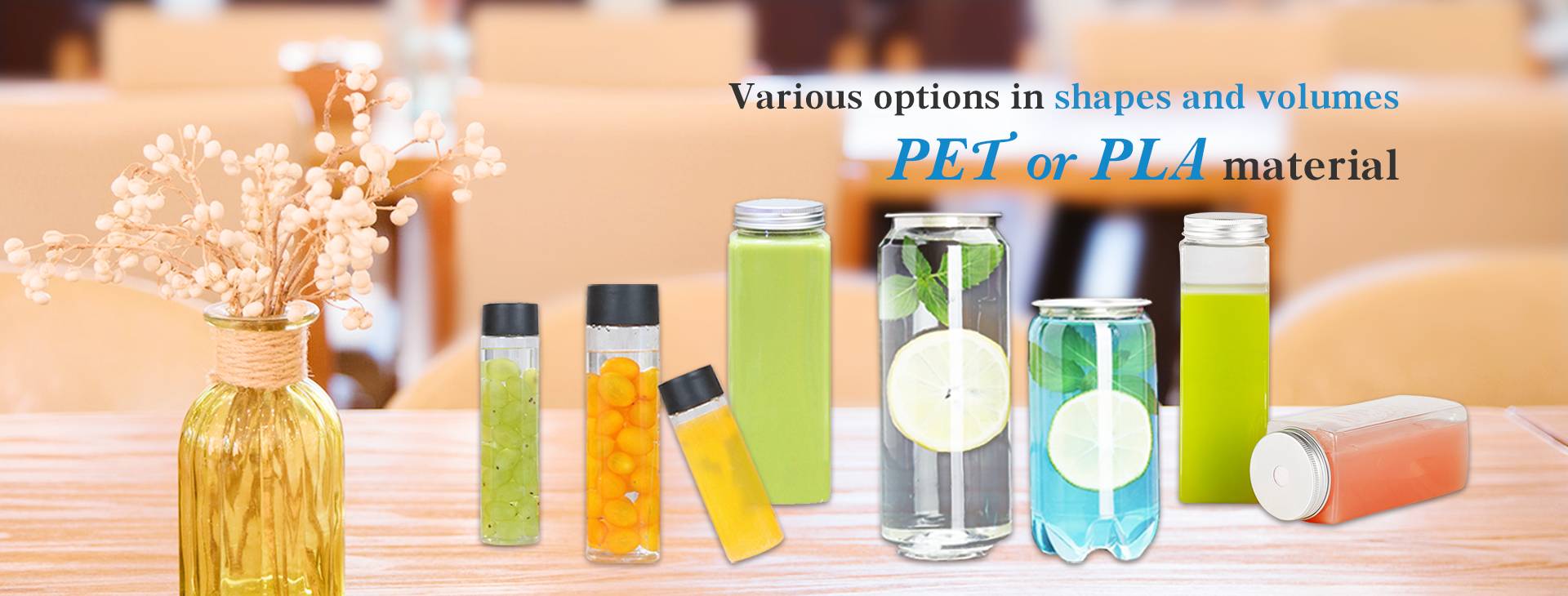
Energy Cans - China Manufacturer for Reliable Packaging Solutions
From a China-based Manufacturer, I supply energy cans designed for beverage brands and energy shot lines. Our energy cans combine lightweight aluminum, barrier protection, and recyclability, perfect for high-volume orders. I work directly with distributors, contract packagers, and OEMs to provide fast quotation and flexible MOQs. You tell me your capacity, seal style (pull-tab, sport-lid), printing up to 4-color CMYK, shrink-sleeve optional, and I match it. Lead times are short, and we offer ISO/9001 quality control, FSSC 22000 if needed, and consistent supply. We can customization labels, coating, engrave barcodes, tamper-evident features. I ensure stable supply chain even during peak season, with proper certifications. If you are looking for a reliable partner in China, as a Manufacturer I can scale with you—from pilot runs to full production. Let me help your energy cans stand out on shelf and deliver consumer trust.


energy cans Winning in 2025 From Concept to Delivery
In 2025, winning with energy cans starts at concept: market-driven design, lightweight alloys, advanced barrier coatings and ergonomic shapes that enhance shelf appeal and pourability. Sustainability is non-negotiable—recyclable materials, lower carbon footprints and smart labeling for supply-chain visibility drive buyer preference. Rapid prototyping and collaborative development shorten time-to-market while ensuring compliance with global food-safety and beverage regulations. From prototype to delivery, success depends on scalable production, rigorous quality control and responsive logistics. Flexible tooling, inline testing, full batch traceability and independent certification minimize risk for international procurement. Competitive lead times, optimized packing and multi-modal shipping combined with customs expertise ensure reliable global distribution. Buyers who prioritize innovation, cost-efficiency and end-to-end transparency will convert 2025 opportunities into lasting market wins.
| Dimension | Metric | 2023 baseline | 2025 target | Rationale / Actions |
|---|---|---|---|---|
| Market growth | Global beverage category CAGR (short term) | ≈ 4.2% | ≈ 6.0% | Product diversification (functional ingredients, low-sugar options) and expanded channels (on-the-go, e-commerce) to accelerate adoption. |
| Consumer preference | Share preferring reduced/zero sugar | ~65% | ~72% | Reformulation with alternative sweeteners, clear labeling and marketing to meet health-oriented demand. |
| Material & weight | Average can weight (grams, 330 ml) | 13.5 g | 12.2 g | Lightweighting and gauge optimization to reduce material use while preserving integrity. |
| Circularity | Recyclability / recycling rate of cans | ~69% | ~75% | Increase recycled content, invest in collection programs and simplify multi-material packaging. |
| Carbon footprint | Estimated CO2e per can (kg, cradle-to-gate) | ~0.20 kg | ~0.13 kg | Higher recycled aluminum use, renewable electricity in plants, and process efficiency improvements. |
| Energy use | Energy consumption (kWh per 1,000 cans) | ~1,800 kWh | ~1,400 kWh | Equipment upgrades, heat recovery, and optimized annealing and coating lines. |
| Manufacturing | Yield (good cans produced %) | 96% | 98% | Predictive maintenance, quality analytics and process control to reduce rejects. |
| Logistics | Distribution lead time (days) | ~12 days | ~9 days | Network optimization, consolidated shipments and near-shoring to shorten delivery windows. |
| Shelf life & quality | Typical shelf life (months) | 12 months | 14 months | Improved barrier coatings, preservative optimization and cold-chain handling where required. |
| Regulatory readiness | Compliance posture | Aligned with major market packaging rules | Harmonized global compliance & reduced migration risk | Proactive testing, common documentation and substitution of materials with higher migration risk. |
Related Products


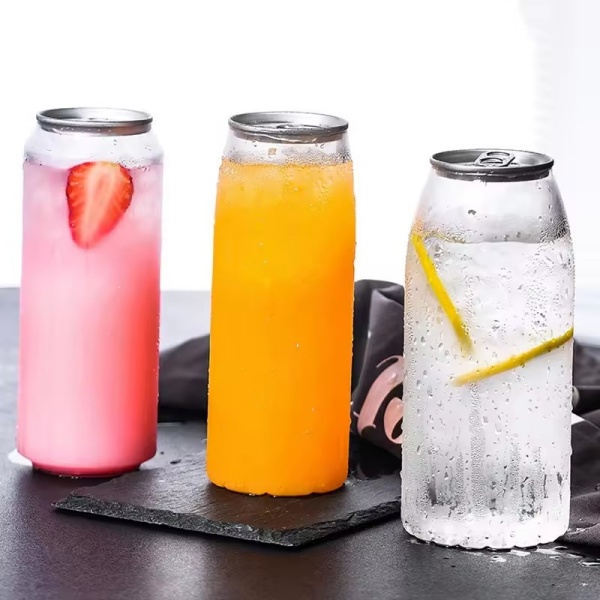

energy cans Pioneers in the Field Supplies the World\u2019s Top Brands
Top Selling Products






- Related Blog
- Reviews
- Reviews
