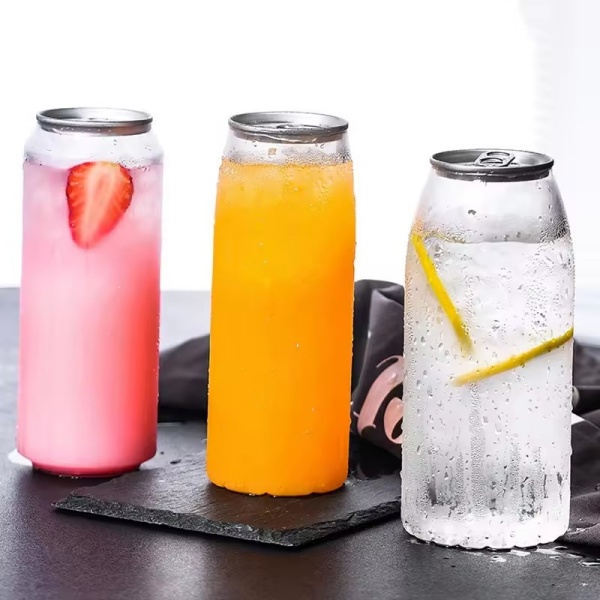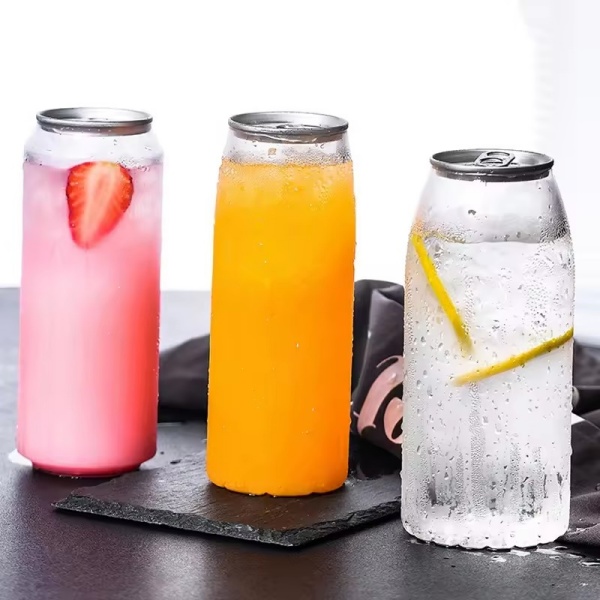
I am proud to offer Mini Cans that fit your packaging needs and brand story. As a China-based manufacturer, I can handle large B2B orders with dependable lead times and flexible customization. Our Mini Cans come in 150ml or 180ml sizes, with aluminum body, smooth sheet, and reseal-cap options, ideal for beer, energy drinks, or specialty beverages. We provide printed labels, engravable cans, and blank options, plus tamper-evident seals. You can choose gloss or matte finishes, standard steel rings, and easy-open pull tabs. With strict quality control, every batch is tested for drop resistance, leak tests and compliance to global standards. MOQ is low for pilot runs, and production scales up quickly for mass production. We ship from our modern facility in China to you worldwide, offering competitive pricing and reliable after-sales support. If you are searching for a trusted Manufacturer for Mini Cans, I’m ready to partner with you.
Mini cans custom solutions deliver unmatched value for global buyers by combining precision engineering, flexible design options and rigorous quality control. From tailored dimensions, special coatings and high-resolution printing to food-safe barriers and recyclable materials, these solutions enhance shelf appeal while meeting international safety and sustainability standards. Competitive lead times, flexible minimums and responsive sampling accelerate time-to-market and reduce inventory risk. Partnering with a manufacturing partner that prioritizes consistent output, transparent testing and optimized logistics ensures cost-effective pricing without compromising performance. Whether for beverages, single-serve products or promotional lines, custom mini cans outperform the competition through superior durability, brand differentiation and reliable global delivery.
| Metric | Custom Mini Can Solution | Industry Average | Unit | Notes |
|---|---|---|---|---|
| Can Volume | 150 | 250 | ml | Smaller, single-serve format optimized for on‑the‑go products and sampling campaigns. |
| Material | Aluminum (99% recyclable) | Aluminum | — | Both fully recyclable; custom option emphasizes higher recycled content in blank stock. |
| Recycled Content | ~90% | ~45% | % | Measured on material input; reduces embodied carbon and supports circularity targets. |
| Carbon Footprint (per can) | 22 | 35 | g CO2e | Life-cycle estimate including material and primary forming stages for empty can. |
| Average Can Weight | 24 | 28 | g | Lightweighting achieved through optimized alloy and wall profile without compromising strength. |
| Wall Thickness (body) | 0.18 | 0.20 | mm | Reduced thickness contributes to lower material use while maintaining burst performance. |
| Printing Resolution | Up to 600 | Up to 300 | dpi | Higher fidelity for detailed graphics, gradients, and small text legibility on mini cans. |
| Available Print Colors | Up to 10 spot colors + CMYK | Up to 4 spot colors | — | Expanded palette enables premium finishing and complex brand looks without compromises. |
| Lead Time (production) | 12 | 20 | days | Typical lead time from artwork approval to shipment of finished empty cans. |
| Minimum Order Quantity (typical) | 5,000 | 25,000 | pcs | Lower MOQ allows faster market tests and seasonal SKU launches. |
| Monthly Production Capacity | 6,000,000 | 15,000,000 | pcs / month | Capacity expressed as empty can equivalents; custom lines optimized for mini can runs. |
| Burst Pressure (seal integrity) | ~120 | ~100 | psi | Evaluated after end-seaming; higher burst margin supports pressurized beverage fills. |
| Dimensional Tolerance (diameter/height) | ±0.25 | ±0.50 | mm | Tighter tolerances improve fill-line consistency and labeling/secondary-pack fit. |
| Defect Rate (after final inspection) | ~120 | ~450 | ppm | Includes visual, dimensional, and sealing defects; lower defect rate reduces rework and waste. |
| Shelf Life (filled, ambient) | 18 | 12 | months | Based on standard barrier coatings and validated headspace protocols for typical beverages. |
| End-of-Life Recycling Pathway | Standard aluminum recycling | Standard aluminum recycling | — | Both stream through municipal aluminum collection; higher recycled content reduces demand for primary aluminum. |