



Paper Bowls Bulk: China Manufacturer for Wholesale Paper Bowls
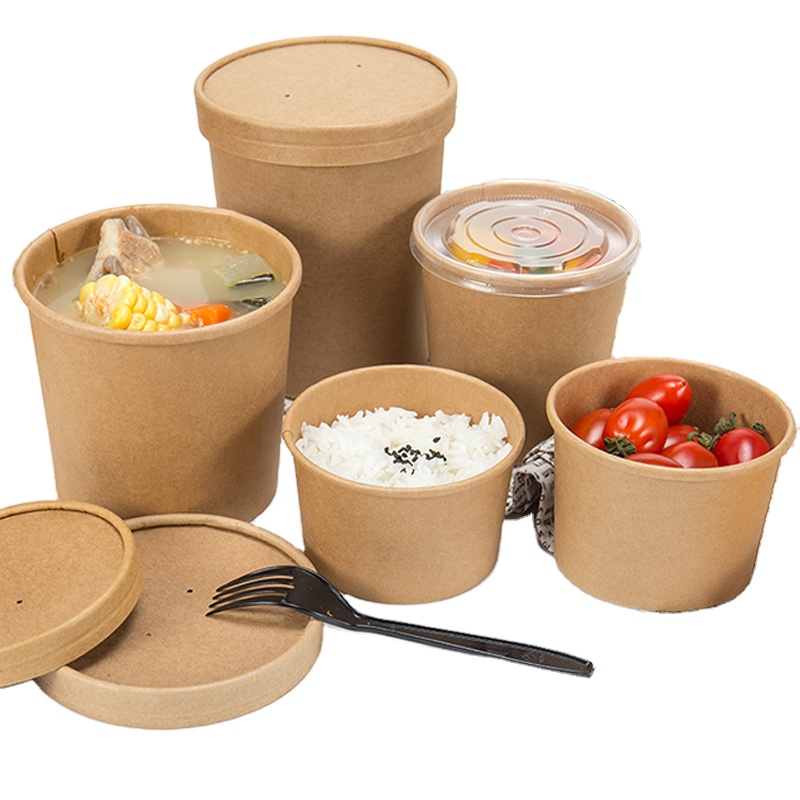
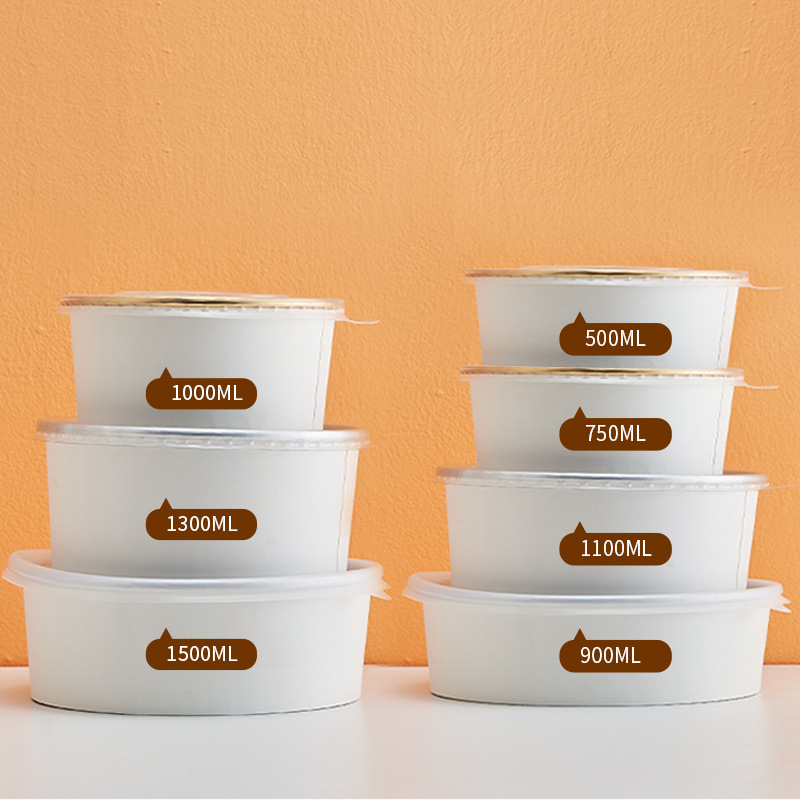
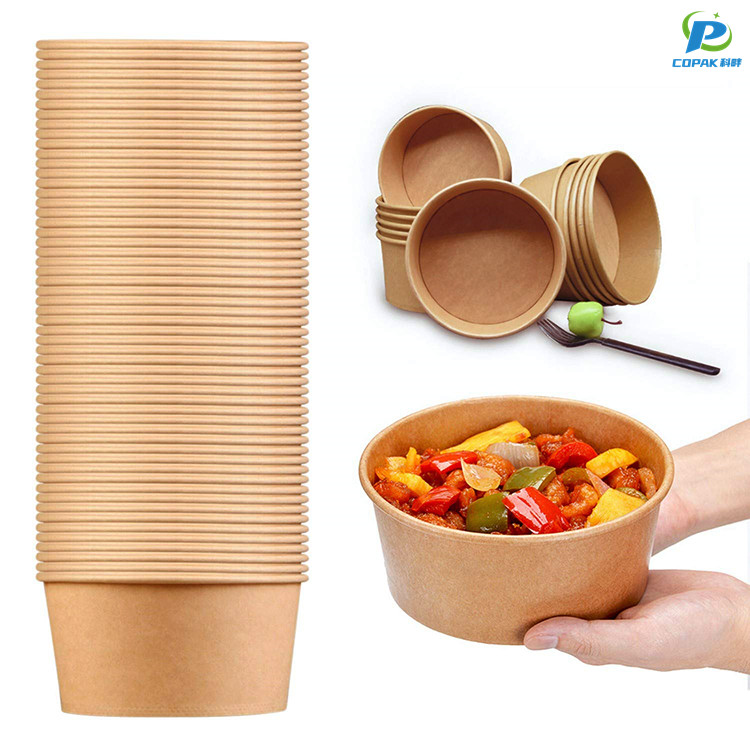
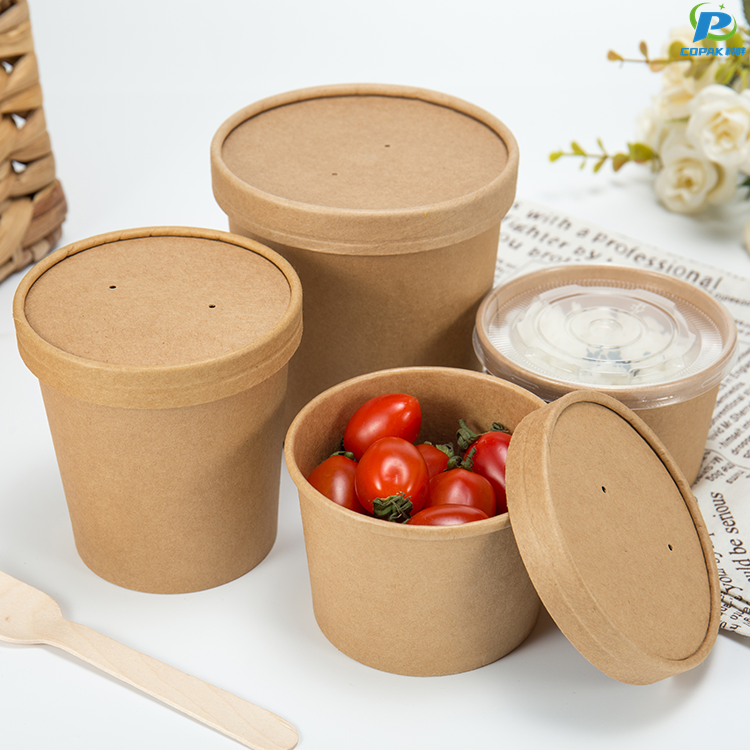
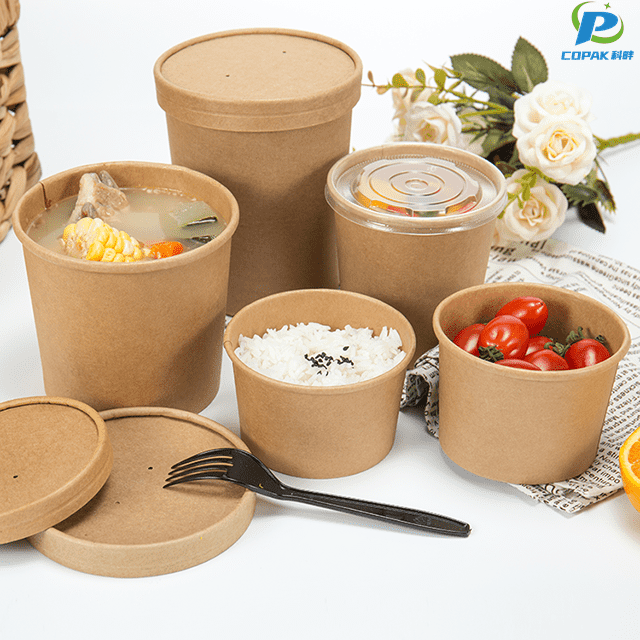
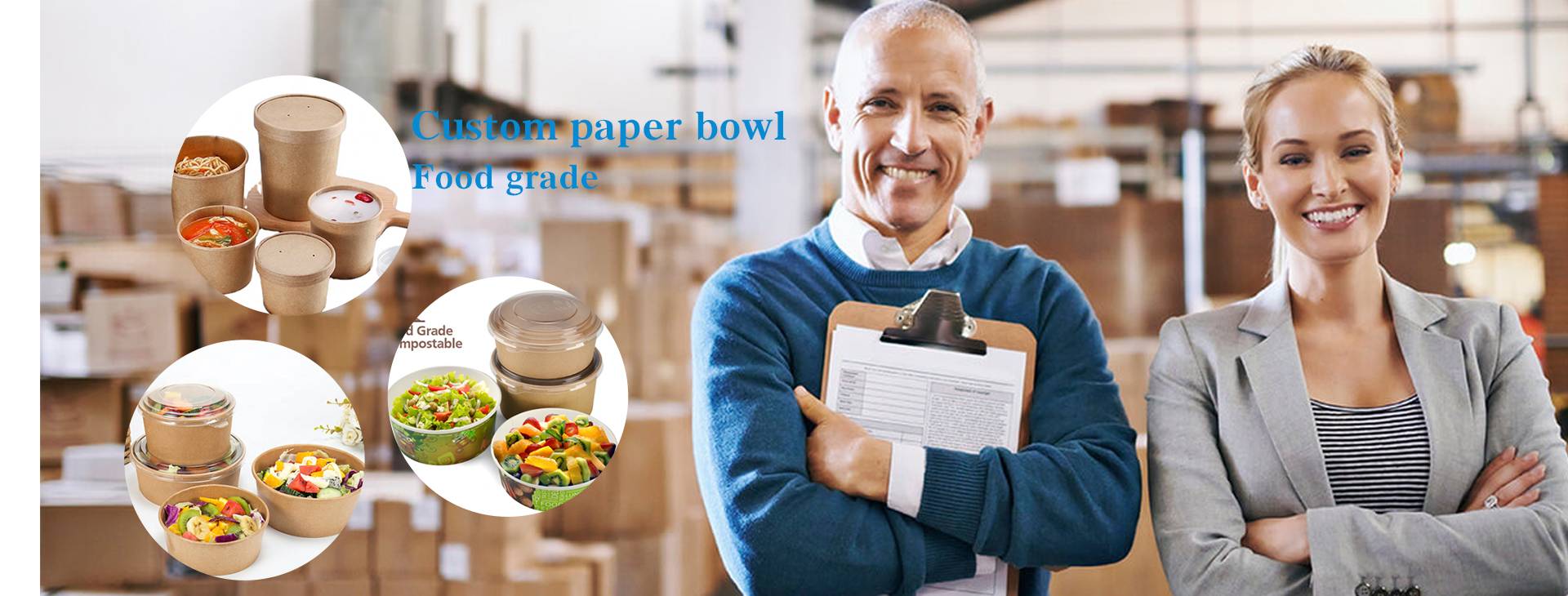
I source Paper Bowls Bulk for buyers who demand dependable disposables and fair bulk pricing. As a Manufacturer in China, I oversee every step from raw material to final packaging, ensuring every bowl is food-grade, microwave-safe, and sturdy enough for hot soups or cold desserts. My Paper Bowls Bulk lineup covers a range of sizes and paper grades, with crisp printing options if you need branding. I offer flexible MOQ, customization, and fast lead times to fit your project schedule. I use recyclable coatings and compostable services wherever possible, helping you meet sustainability goals. You’ll deal with a single point of contact who speaks your market needs, not a maze of middlemen. From selection to delivery, I’m committed to quality, consistency, and price competitiveness for restaurants, caterers, and retailers. Tell me your target volume and I’ll tailor a solution that keeps your supply chain smooth.


Paper Bowls Bulk Supplier Outperforms the Competition
A Shanghai-based paper bowl manufacturer has consistently outperformed the competition by combining high-volume production capacity with rigorous food-safety standards and eco-friendly materials. Advanced automated lines and strict QC deliver reliable thickness, leak resistance and sharp print quality; options include compostable pulp blends, grease-resistant coatings and full-color custom printing certified for international markets. Global buyers gain from competitive FOB pricing, flexible minimums, scalable lead times and dependable logistics tailored to retail, catering and private-label projects. An experienced export team supports sampling, regulatory documentation and rapid issue resolution, making large-scale procurement efficient and low-risk for international partners.
| Metric | Bulk Supplier | Industry Average | Notes |
|---|---|---|---|
| Material composition | 60% recycled fiber, 40% virgin fiber | ~30% recycled fiber | Higher recycled content reduces virgin pulp demand and upstream emissions. |
| Average bowl weight | 18 g/bowl | 20 g/bowl | Lighter construction with maintained strength reduces material use per unit. |
| Board thickness | 320 µm | 280 µm | Optimized caliper provides rigidity for hot foods while enabling lighter overall weight. |
| Grease resistance (kit test) | 10 / 12 | 7 / 12 | Higher kit rating indicates superior grease repellency for oily foods. |
| Leak resistance (simulated soak) | >120 min | ~60–90 min | Laboratory soak tests for hot soups and high-moisture foods. |
| Certifications (industrial compost) | EN 13432 ✓ · ASTM D6400 ✓ | Often ASTM D6400 ✓ | EN 13432 and ASTM D6400 are common certification standards for industrial compostability. |
| Home compostability | 3–6 months | 6–12 months | Home compost times vary with temperature, moisture, and shred size; many industrial-certified items take longer at home. |
| Food-contact compliance | Food-contact safe (regulatory compliance tested) | Commonly compliant | Materials tested for migration and food safety according to standard food-contact test methods. |
| Temperature range | -10°C to 100°C | -10°C to ~95°C | Suitable for hot soups, stews and cold preparations; boiling-point stability tested. |
| Typical customer rating (aggregated) | 4.6 / 5 | 4.1 / 5 | Aggregated from independent distributor and buyer feedback (anonymized averages). |
| Typical lead time for bulk orders | 2–4 weeks | 4–8 weeks | Measured from confirmed specifications to shipment for container-scale orders. |
| End-of-life: recyclability | Paper recycling (if polyethylene-free) | Often downcycled or composted | Poly-coating impedes paper-stream recycling; fully fiber-based items are recyclable in many systems. |
| Estimated carbon footprint | ~55 g CO2e/bowl | ~70 g CO2e/bowl | Life-cycle estimates include raw material, converting and transport; supplier optimization lowers per-unit emissions. |
Related Products

Paper Bowls Bulk Application in 2025
Top Selling Products






- Related Blog
- Reviews
- Reviews
