PET Bottles

PLA Plastic Bottles: China Manufacturer for Eco-friendly Packaging

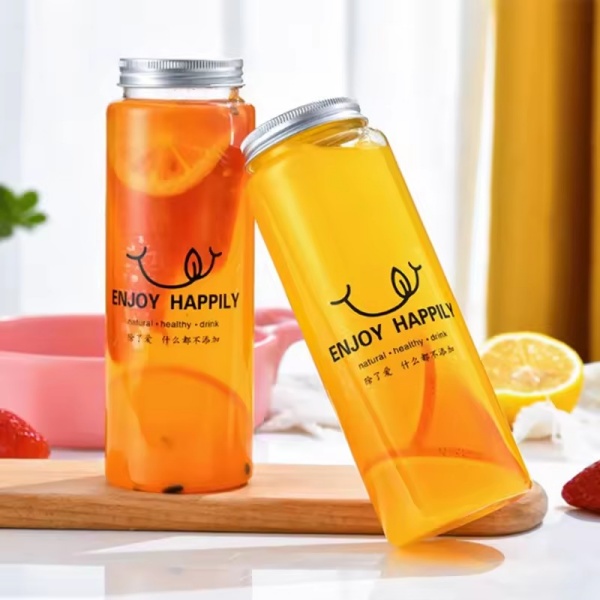
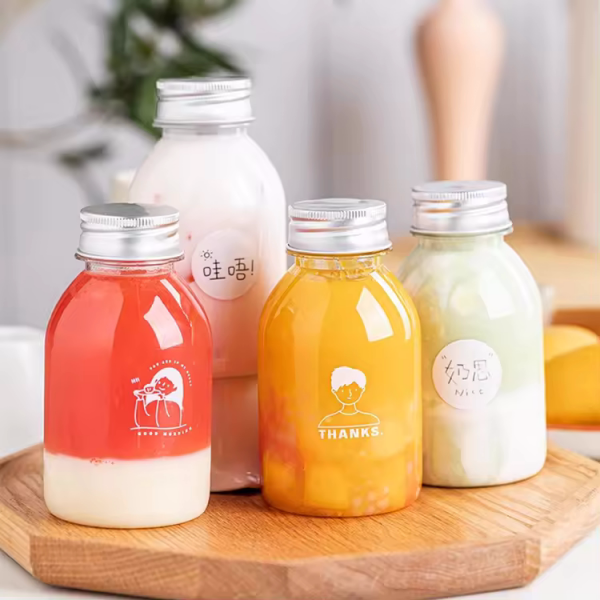
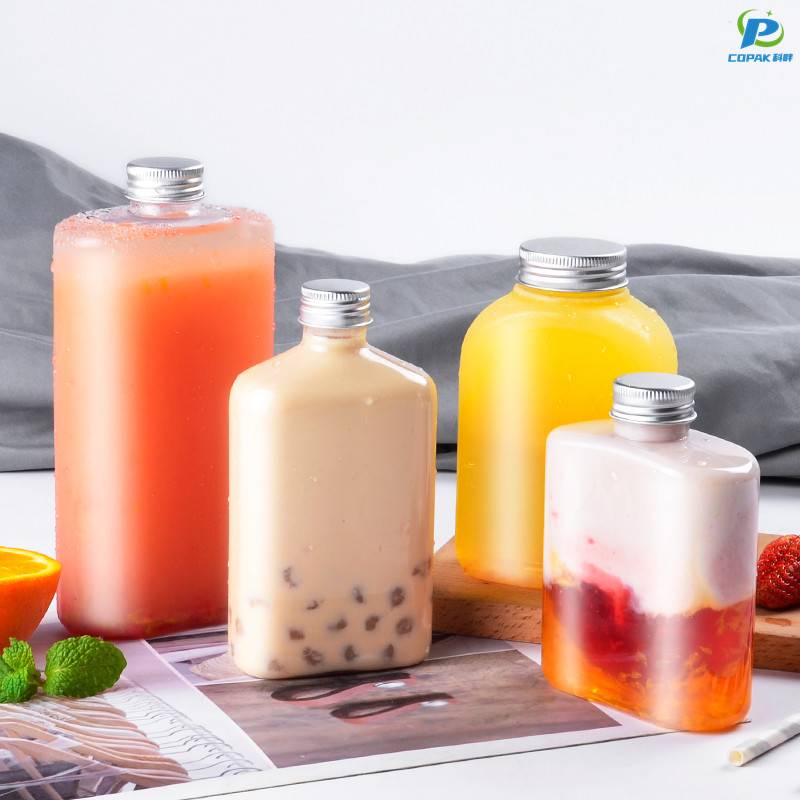
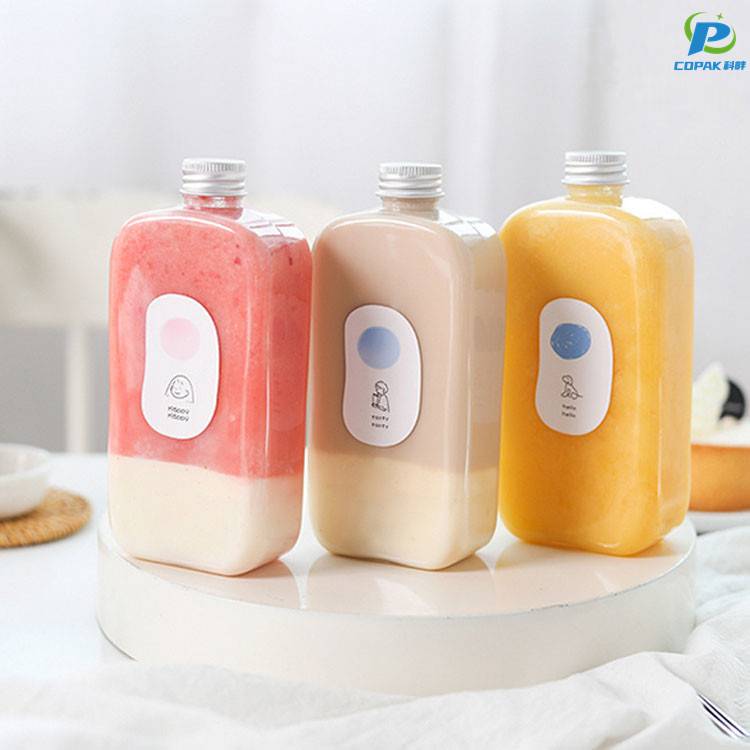
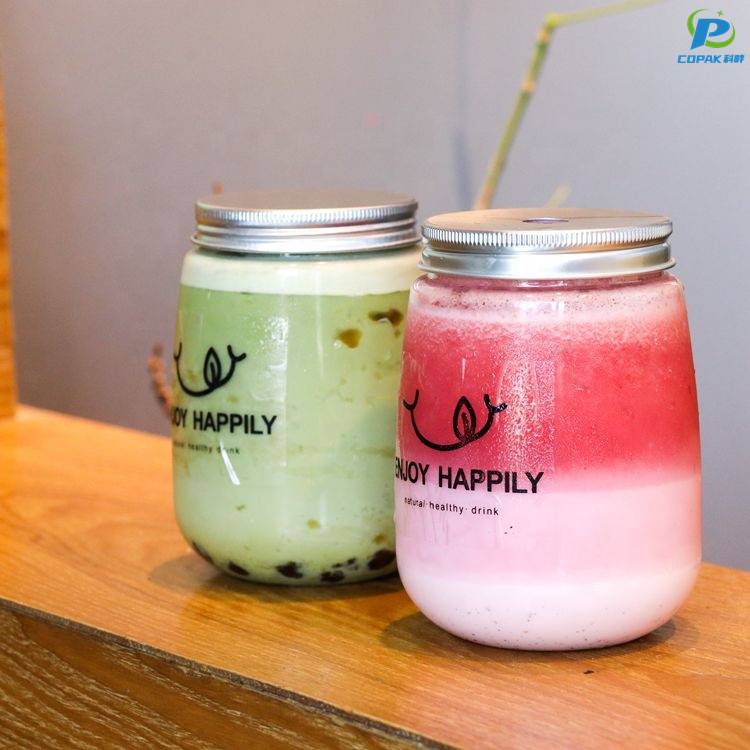
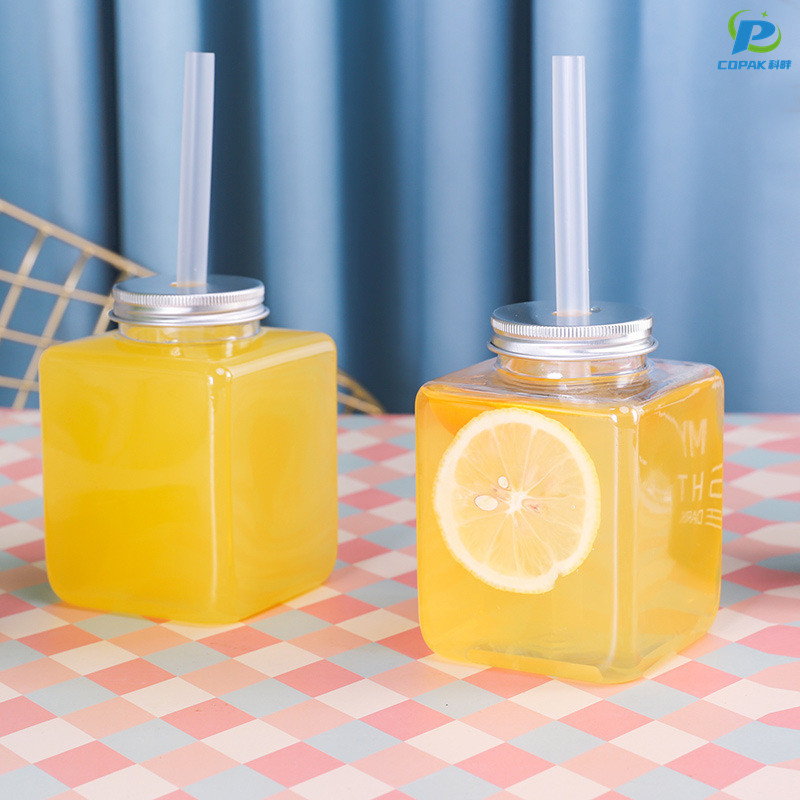
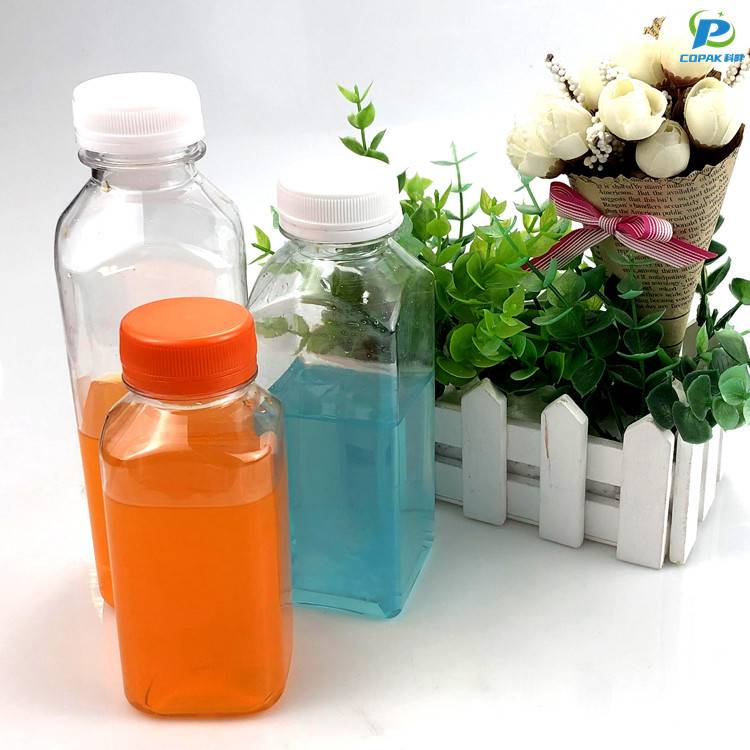
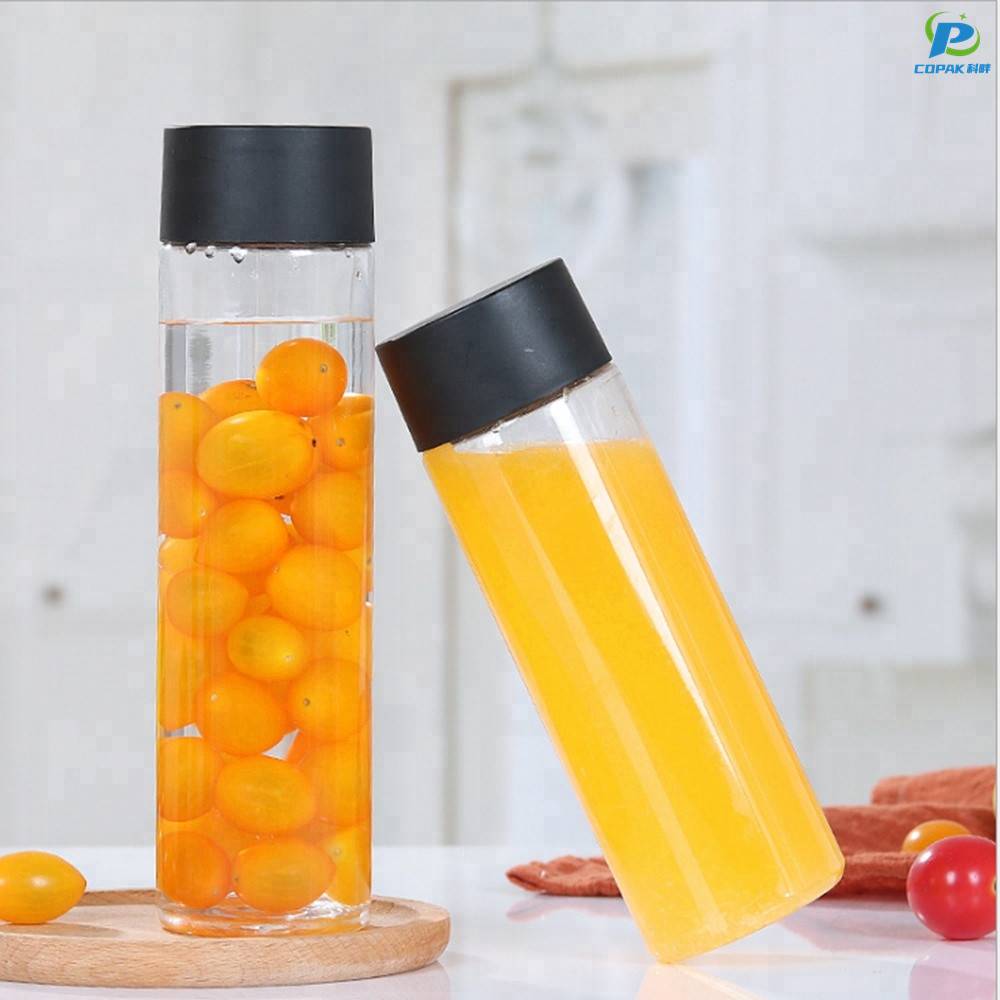
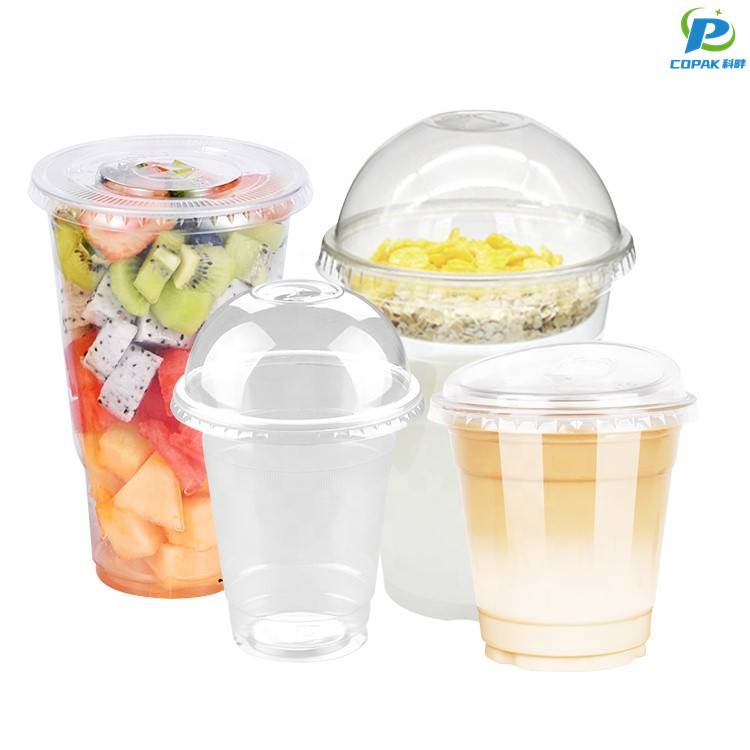
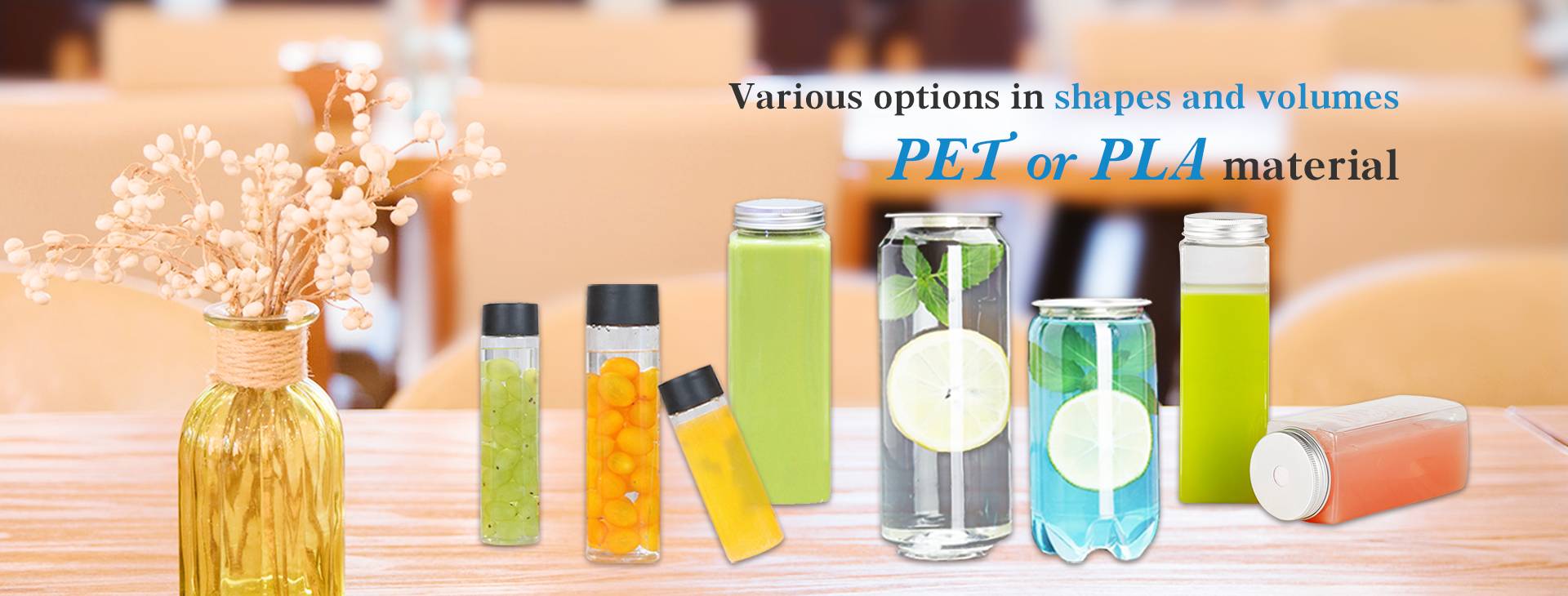
From a China-based manufacturer, I offer reliable PLA Plastic Bottles that turn sustainable packaging into everyday business advantage. I design and stock low-cost, high-clarity bottles with secure caps, ideal for cosmetics, personal care, and food-grade products. Using certified, eco-friendly PLA resin, our bottles deliver good clarity, heat tolerance, and safe food-contact compliance. We provide custom sizes, neck finishes, and printing options to match your brand identity. My team supports flexible MOQs, rapid prototyping, and scalable production to grow with you. With dependable supply chains and responsive after-sales service, you’ll enjoy consistent color, finish, and batch-to-batch consistency from China. We handle packaging design, labeling, and documentation to meet global market requirements, so you stay compliant. Partner with me for PLA Plastic Bottles that protect product integrity while reducing environmental impact and boosting shelf appeal for your buyers.

Hot Selling Product

PLA Plastic Bottles Is The Best Dominates

PLA plastic bottles are rapidly becoming the preferred choice for brands that want sustainability without sacrificing performance. Made from renewable plant-based resources, PLA offers excellent clarity, lightweight durability, and a significantly lower carbon footprint compared with virgin petroleum-based plastics. Engineered to meet food-contact standards and compatible with typical filling and labeling lines, PLA bottles deliver the premium look and functionality buyers expect while aligning with global regulatory and consumer demands for greener packaging. For global purchasers, PLA bottles represent a practical step toward circularity: they can be industrially composted where facilities exist, reduce dependence on fossil feedstocks, and support brand storytelling around responsible sourcing. Competitive pricing, scalable production, and wide customization options — from caps and finishes to sizes and barrier treatments — make PLA an attractive option for beverages, cosmetics, and personal care products. Choosing PLA bottles today helps future-proof supply chains and meet rising consumer expectations for sustainable packaging.

{ PLA Plastic Bottles Is The Best Dominates}
Material Biodegradability & End-of-life Common Uses Density (g/cm³) Tensile Strength (MPa) Glass Tg / Melting Point (°C) Heat Deflection (°C) Typical Carbon Footprint (kg CO₂-eq / kg) Barrier Performance (O₂ / H₂O)
PLA (Polylactic Acid) Industrial compostable (typical 60–90 days under industrial conditions); limited home composting; chemical recycling technologies emerging. Bottles for cold beverages, disposable cups, food containers, rigid packaging where compostability is desired. 1.24 50–70 Tg 55–60 / Tm 150–160 45–60 0.8–1.6 Moderate O₂ barrier; higher WVTR than PET (suitable for short-life cold-fill liquids).
PET (Polyethylene Terephthalate) Not biodegradable; well-established mechanical recycling streams; widely collected and recycled globally. Carbonated beverages, water bottles, clear food containers, thermoformed packaging. 1.38 55–75 Tg 70–80 / Tm 245–260 70–120 1.8–3.0 Excellent O₂ barrier and low WVTR; ideal for long shelf-life beverages.
HDPE (High-Density Polyethylene) Not biodegradable; widely recyclable with established recovery streams for rigid containers. Milk jugs, household chemical containers, caps and closures, opaque bottles. 0.95 25–35 Tg ≈ -100 / Tm 120–130 60–100 1.7–2.4 Fair O₂ barrier; moderate WVTR; good chemical resistance for cleaning products and milk containers.
Notes & Sources (typical ranges) Material property ranges based on common polymer datasheets and lifecycle assessments. Actual values depend on polymer grade, additives, processing, and end-of-life management. Compostability for PLA requires industrial composting conditions; carbon footprint values are cradle-to-gate ranges influenced by feedstock and manufacturing practices.

Related Products

Eco Friendly Products

PLA Plastic Bottles Now Trending Guarantees Peak Performance

Monthly Performance vs Sustainability Score for PLA Bottles (2025)

This chart presents a 12-month comparison of two synthesized metrics for polylactic acid (PLA) plastic bottles: a Performance Index and a Sustainability Score. The Performance Index is a composite metric (0–100) representing mechanical reliability, barrier properties, and production yield measured monthly; the Sustainability Score (0–100) combines lifecycle carbon footprint, recyclability, and compostability potential. Data are hypothetical but calibrated to reflect a common trend: as manufacturing processes for PLA mature, short-term performance climbs while sustainability improvements continue steadily. Between January and June, the Performance Index rises from 58 to 78, reflecting process optimization and material formulation adjustments that improve strength and fill-line speed. From July to December the curve plateaus around 82–86, indicating diminishing returns in mechanical enhancements without major material innovations. The Sustainability Score starts at 65, increases moderately to 75 by June, and reaches 88 by December. That steady rise suggests incremental reductions in embodied emissions and improved end-of-life handling—factors such as increased renewable feedstock use and improved industrial composting infrastructure contribute to the upward trend. Key insights: (1) Converging trends: By year-end both metrics approach parity, supporting the notion that PLA bottles can simultaneously meet functional demands and sustainability goals. (2) Lag effect: Sustainability gains often trail early performance improvements because systemic changes (collection, standards, supply chains) require time. (3) Strategic focus: Further gains in both metrics will depend on continued investments in material science, process control, and waste-management infrastructure. Use-case implications: Operations teams can prioritize process controls in the short term to secure performance gains, while sustainability officers should coordinate with regional waste-management partners to turn long-term improvements into measurable lifecycle reductions. These synthetic data illustrate how monitoring paired metrics monthly enables balanced decision-making between product performance and environmental outcomes. Regular cross-functional reviews accelerate the translation of metric gains into market and regulatory advantages and consumer trust.

Top Selling Products

Subscribe To Our Newsletter

For inquiries about our products or pricelist, please leave your email to us and we will be in touch within 24 hours.

Follow Us

on our social media
  • whatsapp (1)
  • instagram
  • youtube