



plastic spice bottle China Manufacturer | Premium Spice Jars
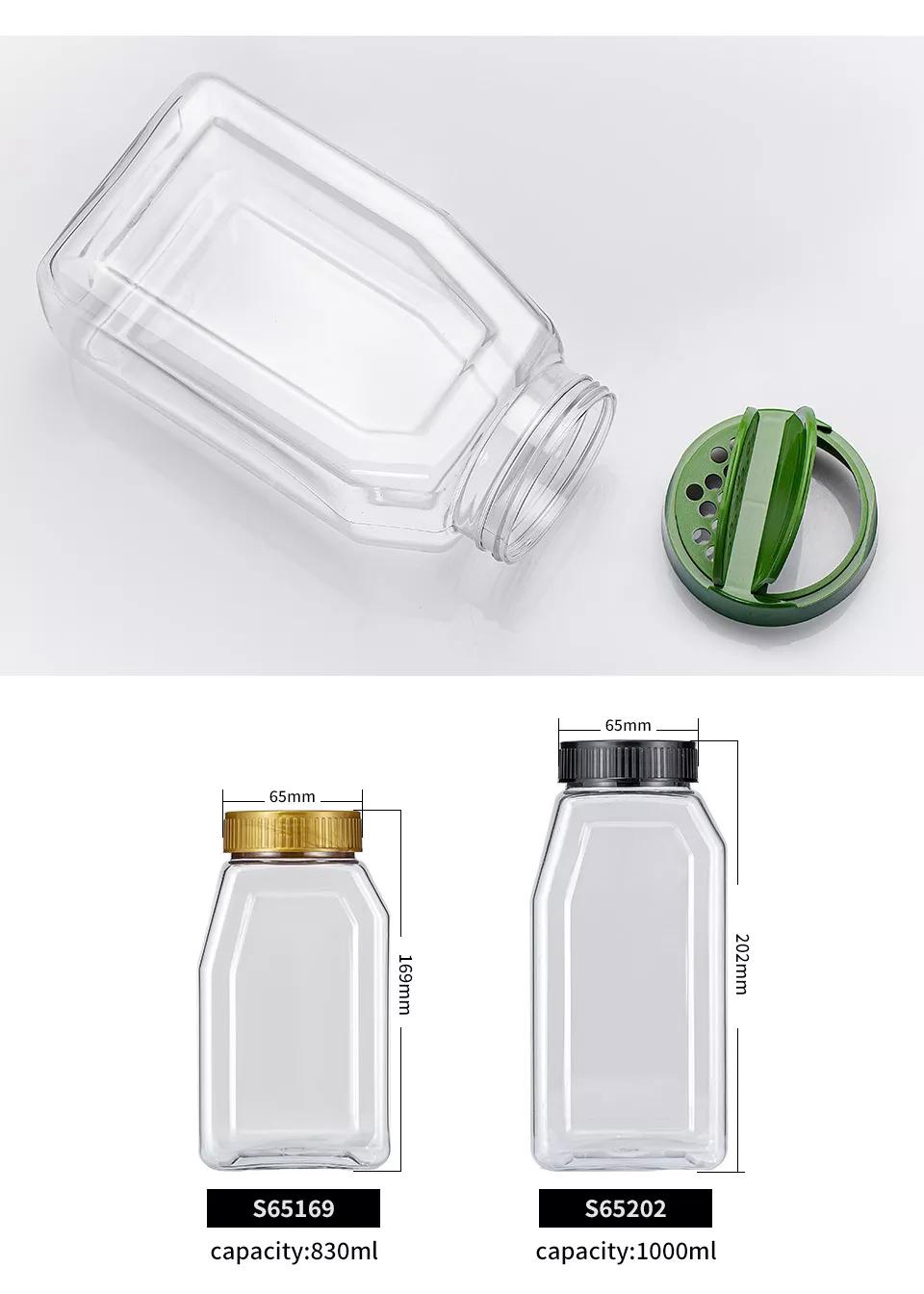
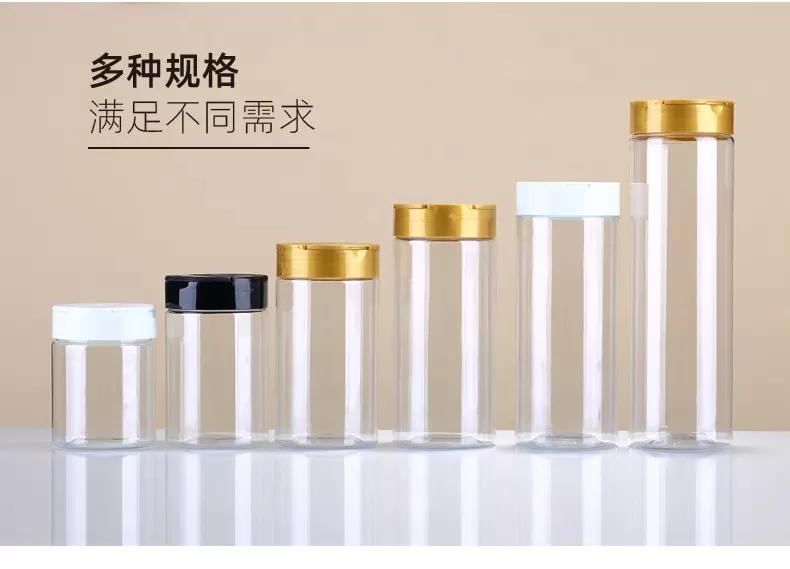
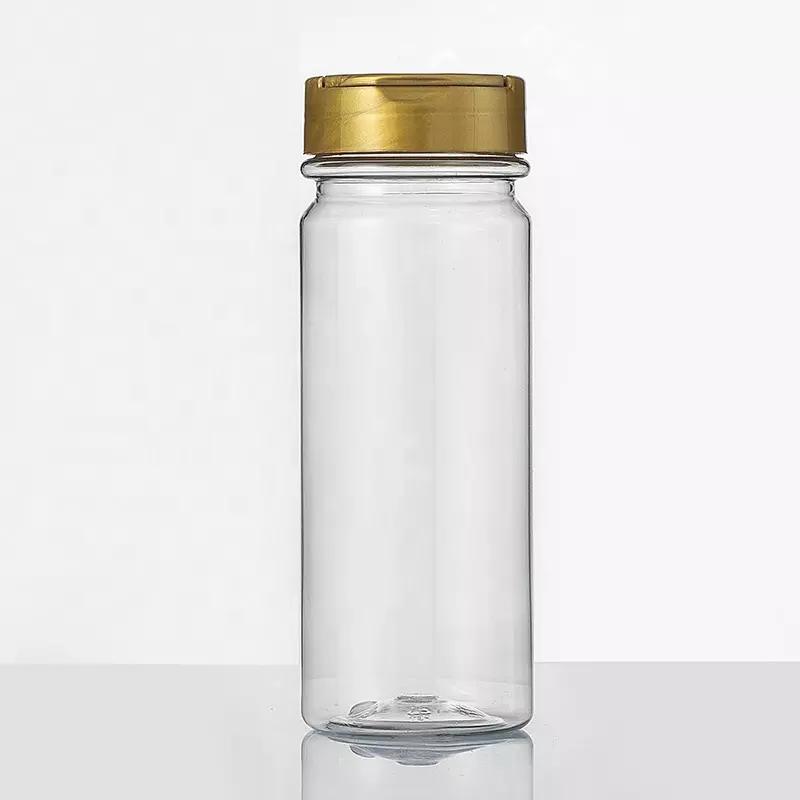
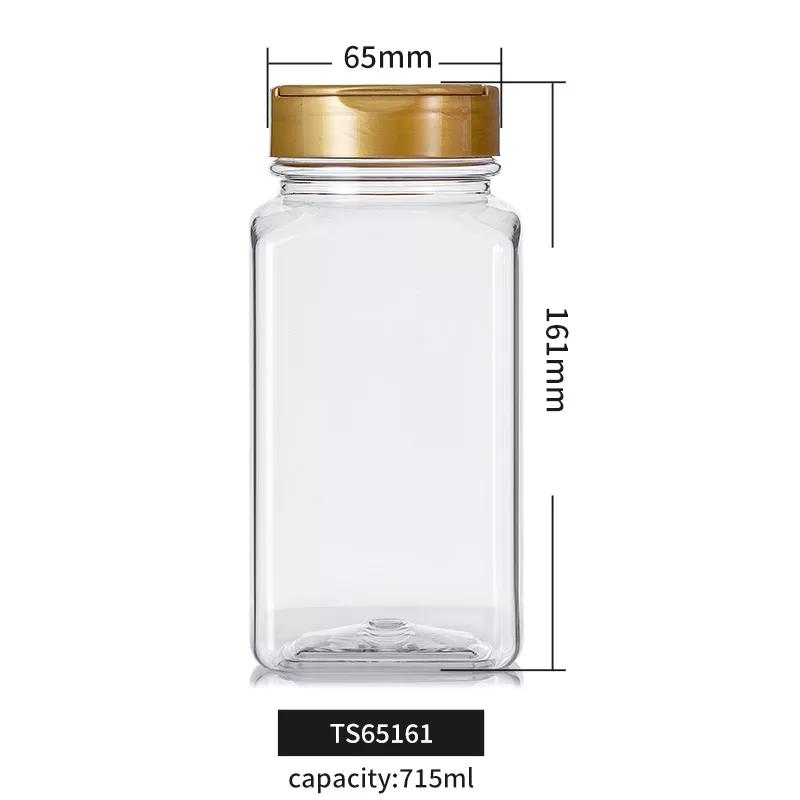
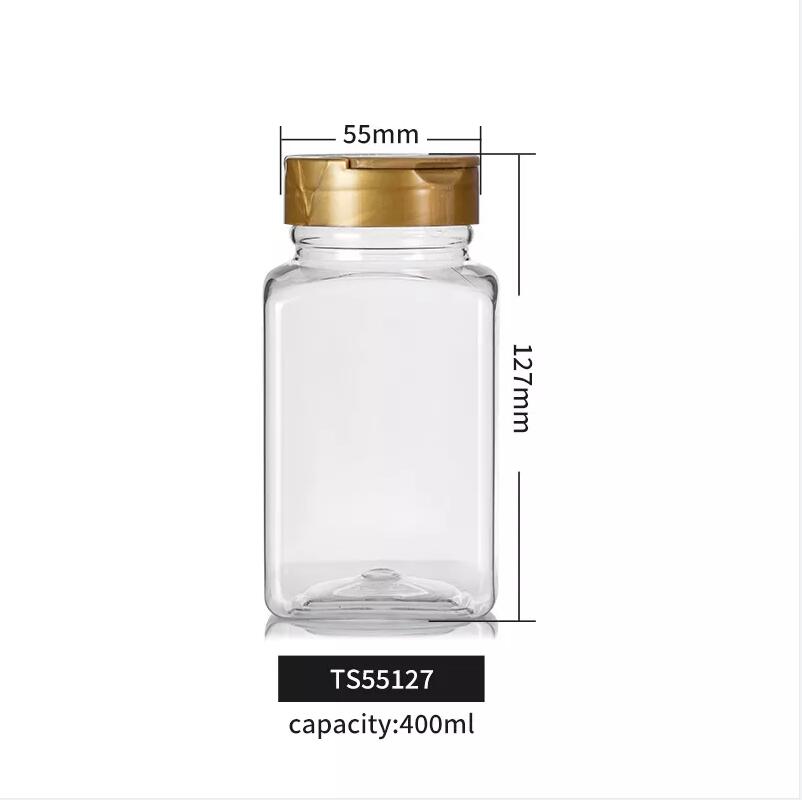
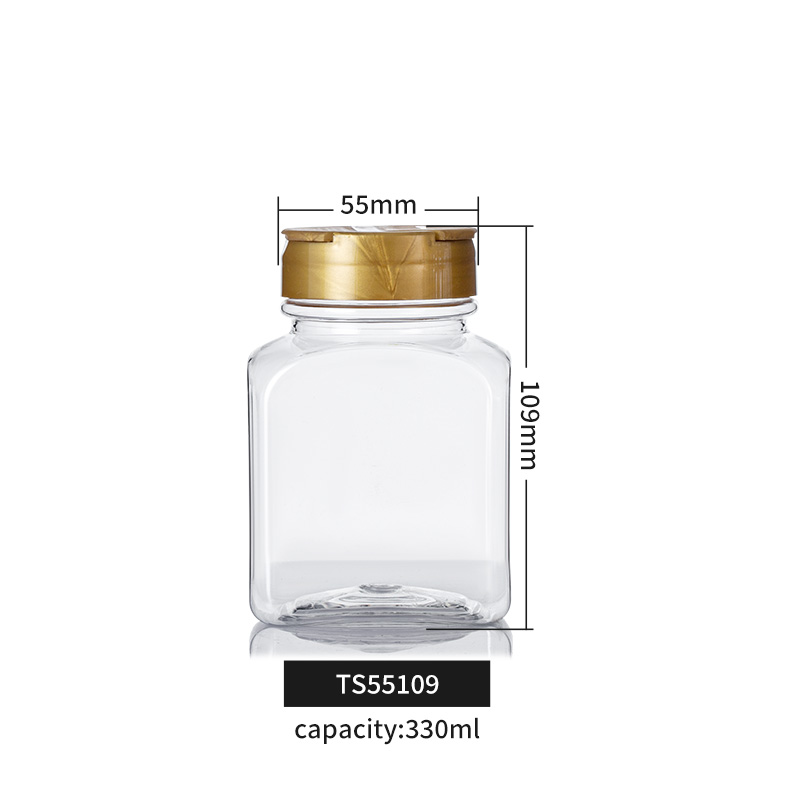
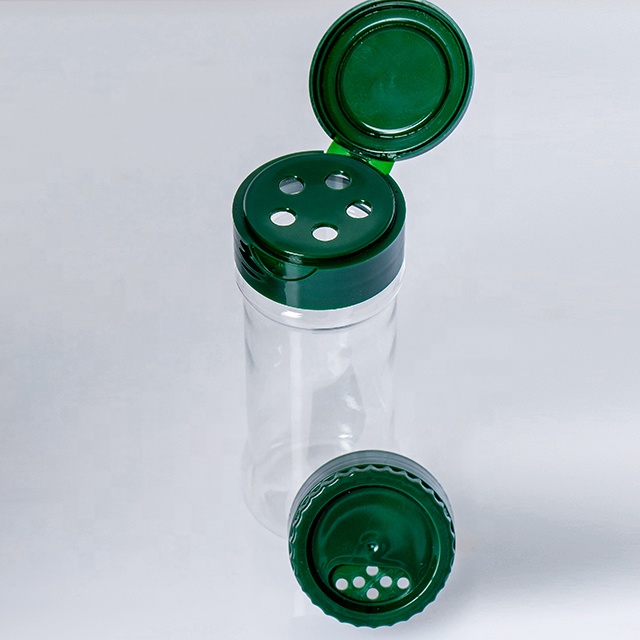
As a China-based manufacturer specializing in plastic spice bottle solutions, I understand what B2B buyers need. I provide durable, lightweight bottles that resist oil and aroma leaks, with options from 50ml to 350ml, with screw caps, shaker tops, or flip-top lids. I can customize colors, labeling, and batch codes to fit your brand and packaging line. All materials are food-grade, BPA-free, and meet international safety standards. I offer OEM and private-label services, fast lead times, and flexible MOQs to suit both large orders and ongoing replenishment. Our warehouse network in Shanghai and Ningbo supports quick delivery to global customers. I can supply technical drawings, material certs, and color samples to help you compare options. If you are a buyer seeking a reliable China manufacturer for plastic spice bottle products, I am ready to partner with you to simplify procurement and reduce total costs while maintaining top quality.


plastic spice bottle Industry Leaders Your Trusted OEM Partner
As industry leaders in plastic spice bottles, we combine advanced injection and blow molding with precise assembly and food‑grade materials to deliver safe, stylish packaging for spices, herbs and seasonings. Our R&D and engineering teams specialize in custom sizes, closure designs and dispensing options, supporting rapid prototyping, low MOQs and scalable mass production while maintaining rigorous quality control and compliance with international food-contact standards. Global purchasers benefit from transparent supply chains, competitive pricing and export expertise that streamline lead times and logistics. Partner with us as your trusted OEM to access private labeling, tailored artwork, multifunctional packaging and product samples to validate performance and shelf appeal—turning your concepts into market-ready spice packaging that enhances brand value and consumer experience.
{ plastic spice bottle Industry Leaders Your Trusted OEM Partner}
| Product Type | Typical Capacity (mL) | Material | Manufacturing Method | Closure / Dispensing | Typical Use Cases | Regulatory Compliance | Customization Options | Sustainability Features | Typical Lead Time (weeks) | Typical Minimum Order (units) |
|---|---|---|---|---|---|---|---|---|---|---|
| Shaker / Sifter Bottle | 30–60 | HDPE (high-density polyethylene) | Injection molding (body) + ultrasonic welding for caps | Sifter/shaker cap, perforated insert | Fine ground spices, powdered blends, table shakers | FDA food contact (CFR 21), EU 10/2011, ISO 9001 compliant manufacturing | Cap hole patterns, body color, matte/gloss finish, tamper-evident seal | Recyclable HDPE; rHDPE options; lightweight design reduces shipping impact | 6–8 | 5,000–10,000 |
| Clear PET Round Bottle | 50–120 | PET (polyethylene terephthalate) | Injection stretch blow molding (ISBM) | Screw cap, flip-top, tamper band | Whole spices, dried herbs, small liquid seasonings | FDA & EU food contact compliance; traceable material certificates | Clear or tinted, anti-fog finish, custom neck finishes, printed sleeves | Fully recyclable PET; rPET (post-consumer) options available | 8–10 | 10,000–20,000 |
| Squeeze / Dispensing Bottle | 100–250 | LDPE / LLDPE blends or soft HDPE | Extrusion blow molding | Flip-top nozzle, thin-lip spout, twist-open caps | Liquid seasonings, oils, dressings for controlled pouring | Meets common food-contact regulations; migration testing available | Nozzle diameter, cap styles, opaque/translucent colors | Lightweight to reduce material use; recyclable PE; refillable designs | 6–9 | 5,000–15,000 |
| Wide-Mouth PP Jar | 120–300 | PP (polypropylene) | Injection molding (body & lid) | Screw cap with inner seal or snap-on lid | Herb blends, rubs, larger-volume spice packs | EU & FDA food contact, LFGB testing available on request | Embossing, full-color digitally printed labels, inner liners | Recyclable PP; options for bio-based PP and post-industrial recycled content | 7–12 | 5,000–20,000 |
| Grinder-Style Plastic Bottle | 80–150 | BPA-free copolyester / PP components | Multi-part injection molding + assembly (grinder insert) | Adjustable grinder top, lockable cap | Whole peppercorns, coarse salt, spice seeds | Food-contact test reports available; mechanical safety testing for grinders | Grind settings, windowed body, two-tone color schemes | Recyclable copolyester; separable components for recycling | 8–12 | 8,000–15,000 |
| Sifter Bottle with Multi-Lid Options | 200–300 | PET body / PP lid combinations | Blow molding + two-shot or overmold for lid | Interchangeable lids: sifter, shaker, pour | Bulk kitchen spices, seasoning mixes, retail pantry use | Material compliance certificates and migration test reports | Multiple lid types, neck finish adaptations, private-label printing | Design for disassembly; rPET and rPP options; refillable designs | 6–9 | 5,000–12,000 |
Related Products


plastic spice bottle Industry Giant Service Backed by Expertise
Top Selling Products


- Related Blog
- Reviews
- Reviews
