



20 Ounce Paper Bowls - China Manufacturer
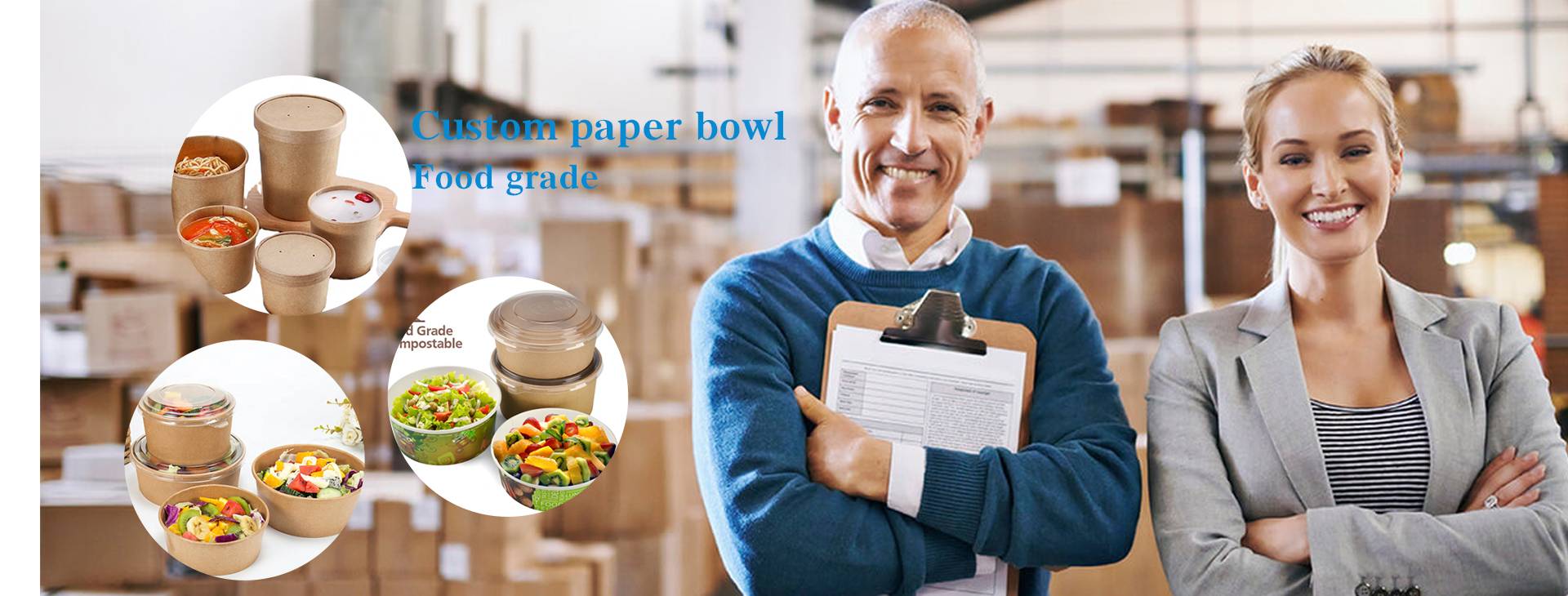
I offer {20 Ounce Paper Bowls} built for busy kitchens and event catering. As a {China} based {Manufacturer}, I know B2B buyers look for reliability, consistent sizes, and fast, economical shipping. Our 20 Ounce Paper Bowls feature sturdy double-wall construction, grease resistance, and clean interior finish for easy serving of soups, noodles, and desserts. They stack neatly for storage and ship in bulk to reduce downtime. I can provide customized options, bulk pricing, and flexible MOQs to fit your production line or foodservice operation. We support export to global markets, with prompt lead times and packaging that protects product integrity in transit. If you’re evaluating suppliers, consider our proven performance, stable supply, and responsive service. Company detail {} is available on request. Contact me to discuss pricing, lead times, and private labeling for {China} market and beyond.


20 Ounce Paper Bowls Service From Concept to Delivery
From initial concept to final delivery, our end-to-end 20 ounce paper bowl service is built for global buyers seeking reliability, customization, and sustainable performance. We turn sketches or specifications into rapid prototypes, offering a range of food-safe materials—unbleached or white paperboard, grease and moisture barriers, and compostable linings—plus full-color printing, embossing, and tailored rims or stacking features. Rigorous quality control and compliance with international food-safety standards ensure consistent strength, leak resistance, and shelf-ready presentation. Production scales to meet both small runs and high-volume contracts with flexible MOQs, transparent lead times, and sample support before mass production. Packaging options optimize palletization and retail-ready display, while coordinated logistics and export experience streamline global shipping. Dedicated account management provides ongoing technical advice and after-sales follow-up to guarantee timely delivery and continuous improvement for long-term partnerships.
| Attribute | Details | Typical Range / Notes |
|---|---|---|
| Product Overview | ||
| Product Type | 20 oz (US) paper bowl, single-use food container designed for hot and cold meals. | Capacity = 20 fl oz ≈ 591 ml |
| Typical Dimensions | Top diameter, bottom diameter and height commonly specified for stability and stackability. | Top Ø ≈ 150 mm (5.9 in); Bottom Ø ≈ 75 mm (2.95 in); Height ≈ 60 mm (2.36 in) |
| Typical Mass | Average dry material mass per bowl based on paperboard grammage and coating. | ~8–12 g per bowl (typical ≈10 g) |
| Materials & Construction | ||
| Paperboard | Food-grade paperboard selected for stiffness and formability. | 230–300 gsm is common for 20 oz bowls |
| Inner Barrier Options | Multiple barrier systems used to provide liquid resistance and heat tolerance. | PLA (compostable industrial), PE (polyethylene) barrier (provides strong leak resistance; may affect recyclability) |
| Food Contact Compliance | Materials formulated and tested to meet common food-safety regulations for direct food contact. | Examples: compliance with FDA food-contact regulations and applicable regional limits |
| Certifications Available | Third-party certification options typically offered based on material selection and supply-chain documentation. | FSC fiber option; compostability standards (ASTM D6400 / EN 13432 / BPI) |
| Performance & Use | ||
| Temperature Range | Safe handling and short-duration heating depend on barrier type and bonding. | Typical: -20°C to ~100°C (short microwave use subject to coating) |
| Microwave Suitability | Microwave use allowed in short bursts for certain coatings; performance validated per product. | Short bursts (≤2 minutes) recommended; avoid prolonged microwaving |
| Leak Resistance | Coated constructions undergo hot liquid soak/leak tests to validate barrier performance. | Common target: pass 30-minute hot-liquid test at ~85°C for coated bowls |
| Typical Applications | Designed for takeaway foods, soups, stews, grain bowls, salads and cold servings. | Hot & cold use cases; avoid long-term storage of acidic or high-fat hot liquids if uncoated |
| Manufacturing Process & Timeline | ||
| Concept & Briefing | Define capacity, dimensions, material preferences, sustainability targets and packaging approach. | 3–7 days (concept refinement) |
| Design & Dieline | Technical drawings, stacking/delivery constraints and tooling specifications prepared. | 3–10 days |
| Prototype | Sample bowls produced for fit, feel and preliminary testing (coatings applied as specified). | 7–14 days |
| Testing & Compliance | Leak, heat, migration and regulatory testing; adjustments made as required. | 7–10 days (lab lead time varies) |
| Tooling & Die Creation | Creation of dies and forming tools optimized for run speed and minimal waste. | 14–30 days depending on complexity |
| Pilot Run | Short production run to validate full process: forming, coating adhesion, printing, stacking. | 3–5 days |
| Mass Production | Full-scale runs after pilot approval; production schedule aligned to downstream packaging. | 15–30 days typical (depends on order size and scheduling) |
| Final QC & Packaging | Batch testing, visual inspections, sealing/leak checks, label verification and packaging. | 2–5 days |
| Shipping Preparation | Cartonization, palletization and documentation prep for dispatch. | 3–7 days |
| Quality Control & Testing | ||
| Routine Inspections | Visual surface inspection, stackability check, coating uniformity, dimensional verification. | Inline and end-of-line checks; sampling per batch |
| Key Tests | Leak test, hot-soak, delamination/burst testing, migration analysis (when required). | Pass criteria set per product spec and regulatory limits |
| Typical Acceptance Targets | Operational quality targets used to maintain service-level expectations. | Defect thresholds typically ≤2% for visible defects; stricter for leak failures |
| Packaging & Logistics | ||
| Packaging Formats | Multiple finishing-pack options: inner sleeve/shrink, corrugated cartons, bulk pallet stabilization. | Sustainable packaging options available (recyclable corrugate, recycled liners) |
| Recommended Carton Dimensions | Standard carton geometry designed to protect bowls from crushing and moisture. | Example carton: ~60 × 40 × 30 cm (dimensions vary with packaging format) |
| Palletization | Stacking patterns and securing to minimize transit damage and optimize freight space. | Standard pallet sizes and shrink-wrap stabilization recommended |
| Sustainability & Handling | ||
| Recyclability / End‑of‑Life | Recyclability depends on barrier: uncoated paperboard recyclable; PLA requires industrial composting; PE-lined requires local-sorting policies. | Select barrier based on local waste-infrastructure |
| Material Use & Footprint | Typical material consumption and greenhouse gas ranges reported for similar single-use paper bowls vary with substrate and coating. | Material ≈10 g/bowl; typical cradle-to-gate emissions commonly reported in the range of ~10–50 g CO2e per bowl depending on inputs |
| Storage & Shelf Life | Store in a dry environment away from high humidity and heat to protect structural integrity and coatings. | Recommended storage 5–30°C; best performance within 12 months under dry storage |
| Recommended Handling & Use | ||
| Best Practices | Verify compatibility of coating with intended food (acids, oils), avoid prolonged holding of very hot liquids, and follow disposal guidance for chosen barrier system. | Label recommended: "For short-duration hot use" when applicable |
| Common Use Cases | Takeaway soups, noodle bowls, grain/protein bowls, hot catering servings, cold salads and desserts. | Versatile for both hot and cold; select barrier to match application |
| Notes: Values and ranges shown are typical for 20 oz paper bowls produced to common industry specifications. Actual parameters depend on selected substrate, coating and regulatory requirements for the final market. | ||
Related Products


20 Ounce Paper Bowls Service Supplies the World\u2019s Top Brands
Top Selling Products





- Related Blog
- Reviews
- Reviews
