



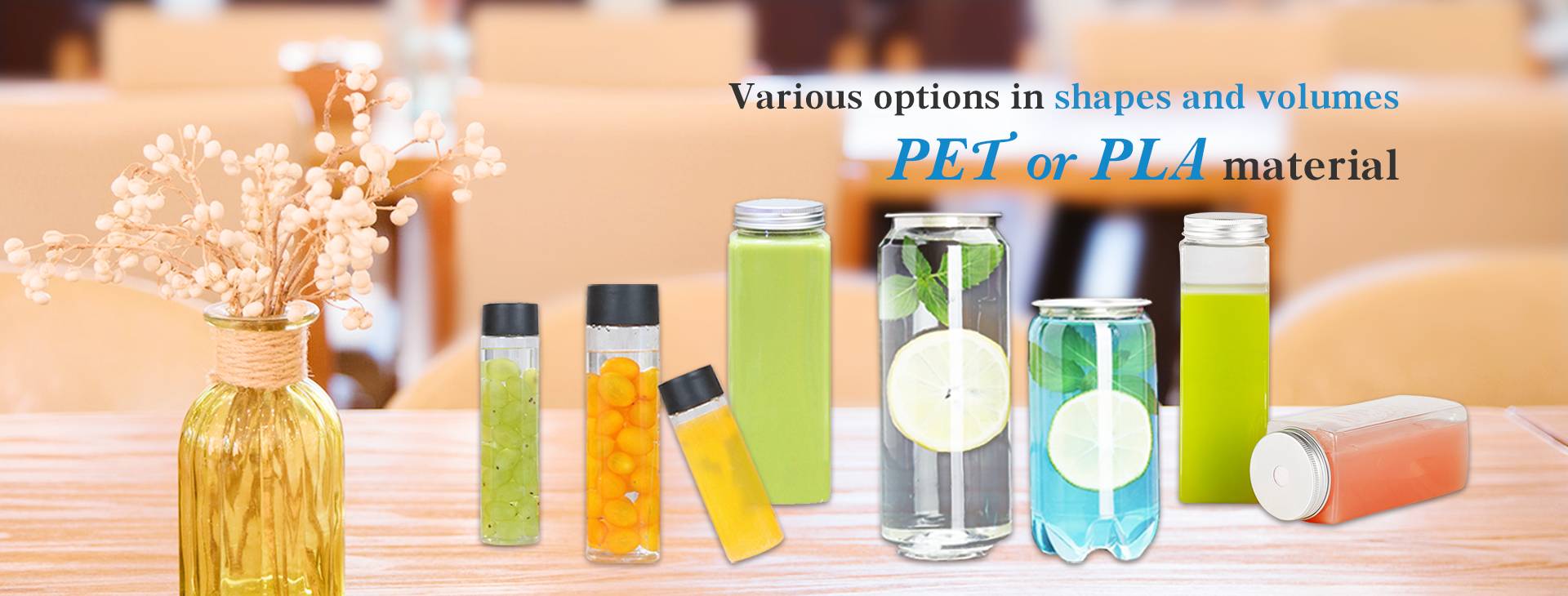
Clear Plastic Cup With Straw - China Manufacturer
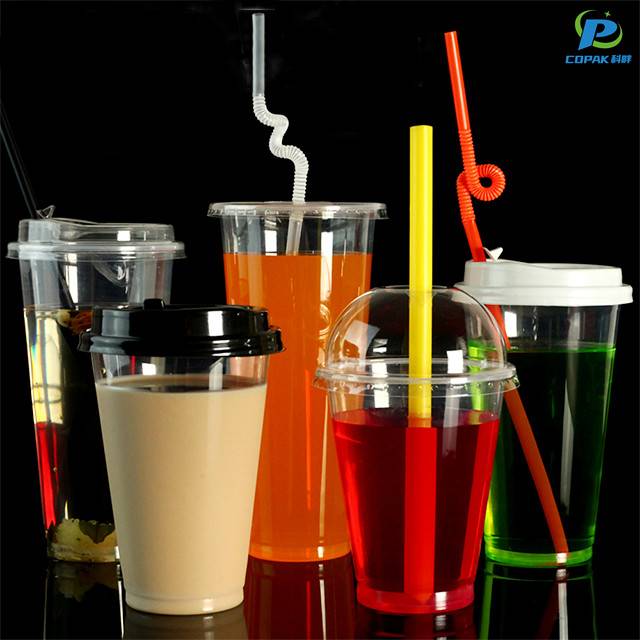
I’m a China-based manufacturer, and I’m proud to offer our Clear Plastic Cup With Straw to meet the demands of busy cafés, caterers, and retailers looking for reliable, scalable packaging. This cup is crystal-clear, BPA-free PET, and it comes with a sturdy straw, making it a complete drinking solution for events or daily service. I design it for easy handling: lightweight yet durable, compatible with standard lids, and stackable for space-saving storage. It withstands daily reuse in a multi-shift operation, while remaining food-contact safe and recyclable. For buyers seeking differentiation, I offer customization options—logo printing, color straw choices, and packaging variations—to boost shelf appeal. With competitive MOQs, fast lead times, and international shipping, I help you grow your private label or distribution business. Partner with me and you’ll get consistent quality, clear branding, and reliable delivery, right when you need it.


Clear Plastic Cup With Straw Application Pioneers in the Field
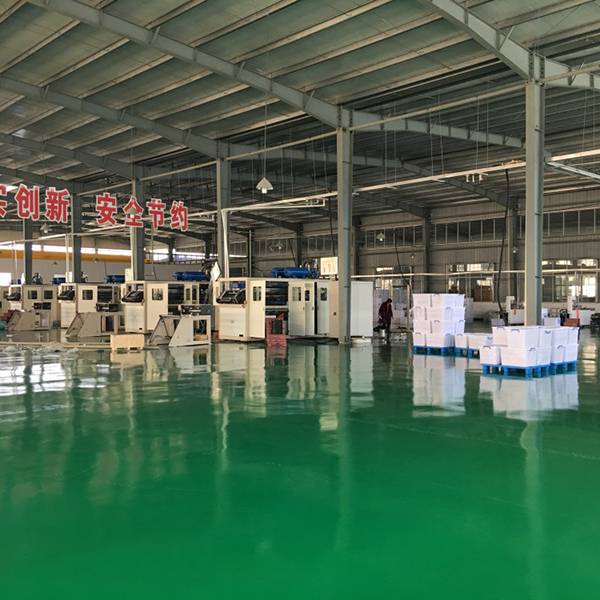
Clear plastic cups with integrated straws have redefined on-the-go beverage service, combining crystal clarity, lightweight strength, and user-friendly design for cafes, beverage brands, events, and retail chains worldwide. Ideal for iced coffees, smoothies, bubble tea, desserts, and promotional packs, these cups deliver excellent printability for logos and campaigns, stackable logistics, secure lids and leak-resistant straw options, plus recyclable and compostable material choices to meet evolving sustainability demands. Produced in a Shanghai-based facility with automated lines and strict food-safety controls, offerings include custom sizes, colors, sleeve or full-surface printing, and private-label packaging. Compliance with international standards such as FDA, LFGB, and ISO, flexible minimums, reliable lead times, and global shipping support make these clear cup-with-straw solutions a practical, scalable choice for buyers seeking consistent quality and fast market entry.
| Dimension | Typical Options / Values | Real-World Notes | Environmental & Regulatory Remarks |
|---|---|---|---|
| Material | PET (PETE, recycle code 1), PP (5), PS (6), PLA (compostable polymer) | PET is the predominant clear material for cold cups due to clarity and barrier properties. PP used where higher heat resistance or flexibility is needed. PLA offers clear, bio-based option but requires industrial composting. | Recyclability depends on local systems: PET widely accepted in many curbside programs; PP recycling expanding; PLA generally not recyclable in conventional streams and often needs certified composting. |
| Capacity (Common sizes) | 8 oz (237 ml), 12 oz (355 ml), 16 oz (473 ml), 20–24 oz (591–710 ml) | Standard volumes align with beverage industry portions (coffee, iced tea, smoothies). Clear cups emphasize visual presentation of drink and add-ons (toppings, layers). | No direct regulatory limits on size; portioning trends influenced by consumer and waste-reduction policies. |
| Lid Types | Flat with straw hole, dome (whip-compatible), snap-fit, screw-top variants | Lid design affects user experience and spill resistance. Monomaterial lids (same polymer as cup) facilitate recycling when adopted. | Some jurisdictions require lids to be recyclable or removed prior to recycling; mixed-material lids reduce recyclability. |
| Straw Type | Straight plastic, flexible plastic, paper, compostable PLA, reusable metal/silicone | Paper straws can lose integrity with long-duration cold drinks; compostable PLA straws require appropriate industrial facilities. Reusables remove single-use waste but need cleaning infrastructure. | Many municipalities have reduced or banned single-use plastic straws; compostable options must meet certification to claim compostability. |
| Manufacturing Processes | Thermoforming (sheet-to-cup), injection molding (lids, some straws), extrusion blow molding (hollow shapes) | Thermoforming is common for high-volume clear cups; trimming and regrind practices influence material circularity. Injection molding yields precise lid geometries. | Efficiency and scrap management are critical for life-cycle impact; some advances aim to reduce virgin resin use via recycled content. |
| Transparency & Optical Clarity | High clarity: PET, PS; Moderate: PP; Variable: PLA | Clear cups showcase product appearance (color, layering). Anti-fog or coating treatments are sometimes applied to reduce condensation blurring. | Surface coatings may impede recycling if not compatible or removable in sorting and reprocessing. |
| Heat Resistance | PET: suitable for cold drinks up to ~60–70°C; PP: up to ~100–120°C; PS & PLA: lower heat tolerance | Choice of polymer determines whether cup is safe for hot fillings. PET typically used for cold; PP for hot-fill applications where clarity is less critical. | Labeling for intended use (hot vs. cold) helps prevent consumer misuse that could affect safety or leaching performance. |
| Food-Safety & Compliance | Compliance frameworks: FDA food-contact guidance (U.S.), EU Regulation (EC) No 1935/2004 and specific plastics measures | Materials intended for direct food contact must meet migration limits and good manufacturing practices; documentation and testing are routine for market entry. | Regulatory requirements vary by market; compostable claims require certification to recognized standards (e.g., industrial compostability standards). |
| Mechanical Behavior | PET: stiff and impact-resistant; PP: flexible and fatigue-resistant; PS: rigid but brittle | Mechanical properties affect stackability, transport breakage, and consumer handling. Thinner gauges reduce material use but may compromise performance. | Design for durability vs. light-weighting must balance waste reduction and product protection to avoid increased overall footprint. |
| Additives & Surface Treatments | Clarifiers, anti-fog coatings, slip agents, colorants, barrier coatings | Functional additives improve appearance and performance but can complicate recycling or composting if incompatible with processing streams. | Transparent disclosure and selection of recycling-friendly additives support circularity goals; some regions restrict specific additives for food contact. |
| Typical Use Cases | Cold beverages, smoothies, iced coffee, sampling cups, event catering | Clear presentation of contents is a key selling point in retail and foodservice contexts; single-use convenience remains dominant in many scenarios. | Shift toward reusable systems, deposit-return schemes and compostable disposables is growing in response to policy and consumer demand. |
| Recycling Codes & Sorting | Common codes seen: 1 (PET), 5 (PP), 6 (PS), 7 (Other/bioplastics) | Identification by resin code helps sorting, but mixed materials (laminates, coatings) may still be diverted from recycling streams. | Increasing adoption of monomaterial designs and clear on-pack disposal instructions improves end-of-life outcomes. |
| Pioneering Trends | Monomaterial cup+lid systems for recyclability, integrated straw-lid concepts to reduce loose straws, development of industrially compostable clear polymers, lightweighting and recycled-content incorporation, and growth of reusable cup programs combined with digital return incentives. | ||
Related Products


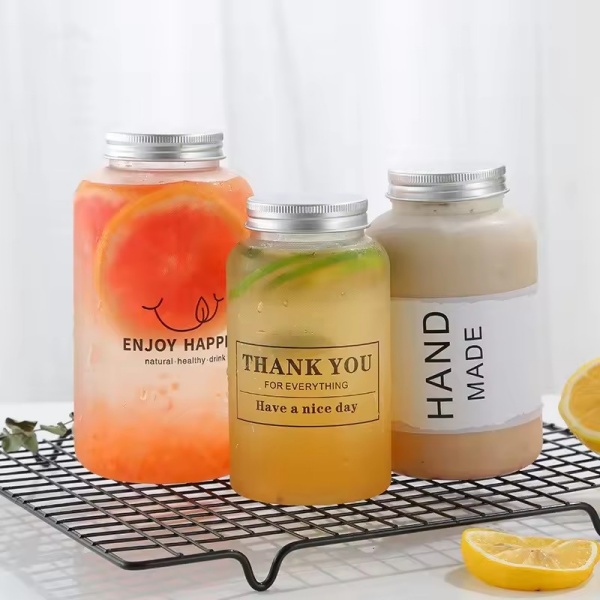
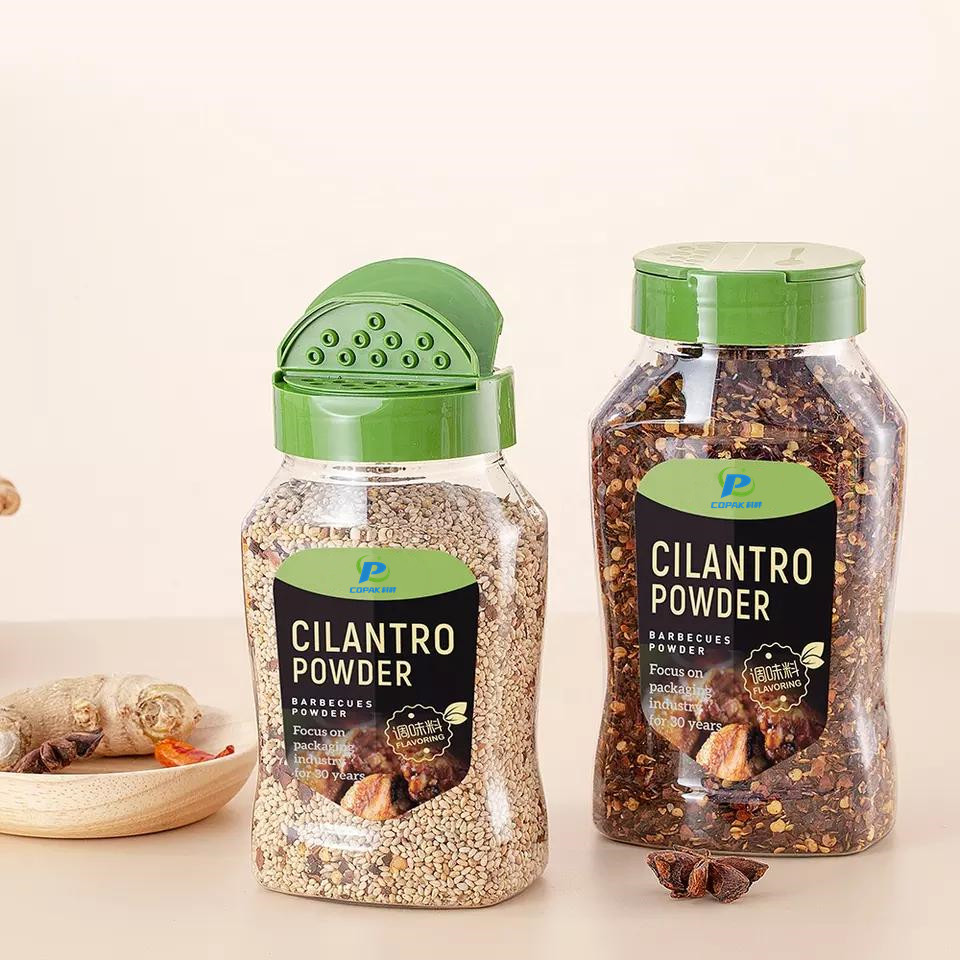


Clear Plastic Cup With Straw Products More Than a Supplier - A Partner
Top Selling Products





- Related Blog
- Reviews
- Reviews
