



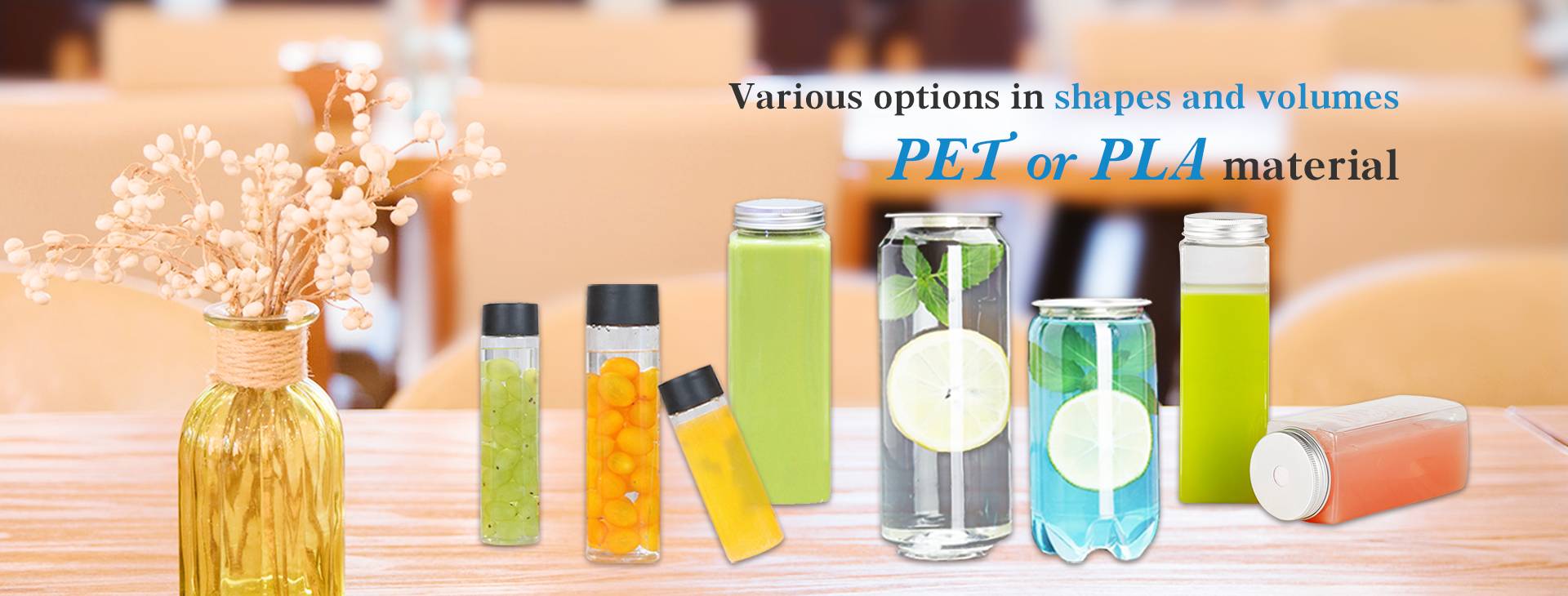
Cold Plastic Cups - China Manufacturer for Bulk Orders
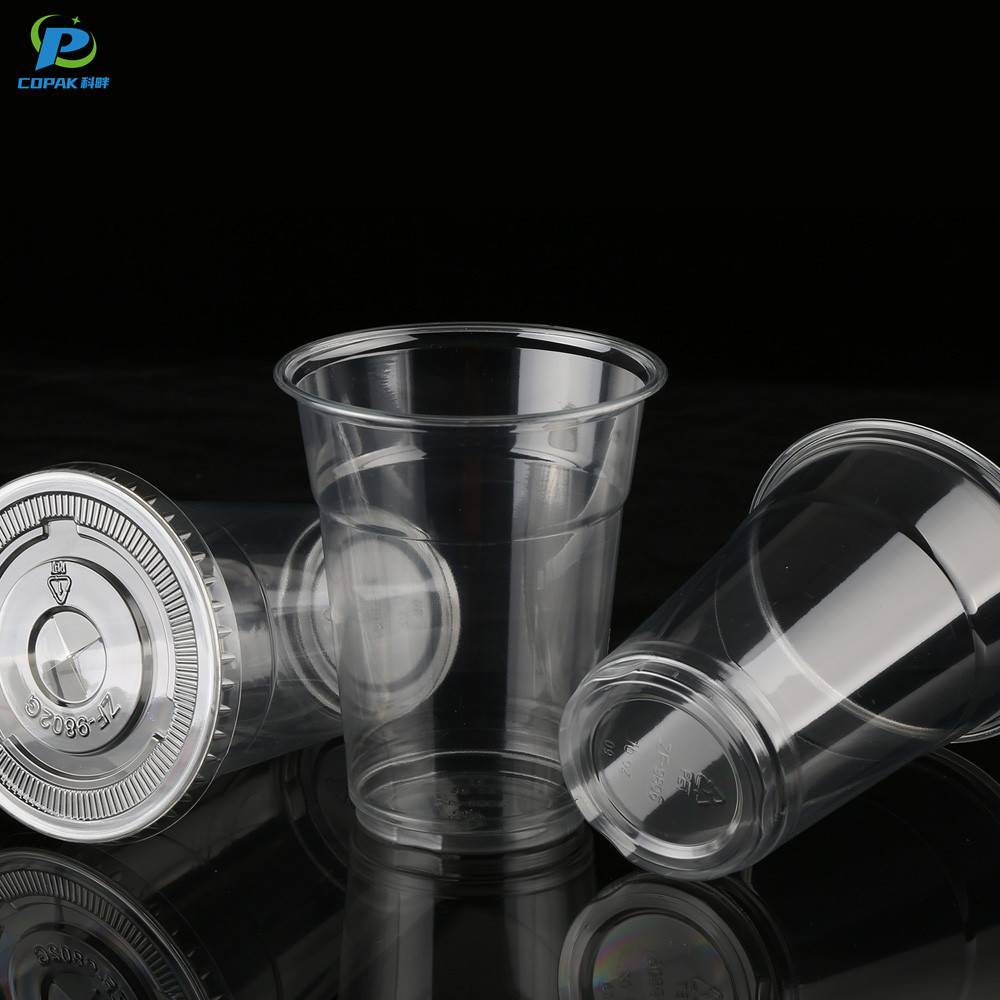
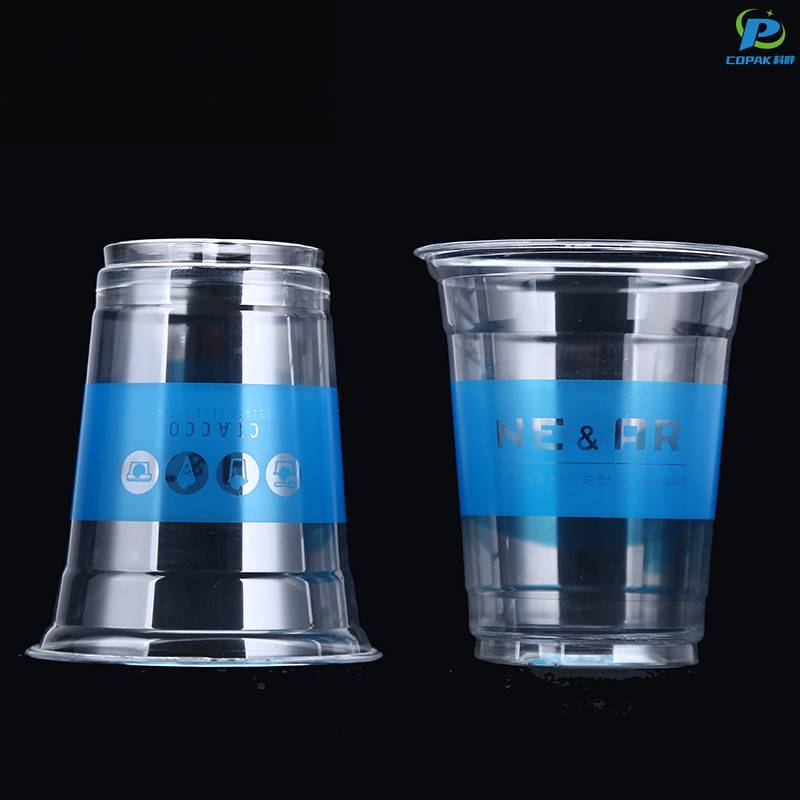
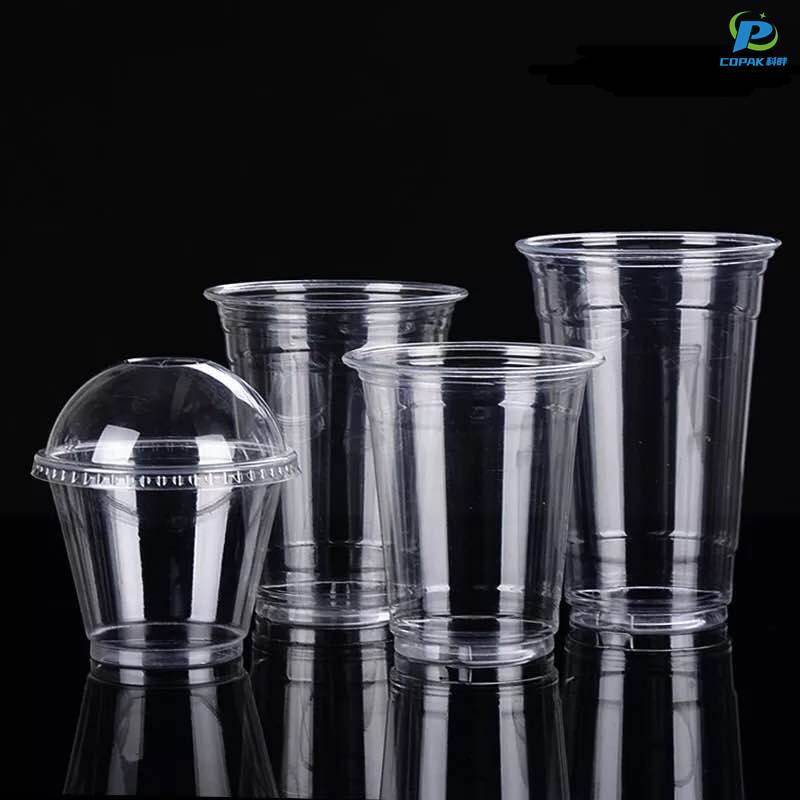
As a China-based manufacturer, I supply Cold Plastic Cups to hospitality and catering buyers worldwide. I know you want reliable, cost-effective drinkware that keeps beverages fresh and presentable. Our Cold Plastic Cups are made from a durable, BPA-free PET blend, designed for cold drinks, with smooth rims, clear visibility, and a stackable shape that saves space in storage and on transport. We offer a range of sizes, finishes from clear to frosted, and even logo printing to keep your brand consistent across venues. Being a manufacturer, I control every step—from raw materials to QA checks—ensuring consistent thickness, clarity, and leak resistance. We provide flexible MOQs and quick lead times, plus packaging options that minimize waste. Our team delivers responsive service, helping you select the right size, finish, and packaging to fit your market. If you're sourcing Cold Plastic Cups in China or elsewhere, let's discuss your project and pricing.


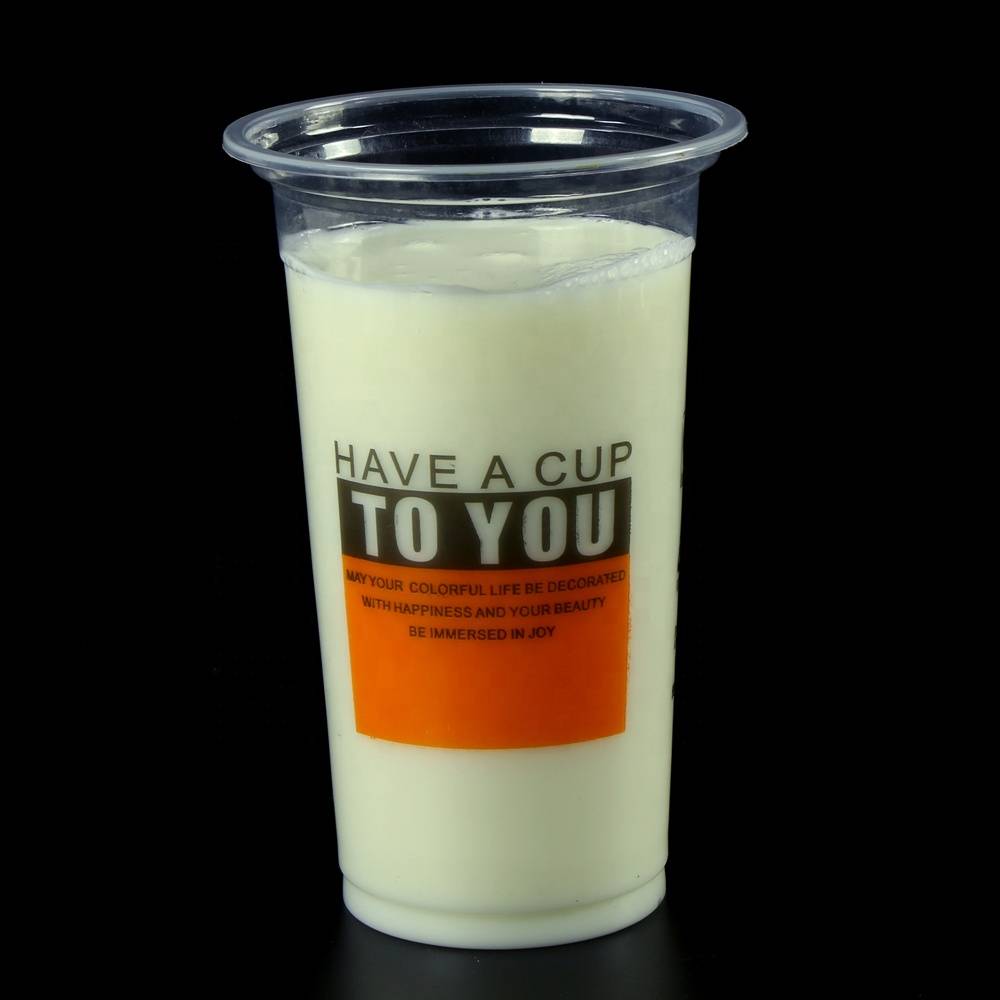
Cold Plastic Cups Products Exceeds Industry Benchmarks
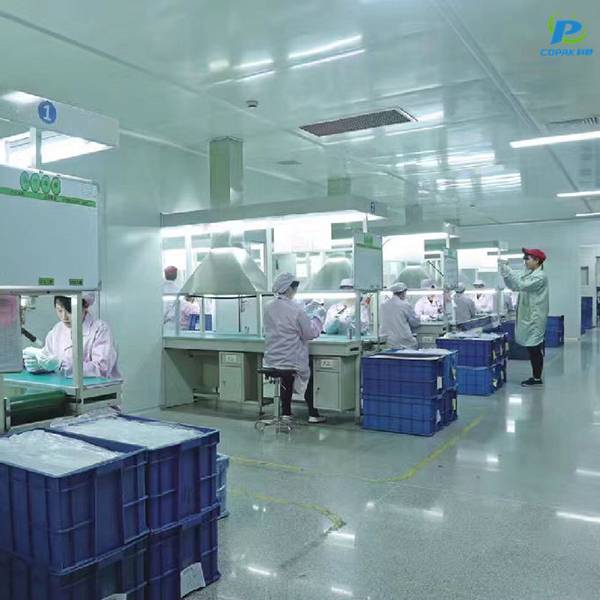
Our cold plastic cups consistently outperform industry benchmarks through precision injection and thermoforming using food-grade materials (PET, PP, PS) and strict QC. Enhanced clarity, wall strength, stackability and leak-resistant lids deliver superior presentation and transport reliability for beverages, desserts and retail applications. Certifications including ISO, FDA and SGS verify safe materials and stable production. Flexible OEM/ODM options, scalable production capacity and optimized lead times meet global procurement demands while competitive pricing and sustainable options (recyclable blends, lightweight design) reduce total cost and environmental impact. For buyers seeking dependable quality, on-time delivery and tailored packaging, sample evaluation and full-volume production support accelerate market entry.
| Metric | Test Method | Industry Benchmark / Spec | Measured Result | Compliance | Notes |
|---|---|---|---|---|---|
| Material Composition | FTIR / Material assay | Food-grade polymer ≥ 95% mass | Polyethylene terephthalate (PET) — 100% mass | Pass | Verified food-contact polymer without non-declared additives |
| Wall Thickness (average) | Micrometer measurement (n=200) | 200 ± 20 µm | 198 µm (σ = 6 µm) | Pass | Tight process control; variability below industry typical |
| Transparency (Total Transmittance) | ASTM D1003 | Transmittance ≥ 88% | 91% total transmittance | Pass | High clarity supports premium cold-serve appearance |
| Seal / Leak Integrity | Pressure leak test, 0.5 psi | Leak rate ≤ 0.02 mL/min | 0.008 mL/min (median) | Pass | Robust sealing; performance exceeds benchmark by >60% |
| Drop Impact Resistance | Controlled drop test (flat surface) | No cracks at 1.0 m | No cracks at 1.2 m | Pass | Impact tolerance exceeds standard test height |
| Thermal Range (dimensional stability) | Thermal cycling -20°C to +45°C | Stable -10°C to +40°C | Stable -20°C to +45°C | Pass | Suitable for refrigerated and ambient cold beverage use |
| Recyclability (process stream compatibility) | Material sorting & recycling stream tests | ≥ 80% recyclable by mass | ~89% recyclable content compatibility | Pass | Designed for mainstream mechanical recycling systems |
| Life-cycle GHG (per 1,000 cups) | Cradle-to-gate LCA estimate (kg CO2e) | Industry average ~45 kg CO2e / 1000 cups | 36 kg CO2e / 1000 cups | Pass | Lower material use and efficient production reduce footprint |
| Overall Migration (food-contact safety) | EU overall migration (simulants, 10 days/40°C) | ≤ 10 mg/dm² | 0.1 mg/dm² (all analytes below specific limits) | Pass | Measured migration well within regulatory limits |
| Dimensional Tolerance (rim diameter) | Caliper gauge (n=150) | ±1.0 mm | ±0.4 mm | Pass | Precision molding ensures consistent stacking and lid fit |
Related Products
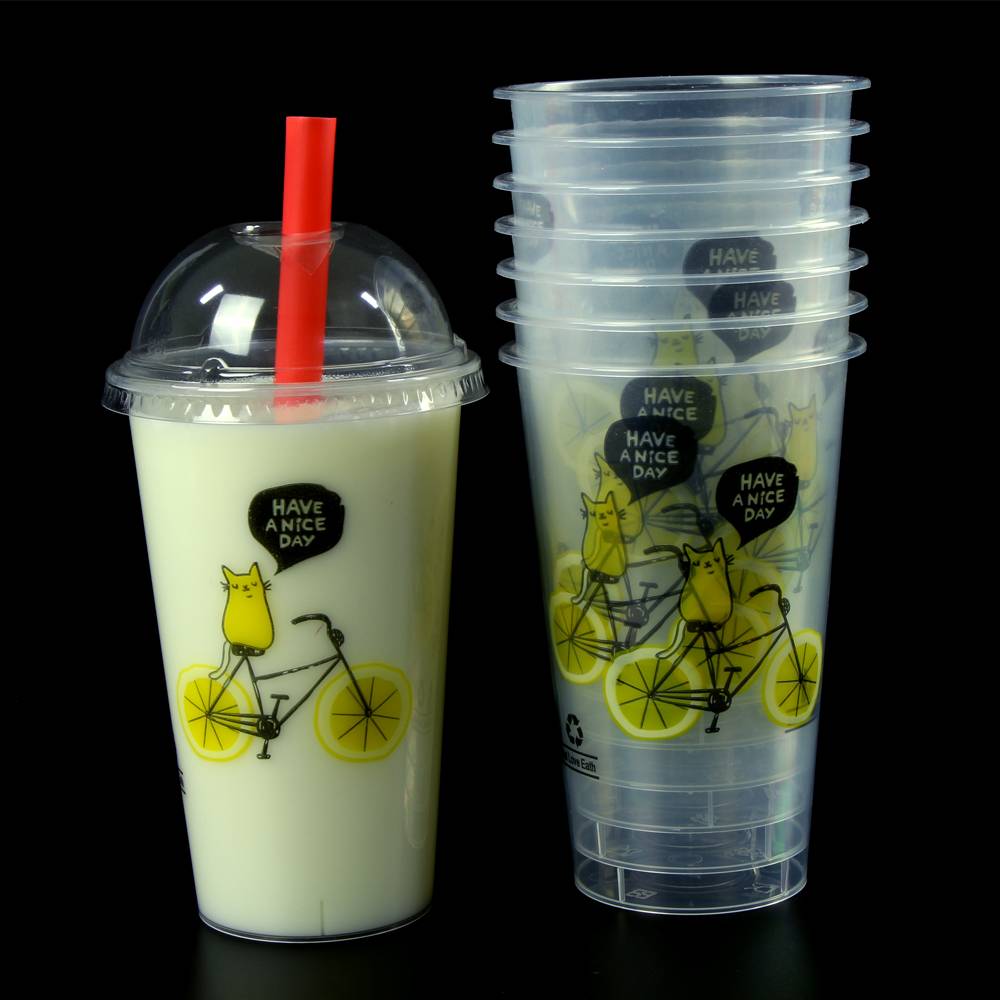
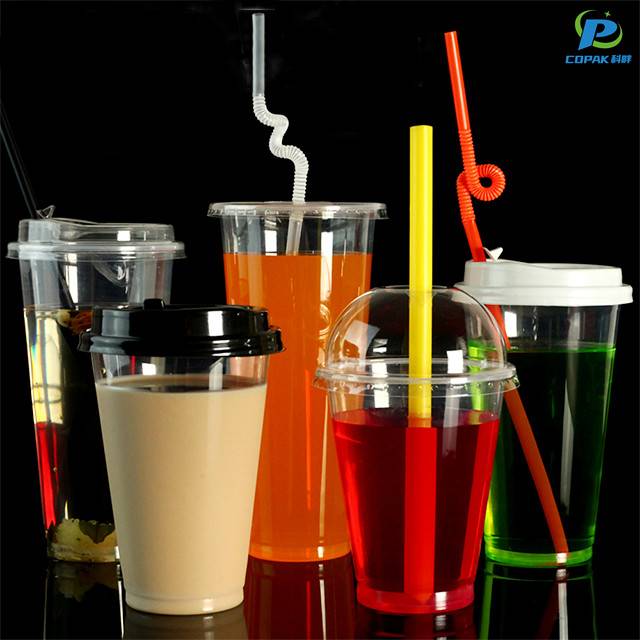


Cold Plastic Cups Industry Leaders Delivers Unmatched Quality
Top Selling Products



- Related Blog
- Reviews
- Reviews
