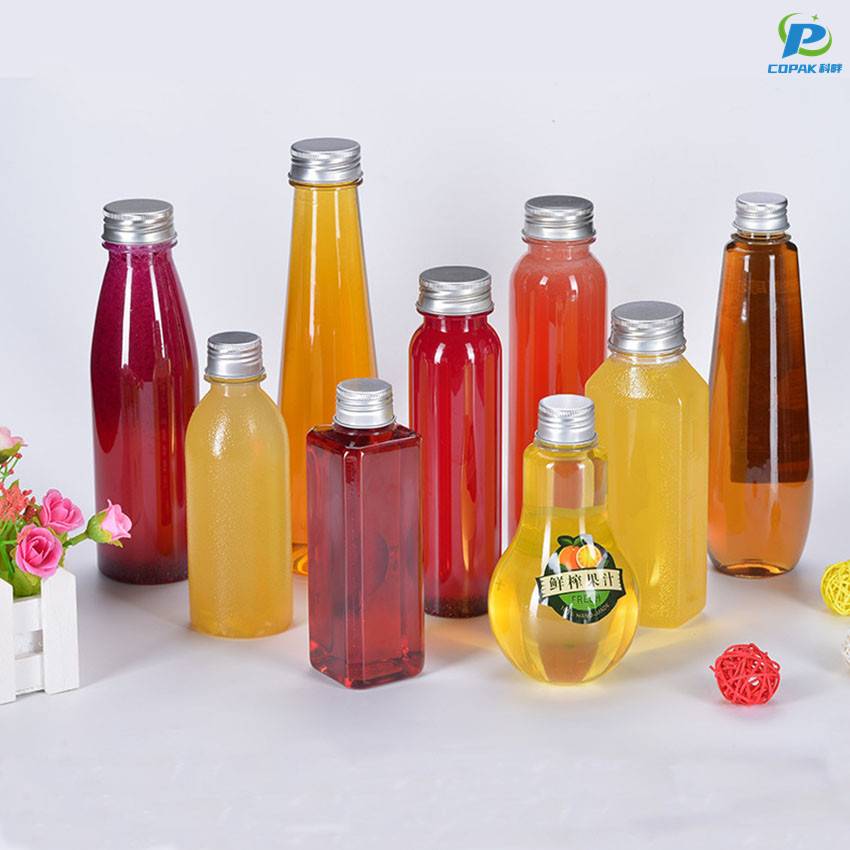
PET Bottles

16 Oz Plastic Cups With Lids - China Manufacturer

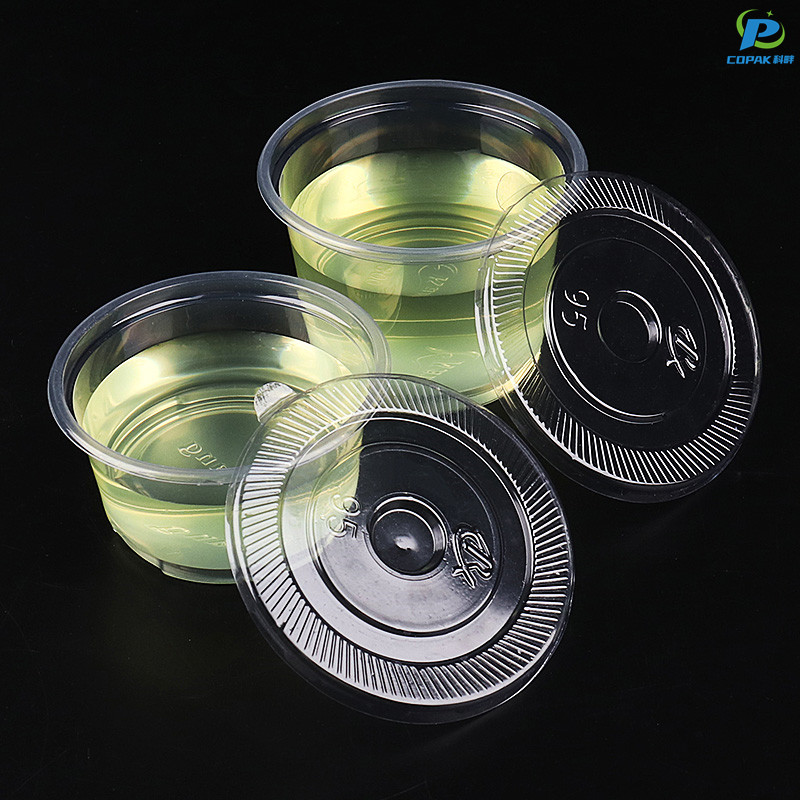
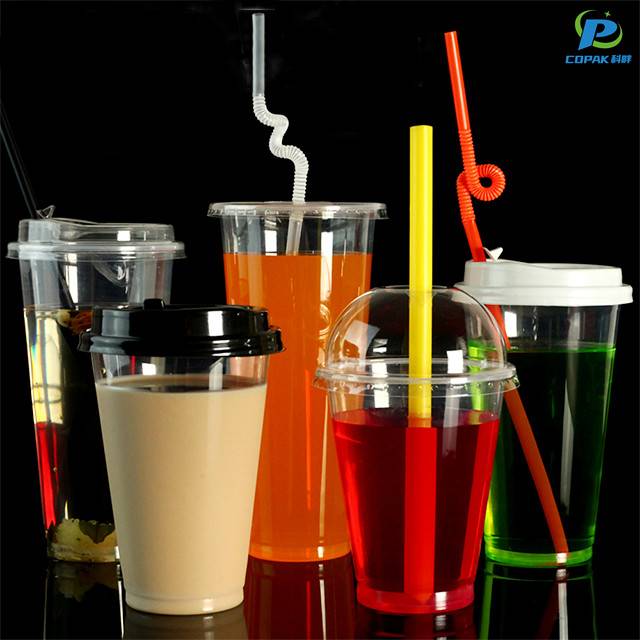
I am a China-based manufacturer offering 16 Oz Plastic Cups With Lids for restaurants, caterers, and distributors who demand dependable supply. I provide consistent quality, clear polypropylene material, leak-resistant lids, and stackable design for easy storage. I know B2B buyers want fast lead times, scalable MOQ, and competitive pricing, so I keep production flexible and ready to customize with logos or color lids. Our cups are BPA-free and meet strict food-contact standards, suitable for hot or cold drinks, smoothies, or iced beverages. I offer private label options, mixed pallet pricing, and reliable logistics from China to your warehouse. With years of exporting experience, I ensure on-time delivery and attentive after-sales support. If you’re stocking up for events or daily service, my 16 Oz Plastic Cups With Lids are durable, clear, and economical. Tell me your quantities and timeline, and I’ll tailor a package that fits your business perfectly.

Hot Selling Product

16 Oz Plastic Cups With Lids Factory Now Trending

16 oz plastic cups with lids are rapidly becoming a must-have for global foodservice and retail buyers thanks to their perfect balance of capacity, clarity and convenience. Made from food-grade PET or PP, they provide excellent cold-drink presentation, spill-resistant options with snap or dome lids, and stackable designs that save storage and shipping costs. Clear cups highlight product appearance for cafes, juice bars, and delivery platforms while tamper-evident and recyclable options meet modern consumer expectations. As a direct factory supplier, we offer competitive pricing, flexible minimums and full customization—colors, printing, logo embossing, lid styles and gasket seals—to suit branded retail launches or bulk private-label programs. Production follows strict quality control and can be aligned with FDA, EU and other food-safety requirements; scalable capacity and experienced export packaging ensure stable lead times for worldwide buyers. Samples and production quotes are available to accelerate sourcing decisions and streamline global procurement.

{ 16 Oz Plastic Cups With Lids Factory Now Trending}
Attribute Typical Values / Notes
Nominal Volume 16 oz (473 ml; exact ≈ 473.176 ml) — standard single‑use beverage capacity for cold drinks
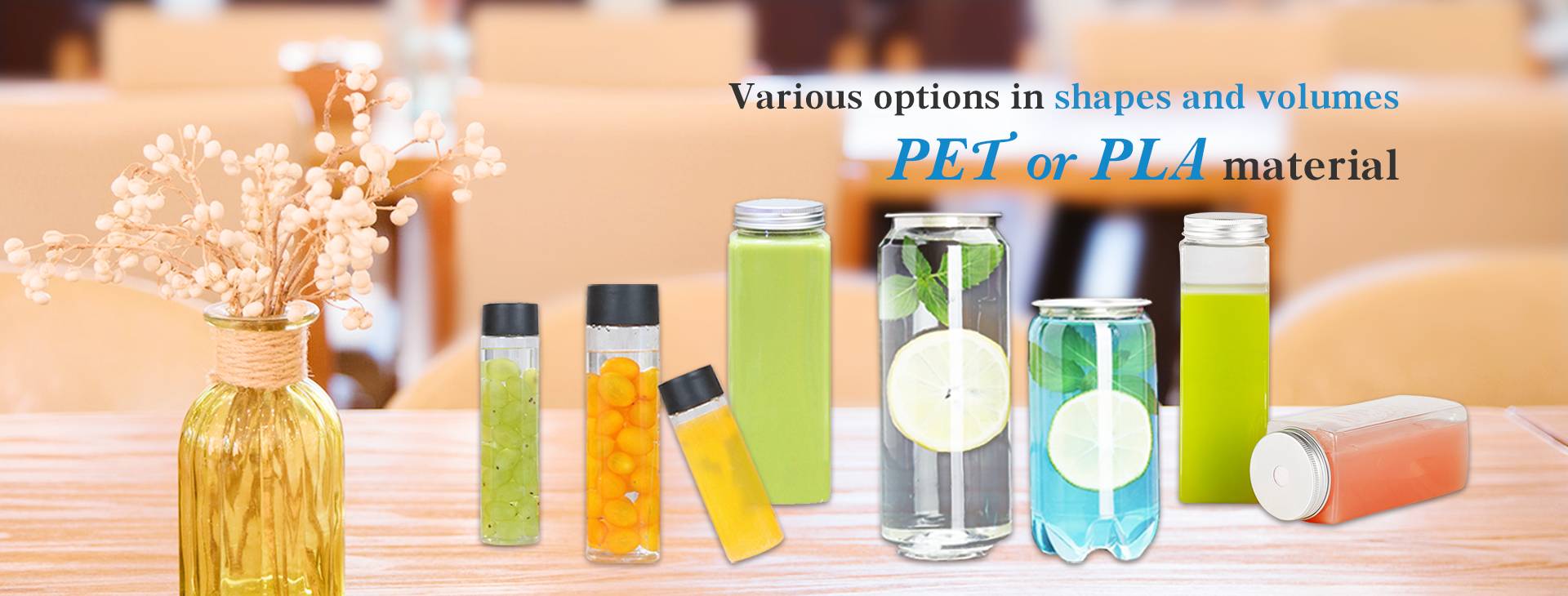
Common Materials PET (polyethylene terephthalate, recycling code #1), PP (polypropylene, code #5), PLA (polylactic acid, industrially compostable). PET is most common for clear cold cups.
Typical Lid Types Flat lids, dome lids (extra headspace for toppings/whipped cream), sip-through/lid with straw slot, plug-in straw caps. Lids commonly made from PP or PET.
Lid Seal / Attachment Snap-fit / press-fit rim designs are standard. Effective snap-seal geometry and bead dimensions determine leak resistance for cold beverages.
Top Diameter (typical) ≈ 96–104 mm (3.78–4.09 in) — depends on design and lid compatibility.
Height (typical) ≈ 115–125 mm (4.5–4.9 in) for straight/flared 16 oz profiles.
Base Diameter (typical) ≈ 45–55 mm (1.8–2.2 in), tapered for stackability and dispenser use.
Wall Thickness Common range 0.18–0.35 mm (180–350 μm) for PET; thicker for rigid PP. Gauge affects weight and rigidity.
Typical Mass per Cup Approximately 7–15 g per cup (varies with material & wall thickness); lids commonly add 2–6 g each depending on type.
Manufacturing Methods PET: injection stretch blow molding or thermoforming from sheet; PP/PS: thermoforming or injection molding. Lid manufacturing commonly injection molding.
Regulatory / Food Contact Typically manufactured to meet food-contact regulations such as U.S. FDA 21 CFR (food contact) and EU frameworks (e.g., Regulation (EC) No 1935/2004 and plastics-specific requirements). BPA-free for PET/PP products.
Recyclability & End‑of‑Life PET (#1) widely accepted in curbside recycling where facilities exist; PP (#5) recycling availability varies by locality; PLA requires industrial composting and is not widely accepted in standard recycling streams.
Typical Uses Cold beverages (soda, iced coffee, smoothies, juices), events, food service take-away. Dome lids common for topped beverages; sip lids for on-the-go drinking.
Temperature Guidelines PET: recommended for cold (≤40°C / 104°F); not intended for hot liquids. PP has higher heat tolerance and can be used for warmer beverages if specified.
Environmental Considerations Design choices (light‑gauge walls, recyclable resin selection, mono‑material lids) improve recyclability. Compostable options (PLA) require separate collection and industrial composting infrastructure.
Design & Compatibility Notes Ensure lid-to-rim tolerance control (±0.3–0.6 mm depending on profile) for consistent snap-fit performance; stacking and dispenser compatibility often drive taper angle and base shape.

Related Products

Eco Friendly Products

16 Oz Plastic Cups With Lids Ahead of the Curve Winning in 2025

2025 Channel Breakdown: Market Share vs YoY Growth for 16 oz Plastic Cups with Lids

In 2025 the 16 oz plastic cup with lid market shows a clear split between established volume channels and rapidly expanding direct-to-consumer sales. Foodservice retains the largest market share at 35%, driven by high-frequency usage in quick service restaurants and cafes; its moderate 6% year-over-year growth reflects steady demand but limited upside without product differentiation. Retail brick-and-mortar holds 28% with 3% growth, indicating saturated shelf presence and price competition. Online channels, while starting from a smaller base (18% market share), deliver the strongest YoY growth at 22% as subscription packaging, small-batch food vendors, and e-commerce foodservice buyers increasingly order lids and cups directly for convenience and customization. Institutional buyers (12% share) show slight contraction (-1% growth), reflecting procurement shifts toward reusable alternatives and cost-saving consolidation. Vending and micro-retail account for 7% with 5% growth, benefiting from micro-market expansion and on-the-go packaging needs. These patterns suggest three practical priorities for suppliers and category managers: optimize high-volume supply chains for foodservice to protect margins; accelerate digital sales and personalization capabilities to capture rising online demand; and develop value propositions (e.g., cost-per-use, recyclable materials) targeted at institutional accounts to stem erosion. Marketing should emphasize convenience and hygiene for online buyers, while operational investments should improve fulfillment speed and SKU flexibility. Finally, sustainability messaging paired with incremental material innovation can unlock wins in both institutional and retail channels, where reuse and circular-economy conversations are most influential. Monitoring monthly channel-level metrics will be critical to allocate promotional spend and production capacity effectively through the remainder of 2025.

Top Selling Products

Subscribe To Our Newsletter

For inquiries about our products or pricelist, please leave your email to us and we will be in touch within 24 hours.

Follow Us

on our social media
  • whatsapp (1)
  • instagram
  • youtube